
Just Call Him: Estrangement, Grief, and the Father I'll Never Fully Know
Poet Brittany Perham stopped talking to her alcoholic father for almost 15 years. After he died, she learned he'd named her executor of a deeply indebted estate.


 Goodpods
  Podchaser
  PocketCasts
  RSS Feed
 Key Takeaways
- Brittany Perham shares her powerful journey of estrangement from her father, who struggled with a quiet addiction throughout her childhood.
- At age twenty-one, Brittany made the difficult adult decision to step away and stop answering her father's calls, leading to nearly fifteen years of silence.
- The conversation explores the complex coexistence of guilt and sadness, highlighting how estrangement rarely feels like true freedom.
- Brittany discusses the bittersweet experience of reconnecting during her father's final year, culminating in a bedside hospital decision to let him go.
- As the unexpected executrix of her father's heavily indebted estate, Brittany navigated a complicated seven-year process to finally close the chapter.
- Through her memoir Executrix, guest Brittany Perham illustrates how our personal stories and understanding of complicated parents continue to evolve each time we tell them.
Some goodbyes don't come with a conversation. They come with a phone you keep picking up and putting back down.
Brittany Perham grew up in a house full of friends and happy memories, with a mom who protected her and her brother, and a father whose drinking nobody named out loud. In college, when things got scary, she made one of the hardest grown-up decisions of her life. She stopped answering his calls. The silence stretched to almost fifteen years.
When her brother reconnected with him before his wedding, Brittany found herself back in a little bit of contact, just in time for her father's final year. There was one good phone call, a recipe, a "good to talk to you." And then there was a hospital room at Mass General, where she and her brother had to decide to let him go.
Then came the surprise. Weeks before he died, her father had changed his will and named her the executor of an estate that turned out to be buried in debt. It took almost seven years to close.
This is a tender, honest conversation about estrangement, about guilt and sadness living side by side, and about how a story keeps changing each time we tell it. Brittany is a poet and a teacher, and she talks about her father with so much care and so much honesty. I loved every minute of this one.
What You'll Hear:
- Growing up in what looked like the perfect childhood while living with a father's quiet addiction
- The decision at 21 to get a therapist and step away from her dad
- Why estrangement never really feels like freedom
- Walking around the house holding the phone, unable to make the call
- The one good phone call, and a recipe she'll never forget
- Taking her father off life support and the strange intimacy of that moment
- Being named executrix of an indebted estate she never saw coming
- Why the story of her father is ultimately a story of not knowing
Guest Bio:
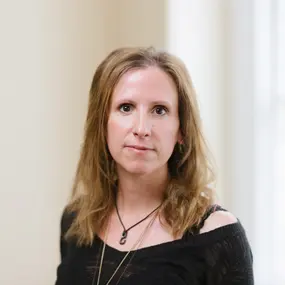
Brittany Perham's new memoir, Executrix (University of Georgia Press), won the 2025 AWP Sue William Silverman Prize for Creative Nonfiction. She is also the author of Double Portrait (W.W. Norton), which won the Barnard Women Poets Prize and was a finalist for the Northern California Book Award; The Curiosities (Free Verse Editions); and, with Kim Addonizio, the collaborative word/art project The Night Could Go in Either Direction (SHP). Her writing has received support from the Civitella Ranieri Foundation, the Hemingway House, the James Merrill House Foundation, Vermont Studio Center, the Wallace Stegner Fellowship Program, and Yaddo. She taught for fifteen years at Stanford University before joining the English faculty at Endicott College, where she is an associate professor. She lives in San Francisco and Massachusetts.
Website: www.brittanyperham.com
Executrix (University of Georgia Press): https://ugapress.org
Listen and follow: www.thelifeshiftpodcast.com/follow
Subscribe to the newsletter: https://thelifeshiftpodcast.beehiiv.com/
Keywords: estrangement, grieving an estranged parent, alcoholic father, children of alcoholics, executor of an estate, grief, memoir, memory, family stories, complicated grief
You Might Also Like:
- Grief and Fatherhood: The Song That Changed Everything
- Part of Me Died That Day: Learning to Live After the Worst Day of Your Life
Brittany's Energy Portrait
Episode Playlist
Learn more about your ad choices. Visit megaphone.fm/adchoices
Frequently Asked Questions
Who is the guest on this episode of The Life Shift Podcast?
The guest is poet, teacher, and memoirist Brittany Perham, author of the award-winning book Executrix.
What is Brittany Perham's memoir Executrix about?
Executrix explores Brittany's complex relationship with her late father, their long-term estrangement, and the unexpected challenge of managing his heavily indebted estate.
Why did Brittany Perham become estranged from her father?
Brittany stepped away from her father at age twenty-one to protect her mental health and establish boundaries regarding his unaddressed alcoholism.
Matt Gilhooly (00:00)
Brittany's childhood looked from the outside almost perfect. A mom who protected her and her brother, a house full of her own friends, so many good memories, and a father who kept quietly slipping into something no one in the family said out loud. by the time she got to college, she stopped answering his calls. That silence lasted almost fifteen years. Near the end of his life, she'd stand in her house holding the phone, telling herself, just call him. He cannot hurt you now.
And she still couldn't do it. And then he died, and she found out he'd left her one last thing she never expected, something that would take years and a real toll to untangle. Today Brittany's a poet and a teacher, and she's written a memoir about her father, about everything she'll never get to know, and about the way a story changes little each time we tell it.
Brittany Perham (00:47)
But I would walk around the house holding the phone, like unable to call him. I was like still afraid to call him.
And I knew that that was a fear from my childhood and not a current
fear. I knew that he couldn't, there was nothing that he was gonna do to me that was different. You know, I I knew what the situation was, I knew what the story was, and I still couldn't do it.
Matt Gilhooly (01:41)
Hello everyone, welcome to the Life Shift Podcast. I am here with Brittany. Hello Brittany.
Brittany Perham (01:45)
Hi Matt.
Matt Gilhooly (01:46)
Thank you for wanting to be a part of the Life Shift podcast. I think it's so important to one for me to just hear all of these stories and see, even though your experience is probably totally different than mine, the emotions and the things that you felt through parts of your life are very familiar. And I think that is a good reminder to everyone else is that like these stories can actually bring us together even if they're wildly different. So thank you for wanting to be a part of it.
Brittany Perham (02:13)
Yeah, thanks so much for having me. I'm you know, I was very moved by your story and hearing your story. And I'm, you know, glad to talk to you. I feel like our stories are very different but in some ways have some overlap.
Matt Gilhooly (02:24)
Yeah, no, and thank you for that. It it was a long journey to get to telling my story in the way that I felt was proper. And, you know, I recorded my episode like it was episode eleven. So here we are, two hundred and ninety-one. I would tell that story differently now because I've had the opportunity to talk so to so many people and the things that I've uncovered through other people's stories. So it's really been just a beautiful journey and for me selfishly, but also, you know, for the people listening.
So before we get into your story, can you tell us who Brittany is in twenty twenty six? Like how do you show up in the world? How do you identify these days?
Brittany Perham (03:01)
Sure, yeah. I think of myself as still a poet. That was my that was my first love for writing, and I sort of hold that part of my writing identity really close still. I've just written a memoir, and that's the story that we're talking about today. but there's this part of me that always feels like a poet primarily. I'm also a teacher, I get to teach creative writing.
The thing that I love most is getting to sit with my students and hear their stories. It's just a very a really lovely time to sit at a table with someone when they're first processing some of the material that really matters to them about their own lives. So that's something that I really love and spend a lot of time doing. So I'm sort of always between like my solitary self with my computer and my notepad and my teaching self when I get to sort of have conversations in the world.
Matt Gilhooly (03:52)
Yeah. And I bet you see a lot of what I see sometimes for people that are kind of sharing their story for the first time in this way. You get to see your students kind of like cracking things open maybe a little bit more or piecing together how this story makes sense in their own life or in a creative way or whatever that may be. So that must be really beautiful to witness.
Brittany Perham (04:13)
Yeah, it's really lovely. You know, I teach a class called Family Stories, which is about, you know, people writing about their experiences in the things they live through and in the, you know, as you and I have both experienced, you know, real difficult things that that families go through. And, you know, students are writing that often for the first time and thinking about, you know.
Where did I come from? Why do I feel as I feel? You know, how do I feel about the people in my life? How do I process this story? And I think it's a really profound thing to get to sit with someone while they're doing that because as
you know, as you have talked about and as I feel too, our stories change as we tell them, you know, they really do.
Matt Gilhooly (04:52)
Yeah. No, I think it's I I I would love to go back and try to do it for the first time again because I remember the feeling of got it out and everything feels a little less heavy and and it
Brittany Perham (05:05)
Yeah.
Matt Gilhooly (05:06)
makes a little bit more sense where things in my brain are like woo, you know, like flying all over the place
Brittany Perham (05:11)
Okay.
Matt Gilhooly (05:12)
and and then I when I get it into some kind of order outside of me.
everything feels maybe a little less scary or more palatable in a way. And so I bet you see all sorts of people on different spectrums where it really disturbs them when they get it out or it really feels like a relief for them.
Brittany Perham (05:32)
Yeah. I mean, I think, you know, and this is true in my experience too, when you tell the story, the story changes. It changes in your mind. It activates something potentially in your brain, in your body, in your memory, in ways that you don't have full control over. And you don't know what's gonna happen in that process until you're doing it. And so it's a kind of like very intimate act to share those stories, especially for students in a classroom of people that they're just getting to know, you know, but it's also a very
it's like a kind of communal bonding act too, because everyone is engaged in this process of trying to figure out what their experience has been. And I think that, you know, what you're talking about, that sense that the, you know, the story activates something within us that we
that changes how we think about the memory, that changes how we think about our experience, I think is really a lovely thing and also can be a difficult thing. I like you, you know, have that experience that.
When I am in the process of telling my stories, I don't have, you know, I've I've often been asked, do you get sort of re-traumatized or triggered by your memories if you're trying to write difficult things? That's not what happens for me. For me, like you said, I feel like I have a little bit more control over something. I can see the story in a new way. I have a different way of experiencing it than I did when I lived through it. That's not everybody's experience, but that's certainly been my experience.
Matt Gilhooly (06:50)
Yeah, same for me. Very much being able to also connect the dots and make sense of the things I chose to do because of the state I was in or whatever was happening and and really honoring, whereas maybe fifteen years ago I was shameful or punishing of myself because
of the, you know, the things I chose to do. And as I tell it more, I'm like it all makes sense. Like every everything that I chose to do makes sense, which is which
Brittany Perham (07:16)
Yeah.
Matt Gilhooly (07:17)
is beautiful for me. But as you said, not everyone is
Brittany Perham (07:19)
Yeah.
Matt Gilhooly (07:20)
As lucky, I guess.
Brittany Perham (07:21)
Yeah. And I think ideally you get some sense of like real sympathy and empathy for your younger self or the self that lived through those things
Matt Gilhooly (07:29)
Mm-hmm.
Brittany Perham (07:30)
over which you had very little control when you were in the experience. And you had very little control probably afterwards. You know, I think that sense of like all the things that we carry definitely affect what we're doing in the world and how we show up. And we don't
have full knowledge of those things, you know, we're like always in the process of piecing together our own sense of our story.
Matt Gilhooly (07:51)
Yeah. I get jealous of those people that said they've been journaling since they were like a child.
Brittany Perham (07:55)
Ha ha ha.
Matt Gilhooly (07:56)
And so like I'm like, man, what if I had done that? I wonder where I'd be now. Probably not
Brittany Perham (08:00)
Yeah. Yeah.
Matt Gilhooly (08:01)
doing this because I probably would have processed things quicker.
Brittany Perham (08:04)
Ha ha ha.
Matt Gilhooly (08:04)
But in any case, I'd love to get into your story and and I like to do it in this way. I like to have the guests paint the picture of their life leading up to the main pivotal moment that we're gonna center today's conversation around and
You
can go back as far as you need to to kind of give us context of that before version of Brittany. Ready
Brittany Perham (08:22)
Yeah.
Matt Gilhooly (08:23)
to paint?
Brittany Perham (08:24)
Yeah, I'm gonna do my best here. It's a you know, as as anyone knows who's tried to tell any part of their life story, it's very complicated. It's like where do you start? And how do you know what the beginning is and where's the end? I mean, all of that stuff always changes. I think the you know, I think the relevant part for my story is, you know, I started thinking about what happened in my family when I was a kid. My father was an alcoholic and I think that informed lots of
the ways that our family operated in big and small ways. And when I was very little, he had stopped drinking for a number of years. But then by the time I was seven or eight, that addiction was coming back and it accelerated over the time that I knew him in my childhood. And I think that context of just thinking about, you know, people who grow up around addiction have
some things in common about, you know, there's a sort of quietness around that. You know, my father never would have said he was an alcoholic. He never went to AA. He never, as far as I know, really addressed that within himself. That's not an identity that he would have carried or probably agreed to, you know, but that was my experience of his experience.
and so by the time I was
in college.
Matt Gilhooly (09:41)
Was it a scary ex
like when you were do you remember being like afraid
Brittany Perham (09:43)
Yeah, it could be. I mean I think
Matt Gilhooly (09:45)
to upset him or something?
Brittany Perham (09:46)
Yeah, I mean I think I think the fear part comes around just unpredictability, right? Like of like as a kid, you just don't know what's gonna happen. Like are is, you know, my dad gonna be coming home, being like in such a good mood. He was kind of someone who would either be, you know, really up and really in a good mood or crying at the kitchen table.
Right. So you kind of don't know what you're gonna get or angry, right? So I mean, I
think there's that sense that, you know, when you grow up with that, there's a kind of unpredictability. My mom was really predictable and really tr tried to protect us and did, me and my brother, very, very much through our childhood. I think, you know, she would remove us from the situation, she would take care of us. I have, you know, such a bond with my mom because she was living through that at the same time. And also
Having to think about him a lot of the time in order to try to make my brother and my life predictable and normal. And
Matt Gilhooly (10:46)
Mm-hmm.
Brittany Perham (10:47)
in lots of ways it was. I had a great childhood in many ways. My mom did so much with us. My mom owned the school that I went to until I was in sixth grade. And spent a ton of time with my family. And my friends were at our house because they were the kids that I went to school with. You know, I had a great childhood. I have so many happy memories of my childhood.
But there's this other piece that even my friends don't know. I mean, when I my friends from that time, when I put out this book, or when I was talking to, you know, a friend from elementary school about putting out this book, she said, but you had the perfect childhood. And I did
Matt Gilhooly (11:18)
Mm.
Brittany Perham (11:19)
in lots of ways. And then there's also this other thing that nobody sees, right? And nobody
Matt Gilhooly (11:23)
Right.
Brittany Perham (11:23)
has access to but the people in the family. And how you talk about that, how you don't talk about that, how the family sort of like lives with that reality is
I think one of the things that I am thinking about and thinking about
Matt Gilhooly (11:37)
Mm-hmm.
Brittany Perham (11:37)
like, well, what did it feel like to really live inside this environment where mostly things were lovely? I had a great childhood. I was very lucky. And there was this other thing going on. And so that's
Matt Gilhooly (11:49)
Yeah.
Brittany Perham (11:49)
the sort of backstory of like what was happening in my family and why I was
Matt Gilhooly (11:54)
Mm-hmm.
Brittany Perham (11:54)
sort of interested and thinking about as I wrote this memoir.
Who was my father? What might he have been living through? You know, I was like trying to sort of think about him. And because in some ways I feel like I didn't have much knowledge of him. You know, my childhood is many most of my memories are my mom, my brother, and me, and other maybe other family members and friends. But it's that's especially true of my later childhood, that he just wasn't that present. He didn't do things with us. He couldn't, you know, he was he was dealing with whatever he was dealing with. And so
That sort of that piece, that childhood piece is definitely a part of the story and is definitely a part of the book. By the time I got to college, my parents were divorcing. things had deteriorated for my mom and for my brother's relationship with my dad so far and were scary that my mom left him. And he I think couldn't tolerate that, and things kind of went off the rails. He would
you know, call me crying, call me drunk, show up at my dorm. You know, it was like behavior that was really scary. And
Matt Gilhooly (12:58)
Yeah.
Brittany Perham (12:59)
I remember thinking, I have to get myself a therapist. Like my family's in chaos. And at the same time, my brother almost died. He spent a year in and out of Mass General. He had an asthma attack. He had never had asthma before and he almost died. And then we're in and out of
Matt Gilhooly (13:16)
Yeah.
Brittany Perham (13:16)
Mass General.
with that problem for a year. And so that was happening at the same time. And so I remember thinking I have to get myself a therapist. And I did. It was like maybe one of the first like real grown-up decisions I made. I was maybe 21 or something, you know? And I was like, well, how do
Matt Gilhooly (13:31)
That's a big decision.
Brittany Perham (13:33)
I do this? Yeah. And and I think because I needed someone else to like talk about the story with, you know, and to try to hold what was going on with me.
During that time, I realized that I could not have contact with my dad in this way. Like I he couldn't be showing up at my dorm. He couldn't be sending me crazy things in the mail. He couldn't be calling me crying and drunk. Like I just couldn't I couldn't sustain that anymore. And so, and I this is a part of the story that I don't exactly remember. We stopped talking.
I think I just wouldn't answer his calls. And so there was never a moment. I don't remember a moment where I said, I never want to talk to you again. I don't think it happened like that. But I wouldn't answer his calls. I wouldn't see him. I wouldn't. And I stopped talking to him. I moved away. I went to grad school in Virginia. And so I was suddenly separated by some distance, which then
Matt Gilhooly (14:29)
Mm-hmm.
Brittany Perham (14:30)
just made the kind of silence more permanent.
And then I hadn't talked to him for, you know, maybe twelve, maybe almost fifteen years until the last year of his life. Yeah.
Matt Gilhooly (14:44)
wow. I was wondering
if you if there was did anything come with that for you of you know you know, choosing to stop answering the calls and what and then getting a distance away, did you have a longing for or was it like it's more of a like a freedom now that I don't have to?
Brittany Perham (15:01)
Yeah.
I think both. I mean, I think we
Matt Gilhooly (15:05)
Okay.
Brittany Perham (15:05)
carry I think when we're estranged from someone, a family member, someone we love, it's not a freedom in that we are gonna carry that with us. You know, it's always a whole or a presence or something that, you know, we haven't quite been able to solve or fix in our life, you know? And that's
how it always was for me. I think I felt that at some point I would be
maybe less scared of him and I would be able to get into contact with him or I would understand enough about myself that I would be able to be stronger and sort of tolerate whatever was happening in his life. but I think what I really wanted from him is I wanted to and I had invited him to do this with my therapist. I invited him to come to my therapist and he wouldn't. but I wanted him to process with me what I felt like I had lived through. I wanted to tell the story together. I wanted to have that moment with him.
Where, you know, he could be like, I understand how fucked us fucked up this is for you. You know, that's like all kind of what
Matt Gilhooly (16:01)
Mm-hmm.
Brittany Perham (16:02)
I wanted from him. And I'm not sure he was a person that was gonna be able to do that, you know? But I didn't know that. And my 21-year-old self didn't get that. I was like, why wouldn't you come talk through this with me? And you know, like I just I couldn't understand that. Looking back, I just feel like he was not probably capable of that kind of.
Interaction, I think what he wanted for me, and I think what he would have been happy with is if we had had a kind of like normal quote unquote relationship where I like visited him at holidays, called him once a month, talked about almost nothing. You know, I think I my feeling is that maybe that would have been enough for him to feel like we were still having some kind of relationship, but he did not want
Matt Gilhooly (16:45)
Mm-hmm.
Brittany Perham (16:46)
to or was not capable of sort of talking through.
what I felt like I needed to talk through with him. And I think I felt like at the time, if you're not willing to do that, there's no relationship that's possible here. So I have to take a step
Matt Gilhooly (16:58)
I
Brittany Perham (16:58)
that
Matt Gilhooly (16:59)
that's I mean I think that's a big big decision and and very wise for that for that age to kind of make a decision like that. Like I need to feel safe in what I'm doing and who I am and move forward in life without this thing that I can't not control, but I can't be with as I'm trying to advance in life. I I did the same thing,
More out of frustration because my mom's mom, like we had a like when my mom died, I my dad would always send me to visit her and do all these things and arrange these things and I would have a great time. But when I started to h hit like in my twenties, I started to feel like if I didn't reach out, if I didn't send a card, if I didn't do something or initiate a visit, I was not
thought of or reached out to it was a one way relationship and I got really upset because was like, I'm the the the young one in this relationship. Like it shouldn't be fully on me to maintain a relationship. And so late twenties I did something very similar in which I just stopped,
Brittany Perham (18:05)
Yeah.
Matt Gilhooly (18:06)
you know, reaching out as a test. And I never heard from her basically until my
Brittany Perham (18:09)
Then I
Matt Gilhooly (18:11)
mom's twin brother reached out and said that she was kind of, you know, on on her way out and I
went and visited and did the right thing there, but there was always a little piece of like me trying to always justify to myself why I was why I did that. And I don't know
Brittany Perham (18:24)
Yeah.
Matt Gilhooly (18:24)
if that's out of guilt or whatever it was, but I know it was better for me because of how angry it made me when I was trying to initiate it myself. So I don't know how similar
Brittany Perham (18:33)
Yeah.
Matt Gilhooly (18:33)
that is to your feeling, but I think it's a big decision. And I think it's wise if we know why we're doing
Brittany Perham (18:37)
Yeah, it's a huge decision.
Matt Gilhooly (18:39)
it.
Brittany Perham (18:39)
Yeah. Matt, that makes so much sense to me. It's a huge decision. And a lot of what you said has some parallels with my story and that I felt like it was the right thing at the time and like something I needed. And I also felt like this is the worst thing I've ever done. It's horrible. I felt guilty all the time. not answering
Matt Gilhooly (18:57)
Mm.
Brittany Perham (18:57)
my phone. I felt guilty. You know, he'd say things like,
You know, but I love you so much and I'm help you know, putting you in college, you know, like all the things that parents say, like, I paid for your first three years of college, you know, like those things and I felt really terrible. I felt like I was maybe that I had the story wrong, you know, and that his
version of the story was right. He was a good dad and I
was an ungrateful, horrible child. You know, I I ha felt that at the same time. So I did hold both of those things. I think later, you know, now when I look at it, I it is still complicated. I feel like I I did need to do that and that it was the right decision at the time for me to be able to sort of live my life in a healthy way and to process the story myself, you know, if that's what it was going to be, I also feel incredibly sad about it. I wish we could have
been back in contact. I wish I could have, you know, gotten back, you know, some of that time with him at the end. I I did sort of wish that. And in part because I realized when he was dying, the sort of intellectual part of my brain, I saw him a couple of times before he died and I was there when he died. and I would wanna call him. In between seeing him, I would wanna call him. I'd wanna sort of get on the phone with him.
Interestingly, he didn't really know me a lot of the time because in the end stage of of liver disease caused by alcoholic cirrhosis, it looks like a kind of dementia. So there were complications there that he wouldn't necessarily always know where he was or who I was or who, you know. So there was some complication
there. But I wanted to call him. I wanted to be back in touch with him. But I would walk around the house holding the phone, like unable to call him. I was like still afraid to call him.
And I knew that that was a fear from my childhood and not a current
fear. I knew that he couldn't, there was nothing that he was gonna do to me that was different. You know, I I knew what the situation was, I knew what the story was, and I still couldn't do it. Like I could not get over that past and that sense of just being afraid to talk to him and afraid what would happen. You know, I just couldn't I couldn't do it fast enough. I think if he had lived longer.
I think the intellectual part of my brain and the emotional part of my brain would have sort of started to come together where I'd be like, Okay, I can call him in these boundaried ways. We can have, you know, some kind of interaction, but there wasn't enough time. He died very quickly then after I was in a little bit of contact with him.
Matt Gilhooly (21:26)
Yeah. So I'm assuming well, this is silly of me to assume, but is part of your one of like what you would consider a main pivotal moment is like getting that reconnection and knowing he was dying or like what would you say well, what caused that? Why how did you
find out?
Brittany Perham (21:43)
Yeah.
I think there were like probably three or four times I saw him in the last year of his life. And it happened really because my brother was getting married. My brother had a child. My brother wanted to get back in touch with him. And so he's gonna come to my brother's wedding. And so I saw him at my brother's wedding, and he he already you know, he would know me one minute and not know me the next minute. And, you know, and he was already experiencing like some real extensive
difficult symptoms that people who die of alcoholic cirrhosis have a lot of the time. So I I I didn't make the decision. My brother made the decision. And tacitly then I ended up back in a little bit of touch with him. Interestingly, I was living in Massachusetts for part of that year. I've been in San Francisco for many years, but I was living in Massachusetts for part of that year because my partner had a residency in Lenox, Massachusetts, and my
My family's from Massachusetts. My dad was living in Massachusetts. and
so I was actually in the state and my brother called me for things like he was found on the side of the road not knowing where to go and couldn't drive his car, and he's in the hospital. Come come with me, and I would. And then we had a dinner together, you know, after that. So I saw him a couple of times before the last day of his life.
And I think those were changeable moments, you know, that that there was a change in that time and and sort of leading through those parts of the story where that's where my sense of what has happened between us, what is this story? Can we get back into contact? Even if I sort of knew that he was, especially how he was at the end, he was not gonna be able to do the sort of repair with me that I would have liked.
But I was I kind of got that and I was like, that's maybe okay. Right. Like I just
Matt Gilhooly (23:36)
Yeah.
Brittany Perham (23:36)
wanted to see if I could be in a little bit of contact with him. I was in a little bit of contact with him. I mean, I remember I was driving to work one day talking to him on the phone. And once he sort of remembered who I was, you know, he like it gave me a recipe that he had cooked. And I remembered he used to love to cook. And I remembered some parts of him over those couple of meetings that like I just didn't know him anymore.
You know, it had been so many years. And but we had that sort of like little bit, like that was probably the best conversation I'd had with him since I was like a very young child, you know, where he just sort of gave me a recipe and told me about what he was making and why and and nothing bad happened. We had like a good conversation. I said, you know, I said it's good to talk to you. He said it's good to talk to you. And so there was like some kind of sense that we had at least had a few conversations when he knew me before he died. You know, so I think that
Matt Gilhooly (24:26)
Mm-hmm. Yeah.
Brittany Perham (24:28)
was
that was the sort of that's certainly a pivotal moment leading up to when he actually died, which was another
Matt Gilhooly (24:34)
Yeah.
Brittany Perham (24:35)
as, you know, anyone who's lost a parent knows, a big moment of transition and change.
Matt Gilhooly (24:40)
Yeah, I think yours would be a little different than some because you have this complicated relationship and you know, like I had a beautiful relationship with my grandmother, mainly because my mom died and she just kind of fit that motherly figure role and a good friend. And I had the privilege of being there for the last five days of her life. And for me, there was no complication there. Like I had already ha I forced her to have the conversation where we
Brittany Perham (25:07)
Mm-hmm.
Matt Gilhooly (25:08)
Left nothing left unsaid before she was starting to lose her memory and whatnot and or getting more in pain to not have that ability. And those last five days, although she wasn't really present, she was there and I got to witness the last thing. And so for me, it was like I I would do this all day for you. It was a beautiful mo. I mean, it was devastating, but it was also
Brittany Perham (25:30)
Yeah.
Matt Gilhooly (25:30)
very beautiful to be there for her last breath, knowing how much.
She was excited when I took my first, you know, in the in the the r
Brittany Perham (25:38)
Right.
Matt Gilhooly (25:39)
relationship that we had built. But I can imagine for you, there's a lot more complication that would come with I mean, leading up is one thing, but when he's actually gone, was that like a big
Brittany Perham (25:49)
Yeah.
Matt Gilhooly (25:50)
slap
in the face for
you? Or what was that?
Brittany Perham (25:52)
It was very complicated, as our whole relationship had been. His death was also very complicated. My brother and I got called to Mass General. He was on life support. He, you know, the doctors told us he's not gonna recover. He's, you know, he's he's dead, but he's still attached to life support. So it was our decision, you know, to remove him from life support because someone has to say that it's okay to do that, you know. And
That itself is a horrible decision to have to make, even when everyone's telling you he's gone already. You know, he's already dead. There's nothing we can do, you know. But we wanted to be there. So my brother and I were in the room and watching someone die once they sort of connect disconnected him from life support, watching him die was a very intimate activity. It was as intimate as I'd been with him or remembered being with him, you know, since I was a very young child, you know. And
You know, I just remember I could like see his face and touch his hand and I could see inside his mouth and you know, it was just it was like a very intimate, horrible, sad time, you know, but we were the my brother and I were there, you know, and I think I'm glad that that was the case. I'm glad that we were there. You know, I don't y you know, there's no way to know what if he was experiencing anything, I hope that he wasn't, you know, but the
The nurses tell you things like, Well, we're giving him extra pain medication. So, but then they tell you he's also dead. So you're like, Well, if you're giving the person extra pain medication, like why would you need to do that if the person is already gone, you know? So it
Matt Gilhooly (27:27)
Mm-hmm. Just in case.
Brittany Perham (27:28)
was it was it was complicated and hard and sad and also surreal because I didn't know him that well anymore. You know, I wanted to be there and my brother wanted to be there, and my brother had gotten a little bit
More in contact with him and had some more time with him. but that that moment of just watching the person who is your parent die, you know, I think is gonna be profoundly changing for anybody and and probably really complicated, you know? And I remember afterwards, you know, it was afterwards that I sort of thought, well, there's no way for him now.
To reveal anything to me. And there's no way for me to reveal anything to him. Like the only conversation that's gonna happen between us now happens in my mind, you know? And
Matt Gilhooly (28:12)
Mm.
Brittany Perham (28:12)
I think that's a reality for anyone that's lost anyone. Like the conversation continues, you're still in relationship with that person, only now you're in full control of the relationship and the conversation. It's only happening in your mind, you know? But it was still ongoing. It was, you know, my relationship with him.
felt in some ways much more present after he died because I was in that space to really think about it, to think about what I hadn't known about him, to think about, you know, how I might think about his life and know more about his life and feel like real empathy for him as a person, which like you don't have when you're a kid, either your parent, you know, but as an adult, I'm like, what did he live through? Right. Like what what
was
Matt Gilhooly (28:53)
Mm-hmm.
Brittany Perham (28:53)
his life about, you know?
Matt Gilhooly (28:55)
Do you think that curiosity comes from tell me if this is totally wrong, but do you think the curiosity
Brittany Perham (29:00)
Yeah.
Matt Gilhooly (29:01)
to know more about him comes from the grief of not knowing him? If that makes sense? Like the grief of what you missed
Brittany Perham (29:07)
Yeah.
Matt Gilhooly (29:07)
out, quote unquote missed out on, what a maybe
Brittany Perham (29:10)
Yeah.
Matt Gilhooly (29:11)
a regular father, you know, we're putting quotes out here, but would would feel like and that grief of like, let me build that up.
Brittany Perham (29:13)
Yeah. Yeah,
I'm sure it does. I'm sure that sense of like trying to just reclaim any part of the story that we can, you know, that like I didn't know him and can I is there any way to have any sort of like redemption around that by trying to sort of think more about like who he was and what his life was.
And at the same time, still sort of holding my own experience of like what it was like to grow up with him, especially what it was like in, you know, sort of my high school and college years, which were the most difficult years that we had.
Matt Gilhooly (29:52)
Yeah.
Yeah. I think that's really challenging because I think there are some people wan will in the camp of like, no, still terrible, horrible, don't want to fill this in. I'm gonna live in my own experience and not try to find out others. Then there's another camp that I think would start to put on maybe rose colored glasses to feel better and, you know, justify things or whatever it may be. And it sounds like you were more
Just trying to fill in more parts of your story through knowing
Brittany Perham (30:23)
Yeah.
Matt Gilhooly (30:24)
him after the fact. And I
Brittany Perham (30:27)
Yeah.
Matt Gilhooly (30:28)
don't know, I think there's something really probably scary about that, but also redeeming and also like factual, you know, in
Brittany Perham (30:36)
Mm-hmm.
Matt Gilhooly (30:37)
in a way, versus like, well, he probably lived this glamorous life and maybe you found out not quite.
Brittany Perham (30:44)
Yeah, I think that's right. I mean, I think that I was sort of between those two things. I mean, the the second thing that really changed for me, I think after he died, is like I started writing memoir. I started being like, I have to find a way to investigate this. And the way that I'm gonna do it is to write prose and is gonna be to try to think about the way memory can.
change each time that we sort of like tell our memories, they change. And you and I talked a little bit about that at the beginning, right? Where, you know,
the way that I think about a memory that I had when I was 16 is different than I thought about that memory when I was 25 and is different now again, right? Because the memory changes based on our observational position and on where we are in our own lives. And so I was really interested in thinking about like how many memories I carried of
Him and of my life and of my sort of family life that have many different versions and that I became really aware after he died that there was gonna be no definitive version that was the story of his life or the story of mine. There's only a series of tellings and there's only series of perspectives. And there's in and that includes, you know, he has a perspective that I have no access to.
My mom has a perspective, my brother has a perspective, and all these perspectives, of course, like inform our own sense of our memories and our experiences. And so I became really interested in just trying to sort of figure out like how do we talk about that in storytelling? How do we do that in a book? How do we do that when we talk to each other to really honor like all of kinds of
remembering that we do and to and to honor the fact that there are different versions that we have about our own
Matt Gilhooly (32:27)
Yeah.
Brittany Perham (32:27)
stories.
Matt Gilhooly (32:29)
Yeah. I think sometimes people too, w if there's an element of someone that has passed in some memoirs, it pieces of it become like a unintended love story, but like not in a good way. Like in a way that
Brittany Perham (32:42)
Yeah.
Matt Gilhooly (32:43)
like maybe we shouldn't have made this a love story, but we feel like we have to because they're dead. and,
Brittany Perham (32:48)
Yeah, totally.
Matt Gilhooly (32:49)
you know, there's a lot of complexity there when someone dies and there is
not a great story underlying that, where you're like, you can still grieve them, but also it wasn't all sunshine and rainbows. And we tend to feel like
Brittany Perham (33:02)
Yeah.
Matt Gilhooly (33:02)
we have to say how much we miss this particular person.
Brittany Perham (33:05)
Right.
Matt Gilhooly (33:06)
So did you run into any of that where you were like
Brittany Perham (33:09)
I mean, I know what you're talking about in those stories that there's certain stories that you're like, wait, is this is the writer, is the person who's telling me ha is there stuff that's still on process for them? And there's this kind
Matt Gilhooly (33:21)
Mm-hmm.
Brittany Perham (33:22)
of like this vision that maybe is not that maybe they don't have full access to about like the thing they're saying about their parent or who's ever died. And I don't think
I don't think I had to deal with that quite as much because there was so much distance already between me and my father. I was curious about his life. I was sad that I had not had access to it and that I couldn't get back in touch with him enough to to, you know, sort of have any sense of him from when he was alive, you know, as a you know, in that part of his life. but
Matt Gilhooly (33:56)
It's almost like writing a biography
of someone else.
Brittany Perham (33:58)
Yeah, exactly.
But I didn't I didn't feel like it was exactly my project to try to be like, let me sort of reclaim his past and tell this more cheerful picture, you know, because I actually think,
Matt Gilhooly (34:07)
Hmm. Fair, yeah.
Brittany Perham (34:10)
you know, for most of us, that's a kind of story that doesn't ring true if it's all one thing or all another. You know, it's just like that's not a true story. We all are aware of these like really complicated feelings that we have, you know? And
Matt Gilhooly (34:21)
Yeah.
Brittany Perham (34:22)
I think that's why we're drawn to stories that are complicated. It's like why, you know, your podcast is so good. Cause it's complicated stories. They're not like one directional stories, you know?
Matt Gilhooly (34:32)
Which would be boring at the end of the day, right? But you
Brittany Perham (34:33)
Yeah, exactly. Yeah, right.
Matt Gilhooly (34:36)
also had like shortly after he died, you got smacked with another surprise, right? That I
would imagine
Brittany Perham (34:43)
Yes.
Matt Gilhooly (34:43)
also gives you a little life shift while you're in the middle of
Brittany Perham (34:45)
Yeah, so
Matt Gilhooly (34:47)
another one.
Brittany Perham (34:48)
yeah, so this was another sort of a big change and shift in my life. So when my father died, when we were first looking at his will and bringing his will to a lawyer, we thought that he had made my brother the executor of his estate, which would have kind of made sense. They had more of a relationship, they lived closer together geographically, but it turned out that in his last will, which he had made only a couple of weeks before he died.
He had decided that I should be the executor. And we don't know why that is. The my lawyer said that, you know, this happens all the time. People change their wills before they die. And there's different visions of that because what ended up happening was that his estate was super in debt and so complicated. I ended up going into debt to try to solve it. Because once you and people don't know this, no one really I didn't really understand this.
Once you say yes, I will be the personal representative, I'll be the executor or the executrix of this estate, you become legally responsible to discharge that estate fully. Like that is on you then to finish that. I didn't quite, I didn't quite have a sense of this. And so his estate was in debt. He owed a lot of people a lot of money. There were IRS audits. There was, you know, all kinds of things were happening. I
sort being thrown into that process. I'd never, you know, I'd never managed anything like this before. I also, you know, I'd never owned a house. I'd never bought and sold property. I'd never done any of these things anyway. And so I was sort of like, you know, thrown into the logistics of his life in this, or the the at least the logistics of his death in this really profound way. And I would get
you know, registered letters every day about his house foreclosing. And, you know, I have file boxes that I would just put them in unopened. Like I like could barely even manage it because it was so painful. And also because I didn't have the money to sort of do the things that I was meant to be doing. like for example, paying the mortgage until you can sell the house, because you don't want the house to foreclose. You need that money, right? To to pay off the other things. So I was I was learning about his life in this really
difficult way that he and he was a he was a financial planner. It was mystifying to me that he had left his estate this way. I think that he was toward the end of his life, I'm sure that things were in disarray because his mind wasn't working the same way, you know, but but I had I'd never thought, you know, he owned a nice house. He I he he was, as far as I knew, as far as he would say, still working. I thought, you know, I thought
I didn't know that it would be like this. And so it was a very
Matt Gilhooly (37:21)
Yeah.
Brittany Perham (37:21)
complicated process to sort that out. And the cynical part of that in relationship to my dad was to say, Well, why did he want me to be the executor at the end if he knew things were so bad? Like, was he punishing me? You know? The other part, the other possible story here is he wanted to, you know, in some ways give me a way to understand him and be closer to him. And, you know, he
He thought that he was doing something that was making us more connected, maybe. You know, I don't know. I'll never know the answer to that question. I don't know why he would have picked that, but he did. And so the way that I was sort of processing his death was twofold because I was trying to do it emotionally, and I was also doing all this work that happens around people's deaths. that
took
years. You it was like six, six or seven years before that estate closed. There were so many legal complications and so many difficulties. It was not a usual estate at all. And and I didn't, you know, I didn't know that. I just kept having to pay the lawyer more money to help me sort it out because it was too late at that point.
Matt Gilhooly (38:29)
Did it make you
Angry? you had to do all that?
Brittany Perham (38:31)
Yeah, definitely. I think
Matt Gilhooly (38:33)
Okay.
Brittany Perham (38:33)
I think I mean I'm sure it did. I think I don't that was not the emotion I was feeling. The emotion that I was feeling
Matt Gilhooly (38:39)
Okay.
Brittany Perham (38:40)
was more like panic and anxiety all the time. You know, like, well, I have to go get a, you know, another notarized signature. I have to send another death certificate. I have to open this account. I have to d sell this. I have to get rid of all his stuff for as much money as possible. You know, it was like more anxiety.
and just like panic, you know, especially at the beginning where
It was just there is one surprise after the next that I felt like each thing was almost impossible to deal with. That's what it felt like.
Matt Gilhooly (39:06)
Yeah.
What did it feel like when it closed?
Brittany Perham (39:09)
well, it didn't close. So my father died in twenty fourteen, and it didn't close till sometime during the pandemic. So that will tell you how long it was, like six or seven years. I think that's
Matt Gilhooly (39:18)
Yeah. Yeah.
Brittany Perham (39:19)
unusual, like very unusual. and it was the pandemic. I remember hearing from the lawyer that everything was done, and I just remember being like, I guess it's done. But I also didn't
quite believe it because he was like, Well, there's still another year that after an estate closes that people can still come after the estate and f so don't get all don't get your hopes up essentially. It was okay. You know, at that point we had sorted out everything. But I just remember thinking, you know, I won't be surprised if sometime during this year something else bad happens because it just felt like it was one bad thing after the next, you know, and something more and more things that I couldn't control. So I think again, like
Angry probably sometimes, but more like panic, more like
Matt Gilhooly (40:04)
Yeah.
Brittany Perham (40:05)
misery, and then the sense of just like, please, God, let this be over.
Matt Gilhooly (40:09)
Yeah, not a relief, not a not a find myself again.
Brittany Perham (40:10)
Yeah. No, I didn't feel that. I felt great.
I just felt worried like I still felt like more is more bad stuff coming around the corner. I mean, I think that's what I felt like.
Matt Gilhooly (40:22)
Were you able to during that six, seven years, were you able to
push your life forward in the ways that you wanted to as well, or like compartmentalize what was happening on the estate side, or were you just totally engrossed in this nightmare?
Brittany Perham (40:35)
I
mean, I guess I was. Like that's a that was a big part of the emotional reality of my life. But I was also writing this memoir, which I didn't know was a memoir at that time. I wasn't trying to write a book about this. I was, you know, I just thought, I'm like writing these essays. I don't think I'll ever do anything with them because I'm a poet, right? But I was like sort of doing that, you know, I put out a book of poems during that time. I was still teaching. I was still, you know, I think I did all the stuff in my life. I was my life was moving forward and
I have lots of joy in my life. I have a wonderful partner. I'm very close with my mom and my brother. And, you know, so I have lots of other good things that are in my life too. And that stuff was happening. But I think this was a lot of, you know, because it was daily stress, like all the time, you know, things come into the house and things I had to do. And th you know, it was like communicating with lawyers and real estate agents and accountants and, you know, IRS stuff. Like it was just like one thing after the next, you know.
And so I think
Matt Gilhooly (41:33)
Yeah.
Brittany Perham (41:34)
my fe my memory of that time as being anxious and stressed, but I can look back and sort of be like, Yeah, my life was also going on. I was, you know, teaching and writing and
Matt Gilhooly (41:44)
What
would you say is most different about you now compared to before you got reconnected with your father through like your brother's wedding? Like about you personally, is there do you know notice any differences?
Brittany Perham (41:57)
Yeah. you know, there's probably a lot of differences because like we change so much. We think we don't, but we change so much, you know. I remember reading, you know, the I think it was a New York Times study that like you adults always say they're they're done changing and that they're not gonna change very much as they get older. And but in fact, like we change the same amount all the time. We're changing our opinions and thoughts and all that stuff. I would say that the thing that changed
I mean the thing that really changed for me was my sense of my relationship with my dad and my sense of my relationship with my memories of what my you know parts of my past that I really hadn't thought that clearly about, you know, and that I hadn't I hadn't written down. I think, you know, writing essays, writing a memoir, I think teaches us something. It teaches us, you know, in some ways how to because as the writer, you cannot be
Only self-interested. Nobody's interested in reading that. Like you have to in some ways figure out how do you have empathy for all of your characters, including your younger self, who you might have very negative feelings toward, you know? And so I do think there's a process in writing that you sort of come to a different sense of who you were and what you did and, you know, all those things. Cause you have to in nonfiction, it's your narrator that's your primary character. And it's that like
seriegated part of yourself and you're trying to make a character out of that person, you know, and you're trying to in some ways like see them as honestly as you can. And so I mean, I I was trying, I hope, and I hope this comes through in the book to like kind of look at myself and my relationship with my dad and why I remembered things the way I did and why I had maybe not gotten back in contact with him. And you know, I was I was trying to look at those things.
Matt Gilhooly (43:44)
Yeah. I I I ask that 'cause sometimes people have like profound differences in which they show up in the world differently. And I I think of the young version of myself who before my mom died, I lived with her full time and I didn't care about school. Like I just I was smart and did fine, but like I wasn't like trying to get A's or anything and I was just trying not to be in trouble, which I was in trouble a lot because I was bored, right, in school. And and then when my mom died suddenly.
I had to, you know, move to my dad. And my dad wasn't quite prepared to be a full time parent, right? Like he had lived in a different state and he was only gonna see me every once in a while. So it wasn't like in his immediate brain to this is what I'm gonna do. And I felt that everyone needed to see that I was okay. And so what that meant to me is I gotta show up perfectly. I have to show
up as a perfect individual and care about this, not so I can get smarter, not
So I can be a better student, not for any of those reasons, but mostly so that someone else wouldn't abandon me. And so like I went from carefree kid to a perfectionist, like nearly overnight. And that just not in a good way. It didn't change my life in a good way. I mean, it got me to where I am. And and there are good parts of being a perfectionist, but there are a lot of parts that you miss out on because you're not doing it for the right reasons. And so the
just curious if like I feel like I have the cynical brain of when you before you even said I could be cynical and think that this my dad might have done this on purpose. I was like thinking and I was gonna ask you about it. But I could imagine how something like that would probably make me real mad and be like, what the hell like this is this because I stopped answering your calls way back when and now I gotta do all this and like it could
Brittany Perham (45:32)
Yeah. You got.
Matt Gilhooly (45:34)
it could it could have changed you in a bad way.
Like you could have
Brittany Perham (45:38)
Yeah.
Matt Gilhooly (45:39)
I mean, it's great that you stayed on the straight and narrow. I mean you had anxiety and stress over it, but it sounds like you were living your life still. It wasn't like everything put to the side and take care of this and I mean, kudos to you for being a bigger
Brittany Perham (45:49)
Yeah. Well, I think Matt, I mean, I have
Matt Gilhooly (45:52)
human.
Brittany Perham (45:53)
something in common with you in that I am a super perfectionist also. I think that comes often comes from children of alcoholics too, is like you're trying to control things. You're trying, you know, I was
Matt Gilhooly (46:02)
Yeah.
Brittany Perham (46:03)
always an achiever. Like I was always like I, you know, I'm gonna do well and I'm gonna do what I have to do. You know, I've always been that way. So I came into kind of like a new relationship with that, like a new understanding of that sense, I think, of like where that comes from and
what that is, I haven't been able to change that. I mean, it's very painful as you you know to live it as a perfectionist in that way. And as especially as, you know, for those of us all us and all the people who might be listening who are creative people and are trying to put this work into the world. And if you're a perfectionist, it's so difficult to do those things, you know? And so I definitely came into a different understanding of myself about that and where some
Matt Gilhooly (46:44)
Yeah.
Brittany Perham (46:45)
of that stuff came from.
I also, you know, I just think, you know, with with my dad, I there's no way I'm ever gonna know if he was making me the executor to screw me over or get me back or not. You know, I just won't know that. And there's no,
Matt Gilhooly (46:59)
Yeah, you don't need to know.
Brittany Perham (47:01)
you know, there's just like nothing I can do about that now. I'll tell you, I never wanna be the executor of another estate for as long as I live. So nobody better ask me to do that because I will say no. I'll
If anyone has any stuff, it can go right to the state because I don't ever want to do that again. It's so horrifying. And no one tells you that. No one tells you that.
Matt Gilhooly (47:17)
Yeah, that's no.
I didn't I didn't know that either. I I think that's a fascinating thing to have to learn from someone that you didn't quite have a relationship with that
Brittany Perham (47:28)
Yeah.
Matt Gilhooly (47:28)
it's it's it's tough, but I mean you did it and which is I think is commendable and you probably learned a lot while you were doing it, unfortunately, but that'll be your next book.
Brittany Perham (47:36)
Yeah. Or I blacked it all out. I mean, I don't even know if I could do it again now because it was just like
yeah, yeah, exactly. It was just too I mean, it was just there's so much as as anyone who's done this, especially within a complicated estate knows, there's just like a ton of pieces. And people don't really talk about that when it comes to death. You know, we talk about the emotional stuff, but there's a ton of practical stuff that someone is dealing with, you know, and it's usually someone who's grieving because they're also part of that. And
It's incredibly difficult to do that work. And I think that, you know, that's a story. And I'm right I write about that in Executrix in this memoir. it it's, you know, I write about my dad thinking about, you know, real estate foreclosure and medical bills and, you know, all the the sort of stuff that is not the sort of like the emotional story of the relationship, but is this like other story, which is like, in some ways that we learn a lot about someone, but in some ways that it
It's a particular kind of difficulty that people who have lost someone f often face.
Matt Gilhooly (48:39)
Yeah.
This is a you can dismiss this question if you'd like to, but do you have any regrets for reconnecting with him?
Brittany Perham (48:47)
No, I don't. My only
Matt Gilhooly (48:48)
Because of this experience? Okay.
Brittany Perham (48:49)
Yeah, my only regret is that I couldn't I would have liked to have had a few more of those like good phone calls with him, you know? And I knew it. I felt regretful of it as it was happening, even before he died. I knew it. I was saying to myself, Call him, call him. He can't do anything to you. Call him. You're gonna you're gonna regret not doing it. And I still couldn't do it. So I mean, I try to now have empathy for that self that like
really just couldn't do it, you know, like couldn't do
Matt Gilhooly (49:15)
Mm-hmm. Yeah.
Brittany Perham (49:18)
it. And I feel sad about that. But I try to feel sad about that rather than guilty about it, you know? And I think now, you know, he's been dead now 14 years and the guilt, the sadness is still there when I think about it. And I but I've kind of I think sort of transformed some of that guilt with that I really felt in the first couple of years after he died.
Matt Gilhooly (49:38)
Yeah. And I know you said that like something along the lines of like you can create the relationship in your head, essentially like with him and how that how that narrative looks. Is it a have you done that? Have you actively like worked to feel connected to him in a good way?
Brittany Perham (49:54)
well, I mean, part of what the book is dealing with is trying to sort of just connect to my sense of not knowing who he really was, because I think that's the way that I'm most connected to him is like there's so much I don't know, you know? And it's from
Matt Gilhooly (50:05)
Mm-hmm. Yeah.
Brittany Perham (50:08)
that position that I feel like there's some truth in our relationship rather than from the position of like, well, I think this and therefore I'm gonna think this about our relationship. Cause
In the end, you know, even after writing a whole book about it, knowing some of his finances and know, you know, like all this stuff, in the end, I still feel like, you know, I did not come to a place where I was like, and now I know something about my dad, you know, like I know what I think a little bit more, you know, I know what I've been able to sort of piece together and investigate, but you know, it's it's I still feel like I don't know, you know, I don't get and that's part of what happens when we don't have
Like the moment you're describing with your grandmother, you know, like if we don't have that, we don't have that kind of closure or shared sense of the story, I think we come away with the like the main story is still a story of not knowing, you know.
Matt Gilhooly (50:56)
Yeah.
Yeah. And what I had with my grandmother, I think would was only possible be of because of what I didn't get to have with my mom and really
Brittany Perham (51:05)
Yeah.
Matt Gilhooly (51:06)
have that. And so when I knew my grandmother was sick, I was like, we're gonna do this right. 'Cause we both know this is
Brittany Perham (51:13)
Yeah. Right.
Matt Gilhooly (51:15)
you know, you're not gonna live a lot longer. And she would shy away from that. She wasn't necessarily like leaning into it, but I forced it because I knew what it would do for
Brittany Perham (51:23)
Yeah.
Matt Gilhooly (51:23)
her. I knew her enough to know that she needed that.
Brittany Perham (51:27)
Yeah.
Matt Gilhooly (51:27)
And I needed
that. And so we were we were really lucky, I would say. I don't think there's a lot of people, one that are, I don't want to call myself brave, but I think a lot of people are afraid to have that conversation.
Brittany Perham (51:38)
Yeah.
Matt Gilhooly (51:39)
And I think for me it was just like I left her apartment that night and I was like, if she dies tonight, nothing left unsaid. And
Brittany Perham (51:46)
Yeah.
Matt Gilhooly (51:47)
that was a really free I mean I was sobbing, but also
Brittany Perham (51:50)
Yeah.
Matt Gilhooly (51:51)
it was very freeing to know that like
clean slate. Like we're like this is how you can go out.
Brittany Perham (51:55)
Yeah. Yeah.
Matt Gilhooly (51:58)
This is how I can carry on. So I you know, I realize you weren't able to have that, but
Brittany Perham (52:00)
Right. Yeah. No.
But and it wasn't just luck. It was because of things you'd learned in your life and been able to put into practice. You know, it was like that's agency. Like that's and I think we learn from our stories, you know, like I I, you know, after writing this about my dad and just knowing that our story is always gonna be one of kind of not knowing, I you know, I'm thinking about you know, as I think many of us are who lose someone.
How are you showing up for the people that are still alive? And how do you conduct
Matt Gilhooly (52:32)
Mm-hmm.
Brittany Perham (52:33)
your relationships with them? And how do you try to talk about what's real and what's happening, you know, in your relationship and in your life together? And I think that's a practice. It's not something we can just do automatic. You know, it's like it's a practice. We mess it up. We're not always showing up for people. We're not always great friends or great, you know, family members. But like, you know, we try. It's just a practice.
Matt Gilhooly (52:54)
Yeah.
Have you I'm sure you've thought about this, but if you were able to kinda talk to the Britney standing by your father's bed before you guys took him off like life support, is there anything that you would want to tell her?
Brittany Perham (53:06)
Yeah, I think I would just say you get to tell the story. You get to have the story of your past with your dad and you get to not know things and you still get to tell the story and you get to
sort of, you know, you get to hold both the parts of your relationship with him that were good. I have good memories of him from my younger childhood. There are
certain times that, you know, we had fun together, and I can remember that from when I was little, you know.
And that I get to hold that and h and side by side with that hold the real difficulty that we had in our relationship. And, you know, from for for me, you know, I don't get a solve on that. You know, we don't get to process that together. But I think I would just say to my younger self, it's okay. Like it's okay. This is this is what life feels like actually.
Matt Gilhooly (53:50)
Would you tell her to say no to the ex to being the exectrist?
Brittany Perham (53:53)
Yeah, and I would definitely say do not sign up for being the
executor of anyone's estate ever. I mean a hundred percent. And I try to tell everyone, you know, anyone that I have a conversation with about this, I'm like the number one lesson is do not say yes to being the executor of an estate.
Matt Gilhooly (54:10)
I love that. well, I appreciate this conversation. If I think there's gonna be a lot of people that are really interested in reading your memoir, just because the way that you're describing, you know, relationships and how we can look back on different things and and kind of recalibrate the way we see them. Is it what's the best way to find you, find your book, maybe reach out to you and tell you like how your story resonated with them? Like what's the best way?
Brittany Perham (54:31)
Yeah. Yeah.
So you can find me always through my website. It's just www. brittneyperham dot com and you can find me and contact information for me there. And you can get the book. It's called Executrix and it's available now. The pub date is actually three days from now on the fifteenth, but it's available on, you know, your local bookstore. That's what I recommend, but also of course on Amazon and
you can get it. The best place to get it is from the publisher's website, which is the University of Georgia Press.
Matt Gilhooly (55:03)
Awesome. Well, congratulations on your almost pub day. By the time this is out,
Brittany Perham (55:05)
Yeah. Thank you. Yeah.
Matt Gilhooly (55:07)
it'll be out for people to go ahead and purchase. I also just think of people out there listening and maybe they hear something in your story that resonates with them or they feel, don't know, validated in how they're feeling, like we talked about earlier. if they want to reach out to you, is there a way to just tell you part of their story? Because we both know the power of doing that for the first time. So
Brittany Perham (55:29)
Yeah, absolutely. They'll find you know, you can contact me through my website and I'll be glad
Matt Gilhooly (55:33)
Okay.
Brittany Perham (55:33)
to hear stories. I think the, you know, I think we're the reason, you know, you're doing this and you're telling your story and I'm telling my story is the same. You know, it's like we this is the human act of like sharing these stories and because they're complicated and because they are just so so fundamental to who we are.
Matt Gilhooly (55:53)
Yeah.
Yeah. And the more we can do it, the more we can encourage people to share the nuances and the the parts that aren't so shiny and the parts
Brittany Perham (56:02)
Yeah.
Matt Gilhooly (56:02)
that don't have to have a perfect ending. That don't ha you know, that don't actually have an ending, you know, whatever it may be. So I appreciate that. I appreciate you and and going on this journey. And, you know, I I love this podcast because at the end I feel like I really know the guests
Brittany Perham (56:17)
You know.
Matt Gilhooly (56:18)
and their stories because, you know, this is what we should be doing for each other, listening and and engaging and
conversations and asking the questions that come to our mind and not, you know, the ones we were programmed that we were only allowed to ask because that'll be safe, you know. So thank you for
Brittany Perham (56:30)
Right. Yeah.
Matt Gilhooly (56:33)
just doing this with me.
Brittany Perham (56:34)
Yeah. Thank you, Matt. It's been so nice to talk to you and to just have, you know, your story in my mind and to just feel like there's already some connection there. And I I just really appreciate you talking to me.
Matt Gilhooly (56:44)
Well, I can only say thank you so many times, but I'm gonna say one more time thank you to
Brittany Perham (56:46)
Ha ha ha.
Matt Gilhooly (56:47)
you and thank you to the listeners. And with that I'm gonna say goodbye and I'll be back in a couple of days with a brand new episode. And we'll see you then. Thanks again, Britney.
<p>Brittany Perham's new memoir, Executrix (University of Georgia Press), won the 2025 AWP Sue William Silverman Prize for Creative Nonfiction. She is also the author of Double Portrait (W.W. Norton), which won the Barnard Women Poets Prize and was a finalist for the Northern California Book Award; The Curiosities (Free Verse Editions); and, with Kim Addonizio, the collaborative word/art project The Night Could Go in Either Direction (SHP). Her writing has received support from the Civitella Ranieri Foundation, the Hemingway House, the James Merrill House Foundation, Vermont Studio Center, the Wallace Stegner Fellowship Program, and Yaddo. She taught for fifteen years at Stanford University before joining the English faculty at Endicott College, where she is an associate professor. She lives in San Francisco and Massachusetts.</p>


