
First Responder Mental Health: What a Helicopter Crash Opened Up
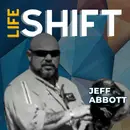
Flight paramedic Jeff Abbott spent 25 years not cracking. Then a helicopter crash took his friend and everything changed. A raw story about grief, anger, and healing.


 Goodpods
  Podchaser
  PocketCasts
  RSS Feed
 Key Takeaways
- Jeff Abbott shares his powerful perspective on first responder mental health, drawing from over 25 years in emergency medicine and critical care flight paramedic work.
- The conversation explores the devastating April 2022 helicopter crash that claimed the life of his friend and pilot Jim, and the profound grief that followed.
- Abbott discusses the hidden cost of EMS culture, where dark humor and the pressure to always stay strong often mask deep-seated trauma and burnout.
- Listeners learn about the recovery process, including modalities like EMDR therapy, breathwork, and finding unexpected peace through simple grounding techniques.
- Abbott highlights the journey of writing his memoir, Built For This: A Paramedic's Reckoning, and the importance of tearing down the wall of false self-acceptance.
Maybe you know what it is to be the steady one. The person who shows up, holds it together, and makes sure everyone else is okay before anyone thinks to ask about you. Jeff Abbott has been that person for more than 25 years in emergency medicine, most recently as a Critical Care Flight Paramedic and base manager.
On April 26th, 2022, his friend and pilot Jim died in a helicopter crash. Jeff responded to the scene in another aircraft, kept his people together all day, and then went home and broke down in his wife's arms. What followed was eighteen months of anger he couldn't name, nightmares he couldn't shake, and a slow realization that being built for this work didn't make him immune to what it carries.
This is a conversation about what happens inside the people who show up when everyone else needs help. We talk about EMS culture, dark humor, and the quiet cost of never asking for anything in return. We talk about Boulder Crest, EMDR, breathwork, and watching chickens until his nervous system remembered what calm felt like. And we talk about a book Jeff started 25 years ago, found in an old email, and finally finished because it was time. He tells it plainly, the way someone does once they've set some of the weight down.
What You'll Hear
- Growing up in blue collar Buffalo, a military dream cut short by a knee injury, and 25 years in EMS
- The April 2022 helicopter crash that killed his friend and pilot Jim
- Eighteen months of anger as the mask that fear and shame wear
- Boulder Crest, EMDR therapy, breathwork, and watching chickens
- Why self acceptance is the wall that has to come down
- The book he started 25 years ago and finally finished
Guest Bio
Jeff Abbott is a Critical Care Flight Paramedic, author, and speaker with more than 25 years in emergency medicine. His career has taken him from ground EMS to critical care and flight medicine, where functioning calmly in chaos became both a skill and part of his identity. He is the author of Built For This: A Paramedic's Reckoning, a candid memoir about EMS culture, dark humor, camaraderie, loss, and what happens when being able to keep functioning is mistaken for being unaffected by the work.
paramedicabbott.com
Book: Built For This: A Paramedic's Reckoning
Listen and follow: www.thelifeshiftpodcast.com/follow
Subscribe to the newsletter: https://thelifeshiftpodcast.beehiiv.com/
first responder mental health, paramedic PTSD, grief and anger, asking for help, EMS culture, flight paramedic, trauma recovery, Boulder Crest retreat, EMDR therapy, losing a friend
You Might Also Like:
- Anger: The Drink I Never Stopped Drinking
- Part of Me Died That Day: Learning to Live After the Worst Day of Your Life
- Identity: More Than the Thing You're Known For
Jeff's Energy Portrait
Episode Playlist
Learn more about your ad choices. Visit megaphone.fm/adchoices
Frequently Asked Questions
Who is Jeff Abbott?
Jeff Abbott is a critical care flight paramedic, author, and speaker with more than 25 years of experience in emergency medicine. He is also the author of the memoir Built For This: A Paramedic's Reckoning.
What inspired Jeff Abbott to write his book?
Jeff Abbott finally finished a book he originally started 25 years ago, finding an old draft in his email after processing the trauma and loss from a fatal helicopter crash.
What mental health resources and therapies helped Jeff Abbott recover?
Jeff Abbott utilized several healing modalities during his recovery, including EMDR therapy, breathwork, attending the Boulder Crest retreat, and practicing nervous system regulation.
Matt Gilhooly (00:00)
For 27 years, Jeff has been the guy who runs toward the thing everyone else runs from. Paramedic, flight medic, swap medic, out of Buffalo. He always believed he was built for it, and for a long time he was. Then in April of 2022, a helicopter went down and his friend and pilot Jim was gone. And something in Jeff started to crack open that he couldn't push back down. This is a conversation about what happens when the person who holds everyone else together finally lets himself fall apart.
and how learning to ask for help became the thing that put him back together.
Jeff (00:32)
It just it just ate at me. Like, what is wrong with me? Just driving to work. I'm I'm like sobbing or you know, just emotional.
Shame that I can't control my emotions. Shame that it's affecting me the way it is. Shame that I that, you know, I'm looking to my boys for comfort and I can't do it myself.
Matt Gilhooly (01:22)
Hello everyone, welcome to the Life Shift Podcast. I am here with Jeff. Hello, Jeff.
Jeff (01:26)
Hey Matt, how's it going? Thanks for having me.
Matt Gilhooly (01:28)
Yeah, of course. It is it is going well. And for those of you not watching the video, I really like your shirt. It says shift happens, which I don't know if you plan that.
Jeff (01:39)
No, it's well, I kinda did, but it's from a place I've been that I can I'll get into later on. that kinda helped me along my way.
Matt Gilhooly (01:46)
Nice. Yeah, it you know, this journey with the life shift has allowed me to hear so many stories and so many stories of things that I listen to and I'm like, I don't know how anyone
can move forward through that. And yet somehow, and I I put a caveat to this, if we're lucky enough to be able to do
some kind of work or take the next step forward, the human spirit is so resilient that somehow so many people
Jeff (02:18)
Absolutely.
Matt Gilhooly (02:20)
but some people can't find that. And you know, I want to honor that as well because it is a hard journey when shift happens to you, especially if it's a tragedy
Jeff (02:30)
It is.
Matt Gilhooly (02:31)
or something really hard.
Jeff (02:32)
Right.
Matt Gilhooly (02:32)
Which I know
yours is a is a hard moment.
Jeff (02:36)
It's it's amazing just doing the job I I do and seeing the things I've seen. And then, you know, all people always ask what's the worst thing you've seen. And like I my joke being from Buffalo is people you eating their wings with ranch. That's how I use to diffuse it. But tip typically just I've seen a lot of crate miracles and and crazy things happen and then just good outcomes that follow it as well. So it's not just one sided.
Matt Gilhooly (02:59)
Yeah.
Yeah. So well actually let's let's find out a little bit more about you before we get deep into your story. But who is Jeff in twenty twenty six? Like how do you show up in the world? How do you identify these days? And however you want to answer that is good with me.
Jeff (03:16)
So I'm fifty-one years old. I grew up in in the riverside section of Buffalo, which was a blue collar rust belt area, but back then it really wasn't rust belt. we went from poverty or from middle class to poverty and months after my dad lost his job at a couple mills. and it was it was a struggle. I mean, I didn't know it then. I mean kids don't know it, but
was
a hard working neighborhood. I watched my dad work two, three jobs my whole life. My mother raised us. I'm the oldest of five. And I also had an uncle that lived with us our whole lives who would pro be deemed high functioning MR these days or autistic. he was always there. We had a big family, very close family. after I graduated high school, I I wanted to be military pretty much my whole life and then had a knee injury.
Matt Gilhooly (04:02)
Really? Do you know why?
Jeff (04:04)
No, it was just my grandfathers both did, both World War Two vets.
I was always drawn to law enforcement. growing up watching chips and then
Matt Gilhooly (04:12)
Yeah. Did
yeah, I first I just wanna ask, you had a big family and a lot of people around you. Did it was it a was it a good life that you felt as a child growing up? Okay.
Jeff (04:20)
Yeah, yeah. I mean it was crazy.
It was crazy, which kind of plays into my career choice, but it w it was crazy. I mean, five kids, neighborhood kids, my cousins were always over, and I was we were close with my aunts and uncles and it was just a big big family. but then when I graduated high school I I joined the air force and had a knee injury which kind of threw me back at the time and and honestly for twenty years I didn't realize the effect it had on me. because I I had no backup plan. came
home
Matt Gilhooly (04:48)
Killed your dream.
Jeff (04:48)
Partied
my ass off. Yeah. Partied my ass off. I mean, it was the early mid early to late nineties. I just partied my ass off.
Matt Gilhooly (04:57)
Well, I mean, how old were you?
Twenty something? You're supposed to. I think the that's what you're supposed to do.
Jeff (05:00)
Nineteen, eighteen. I mean you're right, exactly.
That's it's a blue coll it's Buffalo. That's what we say. It's a it's a s it's a drinking town with a sports problem. So
Matt Gilhooly (05:10)
But I feel
like that's what I mean, the average American at eighteen goes to college and that's what they do too. So good for you. Yeah.
Jeff (05:14)
Yeah. Yep. That's the experience. Military just
as bad. But I came home, started moving pianos and furniture and then like I said, I was always drawn to law enforcement. So I think it was ninety six or ninety seven. I got I went out to Los Angeles and got doing the indoc process to get hired by the sheriffs and I just I hated L A. Couldn't live in a big city. And
Matt Gilhooly (05:38)
Quite different.
Jeff (05:39)
came back home and got my EMT, figuring it might help me
get on the job as a as a police officer and started working in ambulance and that was it. Like I was in it, became a paramedic within a year and know, worked worked the streets for the east side of Buffalo and the North Towns for ten, almost eleven years. Had a bad knee injury and was off for a year and I started writing my stories down. Didn't think anything of it. Just home with nothing to do. no job, you know.
couldn't
really work. So I just started writing all the absurd stuff and serious stuff that I had seen in the decade I've been doing the job and then went back to work and a buddy of mine, one of my old partners was a copper down in Fairfax, Virginia, started contracting in Iraq and he's like, Hey, they need medics in Afghanistan, you wanna go? And I was like, Yep. So I went and did a contract in Afghanistan. So it was my own little personal redemption in the military. But
Matt Gilhooly (06:36)
Right. Was it considered part
of the military, or as a contractor, technically?
Jeff (06:39)
No, I mean it was a
defense contractor, but it was a department of state contract. Nothing, nothing really bad at all. The dip
Matt Gilhooly (06:44)
Got it. Yeah. But did it feel
but it did it feel like that redemption in a way? Okay.
Jeff (06:50)
Yeah, to a certain degree. To a certain
degree, yeah. And then came home and got picked up as a SWAT and flight medic and I'm still doing that to this day. So that was two thousand
Matt Gilhooly (07:00)
Wow. Yeah, you've seen a lot.
Jeff (07:02)
twelve. Yeah. And so yeah, that's me today. And back to me starting writing that book. I picked it up just before Christmas. I found it in an old email. Totally forgot I had it. And it's been there was a slow winter for flying around here the last couple of years.
I finished my book and you know, the story I'm in August of or I'm sorry, April, April twenty sixth of twenty-two. we had a helicopter crash and my my friend and pilot Jim died. So that kind of messed with me and I didn't know it at the time. Like, you know, I I wrote the book, I named it Built for This because I just thought I was built for it the whole time and
When you're young you don't notice the the toll the job takes on you in life. And then it it always takes it's just one thing that'll put you over the edge. And for me that was and there was a it was a slow smouldering decline for me until I just
Matt Gilhooly (07:57)
So
Jeff (07:57)
had to face it eventually.
Matt Gilhooly (07:59)
well, you don't have to, but you chose to, and that's a good thing. That's a you know, I think there's
Jeff (08:02)
Yeah, yeah, well that's true. Yeah. Yeah.
Matt Gilhooly (08:05)
a lot of people that can't face it and worse things can happen. So thank
Jeff (08:09)
Mm-hmm.
Matt Gilhooly (08:10)
you for for sharing that and giving us that context. And I'm assuming the the moment that you just mentioned is probably one of the largest life shift moments for you that kind of triggered a newer version of you. But
Jeff (08:21)
That was yeah.
Yeah.
Matt Gilhooly (08:24)
before we get into that, I was curious about when you found that draft before you started writing again. Was it fascinating to read and and see the younger version of yourself and how you told these stories?
Jeff (08:35)
Yeah. Yeah,
it's funny you say that, Matt, because I I look back and anybody in in in emergency services will tell you that you know, that they don't they have calls, they don't remember And it's like I'm reading these stories and and I'm like, Who the hell who was my partner that day? And I'm like laughing and most of it was absurd and hilarious stuff. Stuff we got away with back, you know, twenty five years ago that we would never get away with nowadays. And
it was just it was it was hilarity and that there was the serious stuff that
I
look back at my younger years and looking looking at how the serious calls affected me back
then and how different I'd approach now. So it's like you notice the maturation process and it it's evident in front of you at that point in time when you when when you're in retrospect, right?
Matt Gilhooly (09:20)
It's I mean, how to me I think of that as like such a blessing that you were able to write it down one, but then go back and see that
Jeff (09:28)
Mm-hmm.
Matt Gilhooly (09:29)
that growth that, you know, and and who you were back then. A lot of us don't have that or we we haven't taken the time in the moment back when to be able to then reflect on it years later. You know? Yeah.
Jeff (09:42)
Right, right. It it's trying
to trying to recollect those calls and it's it was like it was it was profound and it was hilarious at the same time. 'Cause it's amazing how much you forget.
Matt Gilhooly (09:52)
But it must have given you yeah,
and it must have given you some fuel to want to
Jeff (09:57)
Yeah.
Matt Gilhooly (09:57)
continue writing and put this together in something that maybe could be valuable to other people. Did you set out to
Jeff (10:02)
Yeah and
Matt Gilhooly (10:03)
actually make it a book or did you set out to do it for yourself?
Jeff (10:05)
I d no,
back then it was just let's write these down.
Matt Gilhooly (10:10)
Okay.
Jeff (10:10)
I actually thought maybe it you know, my boys were very little at the time. And I was like, maybe when I'm done with the job I'll I'll read these to them or my grandkids and tell about the old days on the ambulance. But I never really thought, quite honestly, I never thought I'd make it. I'm on my twenty seventh year this year as an EMS and I never thought I'd last this long. I tried multiple times to leave, but it's it's kinda like the mob, it drags you back in.
Matt Gilhooly (10:33)
Well, I mean the good part of it is that you're helping people and saving lives and
Jeff (10:37)
Yeah. Yeah.
Matt Gilhooly (10:39)
doing things that matter to a lot of other people beyond the victim or the person that you're helping.
Jeff (10:44)
Mm-hmm.
Matt Gilhooly (10:44)
So I think there's there's a good thing that it keeps pulling you back. I'm sorry it feels like the mob dragging you back. But yeah. No, I think
Jeff (10:49)
Nah. That's just that's just the joking.
Matt Gilhooly (10:54)
I think it's just
I don't know. I think there is something really valuable about being able to see the younger version of yourself in what you were doing. If I if I equate my own experience to that, when my mom died when I was eight, everyone around me kind of didn't know what to do. So I just assumed that I had to show them I was okay, which meant
that I had to show them that I was perfect, which meant if I wasn't perfect, everyone that I loved, everyone else that I loved would also leave. Because when you're eight,
Someone dying is like abandonment. So I yeah, and yeah. And so I assumed
Jeff (11:24)
Yeah, I it happened with me. With my grandfather, I get it. At the same age.
Matt Gilhooly (11:30)
I assumed that role, but at some point, maybe like when I was like 16, I started writing about how I felt about it, which was a long distance in between. and it was
and if I look back now, it was so carefully curated the things that I wrote to really define a certain emotion that I thought people needed to see from me.
And so as I've now I'm forty five and kind of write about this experience and failing at grief for twenty plus years in a in a different perspective. But it's so
interesting
Jeff (12:03)
Mm-hmm.
Matt Gilhooly (12:03)
to look at those early days and go, Wow, I have come a long way.
Jeff (12:08)
Yeah, exactly. And you're still trying to fit in that box, right? Like I I look back and it's like especially with the writing and it's I look back at my I and I can remember the mentality and what I wanted to be and how I wanted people to perceive me, which was the big point of this book was I always thought I had to to fit this certain mold to be to be who I am in the industry and looked up to and you know, proficient and and and solid to do the job.
Matt Gilhooly (12:35)
Yeah. Did you have to be? Did you d learn that you didn't quite have to be?
Jeff (12:40)
Eventually, yeah. I mean back then twenty five years ago we didn't we didn't talk about this stuff. This shit was taboo to talk about. You didn't talk about your feelings. Made made you weak. right.
Matt Gilhooly (12:46)
Yeah. Yeah, no. Guys weren't allowed. Yep. Nor were kids with dead parents.
Jeff (12:54)
Right. Right. Right. Exactly.
Matt Gilhooly (12:56)
Couldn't talk about it. Yeah.
Yeah. Well, anyway, I I think there is a lot to be said about that and what the expectations we took on from society to show up in the way that we thought everyone needed to see us. And so I'm thinking of you in this career, you're building this career, you're creating friends, coworkers that probably because you're of the things you're doing are do they feel like family at some point? Do they Okay.
Jeff (13:23)
absolutely. I mean
it it it's probably the biggest point in the book is what I've realized i in retrospect and looking back at this, I I've always been blessed with great partners and huge a huge circle of friends, like close with a lot of people that I I say it all the time. Like I have a umpteenth list of people that I could call and they would they would show up at the drop of a hat. And that's that's the value of this job or anyone, you know that
done been in combat, the anyone in the military will tell you that it's not so much about doing the job, it's about the people around you. Professional athletes will tell you that, law enforcement, firefighters. It it's all about the person next to you.
Matt Gilhooly (14:05)
And do you find that this is very ignorant of me asking this, but is in those relationships, do you find you can fully share? Or is it still okay? Okay. So it's not like, I'm look how tough I am, but you could be vulnerable and it would be okay.
Jeff (14:15)
Nowadays, no, nowadays absolutely. No. Nope. Yeah.
The shift. And actually I started opening up after after our our Sentinel event, people people were coming up to me and they're like, Look, I really appreciate a guy of of of your tenure talking about this and your experience talking about this 'cause
People need to hear it from guys like you. And it was like, you know, I just kinda blew it off at first and I was like, I are they just blowing smoke or what? But I've heard it time and time
again.
Matt Gilhooly (14:49)
Yeah.
Yeah. You think of those younger people and that's where it starts, where you start bottling all that up. And how healthy is that, you know, by the it's not. These are all rhetorical questions, really, you know. I it it
Jeff (14:58)
I mean cramming it down.
Matt Gilhooly (15:04)
'cause you and I have found the space where, you know, like we can probably show up more ourselves than we ever did earlier in our careers.
Jeff (15:14)
And the really endearing thing and and optimistic thing is the younger generation, they're in tune with their feelings and and and they're okay saying it and talking about it and and going that extra step to make sure that they're taken care of. And, you know, today's society we always say the younger generation is a lot different and w whatever adjective you want to hand it to But
I I give a lot of credit 'cause because they prioritize themselves to a certain degree, where guys of our generation, like you worked yourself silly, you paid your bills, you did what you had to do and
And you moved on where we didn't realize the cost that it took from us as well.
Matt Gilhooly (15:49)
No, we just followed the checklist and we thought the next check on the list was gonna be the one that made us happy and it wasn't. We just keep going.
Jeff (15:55)
Yep. Yep. And the next depot the
next deposit, the next vehicle, whatever it is, the next beer, it none of it does.
Matt Gilhooly (15:59)
Yep. Yep. And now and
you're right. Now they're a lot I mean it they're not necessarily selfish. They just put themselves first in a lot of situations to take care of themselves, which I think is is admirable. And I kind of think of the
Jeff (16:13)
Absolutely.
Matt Gilhooly (16:14)
younger version of myself. I'm like, damn, I wish I could have done that. So
Jeff (16:18)
Yeah. Why
didn't I take care of myself instead of going out and getting hammered every night, right?
Matt Gilhooly (16:21)
Yeah.
So my question about this kind of feeling like family was leading up to this this pivotal moment that kind of triggered the rest of what comes. was this individual very cl you were you said you were partners, right? And and so you
Jeff (16:36)
Yeah. Mm-hmm.
Matt Gilhooly (16:37)
were pretty close?
Jeff (16:39)
Mm-hmm. Yeah, I mean
he was my normal Tuesday, Thursday partner. every other Tuesday, Thursday plots to do a seven-day on, seven-day off rotation where we do a two-week hit we call it a hitch or rotation.
Matt Gilhooly (16:52)
Yeah.
Jeff (16:52)
so we rotate through pilots, but Jim was Jim was just one of a kind. nobody did not like him.
Matt Gilhooly (16:58)
And was this situation or were this shift where the actual work shift was this one that you were supposed to be part of or?
Jeff (17:07)
yeah, I was was there. I was yeah, they went they went and did a a train
Matt Gilhooly (17:08)
You were with him. Okay. So what happened?
Jeff (17:12)
they went and did a training flight. My partner Joy and I had to respond in another helicopter to the scene.
Matt Gilhooly (17:19)
Okay, so you were part of this in a way, in a very close way.
Jeff (17:22)
Yeah. Yeah. And so is a so was
our gr right. And so was our ground units. one of my oldest friends that I went to medic school was the first medic on scene. And so I mean it was it hit all of us. It it affected the whole company, the whole area. Because
I mean,
Matt Gilhooly (17:37)
Mm-hmm.
Jeff (17:37)
you know, the we work with the fire department, we work with the sheriff's department, the police departments, you know, we work with everybody and you know, they everybody
Matt Gilhooly (17:45)
Yeah.
Jeff (17:45)
knew
Matt Gilhooly (17:46)
Yeah. So for you, when this happens, do you do you go into work mode? Do you break down well like what is what does
Jeff (17:53)
Yeah, yeah.
Matt Gilhooly (17:55)
Jeff do when this happens?
Jeff (17:56)
So I mean there was nothing we could do, so we had to return. obviously helicopters falling out of the sky are fatal. we just returned and I'm the base manager, so people just started showing up and I was just like, I gotta be there for my people. I gotta be there for my people. And I I carried this on all day, exhaustingly, stayed there and then you know, went home and broke down in my wife's arms. And then we had to do a stress debrief at work two days later.
And you know, the the anger, like for me it was anger that that set in. But and I've learned anger is the mask that fear shame wear. and I wore it I wore it for a year and a half.
Matt Gilhooly (18:37)
really?
Jeff (18:38)
Yeah, it was it was a slow like I said, it was a slow burn of just festering anger. you know.
Matt Gilhooly (18:43)
Could you pinpoint
that anger? Like was it like what were you t yeah.
Jeff (18:47)
There it's multifaceted.
A it was anger, my friend was dead. You have no answers on how you don't get it's not like a car cra crash where, you know, Billy Bob ran the red light and we know how this accident happened.
Matt Gilhooly (18:59)
Great.
Jeff (19:00)
We for two years we didn't know how this accident happened. so
Matt Gilhooly (19:02)
wow. So that's frustrating. Yeah.
Jeff (19:04)
that was, you know and then you know, there's then you gotta have to deal with like the family, like our families. I don't say that our families, you know, worrying about us.
worrying about each other or the coworkers worrying about each other, but to pinpoint it. the anger, obviously other than the accident, was just internal at myself and why am I falling apart the way I am? And like I I don't crack. Like that's what a that's my job. And that that's pretty much what
Matt Gilhooly (19:33)
Hm.
Jeff (19:33)
I explained through most of the book. and it it
It just it just ate at me. Like, what is wrong with me? Just driving to work. I'm I'm like sobbing or you know, just just emotional. Yeah. Right.
Matt Gilhooly (19:43)
It's like a shame. It's an unnecessary shame, but shame nonetheless.
Jeff (19:48)
Shame that I can't control my emotions. Shame that it's affecting me the way it is. Shame that I that, you know, I'm looking to my boys for comfort and I can't do it myself. And know, shame that I'm drinking my I'm I I went right back to drinking. I mean,
Matt Gilhooly (20:01)
Mm.
Jeff (20:01)
I never really stopped, let's be honest here. I just I drank.
And I drank and I drank and
no, no.
Matt Gilhooly (20:07)
Did it help? Okay.
Jeff (20:09)
It wasn't a party. And the sad part was is I owned a bar at the time, so it made it even easier. And you know, my best friend and I owned a bar and just I'm in a bar, I could drink. I could mask it. And if I wasn't working, you know, I was drinking and still operating, still still being the flight medic, being, you know, being a paramedic and a dad and a husband and
It just you try masking it and you can't. No matter what you do.
Matt Gilhooly (20:34)
Well, you can for a little
bit, but that's about it. Yeah.
Jeff (20:37)
And that was the and that was like like the Jim's death, yeah, was a catalyst, but as I got help and moved on and learned, it was more than just that, it was the jobs and a few months after the crash I had taken a a nasty call and for like I couldn't get out of bed for three days. What the hell's wrong with you, dude? Like get your ass out of bed, like it's your job. You chose this, you this is what you signed up for, let's go. Let's medic up and
Matt Gilhooly (21:02)
You got cracked open with the loss of Jim and it's like, it saw the light.
Jeff (21:04)
Yeah. Mm-hmm. And then and then calls started
calls started old calls started popping up in my head and things
Matt Gilhooly (21:12)
Mm.
Jeff (21:12)
I haven't thought of in years started resurfacing. And you know, once you get in therapy and you start learning how your mind actually acts and your body actually acts with stress and and
Matt Gilhooly (21:23)
Yeah.
Jeff (21:23)
trauma and and and all the the facets of life that we don't really process at the time or know how to process. I mean
Matt Gilhooly (21:31)
Or we
just push it down
the feelings down or we compartmentalize. And I can imagine someone in your job, you see such terrible, horrible things that you wouldn't want to carry with you. So I'm sure there was some compartmentalizing. And then but
Jeff (21:47)
yeah, we're built for that's what we're built to do. We're taught to do it.
Matt Gilhooly (21:51)
then you go to therapy and you're and everything floods out and you're like, Whoa, whoa.
Jeff (21:55)
Yeah.
And even even finding I got to the point, Matt, where I was so desperate for help, like I didn't know what to do and I just wanted a therapist and finding a therapist is like it's like finding a a a a mate. Like it it's not cookie cutter. And I'd sit in front of a couple and and if they just didn't understand my job or what we see and what we do, it's like I couldn't connect. And until I found my therapist, Denise, I mean, she was a lifesaver. I mean
She dealt with combat stress in the military and she deals with law enforcement and you know, first responders and understood like she she got me within thirty seconds, like just talking to her. Like he she just knew and I could open up to her and actually she could understand what I was saying instead of just saying, but that's okay. And again, like they're professional and compassionate and and and and great people. They just they didn't get it.
Matt Gilhooly (22:48)
Yeah. No, I think that's a really important thing for people that haven't sought out therapy just yet, is that it is a journey. It is something
Jeff (22:58)
Mm-hmm.
Matt Gilhooly (22:58)
where I mean you might get lucky and the first person you meet is someone that feels right. But I would bet that most people have to try a few different therapists to really find the one that works. Like for me, it was five. I went through five people.
And the one that finally helped me, if you were to like be like, look at her on paper, you'd be like, that is not someone that Matt is gonna, that's not gonna work. And
it that's exactly what I needed because she cut through whatever things I needed her to cut through for me to like get it. and it I think I think funny enough for me, it was like less coddling, like
There were the earlier ones were more softer. And she was just like, Are you gonna die? Like, you know, whatever I was worried about. And I was like, Well, no, but
Jeff (23:52)
Did you die?
Matt Gilhooly (23:54)
but no, you know, so it was a really, you know, it's really helpful. But I think it's really important to to tell people that it's not a, you know, like you said, it's not a cookie cutter kind of thing. It's not like
Jeff (24:05)
Mm-hmm.
Matt Gilhooly (24:05)
look in the on the internet and you pick one and it's gonna be sunshine and rainbows after that.
You might have to choose a few to find the one that feels right for you and that understands your particular circumstances in the way that you need
Jeff (24:16)
Right.
Matt Gilhooly (24:17)
them to.
Jeff (24:18)
And and I think you kind of referenced it, deliver the message the way you need, not the way her previous client or their previous client or the client two hours from now can needs it delivered. Everybody's different.
Matt Gilhooly (24:28)
Yeah, yeah. No, so good for you for continuing on. And I I can imagine with all that stuff that you probably had pushed down, did you want to quit when things started flowing back up? Or do were you like, I just need it so
Jeff (24:43)
No, 'cause
Matt Gilhooly (24:44)
bad?
Jeff (24:44)
at at that point I was so desperate. Like I was I was so tired of spinning my wheels. I wasn't sleeping. the nightmares were terrible. my wife's like you'd wake up screaming, it just I'd I'd have panic attacks and like we have a place in Cabo, she'd be sleeping, I'd be pacing. It just it was it was terrible. Like I I wouldn't wish it on my worst enemy. In all the years of you know, taking people that call nine one one for panic attacks, you know
Or like, yeah, come on, man. Like you said, are but are you dying? No. You know, it's just kind of I don't want to say apathetic, but it's just routine run of the mill call. But now it's like, I don't wish it on my worst enemy.
Matt Gilhooly (25:20)
Yeah. I know I'm jumping here, but does all
Jeff (25:23)
No, it's fine.
Matt Gilhooly (25:24)
what you were going like all that experience of the nightmares, the panic attacks, the things like that, does it make you better at your job now that you can understand it or does it make it harder because
Jeff (25:35)
Yeah.
Matt Gilhooly (25:35)
you're more empathetic?
Jeff (25:37)
Yeah, 'cause that no, I it makes it easier. It's
Matt Gilhooly (25:39)
Okay.
Jeff (25:39)
doing this job is a lot easier when you have empathy because you don't have any biases when you're empathetic or or minimal biases. When I first started in the business, I always had a soft spot. Again, I'm fifty one, so I started in late nineties, early two thousands. You know, you still had a good good amount of homeless Vietnam vets, and I always had a soft spot for Vietnam vets. I mean, I my family I've
My uncles were Vietnam vets, so like I it was always different. It wasn't like dealing with the typical homelessness
Matt Gilhooly (26:09)
Mm-hmm.
Jeff (26:09)
issue. I mean, 'cause quite honestly, Matt, like people will call nine one one for the stupidest reasons because they need to ride downtown or they just don't want to be where they are. You know, and that's frustrating when you're working in a system that's just nonstop and it taxes you. And
Matt Gilhooly (26:25)
Mm-hmm.
Jeff (26:25)
we found that out through COVID too.
how you can have empathy fatigue or compassion fatigue. It is real. And when you have true empathy, it's it makes the job worth it too. That's the other part of it. That there's the rewarding part of it. so yeah, I I didn't find it to be a hindrance on my job or how I did my
Matt Gilhooly (26:44)
Okay.
Jeff (26:45)
job.
Matt Gilhooly (26:45)
Yeah. I would I I don't know. Like it like it I could see how having that empathy would make it harder too. Just because
Jeff (26:53)
absolutely.
Matt Gilhooly (26:54)
you'd want to spend more time with this person doing this and then, you know, you gotta rush to the next thing.
Jeff (26:57)
Yeah. Or it stops you
from or it stops you from doing your job. I mean, a lot of a lot of stuff we see and do, you can't you can't stop and think. You
Matt Gilhooly (27:08)
Yeah.
Jeff (27:08)
you just have to react and treat. And then pivot again and treat again. you can't you can't do it. And
Matt Gilhooly (27:14)
Yeah.
Jeff (27:15)
I've seen it we've anybody with any time in this business have seen the new hires or the the students come through that just freeze. And
Matt Gilhooly (27:22)
Mm-hmm.
Jeff (27:22)
they're just they're just not they just can't do the job and there's nothing wrong with that because it
It take it takes a lot of self-control and awareness to be able to function in those environments and not not to spin out of control. Look at we're all we call it the pucker factor. Like everyone's gonna have the pucker factor. You have to have the pucker factor, but you can't stay in the pucker factor. You
Matt Gilhooly (27:42)
Hmm.
Jeff (27:43)
have to move on from it.
Matt Gilhooly (27:44)
Yeah. A lot of what you're saying is very reminiscent of growing up. My grandfather was well, first he was in the Navy and then his what his career was after that was a firefighter. And he did it for 35
Jeff (27:57)
Yeah.
Matt Gilhooly (27:58)
plus years. So like pretty much all of my life, I knew him as a firefighter until, you know, and obviously until he had to retire because he was too old for it.
And all the stories he would tell and the documentation that he would do and the books he would write and the things about all the things you're talking about, about the the family nature of the people you're working with, about the stories and the wild things that you guys did
and probably wouldn't get away with these days. the yeah, and the crazy,
Jeff (28:24)
yeah. I can imagine.
Matt Gilhooly (28:27)
you know, fires and helping people and all the things that come along with his life and sounds it's very reminiscent of of
you know, what he would share with me, what you're saying right now. And I can imagine that. But,
Jeff (28:39)
it mirrors it. Mirrors it. It mirrors it.
Matt Gilhooly (28:42)
but his generation, he never he pushed everything down and it was blocked, right? Like he was never going to release any of that. Whereas you now were kind of forced to, right? Because something so major that you couldn't push down cracked you open. How long was that period from
when the accident occurred to when you s like were like, I have to find help.
Jeff (29:12)
So it was just over a year.
Matt Gilhooly (29:13)
Okay.
Jeff (29:14)
I we had actually dedicated the new air the replacement aircraft to Jim and I gave this speech. Jim's son, Josh and I had gone out after and I was actually referred to by my buddy Rich, who brought me over to Afghanistan and hooked me up with that gig. kept saying, Go get a hold of this Boulder Crest place, get a hold of Boulder Crest and I'm like, whatever I
It's a place for combat vets and first responders. It's a retreat, a PTSD retreat. And I'm like,
Matt Gilhooly (29:39)
Okay.
Jeff (29:40)
I don't need this. I don't need this. And I finally did. I was like, you know what? know, I've been back and forth with a good friend Essie on this stuff and rich Rich and Essie were really my two sounding boards along the along this whole path here. And Rich is just like do it, and I did it. So I went away to the Poconos. So the day we were sorry I digressed. the day we dedicated that ship to Jim.
Josh and I were out and I got a call from Boulder Crest and they like, Hey, can you be in in northeast Pennsylvania tomorrow or tomorrow morning? So I called my boss, so and I went and it was a week long and that was like the first treatment I had. And it was it didn't fix anything, but it made me a lot made me aware of a lot of stuff I wasn't paying attention to,
Matt Gilhooly (30:20)
Mm.
Jeff (30:21)
like how my behavior and how the shift in my mentality and and everything that I was going through was affecting everyone around me. But that was it was jet then, but
It just kinda made me cognizant, but it didn't fix anything. And then a year later, almost a year later, I had just hit my breaking point 'cause I was still drinking.
is still just running ragged. And and again, I had owned a bar at a time. I was still a full time flight medic. I had three teenage boys that I was ferrying back and forth to football and lacrosse and whatever school stuff they had and going showing up and you know.
the active social life doing stuff with my wife and it was just running I just I was burning the candle at both ends and drinking and the every time I wasn't at work and I just couldn't take it anymore and then I had I'd had a pretty bad panic attack that lasted days and I called Rich and Rich was like, Let me see if I can get you into my therapist and he once I started with Denise pro so probably a two just over two years later was when it really started once once I saw started therapy like
I got on I got on the path I'm on. The the healing path I'm on.
Matt Gilhooly (31:29)
Yeah, which was not quick, I'm sure.
Jeff (31:31)
No, no, and it you know, it took it took months. But I can tell you this, after the first first couple, because I started going like every day or every week, and after each appointment, I felt better and better. And EMDR was a big big portion of it
Matt Gilhooly (31:47)
Hm, I've heard.
Jeff (31:48)
as well. like it they we all joke, it's it sounds like voodoo magic and it feels like voodoo magic, but I had actually was able to sleep.
Which I wasn't able to do.
Matt Gilhooly (31:57)
Hm. Probably felt like a different person after a while.
Jeff (32:01)
yeah, and like at Boulder Crest, when I was at Boulder Crest they taught us transcendental meditation and breath work and that that like that's what really has helped me. I still do it daily. meditation and breath work and then the therapy on top of it, you know, covering two years, just over two years after after the crash.
Matt Gilhooly (32:21)
Could you imagine like fifteen year ago, Jeff talking about transcendental meditation
Jeff (32:25)
Meditation? No.
Matt Gilhooly (32:27)
and breath breath work and I mean, even just the general public wasn't really talking about that back then. And now
Jeff (32:33)
No.
Matt Gilhooly (32:33)
it seems to be way more mainstream and people are not I think back then it would have been, I'm I don't want to tell anyone because people are gonna think I'm this or that. Yeah. And now it's like,
Jeff (32:42)
Not. Yeah, yeah. They would think you're not.
Matt Gilhooly (32:45)
yeah, and now it's like this worked for me. And if it doesn't work for me for you, cool.
But it worked for me and I believe in it and I'm gonna do it.
Jeff (32:53)
And I think there's been a societal shift in in
Matt Gilhooly (32:55)
Think so.
Jeff (32:56)
in meta in medicine and I think COVID accelerated that, you know.
Matt Gilhooly (32:59)
Yeah. Yeah.
Jeff (33:00)
and and people, you know, with with with the internet and the flow of information, albeit good or bad, truthful or not truthful, it's still out there. And if you find something that works for you and it don't harm anybody else, hey, all the power to you, brother or sister.
Matt Gilhooly (33:12)
Yeah.
During this experience of the hard part, before you sought out help, if you talked to your wife or your kids now, would they say that it was affecting them or were you to them showing up as a normal
Jeff (33:28)
yeah. No,
that everyone around me knew I was full of shit. I
Matt Gilhooly (33:33)
Okay.
Jeff (33:33)
mean I thought I thought I was covering it up at work and and I talked to one of my buddies, Jim at one of my partners there, and he's like, Yeah, dude, we knew it was obvious. And I'm like, of you guys said anything to me. Like you couldn't say something. And like that was part of the anger too, was that like like it felt like nobody wanted to sit in the moment and realize immediately like like Jim's dead, dude. Like
You guys are just moving on like nothing's happened. And like I kept wanting to build memorials and stuff, but then I wouldn't talk about it. And I'm like, none of you guys could drag me aside and say, Hey, get your shit together.
Matt Gilhooly (34:05)
Would you have accepted that?
Jeff (34:07)
Yeah, yeah. Well, yeah, for my coworkers, yeah.
Matt Gilhooly (34:10)
Okay.
I think some people are afraid well, one, we're not taught how to confront not confront, but talk to others about our caring nature and we're worried about people because we always think we have to have the solution. And so therefore we just don't talk about it.
Jeff (34:26)
Right. But in the air industry is different because like we debrief everything, every flight.
Matt Gilhooly (34:30)
Okay, fair.
Jeff (34:32)
Like to me, I looked at it like that. I was like, why didn't you guys just debrief it with me? Like like you're walking around the base like a a a Grinch. Are you okay? And like
Matt Gilhooly (34:40)
Mm-hmm.
Jeff (34:41)
I could talk to a couple of people about it. There were two two pilots and then Joy, my partner that day. And we joke, we're trauma bonded, but you know, it just I and and but that was my own symptomology taking being the symptomology that it was like
Matt Gilhooly (34:54)
Mm.
Jeff (34:55)
I wasn't in the right state of mind. And if I was angry, I mean, look at me. I'm sure that I'm not very approachable or look approachable. So, you know, it just I I look back and I was like, man, and that's the other part too. Like you look back and you have that debrief mindset, you're like, that's right, that's a point where I think I could have pivoted
Matt Gilhooly (35:15)
Mm.
Jeff (35:15)
and been on a better path, just changed my heading just just a degree or two to get me out of that that crummy path, right?
Matt Gilhooly (35:22)
Yeah.
Jeff (35:22)
And and then and then it snowballs into well you should have done it yourself, jerk off. Like you should have been strong enough to do it yourself.
Matt Gilhooly (35:28)
Mm-hmm. Yep.
Jeff (35:30)
it it it it it's it's just it's just snowballs.
Matt Gilhooly (35:32)
It's
yeah, it's a beautiful game that our head plays with us to make things whew.
Jeff (35:37)
Most dangerous place in the world is the eight inches between our ears.
Matt Gilhooly (35:40)
Well, and I I do say that often that, you know, I encourage people to say things out loud or write it down
Jeff (35:45)
Mm-hmm.
Matt Gilhooly (35:45)
or something because it's much scarier in my head when when I'm worried about something or panicking about something. If I say it out loud or I tell somebody, I'm like, well, one, it's out of my head. And two,
Jeff (35:57)
Yeah.
Matt Gilhooly (35:57)
seems much more palatable. Like I feel like I could, you know, I could handle it now.
Jeff (36:02)
Yep. Quantum physics will tell you the minute you acknowledge something, it changes. It changes right then and there. And then
Matt Gilhooly (36:08)
What would y it sounds this
journey has really changed you though.
Jeff (36:13)
totally. Totally.
Matt Gilhooly (36:14)
What's the biggest difference?
Jeff (36:15)
I think it's just taking life as it comes. you can't hold too tight on anything, you can't get too high, you can't get too low. yeah, we we all and you talk about the thoughts in your head. How many how many conversations have you had in your head that never, ever, ever, ever came to be? And that's like ninety five, ninety nine percent of right? Like we create these worlds in our head thinking we have to know how to handle it or know how to or manage an outcome. And they're just it's it's frivolous. It's just wasting energy.
I
think I I heard this I can't remember what it was from. I think it was a movie, but it says it's it's kind of like a rocking chair. It gives you something to do, but it gets you nowhere. Like, what are you gonna do? You're gonna sit there and perseverate over it and
steal the moment? And I think that's I to answer your question, Matt, that's a big one that I I have really, really, really tried to do is just live in the moment
Matt Gilhooly (37:04)
Mm.
Jeff (37:05)
and and not try to, you know, live in the past. You know, pass is for the past is for reference, not residence. And
You can't predict the future. So it's like those those conversations you're never gonna have. Why why
Matt Gilhooly (37:16)
Yeah.
Jeff (37:17)
put too much energy into it?
Matt Gilhooly (37:19)
Well, the way you say it it sounds so easy. It's not really like for most people it's really hard to implement.
Jeff (37:21)
Right. No. No, it's a s
is a struggle. Like I just think about trying to be in the moment. Like I remember one day after I started thinking about it, I got back from Boulder Crest and I'm like, I have chickens and I'm like, just watch the chickens, stupid. And I just sat there and watched the chickens. Like it it it started like snowball that started snowballing. Like I catch myself getting spun up. I just watch the leaves or or find one thing to focus on. And it it literally works. And then you
I incorporate breath work into it and slow, you know, deep belly breathing and it just it changes and the physiology. There's no arguing it, it changes the physiology too and restructures your neural pathways. And there's so much science behind all of what I'm saying. I can't reference this because I'm not that bright, but I've seen I've seen countless
Matt Gilhooly (38:09)
Sound bright.
Jeff (38:09)
studies, countless studies of of all this, the neuroscience,
Matt Gilhooly (38:12)
Yeah.
Jeff (38:14)
and it's it's so readily available now if you want to.
If anyone wants to take the time, just Google it or chat GPT, it'll pop right up and it's it's amazing. And and knowing physiology the way us in the industry know it, like it it's easier to grasp. And for me, you know, the the weird one is the counter to this is I I wanted to try and do a half iron man before COVID and I started swimming. And I'm not a swimmer. and it's funny because I'm trying to build the endurance and I'm swimming and I'm getting out of breath, but in my head
I'm like, I know the physiology, like I I'm not exhaling enough. I'm hypercarbic. Like I'm not trying to breathe too fast. And so I know the physiology and it just sunk my ship. So it's it's a double edged sword.
Matt Gilhooly (38:53)
Mm-hmm. Yep. Yeah.
Do do you find now in this newer headspace, maybe a clearer headspace, are your relationships different now at work or at home or with your children?
Jeff (39:06)
Yeah,
I I don't have time for for frivolous stuff. Like I don't have time for I mean, I always wanted to be the guy that everybody would liked and laughed with. you know, I try to make everyone laugh and I'm the jokester. Now I I don't need those meaningless relationships or the frivolous relationships. I want you know, I want a I want a connection with everybody that it that you know, keep your circle small. But and the same token, you know, treat everyone like a human being and make
Even make the stranger's day, you know, the the random acts of kindness. You still gotta do that stuff 'cause it actually benefits you.
Matt Gilhooly (39:39)
yeah. I would say that it benefits you more than it probably helps the other person. You know?
Jeff (39:44)
Yeah. Yeah. They might not
receive it, but at least you know you held the door for the guy who looked like he was having a crappy day.
Matt Gilhooly (39:50)
Yeah. Yeah, and then also you're you're also living this professional life in which you are required to help people in a way,
Jeff (39:59)
Mm-hmm.
Matt Gilhooly (40:00)
right? And this is it more meaningful for you now. You said yes through the empathy part, but like do you fe does it feel like you're being forced to do it? Are you still enjoying going and okay.
Jeff (40:10)
No, no. And I
I like to think I like to think that I'm I'm still the medic I was. I always was.
I never cared about awards or anything like that. Like as long as people said, Hey, if Abbott's the guy there, that that's who I want treating my family, that's enough of a of an award for me. but the job's the job. Like it does and I think that's the other thing is giving the job too much power over you.
it's a stressful, it's a stressful dynamic environment at baseline. it's the getting too high, getting too low, getting too upset about certain things. And you know, the system the healthcare system's terrible.
Matt Gilhooly (40:44)
Mm-hmm. You've seen it firsthand.
Jeff (40:44)
the nine one one systems,
yeah. The nine one one systems terrible. post COVID, post nine eleven, like it it's just been it's been a rocky career operationally. We sure shit well, I can tell you we sure shit don't
Matt Gilhooly (40:54)
Yeah. And people don't take care of themselves as much in a lot of places. Yeah.
Jeff (41:01)
because especially in EMS, like the pay was always so bad for decades and decades. I mean now it now it's good. but after COVID, like we were
We were running ragged, man. And it it sped up it sped it up for a lot of people. A lot of a lot of people left medicine. Doctors, nurses, EMS.
Matt Gilhooly (41:18)
Still happening.
Jeff (41:20)
Yeah, it is. And you know, it and it's a system based on money, not compassion and treatment.
Matt Gilhooly (41:25)
Mm-hmm.
Jeff (41:25)
you know, the the the f downfall of that is is you lose the humanity and the compassion and and that takes away from the benefit of the job.
Matt Gilhooly (41:36)
Yeah. So in your book you did it pivot when all this started happening, or did you finish the book before all this happened?
Jeff (41:45)
no, I f I started and I'm like I have to I have to finish this now. Once I started healing, it was I literally
Matt Gilhooly (41:48)
Okay. Okay.
Jeff (41:51)
found this in December and I just published it in July. So again, we had a lot of downtime and after I was done, you know, doing my administrative stuff and if I wasn't taking a call, I was I was writing or I'd come home and I'd I'd write for six, seven hours and just just knocked it out. I was like consumed with finishing that book. But that was the the whole purpose of it. It was like, here's my
Here's
my funny stories. Here's the first half of my career. Now, here's the chunk of my career where the biggest change and the biggest growth happened. And if it weren't for the people that helped me and let me know it was okay to ask for help, what what good am I doing with the gift I got if I don't share it? And anyone
Matt Gilhooly (42:30)
Yeah. Did I help?
Jeff (42:31)
that seeks therapy, they'll tell you journaling is one of the number one things they will tell you to start with. Whether you show it to another soul or not.
Matt Gilhooly (42:39)
Get it out of your head. It helps you process things.
Jeff (42:41)
Yeah.
the response I've gotten from people with decades in the industry, nurses. I I I I I had a a an acquaintance that that actually mailed me a letter, a very heartfelt letter, and this person lost two sons, one to suicide and one in Iraq, and and when this person told me that they read my book and how it changed for them and
And and their suicidal ideations was like, you know, if I if I had any doubt that I was putting myself out there, because look, it's not easy to put yourself out there either. I was like, Yep, good, good. I give
Matt Gilhooly (43:18)
I I do it every week.
Jeff (43:21)
you all the credit in the world because it it takes it takes balls to do it. It takes
Matt Gilhooly (43:25)
It takes a lot. Mm-hmm.
Jeff (43:27)
balls to do it. And you're exposing yourself in this day and age, like anyone can attack you online, right? I mean, but good for you,
Matt Gilhooly (43:32)
Yeah. Yeah. No, I think it
Jeff (43:36)
man. I'm
Matt Gilhooly (43:36)
well.
Jeff (43:36)
I'm proud
of you. Like I get it. I get it.
Matt Gilhooly (43:40)
When you were right I know you said kind of alluded to this with the therapy and the journaling, but as you were writing this book in this while you're in this healing journey, did you find that it helped you heal more and put things together? Yeah.
Jeff (43:52)
Mm-hmm. Just putting it on paper helps. I mean, or, you
know, in a Word document, but it still helps. And and even just when you're piecing it together and you're connecting the dots, like something else would pop in my head and I'd always forget to make a note in my phone for it, 'cause it was always when I was driving. Like, I gotta add this. You'd find
Matt Gilhooly (44:11)
Mm-hmm.
Jeff (44:12)
another lesson or another piece of information that you think might help somebody or you realized it helped you but didn't know it at the time.
Matt Gilhooly (44:20)
Yeah.
Jeff (44:21)
And it just it it was it was like a a waterfall of of of lessons and and and good vibes and just and s and you know, there there was there was hurt there. There was definitely hurt there. But you processed like I could process it because I was doing something constructive with it.
Matt Gilhooly (44:37)
Yeah. Well and to your point, it commendable to put it out there and publish it and share it and stand
Jeff (44:44)
Mm-hmm.
Matt Gilhooly (44:45)
behind it and be like, This is me like flaws and all, and that like
Jeff (44:50)
huh.
Matt Gilhooly (44:50)
makes me a full human,
Jeff (44:51)
Yeah.
I'm not the pillar I thought I was.
Matt Gilhooly (44:55)
Nor did you have to be.
Jeff (44:56)
Right, right. And that's that's the acceptance right there. The self acceptance. Well,
Matt Gilhooly (44:59)
Right. Yeah.
Jeff (45:00)
and I think that's the big one. I don't care whether it's some medic like me or or cop or whoever or or a a school lunch worker. The the self acceptance is the barrier. That's that's the Mr. Gorbachev, bring down that wall take down that wall. That's the wall
Matt Gilhooly (45:15)
Right.
Jeff (45:16)
that has to come down.
Matt Gilhooly (45:17)
Yeah. Well we're not taught we're not taught to th to do that. Or we weren't. Like we were saying, the younger generation. Are you seeing your kids more accepting of who they are and finding that as they grow up?
Jeff (45:28)
Yeah, well I've always I've always encouraged them to just be who they are. it doesn't matter. I will love them no matter what, you know. And I've
Matt Gilhooly (45:37)
As a parent should.
Jeff (45:38)
I and I've I've tried to prepare them for the world. And look, my my daughter, my stepdaughter and my three boys, well, especially my three boys, they're like my best friends, you know. and I didn't want to just be their friend, I wanted to prepare them for the world. And I've shown them pictures from my job that
most people would cringe at and I was I I hope I did a good job because I prepared them 'cause what you don't know what you don't know. And I and I've always told them that. Like guys, y y don't be telling people I'm showing you this stuff, but this is what happens when you text and drive or this
is what happens when you play with a gun. This is what happens when you're speeding. Like when I was a kid, yeah, like don't drink and drive. Why? Because I said so.
Matt Gilhooly (46:17)
Mm-hmm.
Jeff (46:19)
okay. You also told me not to cook when you weren't home either. You know?
So and if you don't know the consequences or or have a grasp of the consequences,
Matt Gilhooly (46:26)
Right. Right.
Jeff (46:28)
yeah, and and and within that I was always like, just be yourself, but be yourself and and do it safely.
Matt Gilhooly (46:34)
Mm. Well, fair. Yeah. I think we should all do that. We should all take that advice, not just your your children.
Jeff (46:40)
Because I look
back and when I say be myself, like I wanted to go out and drink twelve beers and get out of a a four wheeler, you know? The stupid stuff that young boys do and young men do. I mean, we are pretty dumb. Yeah. Yep.
Matt Gilhooly (46:51)
Yeah. That's a long list. Long list of dumb things. Yeah.
And somehow so many of us make it through those dumb things and and then we'll never do them again because they were really dumb.
Jeff (47:04)
It
either cost us a lot of money or a lot of hurt.
Matt Gilhooly (47:07)
Yeah, exactly.
What would you twenty twenty six, Jeff? Is there anything you would want to tell Jeff that day when you went home after that accident? Anything you want to tell him?
Jeff (47:20)
Which
accident the
Matt Gilhooly (47:22)
After losing your friend in that accident.
Jeff (47:25)
Yeah, just that it's gonna be okay. Because for the longest time I I didn't know whether it was gonna be okay.
I didn't know where I was gonna end up because I had no grasp on on myself, let alone anything going on around me. Because it was just such a whirlwind of like and and I'm used to to surviving and taking care of myself. I'm a very indep I was independent as a young guy. just that guy that never asked for help, but now I think the other one is
Other point to this that I I would say is it's okay to ask for help. That's the whole point of the book.
Matt Gilhooly (47:57)
Yeah. In fact it might be better to ask for help.
Jeff (48:00)
Yeah. it absolutely would.
Matt Gilhooly (48:02)
You know, I think we can't do it all. We're just one person. You know, like
Jeff (48:05)
No. No, do
it. Do your thing. Take
Matt Gilhooly (48:08)
You can't.
Jeff (48:10)
it take it as far as you can take it, but when like we said, you know, when that rucksack is too full, hey, hand some stuff off and let somebody else carry it or at least show you how to carry it easier.
Matt Gilhooly (48:20)
Exactly. And even in if we think about your healing journey, like I mean you could have read a bunch of stuff, but there are people that know these modalities and things that could have helped you way better than you would have figured out on your own. So why not ask for help?
Jeff (48:32)
Yeah, I mean I didn't wake up one day and figure out how to become a paramedic, like I was taught. Like I and it's insane for us.
Matt Gilhooly (48:38)
It wasn't an innate.
Jeff (48:40)
You're right. I didn't just wake up one day and be like, I gotta get five milligrams of Versed for a seizure. No, like
Matt Gilhooly (48:45)
Right.
Jeff (48:46)
I had to be taught it.
Matt Gilhooly (48:47)
Yeah. Well, you know, I think it I think it it's funny because we most of us go to school, right? Like we most of us go to kindergarten through twelve and we learn, yet for some reason we then still think we need to figure it out.
Jeff (49:03)
Yep. that's the human spirit to a certain degree, but the human spirit sometimes is dumb.
Matt Gilhooly (49:08)
Yeah.
Well I I I think it's great that you unfortunately this event brought you to it, but think it's great that you found this version of yourself and you can show up a little differently. I'm sure you're still the same in a lot of ways, but you can show up in the world and your profession and your family life as this like more you than maybe you have ever been.
Jeff (49:31)
Absolutely. That's you you articulated that perfectly. I feel more alive than I ever have, more in touch, more in tuned. you know, again, you know, you you remove alcohol, excessive alcohol. I mean, I'm not gonna I don't I still like to drink my beer. I'm a Bills fan for God's sake. but you know, when you're not depending on on substances to dull the edges or or escape anything, like you're more in tune.
And I you know, a lot of anyone that'll tell you that that that's gotten sober is like the first thing they notice is the clarity. And
Matt Gilhooly (50:05)
Mm-hmm.
Jeff (50:06)
for me, it's the clarity and the connection that I can pick out, or connections that I can't pick out and won't even try to pick out. That's the other one. Like I'm not gonna try to force a relationship that just doesn't feel right and it's not worth my energy.
Matt Gilhooly (50:17)
Right. Yeah.
Jeff (50:18)
yeah, it just it's amazing. It it it's amazing when you actually dedicate time to yourself how good.
good
you can be for yourself.
Matt Gilhooly (50:27)
Yeah. It's it's also lighter, in my opinion. It feel like it's really heavy to carry the masks and the the things
Jeff (50:34)
Mm-hmm.
Matt Gilhooly (50:35)
you think that other people need to see from you. It's a it's it's probably a lot lighter to Yeah.
Jeff (50:39)
that battle inside your head. When you're
fighting yourself constantly, it's like a giant MMA ring with yourself in in between your ears and it's exhausting. It's exhausting.
Matt Gilhooly (50:48)
Yeah.
Yeah. Well, welcome to this new version of yourself. I'm glad that you're out here
Jeff (50:53)
Thank you.
Matt Gilhooly (50:54)
sharing the vulnerability. I think we need to see more of that because at the end of the day, we're all just humans trying to do the best we can. And the more we learn, the more other people can see how we're operating or we can see how they're operating. And like that's how we build community. That's how we build connection. It's is like being ourselves and being as much as we can with each other.
And that doesn't mean showing up as a perfect specimen of a human because that doesn't exist.
Jeff (51:23)
No, and I think at the end of the day when when when you you remove all the barriers, you remove all the expectations and you sit down, you have conversation with somebody, no matter what race, color, or creed you have more in common, then you don't.
Matt Gilhooly (51:35)
Totally.
Jeff (51:35)
And and it's it it's happened consistently and you know, the day and age we live in where they're monopolizing and and and trying to use our our own attention against each other,
It's it's even tougher now than it was when we were growing up or before our generation.
Matt Gilhooly (51:53)
Yeah. Well, I mean you see it you see the literal similarities between humans. You see we all bleed the same, you know, like our bones break the sam like your doesn't matter what we
Jeff (52:03)
Mm-hmm. I've seen
I I say it to my mother all the time. I've seen countless people I've seen countless people of every race, color, and creed die and we all die the same.
Matt Gilhooly (52:13)
Mm-hmm. Yeah. Which is really a great way to end this conversation. Thanks for that. If people
Jeff (52:18)
Yeah.
Matt Gilhooly (52:21)
are looking like they want to connect with you, they want to share their story with you. They want to read your book. They w like, what's the best way to find Jeff these days?
Jeff (52:30)
The book is built for this, paramedics reckoning. It's available on Amazon. I'm trying to get the again, I'm just a stupid medic, so putting the Kindle version out's is is is forthcoming.
Matt Gilhooly (52:41)
You have kids?
Jeff (52:42)
Yeah. Yeah, I know. Like I should have done that when when I was proofreading it. I had, you know, a bunch of people proofread it, but my s my son comes home, he's like, Dad, you should have used Claude and I'm like, Who's Claude? Who's Claude, buddy? But yeah. Good idea, thank you.
Matt Gilhooly (52:52)
Yeah. Yeah. Well, make your kids put that Kindle version together. Yeah, yeah,
you're welcome. Yeah.
Jeff (52:59)
Might make them earn their keep, but it's
on Amazon, by Jeff Abbott, built for this of paramedics reckoning. And if you want to get in touch with me, Jeff at paramedicabott.com.
Matt Gilhooly (53:09)
All right. We will we'll put those that information in the show notes so people can reach out and we'll try to mask it so people don't just find your email address and send you a bunch of emails. But
Jeff (53:19)
I don't care.
Matt Gilhooly (53:19)
I I I asked for that contact piece because I think you know this. There are people out there that feel very alone in how they're feeling or they feel like nothing's ever gonna be okay. And maybe they hear your story and now they feel like they're not alone or they feel like something could be okay.
Jeff (53:37)
And that's what I'm finding just and I I only release this book July twenty sixth. And I've the the response I've gotten from my cohort in the western New York area from between Rochester and Buffalo and maybe a couple spots down south, w where I have connections, personal connections and former co workers has just been amazing. And and you know, it this isn't just for first responders. If you have a family of a first responder or you're just curious about, you know, EMS or whatever.
But this is basically it's just a human story. You can interject
Matt Gilhooly (54:05)
I just gonna say.
Jeff (54:06)
any stupid story that I put in there with your kids, any anybody or
Matt Gilhooly (54:09)
Yeah. Yeah.
Jeff (54:11)
yeah, the the drunk neighbor. It doesn't matter, but it the feelings are universal. Everybody's going through it. It isn't exclusive to first responders in the military. It's it's it's it's it's a human it's a human problem.
Matt Gilhooly (54:24)
Yeah.
Yeah. And that's a human solution and a human connection. And I it's all
Jeff (54:28)
Mm-hmm. Yeah.
Matt Gilhooly (54:29)
of those things. And I I agree with you. There's it's it's funny, I'll hear so many different stories on this podcast and be like, That's nothing like my story, yet the feelings and the emotions and the things in between
Jeff (54:43)
Absolutely the same. Yep.
Matt Gilhooly (54:44)
feel the same. Because again, different circumstances,
Jeff (54:46)
Yep. Yeah.
Matt Gilhooly (54:49)
same kind of experience as being a human. So
I appreciate you going on this journey wherever this conversation wanted to go. I think that was a beautiful way to do this. I think we need more
of that.
Jeff (55:00)
No,
I I and I thank you. I thank you for taking the time to talk to me and listen to my story and and you know, pushing it out there and making accessible to other people and think what you do is great. You know, I
Matt Gilhooly (55:11)
Thank you.
Jeff (55:11)
I I went through a couple of your podcasts just to see what you were about and y y you're a dude right up my alley that that you know just being genuine goes a long way in this world and we overlooked that 'cause we're
Matt Gilhooly (55:23)
Yeah.
Jeff (55:24)
always looking for the the false the falsities that were sold.
And you know, genuineness is is something that can't be replaced. And I I commend you for that.
Matt Gilhooly (55:33)
I appreciate that. It took a l long while just like it took you a while to get to where you are. And you know, now I'm unapologetically myself. And you know what?
Jeff (55:41)
Yeah. Yep.
Matt Gilhooly (55:42)
If people don't like it, they don't have to associate with me, you know, and here we go. So well, I appreciate you. I appreciate everyone listening. I do encourage you to reach out to Jeff if something that he said or part of his story resonated with you or you want to share a little bit of yours. I know the power in letting that out for the first time. So
I highly encourage you to do that and I know Jeff would welcome that. So with that, I'm gonna say goodbye and I'll be back in a couple of days with a brand new episode. Thanks again, Jeff.
Jeff (56:09)
Thanks, Matt.


