
Buried Memory: The Session That Changed Everything

Two therapists share how a ketamine session surfaced buried trauma and taught them love and safety cannot be forced, only created.


Key Takeaways
- Therapists Tarah and EJ Kerwin experienced a profound life shift when trying ketamine-assisted therapy to understand it for their clients, leading to unexpected personal healing.
- Tarah uncovered a buried childhood memory during her supervised session, allowing her body to finally process trauma she had carried for decades.
- EJ learned to release the need for control in his marriage, realizing that true connection comes from making room for emotional safety rather than managing outcomes.
- The conversation highlights the heavy hidden cost of keeping the peace and losing one's own voice in relationships.
- Real, lasting change is possible at any stage of life when partners are willing to face vulnerability and examine their old coping mechanisms together.
You know the version of yourself you built to get through. The one who keeps the peace, reads the room, holds it together so no one else has to worry. Maybe you have wondered who you would be if you ever set that version down.
This week I sat with Tarah and EJ Kerwin, two therapists who spend their days helping couples find their way back to each other. They came in curious about a therapy they wanted to understand before recommending it, and instead they found themselves in the middle of their own life shift. For Tarah, a supervised ketamine session opened a door to something her body had been carrying since she was a little girl, something she might have lived her whole life never knowing. For EJ, it became a slow lesson in letting go of the control he had always mistaken for love.
What stays with me is how gentle they are with all of it now. There is no neat bow here, no tidy lesson about pain making you stronger. There is a woman learning that she was allowed to feel safe in her own body. There is a man learning that joy is something you have to actually go looking for. And there are two people who found out that you cannot force safety onto a person, you can only make enough room for it to arrive.
What You'll Hear
- Why keeping the peace can quietly cost you your own voice
- What it feels like when your usual ways of coping stop working
- The difference between controlling a relationship and creating safety in one
- How buried memory can reshape the way you see your whole life
- A kitchen conversation that started with letting go and ended in more love
- Why real change is never too late, at fifty, at eighty two, at any age
Guest Bio
Tarah and EJ Kerwin are the founders of Relationship Renovation and creators of the Relationship Renovation Model™, as well as hosts of the Relationship Renovation Podcast. They blend raw honesty, humor, and decades of combined experience to help couples deepen intimacy and build emotional safety. Known for their vulnerability and real-life storytelling, they share practical, research-backed tools rooted in attachment science and nervous system regulation. EJ is also the founder of Men Who Do the Work, a group helping thousands of men create emotional safety and show up more intentionally in their relationships. Together, their work includes the nationally recognized Relationship Renovation Counseling Center in Tucson, Arizona, a globally ranked top 1% podcast, the Relationship Renovation @ Home manual (available on Amazon), a global online community, and private coaching for couples and individuals. They are passionate about helping partners break old patterns, rebuild trust, and create lasting, intentional connection.
Instagram | YouTube | Facebook | TikTok
Relationship Coaching | Relationship Renovation at Home Manual | Patreon Community
Listen and follow: www.thelifeshiftpodcast.com/follow
Subscribe to the newsletter: https://thelifeshiftpodcast.beehiiv.com/
childhood trauma healing, recovered memories, ketamine assisted therapy, emotional safety in marriage, releasing control in relationships, couples healing together, learning to feel joy, self compassion after trauma, feeling safe in your own body, we are not uniquely broken
Tarah & EJ's Energy Portrait
Episode Playlist
You Might Also Like:
- Anger: The Drink I Never Stopped Drinking
- The Cost of Quiet: Learning to Speak Up After Years of Silence
- Starting Over: You Can Lose Everything and Still Be Okay
Learn more about your ad choices. Visit megaphone.fm/adchoices
Frequently Asked Questions
Who are Tarah and EJ Kerwin?
Tarah and EJ Kerwin are relationship therapists, founders of Relationship Renovation, and hosts of the Relationship Renovation Podcast who specialize in helping couples build emotional safety and intimacy.
How did Tarah and EJ Kerwin experience their life shift?
They initially explored ketamine-assisted therapy to better understand it for their practice, but the session unlocked buried childhood memories for Tarah and forced EJ to reevaluate how he controlled their relationship.
What is the Relationship Renovation Model?
Created by Tarah and EJ Kerwin, the Relationship Renovation Model is a framework that blends attachment science, nervous system regulation, and raw honesty to help couples break old patterns and deepen their connection.
Why is emotional safety important in a marriage?
Emotional safety allows partners to set down coping mechanisms, express their true voices, and heal from past traumas without fear of judgment or control.
Matt Gilhooly (00:00)
What the thing that finally set you free was a memory you didn't even know you were carrying? Tara and EJ are therapists, partners, and parents who thought they'd already done the work. An a ketamine session cracks something open, memories that reshaped how Tara understood herself and how EJ learned to love her without trying to control the outcome. This is a conversation about safety, surrender, and the freedom on the other side of letting go.
Tarah and EJ Kerwin (00:25)
Five days without sleep, nursing every hour, rage that I had always suppressed. and it was really scary because I couldn't use my techniques, my adaptive techniques anymore. Cause here is life and it's raw and ugliness.
Matt Gilhooly (00:38)
You're listening to the LifeShift Podcast. I'm your host, Matt Gilhoolie. This show is built around one simple idea, that sometimes a single moment can change how we see everything. Each week, I talk with someone about the moment that shifted their life and how they learned to live differently after it. These are not stories about having it all figured out. They are stories about what it looks like to keep going once the story changes. Thank you for being here. Here's today's story.
Matt Gilhooly (01:10)
Hello everyone, welcome to the Life Shift Podcast. I am here with Tara and EJ. Hello there.
Tarah and EJ Kerwin (01:15)
Hello, hello.
Matt Gilhooly (01:18)
You know, I am on a vacation, but I did not want to reschedule this. So I'm so happy to be trying out the Lifestrift podcast for the first time in
Tarah and EJ Kerwin (01:25)
Yeah.
Matt Gilhooly (01:26)
like two hundred and eighty plus episodes somewhere other than my home. So thank you for for being a part of the show, even before we have the conversation.
Tarah and EJ Kerwin (01:36)
I feel like that's unique too, because like we're the first guest. I feel like I'm a first. Yeah. Thank you for making us feel unique.
Matt Gilhooly (01:40)
You are, yeah. You
know, the the type A person in me is panicking that like the hotel wi-fi is gonna do something or you know it's gonna mess up our conversation. But but then I remind myself how important these human to human conversations are.
And how there are people out there that could be listening at just the right time in their life, that they feel maybe less alone in their circumstance or they think about their life differently just because they're here hearing a conversation between strangers that hopefully will end up having this really interesting conversation. So it it's all good.
Tarah and EJ Kerwin (02:21)
Yeah. Well thank you for doing what you do. I love those conversations.
Matt Gilhooly (02:26)
Listen, the I I really, you know, before I did this podcast, I I think I logically understood the power of story, but now I understand, like in my heart, the power of story and how
When I hear or contribute to a conversation on this podcast, how it heals parts of me that like I didn't even know still needed healing. And it just shows me how much we actually do have in common, even though our stories are wildly different. Like I don't know that I could specifically relate to your story, either of your stories, but the way we feel in certain moments and certain parts of our stories are so relatable. So, you know.
It's it's always it's like selfishly a pleasure for me to just be a part of this.
Tarah and EJ Kerwin (03:15)
Yeah. Well, I think
I mean it's it's part of like what we do in working with couples is like I think we we grow, we evolve through relationship. You know, and when we come to know somebody and we know their story and we connect with it and then we see the with they the way that they move through it and then and and how it affects us, it's just it's like another grapple point.
You know, is is relationship just allows us to level up. I mean, it's it's pretty incredible. I mean, it's been incredible just the two of us together just sort of grappling up through life together, through some hard times and wonderful times and who we are.
Matt Gilhooly (03:59)
You know, the life the life shift is I naively went into this thinking, yeah, everyone just has like this one moment in their life. But I think my opinion is if we're lucky, we have lots of life shift moments. And I use the word lucky intentionally, because even though my main life shift moment was really hard for me.
I have grown so much because of that experience and I would not be this version of myself and I'm sure you too would not be the versions of yourselves you are now i had you not gone through particular life shifts in your life.
Tarah and EJ Kerwin (04:35)
Exactly. Absolutely. We are here for many reasons. But yeah, those life shifts.
Matt Gilhooly (04:42)
You know,
yeah. And if we're lucky enough, we can reflect on them and learn from them and become different people because of them. So the first well, sometimes, you know, some people have unexpected.
Tarah and EJ Kerwin (04:50)
When they're unexpected, right? Yeah. They're on what? A lot of What did you say the I said
it this one felt unexpected. yeah, the one we're talking about. it was super out
Matt Gilhooly (04:59)
Hmm, yeah.
Tarah and EJ Kerwin (05:00)
of nowhere. Yeah.
Matt Gilhooly (05:02)
Well, before we get into that, maybe each of you can tell me who you are in 2026. Like how do you show up in the world, how do you identify, and wow, Tara, you go first. However you want to answer it.
Tarah and EJ Kerwin (05:15)
I am a partner to an amazing man, business owner of of two businesses, a counseling center in Tucson and our coaching and podcast business. Mom of four, blended family. Twins are twelve. mom of four for babies.
just yeah, like every my roles are, you know, like clinical supervisor.
I'm
a marriage and family therapist. train other therapists to do really great couples work by using our story and kind of what we've gone through. which I think people love. Like that's how people, you know, find us. Say, like, thank you for sharing your story on our podcast. Like just hearing from people all over the world, like saying, Thank you. You were not uniquely broken. Like that storytelling is huge. I had no idea how powerful.
lots of roles, but my biggest thing is I just turned fifty and can say I just hit menopause. Like I feel like that's like a whole different like
Matt Gilhooly (06:13)
Mm.
Tarah and EJ Kerwin (06:13)
life now. So like navigating that too. Yeah.
Matt Gilhooly (06:16)
Yeah, you know,
I apologize, but the first thought that came to my mind was congrats, but I don't know why it came to mind.
Tarah and EJ Kerwin (06:26)
In some ways, because perimenopause was brutal. But so yeah, that
Matt Gilhooly (06:29)
There you go.
Tarah and EJ Kerwin (06:30)
is 2026. That is, I'm sure I'm forgetting something. I really care about my health and wellness. So I also, you know, I try to do hot yoga and strength lifting. And I still do my own IFS internal family systems work with my coach every other week. Cause I just continue to grow always. So just like
Constant self awareness, trying to be healthy while also enjoying some wine on the weekends. And yeah, that's where I'm at.
It's pretty
Matt Gilhooly (06:57)
I like it.
Tarah and EJ Kerwin (06:58)
good. Thank you.
Matt Gilhooly (06:59)
All right. EJ, how do you show up in the world these days? Like how do you identify?
Tarah and EJ Kerwin (07:04)
I'm a man trying to learn how to experience joy. I would say that has been my like really where I'm like showing up this year is is learning how to experience joy. How it how to learning to be a steward and not a controller.
Matt Gilhooly (07:21)
Mm. Good luck. That's a challenge.
Tarah and EJ Kerwin (07:24)
yeah. It's
yeah. learning about the importance of of faith and and closeness to to God w in a coming from a life where that was like a very like almost I was cynical and total on the other side of that. trying to be happy around the people I love.
I would say like that's, you know, in the midst of r running a business and figuring out this whole media thing we do and not w you know, wanting to do some cool shit in the next, you know, ten, fifteen years of our lives and not be a freaking robot. so yeah, but a joy is my big thing, is like a a a a human being trying to experience joy.
Matt Gilhooly (08:14)
Yeah, well, kudos to you. I think that is a challenge. I think for me, as I think about that, I don't think I was ever taught to find joy in something. I think I was expected to be happy about things, but I think that was completely different than than seeking the joy and creating a life that has that joy within it. So I hope you find it. I hope you're finding it, and it is.
Tarah and EJ Kerwin (08:40)
I've I've found it a couple of times in the last
week and I I'll say it's pretty good. I'm so happy for you.
Matt Gilhooly (08:44)
Yeah. I
I I I growing up I did not I I knew that everyone no one wanted me to be sad about losing my mom.
And so I was allowed to show that I was happy, right? Like, Matt smiling and playing, or I was mad. I wasn't allowed to be sad. I wasn't allowed to be all the other things that came along with it. And now I'm 45 now. And now it's like finally I can just I can feel however I want to feel and all of that's okay. Whereas
I will say this, no one told me.
But that was what
I took from people that they needed to see that I was, you know, and
plus they didn't they didn't know how to grieve themselves. So like how they're gonna
help an eight year old, you know, go through that that kind of stuff. So when I hit 30 something, I figured
that that whole world out and
And now I get to
talk to people like you guys about life, just about like
experiencing life.
in all its imperfection because I think those pieces kind of make it the most interesting. So
Anyway, thank you for sharing a 2026 versions of you. I'm sure it's ever evolving, and tomorrow could be a different answer. So, whoever wants to go first, I love for
Tarah and EJ Kerwin (09:58)
Mm-hmm. Absolutely.
Matt Gilhooly (10:03)
the guest to paint the picture of the before version of them. So going back as far as you need to to kind of give us who each of you were before this life shift moment or moments that we're going to kind of center today's conversation around.
Tarah and EJ Kerwin (10:19)
Maybe I'll go first because I feel like it kind of happened to you and I witnessed it and lived with you through it. So is that okay if I set the Yes, it's interesting though, because in my mind, like the life shifts, I'm like twins blended family was the big one and then the ketamine was the second one. So it's like I I'm trying to like, how do I sort it?
I mean, so I'll I'll I'll bring it up to the to the academy 'cause I mean, I think we had gone through a big life shift in that I had been divorced, we met, we fell in love, it was awesome, had a lot of fun, we had split custody with my and my she was really great with my younger boys.
And then we had twins and and kind of life went into chaos. And so and they had like colic for like frickin' nine months. And they've been they're they're thirteen now, but they they've been intense since the minute they were conceived. I think it was like the zero to four kids in a year and a half that was like, What just happened to you? Yeah. But we
had sort of like found a functional dysfunction within it. And you throw in like a business and a podcast into all that as well. And so so
as we went into it, like things were like I don't know, like I feel like they were kind of like held together with spit and tape and and like you know We're therapists, we gotta Yes, yeah.
Matt Gilhooly (11:44)
Can I stop you for a second? Let
me stop you for a second. I I really I don't know if this is gonna resonate with you, but I'd love to know like the before version of EJ. Like, and the before version of Tara, like who you were as people before this moment, because I think that's as humans.
Tarah and EJ Kerwin (12:03)
I was I was holding on by my fingernails.
Matt Gilhooly (12:06)
Always
Growing up.
Tarah and EJ Kerwin (12:10)
no, I mean I was a p I'm a I'm a I'm a pleaser. I'm
Matt Gilhooly (12:14)
Mm-hmm.
Tarah and EJ Kerwin (12:15)
a don't notice who's upset, figure out a way to to like keep the peace, middleman, try
Matt Gilhooly (12:28)
Control.
Tarah and EJ Kerwin (12:28)
to please everybody. Yeah, in this like I'm not controlling, but really I'm controlling.
Sort of way, controlling my own emotions, not necessarily always being honest, probably a little more
Matt Gilhooly (12:43)
Hm. Was it a fear of something?
Tarah and EJ Kerwin (12:45)
it was adaptive to
I don't know, I wanna say like anger
Yeah, it wasn't fear. It was just that's like that's what got me through. It's what actually brought me some success here and there. It's what made people like me. I was steady.
You know, I'm pretty unflappable externally.
Matt Gilhooly (13:07)
Okay.
Were you living life like the check mark? Like you were, in to me, it's society's checklist of like you did what you were supposed to do and then you got promoted, and then you got a good job, and then you got a nice house, and then you got mar no, okay.
Tarah and EJ Kerwin (13:22)
No,
no, more like more like doing my own, you know, I've always had businesses since I was young, like since I was in my twenties. I started my first company, a media company in LA after working for a record label for a while. Definitely always doing my own thing, but sort of like emotionally isolated. Like like
Matt Gilhooly (13:44)
How so? Like protected?
Tarah and EJ Kerwin (13:46)
yeah, protected, not very transparent of what I was feeling.
Matt Gilhooly (13:51)
No joy.
Tarah and EJ Kerwin (13:52)
not
willing to show if it if it was kind of ugly at all.
Matt Gilhooly (13:57)
Okay. That gives me an
Tarah and EJ Kerwin (13:57)
Yeah, yeah.
Matt Gilhooly (13:58)
idea. So you would say not in a negative sense, but like you wanted to know the outcome. You wanted to control the outcome. Mm-hmm. Okay.
Tarah and EJ Kerwin (14:05)
Wanted to know the outcome. I wanted to keep the peace. Trying to keep
everybody happy. Trying to keep Tara happy. Trying to keep my parents happy. Trying to keep my kids happy. Not really trying to keep my ex happy, but just kind of trying to just like keep her at arm's distance.
Matt Gilhooly (14:22)
How about yourself?
Tarah and EJ Kerwin (14:23)
Yeah, not very great pro probably thought I was, maybe but keeping myself steady for sure.
Matt Gilhooly (14:32)
Okay.
Tarah and EJ Kerwin (14:33)
Good at keeping myself steady, maybe eliminating a lot of highs and lows.
Matt Gilhooly (14:39)
Got it. And someone from the outside
would probably think, he's living a good life.
Tarah and EJ Kerwin (14:44)
Yeah, I would say so. I think from the outside most people would think, yeah, very, very reliable, very dependable, very easy to get along with.
Social.
Yeah, not not not one I don't make a I didn't I don't still I don't think I don't make a lot of waves.
Matt Gilhooly (15:01)
Before
this life shift moment that we're gonna eventually talk about, would you say that you lived a happy life?
Tarah and EJ Kerwin (15:09)
Yeah, but happy but controlled internally.
Matt Gilhooly (15:14)
Like guardrails. Like got it. Like
Tarah and EJ Kerwin (15:16)
Yeah. Little little
always lonely.
Matt Gilhooly (15:21)
Out of safety, maybe?
I'm I'm sorry, I'm totally projecting.
Tarah and EJ Kerwin (15:24)
Yeah. No, it's okay. It's all right.
out of safety. Again, more out of out of like adaptation. Out
Matt Gilhooly (15:33)
Got it.
Tarah and EJ Kerwin (15:34)
of like grew up with somebody with some in my family who was very intense, angry. So like
Matt Gilhooly (15:39)
Mm. Okay.
Tarah and EJ Kerwin (15:40)
I I think I be I learned to be kind sort of still. Still like not like, you know, kind of like like metaphorically still. Like don't don't bring a lot of attention to yourself.
Matt Gilhooly (15:49)
Right. Don't mm.
Yeah. 'Cause you don't wanna
Stoke the fire, if you will. The reason
Tarah and EJ Kerwin (15:56)
Yeah, yeah.
Matt Gilhooly (15:57)
I'm asking all those questions, for me, very much everything I did was kind of people pleasing in the same way. But I was just afraid that my dad was also gonna leave, like if I wasn't perfect. And so it was the fear of abandonment, even though he never would have. But the fear that, okay, you know, I lived this beautiful life with my mom and suddenly she was yanked away. So if maybe I didn't do something right. And
so I just took those on. So that's where all that questioning is coming from. But it also
Tarah and EJ Kerwin (16:26)
I feel like there was an underlying fear of abandonment, but but instead of like but in this weird way, like I'm gonna control my emotions. I'm gonna maybe try to control your emotions a little bit in order to keep there being something that's gonna blow the roof off of all of it and then it's gonna be over. I was in a lot of fear, I think, about Terra bailing.
I would I would say 'cause because sh I I perceived her as v as sort of like fragile and reactive.
Matt Gilhooly (17:01)
And you just mentioned that you had that little bit of loneliness. So I would imagine too
Tarah and EJ Kerwin (17:05)
Definitely.
Matt Gilhooly (17:06)
you had that if you have a connection you don't want to lose it. Yeah.
Tarah and EJ Kerwin (17:09)
Yeah,
no, 'cause I lo
I always loved her very much and I wanted to be with her. Mm-hmm.
Matt Gilhooly (17:14)
Would it make sense, Tara, for you to tell us the before version of you? Give us a sense of you.
Tarah and EJ Kerwin (17:19)
Sure.
I I'm kind. I love love. I've always been a very kind person even in really bad circumstances. Like even when I was little and I I have a twin sister, Sarah, and we had a lot of trauma, abuse, sexual abuse, physical abuse, awful neglect, starvation. I was still like I loved people and humans and I just
I've always loved joy. have a joyful spirit despite circumstances. But I would say I learned how to get because I didn't have any stable caregivers, and I had two dads that kind of left me. one when I was eight, and then the other I you know, I left there because of his alcoholism. Like I learned how to get.
guys to love me really good by being a little chameleon. Like I would be the perfect girl for every guy. And it was a really good picker. I'd pick pick really smart, good looking guys who were like really smart, like MIT Harvard, good looking, but didn't know they were good looking. So emotionally safe that would not challenge me. And then if I got bored, I could leave first. So I was a serial monogamoist. up until of course I met Eja and I tried to break up with him and he wouldn't let me. And I was like, my God, he's actually standing up for himself. This is awesome. I
I wanna do life without with EJ. I was like thirty. I think it wasn't that I didn't let you. It was that I let you and you didn't like that. No, you were like, I'm not gonna stand around and wait for you to do this gamey thing that you're doing anyway. so yeah, I was
Matt Gilhooly (18:52)
Yeah, 'cause
Tarah and EJ Kerwin (18:53)
deaf go ahead.
Matt Gilhooly (18:55)
I was just part of me thinks of like that serial monogamy. It's when you're ready to leave when it feels like right.
Tarah and EJ Kerwin (19:01)
I was in control total.
Matt Gilhooly (19:03)
So if s you didn't want someone to leave you, 'cause that would have felt like yeah, okay.
Tarah and EJ Kerwin (19:06)
No, no, no, no. Awful. Right. Yeah.
Totally. and so I would always pick like emotionally unavailable guys, like not emotionally smart, more
Matt Gilhooly (19:15)
Interesting.
Tarah and EJ Kerwin (19:16)
of like the engineer, the finance guy, where it's like what and and then I would use sex, like I'm so good in bed. Like, aren't you just obsessed with me? Like I would get guys to put me on a pedestal very quickly. I mean, I know now what that was and what unmet need that was. And
how it wasn't consciously manipulative. But I kind of like before the life shift, I guess, like I, you know, had like, yeah, I I I want to do life with EJ. He had this emotional availability to him that actually felt good now in my late 30s. And then yeah we've transitioned to this right zero to four kids and and like you know I I think for us like our like sex, I had zero sex drive and
That's when I kind of started to lose, I guess, the person I'm explaining. And I was like, what's happening? Like I can't I I don't know who I am anymore. Like I don't feel desirable. I can't get EJ to like he doesn't see me on a pedestal anymore. He sees this anxious mess. Like and I've always held my shit together for guys who see me as this like, you know, whatever, lustrous
Matt Gilhooly (20:21)
Perfect.
Tarah and EJ Kerwin (20:22)
being. And here's EJ seeing me.
Five days without sleep, nursing every hour, rage that I had always suppressed. and it was really scary because I couldn't use my techniques, my adaptive techniques anymore. Cause here is life and it's raw and ugliness. Yeah.
Matt Gilhooly (20:38)
Did you want to run at that time?
Tarah and EJ Kerwin (20:40)
many times. I got in that minivan we had to buy, and I was like off to Kentucky to see my twin sister. And then I would stop because I have to nurse the twins. Like, but I really love I know I do. hence that was like
the start of us developing what we have now. It's been ten years because of our own stuff. But yeah, it was it was really hard. It was really hard and we were yeah,
but
Matt Gilhooly (21:03)
In a in a way, it it almost sounds
like you both had this element of controlling your life and controlling the outcomes of your life. Would you say that's true?
Tarah and EJ Kerwin (21:13)
Yeah.
Yeah. Yeah. And I think that that I was so together it was all scrambled because neither of us show working.
Matt Gilhooly (21:20)
Yeah.
Tarah and EJ Kerwin (21:20)
And I remember I was so mad, Matt, because I was like, EJ, he finally an emotionally safe guy. He's aware. And then I could feel his like anger and defensiveness that he didn't even realize he was aware of, but I'm so susceptible to that. And I remember I called him a Buddhist motherfucker. I'm like, you are
You're a fake, you motherfucker. And now I have this life of all these children. What have you done to me? What have you done to me? I thought I was literally like everything I thought was true is not because EJ is showing up now in a totally different way. And who am I? What just happened to our like awesome sex life and everything
Matt Gilhooly (22:00)
Right.
Tarah and EJ Kerwin (22:00)
else in between before things got hard? Yeah.
Matt Gilhooly (22:03)
But yeah, I mean it sounds like real life showed up in a way that was uncontrollable, if you will, or the way that you guys are used to controlling your own lives, where like like EJ just said, not quite meshing in the way that you wanted them to. So does
Tarah and EJ Kerwin (22:20)
Yeah, yeah, yeah, yeah.
Matt Gilhooly (22:22)
it does it bring you to this precipice of of of a moment where you feel like this is this is it, or
Tarah and EJ Kerwin (22:30)
Una yeah, yeah.
No, like it was it was just an unexpected random thing. It wasn't
Matt Gilhooly (22:35)
Okay.
Tarah and EJ Kerwin (22:36)
like can I set the stage a little bit? Sure. I mean, so
Matt Gilhooly (22:38)
Yeah, go for it.
Tarah and EJ Kerwin (22:39)
so we do a lot of like in services at our center. We bring in, you know, other mental health agencies and stuff. And I had a guy that I went to grad school with. He was starting like a psychotropic integrative clinic, right? Where they were using ketamine
Matt Gilhooly (22:55)
What was the time period,
just for understanding there?
Tarah and EJ Kerwin (22:57)
this is twenty
twenty two. Yeah, right around. Mm-hmm. Covid esque ish. So
Matt Gilhooly (23:00)
Okay. So f Okay.
Tarah and EJ Kerwin (23:03)
w yeah, we're Yeah, so so here we're functioning better. We have a couples counseling center. We are doing better, but but our but the the defensiveness, the sex piece was still really I was like, Don't look at me as an object like right. That whole thing that I had like I this is why you put me on a pedestal is like that wasn't even me anymore. So that's
So he so he comes in, he does an in service and and and he's like, Well, will you, you know, refer clients to us? And we're I don't I was like, you know, I d I know a little bit about ketamine, but I I don't know a lot. And he's like, I was like, we can't really refer if we don't know what the heck we're we're dealing with here. And he's like, Well, why don't you and Tara come in? We one of the things we're interested in is facilitating couples and going through a ketamine experience. He's like, you know, so we'll have a therap some therapists there, we'll have we have a nurse practitioner, it's medically supervised.
Why don't you guys come down? We'll give you, you know, they gave us like a really great, you know, rate because, you know, it can be kind of expensive. And so he was like, you know, why don't you guys do like four to six sessions and check it out and see what your experience is like? And they had had this amazing experience going through it when they got trained in it. And they're like, It, you know, it's really life changing in this really positive way. And so we're like, Okay.
And so we literally like had like our oldest son drop us off at this ketamine clinic. We had no idea. And we took an Uber home, I think. Yeah. I I can't even smoke pot. Like I'm so scared of like because I just like think someone's gonna murder me. Like I'm just so like
Matt Gilhooly (24:32)
Right.
Tarah and EJ Kerwin (24:33)
on our honeymoon, she yeah, it was a whole other show where she thought I was gonna kill her in Costa Rica because she's no more pot for me, but anyway. But I
Matt Gilhooly (24:39)
He's watching too many dateline episodes.
Tarah and EJ Kerwin (24:42)
love it. That is my jam. and so
So
yeah. So we go and we do this ketamine experience. And it was an
Matt Gilhooly (24:49)
With no hesitation, like
Tarah and EJ Kerwin (24:51)
a little I was a little scared, but because we had two therapists with us guiding us sitting right next to
Matt Gilhooly (24:56)
Okay.
Tarah and EJ Kerwin (24:57)
us and it w and we knew it was a forty five minute thing that it lasted and that they were starting with a small dose.
Matt Gilhooly (25:02)
Okay.
Tarah and EJ Kerwin (25:03)
Like, okay, yeah. And I'd done a you know, I'd messed around with lucines when I was younger. So I was pretty pretty comfortable with it.
Matt Gilhooly (25:11)
Yeah, like, let's go.
Tarah and EJ Kerwin (25:12)
Yeah, let's go for a ride. And and the thing is we had both done like our own work, individual therapy always, you know, like I knew I had trauma and I was like, Yeah, man, I've got my abandonment issues, but I'm working through them. I read my Sue Anderson book, like Journey from Abandonment to Healing. I've done my EMD or whatever. You know, I just
Matt Gilhooly (25:28)
If yeah.
Tarah and EJ Kerwin (25:29)
what else could happen? Right. I just want to be on a rock, right? They're like, You
Matt Gilhooly (25:31)
Well
Tarah and EJ Kerwin (25:33)
the Death Star and then you're just like and I'm like, Cool. So yeah, so so little did we know what would happen.
It's like a little hard to talk about still. Like my little body still shakes. Like even before knowing we were talking about it, I was like, if we had to talk about this again. Because most people want to hear about our podcast or what we've developed, not like that part of it. So it's still really hard. And it was what four years ago? It's insane. Yeah. Anyway, yeah, for sure.
Matt Gilhooly (26:05)
Only share what you're comfortable sharing too, I th you know.
Tarah and EJ Kerwin (26:09)
I mean, it was really cool in the beginning because it kind of right, if anyone has tried ketamine or if you know about it, it kind of just like blocks out it's like you're it blocks out the gatekeeper. So whatever we wanna normally do, like I'm a caretaker and a people pleaser and I want everyone to feel really comfortable. So I'm like really good at strategizing how to do that. Like ketamine knocks that shit out. It's like
I could feel myself wanting to cry. And I was like, I don't want to ruin EJ's experience because he was right next to me. But I was like, fuck, the tears are coming. I can't fucking control this. And I was like, EJ, I'm sorry, but I'm crying. And he's like, I'm on a rocket ship. And I'm like, not me.
Matt Gilhooly (26:47)
Ha ha.
Tarah and EJ Kerwin (26:48)
And so already I'm like, I couldn't do my things, right? My coping strategies to make me feel safe so that other people are safe. And so
The first one was like it's interesting because I didn't know that this is what it could do, but I was my twin and I, right? It's always been a we, Sarah is my twin. And just like took us it took me when I was eight years old and I I could I was outside. She was more of the reactive one and I was the good one. So she would get hit a lot more. I would be like behind the door, like trying to get in. And it took me back to that place. Like, I'm so sorry, Sarah, that I can't be in there with you and
And
I guess like what I'm forty something and I had no idea in my body, I was still like, she's this amazing person. She's got a awesome husband, great mom. I was still holding all of this like internal responsibility because I couldn't make her stop being so angry and rageful when she was younger at my stepdad or mom. And it was kind of like I woke and I like, Fuck, dude, that was awesome. I had no idea. I was like, she's okay. Like I don't have to hold that anymore. It was like Well,
Matt Gilhooly (27:52)
Yeah.
Tarah and EJ Kerwin (27:52)
it was yeah.
You woke up like that, but the experience of you going through it, because I had heard it. yeah, that was was was horrible. Well, yeah, it's like it put me right back there and I couldn't get in the door, which was interesting because I didn't know it could do that. So, but then I woke up and I was like, my god, that was awesome. Okay, great. And then okay, let's go in for our second session. Doo doo doo. A couple weeks later. A couple weeks later, again, EJ's like, Woo, this is awesome. And I'm like, Okay, well I
Matt Gilhooly (28:20)
Were you really like this
is awesome, EJ? Like it w okay. Okay.
Tarah and EJ Kerwin (28:23)
Yeah, it was very pleasant experience. Like I'm sad to say.
The fur with the first the first couple where I was because eventually I stopped doing it
Matt Gilhooly (28:33)
Okay.
Tarah and EJ Kerwin (28:34)
because like on the third one, she had a horrible, yeah, horrible experience. And I like sort of pulled myself out of the experience to go over to her and and support her through it. And so, but yeah, I mean, for me it wasn't and I
you know, it it wasn't negative. It was like it was just kind of a you know, it was a hallucinogenic experience. It was just kinda fun. Good for you. Yeah. Yeah.
Matt Gilhooly (28:59)
Okay.
Tarah and EJ Kerwin (29:01)
so yeah, so then I'll I'll just really quick I don't wanna make it too fast, but like
Matt Gilhooly (29:04)
Yeah, no worries.
Tarah and EJ Kerwin (29:05)
the the second experience was like I knew my stepdad had, you know, molested me one time and I knew he was drunk and I I knew all that. I've talked about it in therapy. He probably thought I was my mom. I didn't even know.
So anyway, I'm in this other second one, and now I'm like six years old. Like it kept like where I'm younger and younger. And right, obviously it's way more times than that one time. But like as a little girl, right? We know how to compartmentalize and survive. And however trauma is stored in the system, I didn't know as an adult it was more times, but I figured probably, but I was younger. And so again, that was just more of a like
my God, okay. Like, of course. Like, okay. So there's just like there was just more to it. It it wasn't anything like it's just yucky and you know, you know, my stepdad is just a gross man, but it was more of like, it was more than once. And then I was, you know, place me back younger than what I thought. 'Cause I remember when I was eight when he did that and I actually told my mom about it. I didn't know it was also happening when I was six. They got married when I was four.
So then, okay, great. Okay, the third one I must now I'm gonna be on my rocket ship, dude. Now all my little
traumas, like gone through this shit, crying,
sobbing. So then the third one was crazy. cause I had four or five, right? I'll just say I just started like there was something really bad and I I couldn't get to it. I was like, I can't, there's something really bad happening and I don't know what's gonna happen and something really scary is happening. And I
I couldn't get to it, but I screamed out, the Palmer, the Palmers, the Palmers, the Palmers. And I was like, What the fuck? Are the Palmers? Right. So I I remember it was a scary situation, but nothing crazy happened. But I went home and I don't talk to my mom a lot. But I was like, Mom, like, do you remember Palmer, like the Palmers? Like, is there any Palmers like that I went to when I was little? She's like, yeah, the Palmers Children's Hotel. Like we would take you and Sarah there all of the time.
And was like, really? I don't remember that. But I feel like something bad happened there. I I don't know. I just I so I called my sister and I was like, Sarah, do you remember the Palmers? She's like, nah. I she didn't at first. She's like, no, I do remember that. I said, Okay, I just was like, I don't know why that came. It came out of nowhere, Matt. So then the next so then the next one was when like somehow my little I think I was maybe five, but like it was, let's just say that
Homer's Children's Hotel was a cover for massive like childhood sexual abuse. And I got to and so it's interesting because yes, bad things happened there for sure. And I don't remember faces. I know they were old men. I know that my sister remembers I was always locked in her room. They said I was napping.
I was screaming, I was crying, I was like, I'm gonna die. I had all that ketamine experience like with I was literally grabbing onto the therapist, screaming and holding on for dear life. I think EJ was holding my legs down. then I got up and I was like, I can't do this anymore. Cause I didn't even know. Like I probably would have lived my whole life not knowing that happened. And there were a couple people that committed suicide that I learned later on that went there.
But for me, like so I did tons of trauma work after that, just some EMDR and kind of like shock in my body because I know I was young, I was five and they had me in closets and did bad things. But it like changed the way I saw myself because I used to think like I'm a really like anxious person and I used to judge myself and think like
There's something wrong with me. And I think it helped me to have compassion for myself and and it put puzzle pieces together, like how I liked sex really early on, like the self-soothing piece of it. Like all these things just started making sense. And I remember that some of the abuse happened under fluorescent lights. And my whole life I've been, get exaggerated startled responses under fluorescent lights. And then I was like, my God, that's why.
So it's like I'm so grateful for the experience because it put all these other pieces together, like also tears in my girl parts when I was young and I didn't know what had happened. So I was like so grateful for it. But not only that, like it helped, I think IG and I, because we were having that stupid low desire, high desire partner thing after kids. Like I don't want to have sex. Like, but it made me realize like I don't think I've ever felt safe.
being sexual with someone who was always like, this is this is just what I do, like 'cause it's
Matt Gilhooly (33:53)
Right.
Tarah and EJ Kerwin (33:53)
your need. And so that's when like everything changed and I could start to feel free. Because I think EJ understood it better. It wasn't like I was rejecting him. It was like truly I wasn't even in touch with my own sexuality. It was never safe. And I didn't even know I was bracing or closing my eyes during sex. I just I don't know. It's a lot.
So that was that was a life shift. It was and and then I was like, what I cause I've always worked with ch I've put away child predators. I used to work with children of sexual abuse. I put motherfuckers away, you know? I I had no idea the extent. So I also was like, wow, I like I didn't realize trauma could be stored so tightly in a little person's brain in in a good way for survival. And
Matt Gilhooly (34:40)
Yeah.
Tarah and EJ Kerwin (34:40)
I had never gone through that ketamine again to this day.
I
would never know, Matt.
Matt Gilhooly (34:44)
Would you? No.
Tarah and EJ Kerwin (34:45)
Never. There's no way. And I can experience it. I will go home now and I'll drive past the house where it used to be. And I remember certain things. I remember getting really sick and throwing up in the hallway. Like I start to have little memories. But I was five or six. And then I just get like, wow, how did like you know, I didn't have ki my you know, my mom was very mentally ill, so she would just drop us off and and that's what they prey on, right? Like
kids who are from socio and e economic low places where like they know they're not protected. Yeah. And I think they knew like me over my sister because my sister was way more reactive and like rageful. Like I sometimes I'm like, why me? And like did it really happen? Like I think those things. I'm like, that couldn't have happened. I should sh for surely remember that. like it doesn't even matter at this point. Cause it for me, I know like it put puzzle pieces together and I can't answer for EJ, but it changed everything for us. Like
You know, and even when we're working with couples where there's been right a lot of sexual trauma, like one partner's always like, okay, but we just got to get through that. And it's like, no, you don't. You have to be patient for this process. Like you can't force, you can't force safety like that. And that was, and that's the biggest gift I think we help couples with is like you can't force emotional safety. You have to have this way of being with it where it's truly genuine. Like you have to truly drop into your hearts.
Look at your avoidance, look at your defensiveness, look at your anxiety and and kind of bear all in a transparent, like loving way so that you can actually feel free. Like you said, you had your freedom at like in your 30s. Like it feels really fucking good. I had to wait until like 40 something, but it's okay.
Matt Gilhooly (36:27)
Yeah. I'm I'm first of all, I'm so sorry that you went through that and knowing not the ketamine piece, although sounds very scary as well, but just as a child,
Tarah and EJ Kerwin (36:36)
Yeah.
Matt Gilhooly (36:37)
I mean we think back and we you've you've had children. I I have lots of friends with children and you think about how they can experience life with such bright eyes and going into everything and to have that stuff down. But what was interesting about what you said was how
you were able to block all that, yet it seems like little pieces like seeped through 'cause you ended up doing things to help people along the way in
That had gone through similar things or putting people away.
So there's like something the human mind and body is so
fascinating and wild. And I still can't imagine what a ketamine session was, even though you just explained that. I I'm frankly afraid of what I might uncover about myself. But I am curious,
Tarah and EJ Kerwin (37:20)
Exactly.
Matt Gilhooly (37:27)
did it feel like that for you, EJ, watching this unfold? Like what did that?
As a partner, as someone that has gone through this journey with her before and now, like what did that feel like for you?
Tarah and EJ Kerwin (37:42)
it was
I mean just it fundamentally changed the way I related to her. I mean, I th like her, th you know, where she's saying like, you know, th all all of a sudden things started to make sense. Things made s more sense. Things that I had taken personal, like walking up behind her to give her a hug and she she startles.
Anytime there's any level of unsafety, like emotional unsafety between us, how she looked at me like I was a monster. And you know, and like like that that just always I took it so personal and it it made me I got I reacted to it and I judged it. And then all of a sudden it all like made sense.
Gosh, even like EJ was losing his hair and like I knew that some of the men were bald and like his and I didn't know why his bald head or like a white t shirt. Like I would like I couldn't even look at him. I and now I get it. Like it's just crazy how our brain processes. yeah. Yeah, it and it
Yeah, totally. I mean that that was the thing. And and then also like how important it was gonna be for me to figure out how to create safety between us. And how important it was gonna be for me to love her and accept her wherever she's at. And why it was so important that like you know, like when because like Tara is this like amazingly like
bright, loving, fun, individual.
But I see her dark side more so than anybody else. I see the the the sharp and how important it was to her that I could hold space for her even in those moments. And this is to this day, like you know, like yesterday or something, you know, our our thirteen year old daughter was driving her to the brink of insanity. And I was just like trying to and and like that that like she needs me creating safety for her in
all moments. And and that and so it it kind of upped my like, like I gotta figure out like how to like work on this defensiveness. I have to like I have to really be able to like, you know, like there was a moment, there was a couple of moments that preceded this that were really like life changing for me of awareness with Terra around like, you know, I'm
the that that feeling of like, okay, whatever we have right now, maybe we're struggling with intimacy, maybe we're arguing a little bit more, but whatever I have right now, I'm grateful, thankful, blessed to have that. Like it got me sort of like into the moment. Mm-hmm. And there's
Matt Gilhooly (40:46)
That's big.
Tarah and EJ Kerwin (40:47)
more with her. And then it also there was a moment where I can remember in the kitchen, I walked up to her and said, Tara, if you're not happy with me,
If if like this doesn't work, that's okay. Cause I just want you to be happy. Yeah. And like and and it was genuine because, you know, and it was the last thing in the world I would want, but it was the beginning of some release of control. And pressure in the system. Yeah. Of like that I have to figure out a way to create an environment where Tara actually wants to be with me. And instead of like, if you don't, that's okay. Yeah.
And and then it just like provided also just like this deep level of like I really like it was never like sympathy. It was always like it it multiplied my love for her, I would say.
Matt Gilhooly (41:35)
Hmm.
Tarah and EJ Kerwin (41:38)
You know, yeah. Thank you.
Matt Gilhooly (41:40)
Did you this is such a I mean that was a beautiful moment and now I'm gonna say, did you ever consider running because you couldn't control it,
the situation? Yeah. To me that feels like
Tarah and EJ Kerwin (41:48)
No, hell hell no, hell no, no, no, not at all.
Matt Gilhooly (41:53)
it frees up your ability to to love her more if you're willing to let her if if it's if she's gonna be happier doing, you know, something different, and you being okay with that, that says a lot, in my opinion.
Tarah and EJ Kerwin (42:09)
It it like it it had to get there. And I and I and I I I think this is like it changed also the way I look at couples a little bit in that like and I've always like even when I was in a different place faith wise, I've always had this awareness of non-attachment, but was probab but and I like was such so BSing myself about my actual ability to practice non attachment because that was the ultimate non-attachment was like I am attached, I love you so much, I wanna be with you, I wanna preserve our family.
I wanna preserve everything we're doing together. but I I'm I'm okay. I can let go of of controlling it and just see whether you begin liking me again. Your Buddha self. Whether you wanna like and not a motherfucker self. Whether whether
Matt Gilhooly (42:53)
Yeah.
Tarah and EJ Kerwin (42:55)
you yeah. I mean, so it was a big ro it was the beginning. I think it was a beginning of like where some of the work I'm doing right now. Is it made me release controls.
Matt Gilhooly (43:06)
Yeah.
Tarah and EJ Kerwin (43:07)
yeah.
Matt Gilhooly (43:08)
Well, and it I think
it almost allows her to love you more because you're not trying out this projecting again,
Tarah and EJ Kerwin (43:16)
yeah.
Matt Gilhooly (43:17)
but like I think, you know, when when we're trying to control situations and we need someone to be there and we have this attachment, but if we're truly feeling like
I want you to be happy and live your life above anything else, above my own happiness. I think it opens the space for someone to love you more because you're not trying to hold on. I mean you are, but you're not forcing the hold on, if that makes sense.
Tarah and EJ Kerwin (43:42)
Yeah. I
it and you could f I could feel the genuineness of it. It wasn't just
words. It was like a truly like heart shift. And that meant everything to me. Like, okay, because yeah, couples come in and it's like they're on opposite teams. Like this didn't feel that way. Each like, I want you to be happy. You deserve this. And and that and then you were right, that like ability to give and receive love freely, that's what happened with us then, 'cause there was no pressure to the system to like
Make it a certain way and be a certain way and no conflict or conflict. Like now it's like we have conflict, it's all good. We're gonna get through it. Our kids know we're gonna get through it. We let our kids know, you know, you guys go be a kid. We got this. You see us go through it all the time. We got this. Well, because Tara would even
say there would be moments where we would get in these arguments and she'd be like, Don't you want me to be happy? Don't you want me to be happy? I'm not happy. And I was just like, I was like, Yeah, I want you to be happy, but I want you to be happy in my way.
I want you to like and this
Matt Gilhooly (44:40)
Mm.
Tarah and EJ Kerwin (44:41)
is where I was like, well, screw that. I was like, all I care honestly, like all I care about is that little girl who went through all that shit never has to be forced into anything she doesn't want again. Because it also made everything clear about like these other cause there were some guys she dated that were nice guys, but there were other guys who treated her pretty shitty and there and there were other people, friends or
Or business stuff or whatever, where Tara's like ability to take care of other people would let allow people to take advantage of her kindness. And I was like, I don't want to be that guy. I don't want to be another person who takes advantage of her kindness or her sometimes passivity. Like, you know, I don't you you you went through enough shit.
You don't need to go through more shit with me because I'm being selfish and short sighted and controlling. How do we get that message across to couples without having to have a ketamine treatment?
Matt Gilhooly (45:49)
Well yeah have to
break society down. I think s
Tarah and EJ Kerwin (45:52)
Exactly.
Matt Gilhooly (45:54)
I think there I think there are so many fake examples of couples in whatever way
Tarah and EJ Kerwin (46:02)
Yeah.
Matt Gilhooly (46:02)
they look of what a happy couple or partnership looks like. I think it's, you know I what you're describing now, this version, I don't know the ins and outs, but what you're describing now of like
No one's trying to control the situation. We're showing up because we want to. We're here
Tarah and EJ Kerwin (46:19)
Mm-hmm. Yeah.
Matt Gilhooly (46:22)
hard, easy, indifferent, because it feels like this is what we want versus, you know, we got married, so now we have to stay together. You know, my dad's been married multiple times
Tarah and EJ Kerwin (46:33)
Yeah, or we have kinets young.
Matt Gilhooly (46:36)
and he was choosing people, you know, my parents were divorced, but when
He's gonna kill me for saying this, but my parents
Tarah and EJ Kerwin (46:44)
Mm-hmm.
Matt Gilhooly (46:45)
were divorced and you know, it was because he was young. He wanted to play softball with his friends, he wanted to do things and just be a be a guy in the 80s, you know, doing whatever. And so when my mom died, it was like, well, now I gotta find a a new version of her. And so he was just picking the women that would, you know, that needed him.
And as soon as he found himself happy with being single and his life and everything's that's when he met his current wife and they've been together the longest out of ever they're like ha
And it's beautiful to see, but it had
to come to a place in which he was fully content as a human. Like fully content
without. So I mean it's kind of not saying that you were this way, EJ, but letting go of that control probably gives you so much freedom to be kind of whoever you are and want to be. Would you say that's true?
Tarah and EJ Kerwin (47:39)
Have more joy.
Yeah, for sure. To have more joy, but also like a like to stand up for myself in healthy ways
Matt Gilhooly (47:47)
Right.
Tarah and EJ Kerwin (47:48)
instead of ways that were kind of like in indirect. You know. Yeah.
Matt Gilhooly (47:53)
Mm-hmm. Or what other people might want you to do.
Tarah and EJ Kerwin (47:57)
Yeah, exactly. Like now, because we had like a difficult moment, I don't know, like a month or two ago where like Tara's like, you're being defensive. And I was like, you know what? I'm actually not.
I'm just standing up for myself. And I felt like and it felt good. I was like, and you may not like it. And that's okay. But this is like but this feels different. Yeah. Yeah.
Matt Gilhooly (48:15)
Yeah. Would
Would you say, Tarah, that like that experience allowed you I mean, because it sounds terrifying. It also sounds
Tarah and EJ Kerwin (48:23)
Mm.
Matt Gilhooly (48:25)
puzzle-making, like puts pieces together, makes you understand why
Tarah and EJ Kerwin (48:28)
Together. Yeah.
Matt Gilhooly (48:30)
you might have done things the way that you did, and
Tarah and EJ Kerwin (48:32)
Mm-hmm.
Matt Gilhooly (48:33)
compassion for yourself. Do you find yourself feeling more you or more in tune? Or is that too cheesy to say, like
Tarah and EJ Kerwin (48:43)
No,
I love that. First of all, I just love how you like interview people. You feel so safe. It's so easy to talk to you. And so I just want to say thank you for that, I would say like, yeah, I'm like, I don't have disgust around like sexuality, my own, like masturbation, like things like I just never thought I would do. Like feel like I just feel free. Like in I don't have to
Be a certain way. I trusting. I just trust that everything is okay. You know, and I used to have these catastrophic thoughts, like at some point something really bad's gonna happen. Like catastrophic thoughts. And I get it now, like that fear of death is huge for me. It always has been. I used to when I was a little girl, right, when I didn't know any of this, every night I would wish on a star that my grandma wouldn't die because she would give me food in the morning. Like so I'd be afraid of death and people that gave me food, like please don't die.
And so now I still have my catastrophic thoughts because I will that is just a part of me, but I'm able to be like, I'm okay, like I am safe. So I just have this safety piece. So now like when we get into our which feels good because I don't I'm not dependent on external circumstances now to make me feel safe. I can be like, I'm having that awful catastrophic thought and but it's gonna be okay. Kind of embracing
Matt Gilhooly (50:02)
Yeah.
Tarah and EJ Kerwin (50:02)
myself. I have more compassion for me instead of trying to like make
other people more of a priority outside of me, even though I'm still the last to put away my laundry and that's okay.
Matt Gilhooly (50:14)
I'm the first. I gotta put that away. It's important to me. I don't know why. no,
I mean I think I think that's important. I it's so cheesy to think like, I can be like fully me now. But it kind of feels like you maybe feel that way.
EJ, would you say you?
Tarah and EJ Kerwin (50:31)
Yeah. I can be angry.
for for me or for Tara?
Matt Gilhooly (50:38)
Both.
Tarah and EJ Kerwin (50:38)
'cause so crazy, really quick, because that reminds me, I'd be like, I'm allowed to be angry. It's okay because I never was allowed. I was the sweet girl. And if I was sweet and passive, like,
Matt Gilhooly (50:46)
Hm, I get that.
Tarah and EJ Kerwin (50:48)
and so I'm finally like, I'm allowed to have a voice. And even with my kids right now, like Mia will try to like dismiss me. I'm like, okay, first of all, she's a child here just be an adult right now. But it's like that,
Matt Gilhooly (50:58)
Ha ha ha.
Tarah and EJ Kerwin (50:59)
it's okay to have a voice. Like I'm learning now how to regulate that because it's like just this child who was constantly like.
minimized and traumatized, like could not be anything other than what people needed me to be. So now I'm like, yes, I am allowed to have anger and anger is okay as long as it's right it's it's that empowered place. So sorry, go ahead. I just okay. Go ahead, babe. I mean yeah, I think that I'm still like figuring that out. I'm you know, I think like I didn't have as much of a cathartic moment as terror around that. I mean to
Matt Gilhooly (51:30)
You were on the rocket ship.
Tarah and EJ Kerwin (51:32)
Yeah, I I was on the rock. so I'm still trying I'm I'm still working on that. I'm still working
Matt Gilhooly (51:36)
Yeah.
Tarah and EJ Kerwin (51:37)
on like like being you know, I think I'm like sort of like still figuring out authenticity. You know,
Matt Gilhooly (51:42)
Mm-hmm. I get that.
Tarah and EJ Kerwin (51:44)
I'm I'm still kinda it and it's like such a weird thing to say it like fifty frickin' three. But I'm like I'm still w I'm still working at it and I'm finding a practice around it.
Matt Gilhooly (51:55)
Yep.
Tarah and EJ Kerwin (51:56)
I just started a a men's group that I that I'm doing called Men Who Do Do the Work. and that's there's something about that that's more authentic than anything I've ever done. So cool. because even like my first
Matt Gilhooly (52:08)
I've heard that a lot.
Tarah and EJ Kerwin (52:09)
yeah, my first my first business was with like these two friends and I was always like kind of like
not always my ideas getting to run and kind of making other ideas happen. And and I quite honestly, our counseling center and relationship renovation was greatly Tara's idea and her passion. And I was I've been really good about like kind of running with it and helping make it happen. And this this men's group I'm doing right now is the first thing. Although Tara did push me a little bit towards it. Because of all the work but it's but I've like it feels sort of mine. It
Matt Gilhooly (52:43)
Mm.
Tarah and EJ Kerwin (52:44)
feels like I'm doing this.
And that feels really authentic. And then talking to other guys about what is what we struggle with. And and how
Matt Gilhooly (52:54)
Mm-hmm. Yeah.
Tarah and EJ Kerwin (52:56)
hard it is to to carry what we carry and how lonely it is and how oftentimes we feel like we're walking alone. Like
Matt Gilhooly (53:05)
Yep.
Tarah and EJ Kerwin (53:05)
that that level of honesty and then supporting people in it is really helping.
Matt Gilhooly (53:12)
Yeah. I think, you know, from a guy's perspective, I think so much of at least my life growing up, I was just very trained to be performative in the way that I was supposed to show up. Whether that was in a professional setting or that was a personal setting, whatever it was, it was like,
Tarah and EJ Kerwin (53:29)
Mm.
Matt Gilhooly (53:30)
you need to show up this way. And at some point, I guess maybe around the time that I started this podcast and hearing all these stories is like
Like you just said, Tara, like I can be angry and that's okay. Like, and I can have a bad day, totally okay, if I acknowledge it and say, you know, today's a bad day. It's not always gonna be a bad day. I've had bad days before, you know, and I can get through this. That was kind of that unlock for me. So I can imagine what that men's group feels like because I think there's so many guys that have taken on what they thought society expected of them as men.
Tarah and EJ Kerwin (54:08)
Mm-hmm. Yeah.
Matt Gilhooly (54:08)
And maybe we're starting to I think
maybe in twenty twenty six we're starting to break that a little bit. But that's generations of hot mess.
Tarah and EJ Kerwin (54:15)
Yay. For sure. Yeah. It's like, yeah, like women
will be like, I need emotional safety from my husband and what they're like, What? What does that even mean? I don't even know.
Matt Gilhooly (54:25)
Yeah.
Tarah and EJ Kerwin (54:25)
It's like, come on, you guys, let's be patient. Like, yeah. That's what I love.
Matt Gilhooly (54:28)
Yeah. Yeah. I think
Tarah and EJ Kerwin (54:30)
Yeah.
Matt Gilhooly (54:31)
we've all just kind of I
Tarah and EJ Kerwin (54:32)
Yeah.
Matt Gilhooly (54:33)
I won't speak for everyone, but I think there a lot of us have just assumed all these things that maybe weren't true that we had to do and it's gonna take a while to break it and
Tarah and EJ Kerwin (54:40)
Yeah. Totally. Yeah.
Matt Gilhooly (54:44)
some people will never break it. You know, they're just stuck
Tarah and EJ Kerwin (54:46)
Mm-hmm.
Matt Gilhooly (54:47)
and it could be trauma, it could be just they don't
Tarah and EJ Kerwin (54:49)
Totally.
Matt Gilhooly (54:49)
know any other way to do it. But from what I've ha go ahead.
Tarah and EJ Kerwin (54:52)
Yeah. That's about yeah. Well that's those life
changing moments, right? Where we we're presented with an option. Like what do we where do we go with this? I mean sometimes, you know, well, even like you know, even if it happens when you're a kid, right? Like you got years of evolving through that life changing moment. And whether it's
Matt Gilhooly (55:07)
Yeah. I say if we're lucky, we can
if we're lucky we make it through or we're able to evolve from it. But I know a lot of people
Tarah and EJ Kerwin (55:16)
If we're lucky.
Matt Gilhooly (55:19)
that haven't had the resilience and it's not their fault. You know, like it's really hard when you're in
Tarah and EJ Kerwin (55:23)
No. Or it freezes them for
like their entire life. Yeah.
Matt Gilhooly (55:28)
I mean,
20, it took me 20 plus years to fully, I say fully, people don't like that, but fully grieve the loss of my mom. And I look back and I'm like, man, I didn't have to go through all of that. But at the same time, when my my grandmother, my dad's mom got we got really close, she became a best friend and a mom figure and all those things. And because I failed for so long grieving my mom.
When my grandmother got diagnosed with cancer, I was like, I know what to do. Like, I know we're gonna have that final conversation. And we had that final conversation. I knew when
I left her apartment after that conversation that if she had died that night, there was nothing that I regretted, nothing left unsaid.
Tarah and EJ Kerwin (56:14)
Yeah.
Matt Gilhooly (56:15)
I spent the last five days
Tarah and EJ Kerwin (56:16)
that's beautiful.
Matt Gilhooly (56:17)
of her life by her bedside in the hospice, and
Tarah and EJ Kerwin (56:19)
Yeah.
Matt Gilhooly (56:20)
I have zero regrets. It was the most devastatingly
Tarah and EJ Kerwin (56:22)
Yeah.
Matt Gilhooly (56:23)
beautiful experience I've ever had, but I know for sure I wouldn't have had that had I not stumbled. Like had when I was
Tarah and EJ Kerwin (56:29)
Yeah. For a couple of decades.
Matt Gilhooly (56:32)
right, if my dad was like, yep, we know exactly what to do, let's go talk to a therapist and you're gonna go through all this stuff.
I don't think I would have cherished such a beautiful experience that I got to have
Tarah and EJ Kerwin (56:43)
Yeah.
Matt Gilhooly (56:43)
with my grandmother and watch her last breath. I mean, a lot of people shy away from that. So, you know, the life shift moments, if we're lucky enough
Tarah and EJ Kerwin (56:49)
I know. So true. Yes.
Matt Gilhooly (56:53)
to find the way to process them healthy in a healthy way, you know,
Tarah and EJ Kerwin (56:55)
Mm-hmm.
Matt Gilhooly (56:58)
like your experience, that could have gone, that could have gone the other way. You could have had
Tarah and EJ Kerwin (57:03)
I know.
Matt Gilhooly (57:03)
that ketamine experience and then lost your shit and like
Tarah and EJ Kerwin (57:07)
Yeah,
totally. Yeah.
Matt Gilhooly (57:08)
You know, so you had the
tools, you had people around you, whatever that may be, to be this version of you.
Tarah and EJ Kerwin (57:13)
Yeah. Exactly. Mm-hmm.
Gratitude. It's a pretty good version. No matter how no matter how old you are, gratitude. Fifty-two, eighty-two. We we've had couples coming in their nineties that never even and they're just like sick of each other because they can't hear each other anymore. It's like you go. That is freaking awesome. Like it is never
Matt Gilhooly (57:31)
Yeah.
Tarah and EJ Kerwin (57:32)
too late. Just that and and then it's also having the compassion for the people who can't get there because they are frozen or they don't have those resources.
You
know, like they don't get to become best versions of themselves because of so many different factors, but like compassion instead of judgment, right? Like why aren't
Matt Gilhooly (57:47)
Yeah.
Tarah and EJ Kerwin (57:47)
you just changing what hold on a second, Mr. Judgy Pants, you know? So anyway.
Matt Gilhooly (57:54)
Would you say
that this experience made you not just a better partner, but do you think a better mom or a better sister or any of those? Okay.
Tarah and EJ Kerwin (58:02)
Everything, all
of it, yes. Just it made me understand where I get stuck and it also made me understand like why I get somewhat overprotective of my daughter, because I don't want people sexualizing her the way they did me, and I get some hypervigilance around it. So yeah, absolutely. I'm always growing around it in some version, especially because our kids are constantly changing and
You know, she's starting to
Matt Gilhooly (58:29)
Ha ha ha.
Tarah and EJ Kerwin (58:30)
wear very short shorts. I'm like, I you know,
Matt Gilhooly (58:32)
Mm-hmm.
Tarah and EJ Kerwin (58:33)
but I I'm not coming from a control place that's a boundaried place now. Like, hey, instead of control where people are like my mom, we always had to walk on eggshells, it's like, hey, my boundary is this, right? And so it feels better versus control, which kids don't like control. Sucks.
Matt Gilhooly (58:47)
Yeah. Here's a no, but do you share
your story with your kids?
Tarah and EJ Kerwin (58:55)
They
know not that they don't know that story. They know that They know it was a rough rough childhood. They know Sarah
Matt Gilhooly (59:02)
Okay.
Tarah and EJ Kerwin (59:03)
and I, yeah. 'Cause my sister and I were like best friends and so we when we s yeah, when we're with each other, they they know we didn't eat a lot. They know we had some They've met your mom, so they kinda know the sun's a little off. Just a little. Okay. Yeah.
Matt Gilhooly (59:19)
Yeah, I only
ask that I just think of myself when I was eight and like I wish I'm not I am not pushing anything. I wish people had talked to me about what death means and like what all the pieces mean. So I was just curious if that's, you know, something that you think you'll share with them someday or
Tarah and EJ Kerwin (59:41)
Well, I
the biggest thing I share with them is like first of all, they get like our son our Mia and Jojo our twins. Joe's very like he's a caretaker and he'll like if he notices like something's wrong with me, I'll be like, Mommy, mommy, are you okay, mommy? And I'll be like, Joe, honey, yes. Like I'm totally okay. I got overwhelmed today, I'm overstimulated and sometimes my brain feels like a bowling ball in my head, but there's nothing that you've done and you don't have I'm okay. I want you to
Matt Gilhooly (1:00:08)
That's good.
Tarah and EJ Kerwin (1:00:08)
go do you
And then around like when I lash out or I'm not my best self, I always come back and I say, Let me just tell you what happened. I got triggered by this. It reminded me of
Matt Gilhooly (1:00:18)
Mm-hmm. I love it.
Tarah and EJ Kerwin (1:00:20)
this. And I and I'm trying to help them understand when I don't regulate and how I come back and I regulate so that they learn how to regulate sooner than later too. So that I share. I just it's more of the like sexual trauma details, or the physical abuse because I I don't know, I just feel like
Matt Gilhooly (1:00:38)
They don't need it.
Tarah and EJ Kerwin (1:00:39)
they
Yeah, not yet. But yeah, we're always helping them. Like I see you caretaking. You don't have to do that. And my daughter,
Matt Gilhooly (1:00:45)
Yes.
Tarah and EJ Kerwin (1:00:46)
our daughter got diagnosed with OCD. and so we've yeah, just like rock stars helping her through. Her her her OCD is something bad's gonna happen to me. So she wouldn't she wouldn't even be able to go in the bathroom by herself. And so we would okay. And so
Matt Gilhooly (1:01:01)
Yeah, it's really ch
Tarah and EJ Kerwin (1:01:02)
it's like interesting. Does she
Was she born with that? My mom has OCD. I'm sure I have OCD. Like, wow. Like imagine like, you know, if I I don't
Matt Gilhooly (1:01:12)
Yeah.
Tarah and EJ Kerwin (1:01:13)
know, just she has the same ki type of catastrophic thoughts anyway. There we are.
Matt Gilhooly (1:01:16)
Yeah, no, I
get that. I've I've talked to a lot of people, incl including someone I talked to last night about like the whole idea of epigenetics and the DNA and how things can come along. I I got some of my grandmother's trauma.
Tarah and EJ Kerwin (1:01:27)
For sure. Yeah.
Matt Gilhooly (1:01:30)
She had a really rough childhood and you know, the person I talked to yesterday whose grandparents both survived. they were
Prisoners in Auschwitz, and so he grew up always having a fear of death and and all those things. And so I'm sure.
Tarah and EJ Kerwin (1:01:44)
Yeah. Generational
trauma.
Matt Gilhooly (1:01:46)
Yeah,
it it's just but I love that you're talking to your kids about the good and the bad of what's happening in you as a human. Like I'm not a perfect mom. No one should be a perfect mom. I'm not a perfect human. I'm just me, you know, and showing up in the world is really refreshing to hear because I think
Tarah and EJ Kerwin (1:01:53)
Mm-hmm. Yeah. Yeah. No. Yep. Yeah.
Matt Gilhooly (1:02:06)
there's still a lot of parents that are they don't they don't show all the all the parts or explain those things.
Tarah and EJ Kerwin (1:02:12)
No. Yeah. Doesn't
it doesn't help build resilience for our kids. They kids need to know and then parents have to apologize. Like I wasn't my best self. I'm really sorry. Like I fuck up. I get it wrong. You know, like it's so it's so like refreshing.
Matt Gilhooly (1:02:26)
Does EJ?
Tarah and EJ Kerwin (1:02:28)
dude. Yes. I catch myself pretty quick. Yeah, you catch yourself. And and we we're just always talk it too. Yeah, we're pretty transparent
Matt Gilhooly (1:02:35)
I meant to mess up.
Tarah and EJ Kerwin (1:02:36)
with our kids. I mean each other. hell yeah. yeah.
yeah. Sorry, I won't talk for you. Specialty. I'm a
Matt Gilhooly (1:02:43)
Well
Tarah and EJ Kerwin (1:02:44)
professional messer upper
Matt Gilhooly (1:02:45)
Well, I I mean, I think it's so beautiful this conversation. One, 'cause
Tarah and EJ Kerwin (1:02:49)
Mm-hmm.
Matt Gilhooly (1:02:49)
this is, you know, only my third time talking to two people at once, but this is my first time talking
Tarah and EJ Kerwin (1:02:54)
Yeah.
Matt Gilhooly (1:02:55)
to to people like yourselves. I think this is a really it's a really lovely experience for me to kind of learn from you and learn how you guys interact and how one moment for one of you affects the other in such a positive way. I mean, I think that
That is is is really beautiful. And I'm sure you do that on your podcast all the time. And talk to your to your people. So thank you for just being a part of this and having a conversation.
Tarah and EJ Kerwin (1:03:23)
Yeah, such a pleasure, Matt. It was
yeah. Thank you for hearing and sharing stories of people from all over. Like it's just so connecting and we're not uniquely broken. We're in it together. We've got this.
Matt Gilhooly (1:03:37)
We're all broken.
Tarah and EJ Kerwin (1:03:39)
Exactly. We're not uniquely broken. We're all broken.
Matt Gilhooly (1:03:42)
So
if someone were to ask, like if if twenty twenty six versions of you two could go back to that ketamine offer, is there anything you would want to tell those versions of y yourselves before you did the ketamine?
Tarah and EJ Kerwin (1:03:56)
Get ready for the ride. Literally. You're gonna make it through it? You can handle it. Absolutely. I think it was a little disorienting and it would I think to tell myself like, Hey, you guys are gonna make it through it. You got this shit. This is actually gonna make you stronger. Yeah.
Matt Gilhooly (1:04:12)
How at the time. Yeah. We did I
Tarah and EJ Kerwin (1:04:13)
Yeah.
Matt Gilhooly (1:04:16)
I don't know. I've I I think of a lot of people I I talk to and I kinda ask a similar question. I'm like and they're like, I don't I at the moment I didn't think I like it just didn't seem possible or you know, whatever it may be. And here you are on the other side, bigger and better and different people.
Tarah and EJ Kerwin (1:04:30)
Yeah, absolutely. Yeah. Yeah.
Matt Gilhooly (1:04:34)
So if people want to listen to your podcast, check you guys
Tarah and EJ Kerwin (1:04:37)
Mm-hmm.
Matt Gilhooly (1:04:37)
out, like what's the best way to get in your circle? I always think of the people that might have found themselves in your story and might want to reach
Tarah and EJ Kerwin (1:04:45)
Yeah.
Matt Gilhooly (1:04:46)
out and just share their story for the first time. Like, what's the best way to find you, reach out to you, do all those things?
Tarah and EJ Kerwin (1:04:52)
I mean, relationship renovation podcast is is the way to hear more about us. 'Cause we I mean, is we shared a lot here today, but a lot of our podcast is sort of sharing the struggles we have that are very human relationship problems that are and people just love it 'cause it's relatable. We're not preaching
Matt Gilhooly (1:05:09)
Right.
Tarah and EJ Kerwin (1:05:10)
from the mountaintop. No. but then if you ever wanted to reach out directly to us, you could just you know go coaching at relationship renovation dot com. Our website, relationship renovation dot com, has everything. It has our
Matt Gilhooly (1:05:20)
Okay.
Tarah and EJ Kerwin (1:05:21)
Podcast it has our YouTube, YouTube, yeah, just relationship renovation, all of the stuff. All the things.
Matt Gilhooly (1:05:25)
socials, all the things. Okay. We'll
link, we'll link that. And whether you want people to
Tarah and EJ Kerwin (1:05:30)
Yeah.
Matt Gilhooly (1:05:30)
reach out or not, I encourage people to because I do know the power of sharing your story for the first time. And I know there
Tarah and EJ Kerwin (1:05:37)
Yeah.
Matt Gilhooly (1:05:38)
are people that are out there that like, I can't share this. But things in my head are much scarier in my head than they are when I say them out loud. So, you
Tarah and EJ Kerwin (1:05:45)
Mm-hmm. Once they're out there. Totally.
Matt Gilhooly (1:05:47)
know, so if if someone is listening right now and
And feel something from your story. I hope they reach out to you and you welcome that. Well,
Tarah and EJ Kerwin (1:05:53)
Yeah, that'd be awesome. Thank you so much.
Matt Gilhooly (1:05:56)
well, thank you for you know coming on this journey and healing parts of me. Again, I didn't know that I needed it, but here we are. So thank you for that.
Tarah and EJ Kerwin (1:06:01)
Okay. Here we are. Thank you.
Matt Gilhooly (1:06:06)
And I will say thank you to everyone for listening, and I'll be back in a couple days with a brand new episode. Thanks again, Tara and EJ.
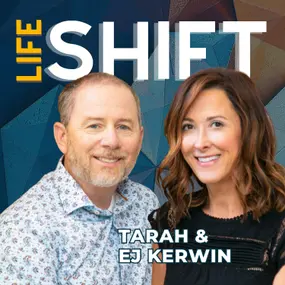
Tarah and EJ Kerwin are the founders of Relationship Renovation and creators of the Relationship Renovation Model™, as well as hosts of the Relationship Renovation Podcast. They blend raw honesty, humor, and decades of combined experience to help couples deepen intimacy and build emotional safety. Known for their vulnerability and real-life storytelling, they share practical, research-backed tools rooted in attachment science and nervous system regulation. EJ is also the founder of Men Who Do the Work, a group helping thousands of men create emotional safety and show up more intentionally in their relationships. Together, their work includes the nationally recognized Relationship Renovation Counseling Center in Tucson, Arizona, a globally ranked top 1% podcast, the Relationship Renovation @ Home manual (available on Amazon), a global online community, and private coaching for couples and individuals. They are passionate about helping partners break old patterns, rebuild trust, and create lasting, intentional connection.


