Anger: The Drink I Never Stopped Drinking
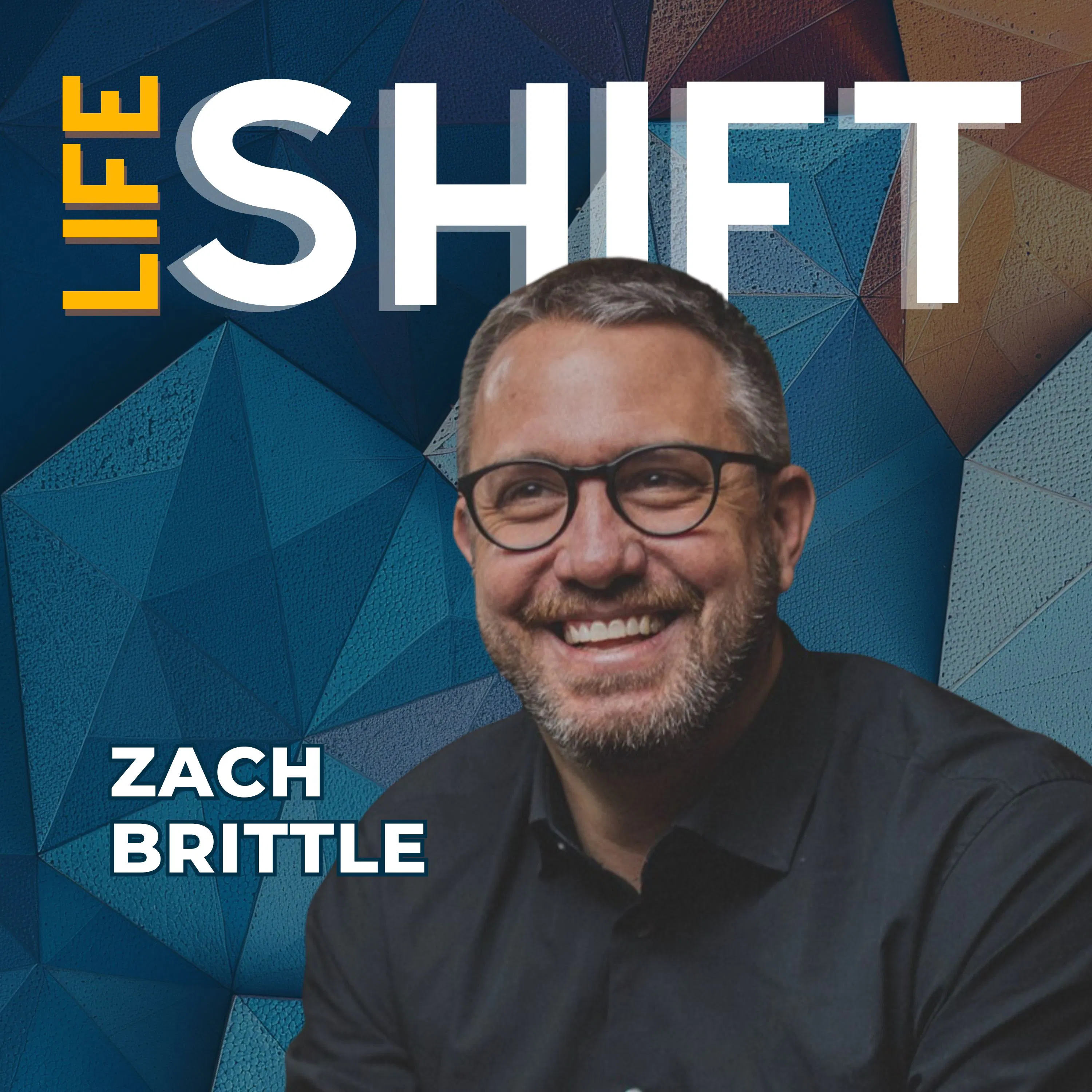
Couples therapist Zach Brittle on quitting alcohol, confronting the anger underneath it, and rebuilding his family one honest moment at a time.


Key Takeaways
- Couples therapist Zach Brittle discovered that quitting alcohol in November 2020 was only the beginning, revealing a deeper, hidden struggle with anger that had quietly run his relationships for decades.
- True recovery involves looking past the obvious vices to confront the invisible emotional drivers, such as anger and pride, that continue to dictate our behavior.
- Rebuilding trust with family members after addiction requires immense patience and accountability, especially as partners and children navigate their own healing journeys.
- As discussed by Zach Brittle, many individuals carry a hidden 'drug of choice' that remains active even after eliminating substances like alcohol.
- Embracing vulnerability and emotional responsibility allows individuals to move away from defensiveness and foster genuine connection in marriage and family life.
Have you ever quit the thing everyone could see, only to find the thing nobody could see was still running the show?
Zach Brittle is a couples therapist who spent decades certain that alcohol was the danger. He grew up afraid of becoming someone he wasn't, carrying stories about drinking that were planted in him long before he ever had a drop. When he finally put the bottle down in November of 2020, he expected relief. What he found instead was anger, the kind that had been hiding in plain sight his whole life, quietly running every relationship he had.
This episode follows Zach through that harder, truer work. Not the quitting, but everything that came after it. The slow rebuilding of trust with his daughters, the patience required while his wife found her own sobriety two years behind him, and the strange, steady gratitude that replaced the pride he used to need. It's a conversation about what we each call our drug of choice, and what it actually costs to finally put it down.
What You'll Hear:
- Why Zach's fear of alcohol started long before he ever took a drink
- The moment his daughter confronted him, and why he calls it brave
- What changed the night he poured out his last drink on November 13th
- Why he says quitting drinking was the easy part of his recovery
- How the chaos in his family shifted onto someone else once he got sober
- The theory he now uses with couples about everyone's hidden drug of choice
Guest Bio:
Zach Brittle is a licensed mental health counselor, Certified Gottman Therapist, Certified Relational Life Therapist, speaker, and host of Marriage Therapy Radio, a relationship podcast with more than 4 million downloads. He has spent years helping couples navigate conflict, connection, repair, and intimacy with more honesty and skill. In addition to his clinical work, Zach speaks openly about his own recovery journey and the deeper work of learning to stay present in the face of anger, uncertainty, and relational pain. His story brings together themes of sobriety, emotional responsibility, marriage, and personal transformation in a way that is both honest and deeply human.
Follow Zach on Instagram, Facebook, TikTok, YouTube, and LinkedIn all under the same handle @marriagetherapyradio
---
Listen and follow: www.thelifeshiftpodcast.com/follow
Subscribe to the newsletter: https://thelifeshiftpodcast.beehiiv.com/
---
---
sobriety, recovery from alcohol, anger and addiction, parenting through change, couples therapy, asking for help, family healing, gratitude in recovery, fatherhood and forgiveness, honesty after addiction
You Might Also Like:
- How Carol Look Found Joy When Her Loved Ones Struggled with Addiction
- Adoption: The Chapter You Thought Was Finished
Frequently Asked Questions
Who is Zach Brittle?
Zach Brittle is a licensed mental health counselor, Certified Gottman Therapist, and host of Marriage Therapy Radio who speaks openly about his personal journey with sobriety and anger.
Why did Zach Brittle say quitting drinking was the easy part?
While putting down the bottle in November 2020 was a massive milestone, Zach realized that the much harder work was confronting the chronic anger and relational patterns that had been hiding in plain sight.
What is Zach Brittle's theory on the hidden drug of choice?
Zach suggests that everyone has a hidden drug of choice—whether it is alcohol, anger, control, or pride—that they use to cope with emotional pain until they are forced to confront it.
Matt Gilhooly (00:00)
Zack had spent years as a therapist, a steady one. He was the guy that people came to when their own lives fell apart. But there was a night when his life felt like too much to carry, when he considered ending it. And soon after, something in him said he should ask for help. So he did. about six weeks later, he poured out his last drink. That part, it turns out, was the easy part. What came after was harder and scarier and truly more honest than anything he had done before.
Rebuilding relationships, facing anger he buried for years, and learning to actually feel things instead of drinking them.
kZB (00:35)
I had enough self-awareness coming into the summer of 2020 that I was not gonna make it. My relationships weren't gonna make it. I was thinking about taking my own life. I was drinking during client sessions on Zoom. I just was
I just had enough awareness that like I the trajectory I was on was not gonna I wasn't gonna make it.
Matt Gilhooly (01:32)
Hello, my friends. Welcome to the Life Shift Podcast. I'm here with Zach. Hello, Zach.
kZB (01:36)
How you doing?
Matt Gilhooly (01:38)
You want the honest answer or do you want the made up answer?
kZB (01:40)
I want you the on yeah,
sure. Tell me the hon yeah, give me the honest answer. Why not?
Matt Gilhooly (01:44)
I am tired, but all good. Today I had my first what I'm gonna call my first paid expert earned speaking gig. So that was kind of fun but also stressful.
kZB (01:56)
Okay. Cool. Did you gu did you go somewhere or did you do that from your from your studio there?
Matt Gilhooly (02:00)
No, luckily
I did it from right where I'm sitting and it was nice, but I have a problem with the word expert, so I it was interesting going in, but once I got there, on point. So it's pretty cool.
kZB (02:07)
Yeah, okay.
Yeah.
Well you've earned your fatigue, it sounds like.
Matt Gilhooly (02:17)
How are you doing today?
kZB (02:18)
I'm good. yeah. No, I think today I am good. Thursday's usually my day off. and I feel like I just don't have a lot to complain about right now. so I think that is that is the real answer.
Matt Gilhooly (02:19)
Real answer?
Excellent.
I feel like that's a good response. I like that. Well, thank you for wanting to be a part of the Life Shift podcast. It has been crazy to think of a younger version of me going through this Life Shift moment that nobody could help me with at the time. My mom died, and people around me did not know how to help an eight-year-old. And I just assumed everyone needed to see that I was.
kZB (02:32)
Thanks. Yeah.
Matt Gilhooly (02:54)
good enough that they also wouldn't leave. And I assumed that role for twenty plus years and finally got to a place where I dealt with the grief and moved through it in an appropriate way and and faced it. But now I get to talk to people about not necessarily the same type of moment, but moments that draw lines in the sand in people's lives from
one second to the next, things change. And and it doesn't all have to be trauma. It doesn't have to be bad things. It can be like someone woke up one day and wanted to quit their job and move to Italy. You know, and so it's just such an honor to see myself in so many people's stories, even though our stories are wildly different. And it just reminds me of that old cliche saying that we have so much more in common than we don't.
kZB (03:39)
Yeah. I've been I've been saying that everything has already happened and everything's gonna happen again. Like everything that has happened, it happened to me. I was at a I was at a bar with some friends and we're fifty three year old guys in the booth and we're watching all these like twenty, thirty something on their corporate event standing there and they're they're just going through the like the motions. They're doing this the this the same old scripts, the same old speeches. And so it's like we're nobody is
I guess we're all unique and yet we're all kind of grappling with the same stuff all the time.
Matt Gilhooly (04:12)
Yeah. It's it's it's I don't know, it's kinda fascinating to me that we can feel the same I guess it's silly to say this out loud now, but that we can feel the same emotions and those kind of things about and and like empathize with someone else even though what they're doing or going through is not the same. So it's like weird but also makes total sense 'cause we're human.
kZB (04:36)
Yeah. Well, I mean, what do they say? Something like there's only seven stories in Hollywood or something. There's there's sort of these seven scripts. And I think we've we've sort of organized ourselves around things that we can easily understand. and that's really hard when you are a person who's like, nobody gets me. You know, it's it's those tensions are those tensions are always at work and it's and it's kind of bizarre. I feel them for myself. I watch them in my kids and I I see them in my clients and yet I'm ke keenly aware that like
Matt Gilhooly (04:41)
Mm, that's true.
kZB (05:03)
I'm I'm the only one on this journey that I'm on, you know.
Matt Gilhooly (05:07)
Mm-hmm. Yeah. Well, thanks again for wanting to share your story in this way and go down whatever avenues we go down. But before we tell your specific story, maybe you can tell us who Zach is in twenty twenty six. Like how do you show up in the world these days? How do you identify?
kZB (05:21)
Yeah. well, I am a husband. I am a father. those two things really do, I think, define me right now, mostly because as I look around the world and I see all the things I can't control, I can't control the environment, I can't control the government, I can't control whether or not the United States is gonna win the World Cup, I think about what I can control, which is
my my my marriage. I or at least I can control how I show up in my marriage. And the way I show up as a parent, particularly right now, when my kids are sort of leaving, they're launching. And, you know, I've been saying for a couple of years, I think being a young parenting young adults is harder than parenting young kids. And it's a it's a shift. It's it's a real shift. and then professionally I'm a couples therapist. I spend about n I'm in private practice, about ninety
5% of my practices with couples. And so that's that's kind of how I organize like like my time is I'm in conversations all the time with people who are trying to figure out how to make their relationships work. and I'm I'm alongside that same conversation because I'm trying to figure out how to make my relationships work. So that's that's probably the quickest way I could define how I'm showing up right now.
Matt Gilhooly (06:39)
Yeah.
Yeah. It's a lot of responsibility you've given yourself, but in a a probably a very rewarding way.
kZB (06:47)
I love my job. I'm in exactly the right job for me. I I'm never bored. I get to do a lot of really cool work with people who are asking for help. I think that's a big that's the only thing my clients have in common, is that they're asking for help. And it's fun to be in conversations with who with people who are asked who want help, you know.
Matt Gilhooly (07:03)
Yeah. Yeah.
Yeah. Asking for help is probably one of the harder decisions that I'm sure you understand in parts of your life, like asking other people for like I can't do it by myself. I need some some help and it's a it's a big thing. But when we get there, we're so lucky that people show up and help us in those ways. Yeah. So to get into your story, I'd love to hear the before version of Zach. So
kZB (07:29)
Yeah.
Matt Gilhooly (07:36)
Can you paint the picture of your life leading up to the main pivotal moment that we're gonna center today around? And you can go back as far as you need to to kind of give us that context.
kZB (07:45)
Yeah, I love this question because, you know, I think we do organize our life in before and after moments. There's before this and before that, before, you know. And I when I'm talking to clients who are doing therapy maybe for the third or fourth time or something, I'm like, well, the what we want is for that you to have this this client experience experience be a before and after, like not really before and after me, but before and after we asked for help or before and after we did this.
So it's a theme that I'm I resonate with quite a bit. for me, the before and after moment that I am most oriented to right now is basically before and after I got sober, which was about five years ago. And what I what I tell people is that I had a I had a drinking, I had a problem with alcohol long before I had a drinking problem. Like I my first drink was on my 21st birthday.
But even before then I had a relationship with alcohol that was weird and strained and confusing. and I was sort of convinced that you know, I had bought into a bunch of stories about my grandfather and about my father. And I had bought into a bunch of stories that I had seen on television and kind of what alcohol was due. I was looking around at my friends and I kind of grew up in the the say no to drugs moment. So, you know, if you drank, you were definitely gonna crash your car.
And that there in my in the parking lot of my high school, there was a a car that was destroyed by some kid that we were all supposed to know. And like his flesh was in the car, like it was in it was in it. Like he was I was like, This is gonna kill me, you know. I thought for sure I was gonna turn into Mr. Hyde the second I had a drop of alcohol. And then I turned twenty one and I had a drink and I didn't. I turned into Mr. Hyde. I was fine.
Matt Gilhooly (09:18)
Mm-hmm. Mm-hmm.
kZB (09:33)
And I go like, this is interesting. And then I kept being interesting and interested in this thing that was in my life. And I for a long time I was I was I was good. I was I was fine, you know. And what I realized was that I well rather let me put it this way. I so I I I started drinking for a long time. I you could look at me and just call it normal social drinking.
Then it kind of escalated once my kids were got born and and then I started to c kind of think, I maybe have an issue here. And I so I would quit for dry January or quit for 90 days at a time, or I'd quit to train for a triathlon or whatever. And, you know, none of those were before and after moments that I look back at now and think, that's a shift. That's the thing. in part because you go ahead.
Matt Gilhooly (10:18)
Were those
I was gonna say, were those more of like, see, I'm not addicted. I can quit for this period of time. Yeah. I get that.
kZB (10:24)
A little bit. Yeah, a little bit.
Or or not even to others. It was more like to me. Like, did I could I? Could like, I can. Okay, good. And I come back and you know, the same old story. It always got worse. And then COVID happened and I just I just I just went off the rails. Like I I just I mean, I just pi some people got healthier and they like took up new hobbies and I took up drinking. It took up day drinking. I took up hiding my drinking, I took up
you know, not apolog I I took up blaming the world for my drinking. I mean like all of it. And then the sh shift for me was asking for help. I knew that I was not gonna make it if I didn't and I was lucky to have somebody. But the the thing that I key on here is my last drink was on November thirteenth of twenty twenty.
By Thanksgiving, I have I was done thinking about alcohol. I didn't have any, I was, I'm I'm I'm unusual in that way. but I also exposed pretty fast that when I quit drinking, Mr. Hyde didn't go away. Like I was still really angry. And I I still do, I did, and I still do identify anger as my drug of choice. Like anger is the thing that I
then began to really take seriously and kind of recover from. So for me, kind of the before is very specifically tied to this thing called alcohol, which has a chemical makeup and you drink it and you put it down your throat and blah, blah, blah. But but the but the after is much more about coming to terms with my anger and my resentment and my, you know, the way I showed up in my relationships, which, you know, I wasn't drinking anymore, but I was still an addict.
Matt Gilhooly (12:15)
So you you mentioned you had this interesting relationship with alcohol before you even had alcohol? Like you saw it in other and you were sold stories and I'm sure some of those stories came from, you know, like I'm not gonna say I'm sure, but were those stories things that formed in you that you felt like, this is the way I'm supposed to show up in the world, or was it more of a a warning for you?
kZB (12:44)
No, no, it's this more of like a yeah, I guess it would be more of a warning. There are two kind of things that I think about a lot and I just I kind of just don't know why. And one is this poem, it's a Theodore Rothkey poem name by it's called My Papa's Waltz. Do you happen to have any idea about Pop my Papa's Waltz? But it's about this little boy who is dancing on his father's feet while he's clinging to his waist and he can sort of smell the whiskey on his breath.
I probably read it in seventh grade and I knew that was something. Like I knew that there was a thing about that that was real and that was haunting and that was important for me to cling to and dangerous. So it was like I I had this like relationship to this poem and then also to alcohol, but I hadn't I hadn't been anywhere near it. My dad wasn't a real heavy drinker. Like it wasn't even my papa. It was just this thing that I recognized.
and then the other one was this scene out of the movie Who Framed Roger Rabbit, which I actually think is the greatest movie of all time. And I'm not kidding. I I I believe it. Yeah. Well, I saw it maybe eight or nine times in the theater because I was this scrawny, funny, insecure little kid who, you know, wanted to get the girl and
Matt Gilhooly (13:42)
Interesting.
Love it. It's the first movie I saw in a theater.
kZB (14:08)
And you know, there's that scene where he takes a shot and and when he does, he turns into this blaring like siren. He goes up in the air and his eyes pop out of his head and he spins around and everything in the bar kind of gets destroyed because he he it transforms him. And I I also absorb that as part of my identity. Like I I was like, Okay, I'm skinny, I'm funny, I'm clever, I've got, you know, I'm I'm I'm innocent of of heart, but I've got this thing inside.
That is gonna come out if I take one shot of alcohol, you know? And I don't none of that was based in any anything I would call reality, but it was internalized pretty powerfully in ways that I hid from. I hid from for a long time. And then I have this one other look kind of minor story. Well, it's not a minor story, it's actually a major story. That same summer, that same summer that Roger Abbott hit the theaters, I was about to go to high school. It was in my it was right after ninth grade.
I was about to start high school. And my dad made me a deal. He said, You're going to start the high school. You're going to start high school. And and just gonna be you're gonna be tempted to, you know, want to party and hang out and do the things. He goes, and it's okay with me if you want to drink. If you want to be a guy who drinks, that's fine. As long as the first time you drink is with me. And we weren't close, we're not, we were not friends. I did not trust him. So I took the deal. I said, Okay, I I accept your terms. And
I never I didn't drink. I didn't drink one drop until I got until I was twenty one and out from under the terms of the of the agreement because because of my anger, because of my pride, because of my fear, but because I was too know, proud to let him have that kind of influence in my life. And all of that, all of that is still present in me and for me. And I
And and I think about it a lot. I think about that poem a lot. I think about that movie a lot. I I've had to see that movie a hundred times. my dad's dead. He's he's been dead for ten or twelve years. We were estranged for about 10 years before that. And he's a minor character in my story now. But my grappling with anger had I yeah, I had to come to terms with my how I felt for him toward him, you know. So that's been a big part of my recovery process.
Matt Gilhooly (16:18)
Hm.
and I think there's so many people that can relate to that. As as you had that type of relationship as a teen or even younger, whatever that might have been, were you someone that was able to express how you were feeling? Or was it do you think that you bottled things up? Okay.
kZB (16:41)
I was.
I was. Yeah. I had places to go, you know. I trust my I trusted my mom quite a bit. She were we were quite close. I'd I recently had this realization that
Matt Gilhooly (16:46)
Okay.
kZB (16:52)
Mm, my family of four was always a family of was always two families of three. the two families of three were my mom, my brother, and I. And then my dad, my mom, and my brother. So either he or I was on the outside. But when I was when I belonged, I really did belong. I just needed to belong in places that that he wasn't a part of, you know? And he wasn't listen.
You didn't ask me this, but I wanna say this. I've come around on him. Like he had a hard job parenting me and my brother, and he was unskilled and under equipped and he, you know, I would I don't want to say he did the best he could because I don't like that phrase for people because I think that's a little bit lazy, but I but I but I get that if he didn't do the work that I have done to parent my kids who are hard and to do that through the lens of something like recovery.
Yeah, he I'm I get that he fucked it up, you know. I it would have been really easy for me to fuck it up. And I fact I did, which is why I ended up getting sober, you know, like so my kids hit that age, thirteen, fourteen, and I was like, you know, I had some stuff to confront for sure.
Matt Gilhooly (17:51)
Mm-hmm.
you know, I think of that kind of thought with my father too. Like, did did he do the best he knew how to do with the tools that he had at the time after my mom died? Yeah. Did he do everything right? No. And he would proudly admit that, that, you know, he tried his damnedest, but it wasn't
it wasn't good because he had no tools. His parents didn't equip him with anything and the society wasn't talking about those things. You know, guys were just we're just we're just dads and moms took care of everything. So he w he played the role until he had to do both. And so I I do resonate with that idea of like, yeah, he did do the best he knew how, but I get what you're saying about like I mean he could have done better.
kZB (18:51)
yeah, this is this is a thing. You know, this idea of did our parents do the best they could, you know? Yeah, but that isn't I don't know. I d I again, I think it's like they could should they have done better? Yeah, they also should have done better, you know.
Matt Gilhooly (19:05)
Yeah. Yeah, I think it's both. And I think that the trick is is when that human that maybe we see could have done better when they realize that they too should have and could have done better. They just didn't know how and they did not ask for help. All going back to that original thing. Like, I mean you knew probably when you were going through your situation and you weren't showing up as the best
parent that you could have, you knew that you probably should have asked for help sooner, but like you were you were in your your own mess at the time. And I think that's very common for people. And you know, it's easier said now than when you're directly in the situation. But I think it's it makes a lot of sense. And it and it also makes sense why you would harbor those feelings and and kind of keep them as an anger bait.
Would you call it an anger bait? Yeah.
kZB (20:07)
I mean, literally anything
can be anything is anger bait for me. I can get angry about anything, you know. So and it's almost fun now because I g yeah, a hundred percent. But like I said, it's kind of fun. Right now I get anger and I I angry and I go, hi. Okay. are you gonna run the show right now or ca is like can I can we do we have options here? You know, and
Matt Gilhooly (20:11)
Okay.
Yeah. Okay. So that's something that you're still battling?
kZB (20:31)
And I have actually taken a great deal of comfort in learning how to like suss that out and sort of audition other other opportunities to show up, other ways to show up.
Matt Gilhooly (20:41)
I think I relate to that, not the anger part, but for me, for a long time, I struggled with grief, but it showed up as all different sorts of things and and there was so much shame around the fact that I was still feeling sad or depressed because I hadn't dealt with anything, but I just assumed that shame and it would make me mad. Like I would be like, Why are you such a loser? like
kZB (21:02)
Yeah.
Matt Gilhooly (21:08)
Your mom died 20 years ago or whatever it is, like get over it, like figure yourself out. But I wasn't ready yet. I wasn't doing that. And now I'll I'll slip into moments in which I feel depressed. And now it's more like, hi, are we gonna do this? Like it's the same kind of concept, where like I acknowledge it, it's there, it's okay that it's there, and I just move through the world knowing that it's there and I I move with it. So is that similar to what what you do?
kZB (21:34)
Yeah. A hundred percent. Yeah. It's sort
of like, I don't know. I I've I've really started to understand that like you're gonna feel what you're gonna feel, and then if you can learn how to say, it's not a good time. Or it's not your turn. We'll get you we'll you can have a turn in a little bit. We st we still need to, you know, feed these kids, or we still need to see these clients, or we still need to, you know, I don't know, show up, take the garbage out, like
we can you can you can have your turn a little bit later. It's not so much a rejection of the feeling or a rejection of the reality. It's more like an just an honoring and then a and then a putting it in its place. What I've been what I've become aware of is
There's a there's a part of me that's kind of like the director. I used the phrase a little bit earlier, kind of I've been auditioning different parts or different different personas or roles that might have a turn. And it's the director. Like as long as I stay in the director's chair, I can look at the depressed part and go, I see what you got, and I and I understand how you could add value to this scene, but I need I actually need the
proactive part or I need the part that can execute right now or the angry one. And I don't get real angry, but I get I get angry like when I'm driving. If I'm just driving and the car cuts me off, I'm like, you know, and I'll scream. And then I'll realize I'm alone. I'm alone. Just you know, I got no audience. And I'm and I'm I don't feel good. And I'm not a better driver. So I'm like, hey, how about you like
Don't be mad. Maybe you can like drive a little more safely and listen and actually enjoy the song on the radio and and maybe give that guy some slack because probably not a race car driver trying to make you feel terrible, you know, or trying to trying to make you lose. You know? It's probably just some guy trying to get to work.
Matt Gilhooly (23:23)
Yeah. Yeah.
I I think it's you know, I think there's there's something to be said about though like you said, like honoring how you're feeling. I you know, I I am far from person that knows grief, like knows how to do grief well. I do it well for myself now because of the experiences that I've had, but some reason people come to me when someone like dies in their family or their friend experienced something and I'm like
First of I'm not gonna I can't give I can't I can't give you advice, but what I can tell you to do is
kZB (23:59)
But you're an expert.
You're a brand new expert.
Matt Gilhooly (24:04)
I for myself, yes. I
tell them that however you're feeling at any point in time in this journey is okay. Because I remember how much shame I assumed when past two weeks I was still crying, or you know, like you know, if I wasn't happy or I wasn't mad, which were the two emotions I was allowed to have as a boy.
kZB (24:21)
Yeah.
Yep.
Matt Gilhooly (24:30)
There was something wrong with me. And had I like felt okay, like, I am sad. My mom just died. It's okay for you to be sad. I think there that permission structure that we give ourselves is is would be really helpful in some moments. So that's like the only advice I can give people is like, I'm not gonna tell you how your grief journey is gonna look, but honor yourself through it.
kZB (24:51)
Yeah. And you are okay. You're okay. Like this is this is normal. It's normal for you to be both mad and sad. And you get you also are allowed to have other emotions if you want, you know?
Matt Gilhooly (25:03)
Yeah, you can laugh at a T V show.
kZB (25:06)
Yeah. Or who framed Roger Abbott?
Matt Gilhooly (25:06)
You know, that's always uncomfortable.
So you identify your, you know, a life shift moment of that last drink. What made you say that was the last drink?
kZB (25:19)
again I have a little bit of a like a I don't know a a little bit of a unicorn story in this regard is I I basically I n I had enough self-awareness coming into the summer of 2020 that I was not gonna make it. My relationships weren't gonna make it. I was thinking about taking my own life. I I was drinking during client sessions on Zoom. I just was
I just had enough awareness that like I the trajectory I was on was not gonna I wasn't gonna make it. One of my kids confronted me in a pretty powerful way. I give her a lot of credit for that. It was very brave for her.
There's a there's a series of videos that I did that summer for Vanity Fair. They hired they hired us to talk about me and my podcast partner to talk about relationships like in Disney films and other films and stuff. If you look at those and you look at the guy in those videos, he's dying. I mean, he is bloated and weary and just I mean, it'll come across my feet every now and again like, it's just shocking.
And I had enough people in my life who were concerned. And I just finally asked this one guy that I knew. I was hey, I gotta, I gotta get some help. And he was like, okay, I'll help you. and I didn't even quit drinking. I asked for help first. And then I and then I quit drinking. In fact, I I was probably another month after he technically kind of enrolled as my sponsor. I had a sponsor before I ever went to a meeting, you know, before I worked a step, you know.
On the 13th of July, or sorry, sorry, 13th of November, I I sat down in a parking lot with some friends and I had bought a six pack and I drank three of them in the parking lot. And I drove home with the kid in my kid in the car. And I drank two more at home. And I was halfway through the sixth one, and it was about to be midnight, but my favorite number was 13. So I said, Nope, I want the 13th to be my last day. So I poured it out. I poured it out on the 13th.
And that was it. That was it for me. that's not a lot of people's story, right? A lot of people have like a like a DUI or they get caught doing something or they get fired or whatever. And I just chose in the in the span of about a month and a half to go from nearly taking my own life to putting it down. and then the guy that I'd asked for help, his name is Dave, was like, all right, let's get to work.
You know, it was like it was like, all right, that's the easy part. Let's let's do this. And so we started to work. I worked the program, I worked the 12 steps, but it very quickly became about my need to grapple with the kind of this Mr. Hyde character that was inside and wanting to run the show and blame everybody else for all my problems. And so I don't know. I I I I feel very fortunate that I had people in my life who love me and that I had enough self-awareness to kind of call it out for myself.
but yeah, and then I again I would have to give a lot of credit to my my oldest daughter who was like, Dad, you gotta you you gotta you gotta knock it off. Like you gotta I mean, I'm it's her it's her story to tell, so I'm not gonna get into it, but she she laid down the law in a very, very, very powerful way for me. And I'm you know, the the kind of around then is when everything started to
gonna come into focus and then I was on the path. I was just on the path at that point. So
Matt Gilhooly (28:47)
Yeah, so I mean, forgive me if this is incorrect, but it sounds like the easiest part of your journey, as weird as it is, is to pour out that final drink. And then your journey got harder. Would you say it got scarier, harder, more worthwhile?
kZB (28:56)
Yeah.
Yes. Yeah. It got truer.
it got it got more honest, you know, like I like I said, I'd quit drinking so many times before, but I had never confronted what was underneath it all. You know, I had never I had never dealt with the reality that I had in, you know, in AA they call it a character defect, but I had this commitment.
To outsourcing all my pain and making other people responsible for it. And, you know, I had 40 years of practice, 30 years of practice, and I needed to kind of learn from scratch how to how to be a person, you know, how to be a person in relationship, especially. So and that, yes, that that has been the hardest thing. And also the most amazing and wonderful and coolest thing. I love my brain right now. My brain is.
Like I I'm I sleep like a baby. I I think clearly. I like I I believe what I say. that was a big one for me. Like I believe the things that come out of my mouth. and I'm good I'm a bet I'm better therapist. and I'm a I'm a good example for my kids and for my wife. Like I I am. And that is that's so fun. So cool, you know.
Matt Gilhooly (30:16)
Yeah.
So yeah, I mean I'm glad you were able to do that work. Like you said, a lot of people struggle to get to that point. I would imagine that some people that have had this addiction, if you will, their relationships get really hurt. Sounds like your daughter really stood up and stood up for herself and laid down the law. Did you find it challenging?
to redevelop those relationships or was it like going back to an old normal? Like what did that look like? Because I would imagine that you finding yourself as this newer, more expressive version of yourself creates a new relationship or does it not?
kZB (30:57)
Mm-hmm.
here's what I would say. I'm a I'm a good friend. And so I have good friends. And my good friends really showed up for me in that space. Like, they really no one made my life harder. No one not one person made my life harder. Were they did they did they need an ex like amends? Sure.
Yeah. And did they accept that? Absolutely. But they everyone made my life easier. in that way. and again, I I feel very, very, very fortunate in this space. I have this I have this story. It's actually just it's not even a year old, about I think the only time that I got close that I would say I got close to a relapse. And it was it was right after my f right after
Last November, November 13th, my wife, who's also in recovery, came home from one of her meetings and she handed me a five-year chip. And I was like, Yeah, I deserve a five year chip. That's that's five years is a big deal. I'm a yes. This is I'm I'm the shit. And the second, the second I shifted from gratitude to pride, the moment I shifted from gratitude to pride.
I was like, maybe I could drink again. Maybe I could, maybe I do deserve, maybe I've paid my dues, you know? And I remember it very clearly. I actually have my relapse fantasy. I have rehearsed it so many times. I know exactly what I'm gonna do. which is which is interesting because that actually protects me a lot because of what I'm not gonna do. Like I'm not, I'm going to a wedding this weekend. That's not my relapse fantasy. I'm I'm gonna go to a big open
bar wedding and I'm gonna be fine. But if I'm alone in an airport and I'm angry or ashamed and my flight gets canceled, I'm gonna belly up to the bar and I'm gonna I'm gonna ask the bartender to line them up for me. And I was ready. I was I mean I've I was ready. And I just called Dave and I he didn't answer the phone because it was late. And I just went to bed. And I slept like a baby and I woke up and I went to work and I went
Immediately just went back to gratitude. I just went back to gratitude. So I'm grateful for my friends. I'm grateful for my wife. I'm grateful for my kids. and I don't that is not a that's not a tactic. That is a that is the posture that I carry so that I can stay on stay on the path. I don't think that's the question you asked me, but that's that's where my brain went just now.
Matt Gilhooly (33:42)
Yeah, no, I I think it's important. I think you you did answer it because the question is or the the serious part for a lot of people that are finding sobriety and in that sober life is the support around them. So, you know, I think there's a lot of people that maybe just have the sponsor type person, right, to call and then they have all these friends that they used to party with and all this stuff that are now like mad at them because now they're not
living the same life, but it sounds like you have a really supportive bubble around you, if you will, that was allowing you to find this newer, more evolved version of yourself.
kZB (34:16)
Yeah.
I do. The you know, they have people who they have their drinking buddies who have kind of put them on the outside of the circle, but then they also have all these people who are inside the circle who are angry and hurt and troubled and who are like kind of waiting to kind of finally let their that anger show, you know. And again, I just didn't I did not I don't have I didn't have that in my
experience and I'm I'm really grateful for that. And it you know what, it may yet come. There may yet be s a reckoning. but I'm in a place that I could handle it. And I could I could probably say, yep, yeah. Sure.
Matt Gilhooly (35:06)
Was your your anger and your rage was that affecting other people and they were like, Phew, that's over or was that something more like that you were managing and kind of maintaining?
kZB (35:19)
Yeah, you know, I don't think anybody I don't know that very many people would call would have called me angry. I don't know that you would I don't know if this label anybody would have given me unless they were kind of in the in the scene. My wife sure would. My kids sure would. I said and did terrible things to them in kind of the privacy of my own home. but in general, you know, like I said, I'm a good friend. I put on a pretty brave face. I got a pretty good self awareness and ability to talk about things and articulate things and
Matt Gilhooly (35:25)
Okay.
Okay.
kZB (35:48)
So I was a pretty pretty proficient hider, you know. so I don't think anybody may mean there yeah. I wasn't like a rager, yeah. I think you know, my dad my dad was a big, big man, and he was scary and he was loud and he had pr very very peculiar thoughts about respect and patriarchy and all this stuff, and I think
Matt Gilhooly (35:57)
I'm just curious if if I think a lot of people are very functioning.
kZB (36:15)
You know, I kind of proactively rejected that style of being angry. I just replaced it with something a lot more sinister and underneath the surface, you know.
Matt Gilhooly (36:22)
Mm-hmm.
Would you say it was more harmful to you than other people? Okay.
kZB (36:31)
A hundred percent. yeah.
A hundred percent. You know. I'd I couldn't I had no peace because I was always upset with somebody else, you know.
Matt Gilhooly (36:34)
Yeah.
Yeah. Where on your journey of healing did you feel like, this feels different. This feels better. It might be uncomfortable, but it feels like a better, lighter version of myself, or have you found that?
kZB (36:54)
I like that question a lot.
A thing that happens in a lot of systems that are plagued with addiction is that the the systems themselves organize around the addiction. So I was this chaotic character in my family, and they all my family all had these roles that they were playing to kind of survive. And then I settled down. I stopped, I stopped moving, I stopped being chaotic. But the system doesn't then stop being chaotic. They still had to do their
Their chaotic thing. My wife's story includes after I got sober, her drinking got a lot worse. She's about two years behind me in her sobriety journey. Those two years were really challenging for me because A, my drinking buddy was no longer my drinking buddy, and B, I was watching her get worse in ways that were problematic for our family. Once she got sober, my younger daughter, who was at home with us, the older one had gone off to college, she
She got she spun out. She got worse. Like she had her own little adventure into chaos. And I think in both of those cases, I just kind of kept back come coming back to. I've got one friend in particular that we share a lot of life together. And I just kept saying to him over and over again, I'm so glad I'm sober to do this. I'm so glad they have a sober me to steward this. Like I, this too shall pass.
This is gonna we'll we'll figure this out. Like this is gonna and I think, you know, I have I've got two, I could kind of I can kind of give you two like very specific stories that are that, this is different moment. But I think it was, you know, appreciating that I didn't have any, I didn't have a position to on.
from any kind of like righteousness or or or you know, in my sobriety I didn't have this like come on, I had this capacity, I guess, to to wait for them to work out their process in the way that they each needed to. that that is those those that waiting is the most rewarding thing I think I've ever done because, you know, again
Matt Gilhooly (38:55)
Mm-hmm.
kZB (39:08)
My older kid has moved out. She doesn't live with us anymore, but the younger one's here. And the three of us hang out all the time. We hang out all the time. We have this delightful relationship of play and intrigue and gratitude and risk. Like we're all risking in certain ways, including the 19-year-old. She's a little bit more risky because she's still trying to figure out how to be an adult. But man, I I can't imagine living the last five years under the weight of
that anger and that resentment, like it just I would have I mean, the whole story would have changed, of course, but I I don't think I could have I would have done way more harm than good, you know.
Matt Gilhooly (39:46)
Yeah, I mean I think that's a that's a beautiful not ending. That's a beautiful moment here. Like this this segment of your life feels really beautiful. And also like I heard I mean, you had have had this career as a therapist in service of others. Do you feel like you're more in service of others now post sobriety? Like just the way you described that I'm so grateful to be here and be the sober one around people made me
Made me think of that.
kZB (40:18)
Yeah, I think what I I think what I've come to with my clients, and I my my practice is almost exclusively couples therapy. So I'm dealing with people, I'm dealing with two people at a time in relationship trying to make it work. And I think I have I've formed a pretty clean theory around recovery, like relational recovery, meaning in order for the two people who are in the relationship to to benefit, they both have to commit, they have to confront their drug of choice. And for some people, that's shame.
For some people it's control. For some people it's, you know, some people it's service, you know, like I'm in service of you. For some people it's I don't know, it's sacrifice or whatever. Like but you have to confront. So I I do tips and tricks and tactics all day long. But you know, you put tips and tricks and tactics in the hands of somebody who's addicted to to can to to control or to anger or to shame or even to kindness, that they're not gonna.
They're not gonna be very effective. So from the place of confidence that I have about my own confrontation of my drug of choice being anger, I've I get to talk about tips and tricks and tactics with a s a an extra layer of nuance, I suppose, you know, like it's not just the
The object, it's the subject, you know, you know, this they they both work together. So you can go tips and tricks and tactics are there's nothing new. You can go to a bookstore right now and get them, go on YouTube and get get them all. But who's using them? I recently went into my own therapist and she was like, How's you how's it going? I was like, I don't want to be here today. And she goes, Who doesn't want to be here today? I was like, You bitch. Like, I don't don't, don't you start? But she was right. Like, who didn't want to be here? You know, it was the
Matt Gilhooly (42:04)
Yeah.
kZB (42:07)
It was the fatigue guy, the angry guy, the guy who was willing to like just wanted to phone it in that day. And she called me up. She called somebody else up. She goes, Is anybody else available? You know, can I can we have the guy who's spending all the money? Could because I bet he would like to get his value out. Could so maybe don't don't let the guy who's gonna waste the money be here. Sh I was like, Thank you. Appreciate it.
Matt Gilhooly (42:29)
Sometimes
it's like, yeah, you're right. Thanks. Thanks for pointing that out. But that's why we need people like that in our lives, right? We need
kZB (42:31)
Yeah. Yeah. Yeah.
my god, I love her
so much. If she ever tries to retire, I'll be like, Nope. You can you can you can get rid of everything every client except for me. Like I'm keeping you on retainer forever.
Matt Gilhooly (42:44)
I I when did you start going to therapy? Bef I guess you're Okay. So
kZB (42:47)
seven years ago. Seven years ago. We'd we discounted
the other day. So first thing I ever said to her was yeah, first thing I ever said to her was I have a problem drinking, I don't know if I can quit. And then she was with me for two years before I put it down or a year and a half. So yeah.
Matt Gilhooly (42:52)
Okay. And after
Wow. And this
was you were already a therapist before this. Okay. Interesting. not interesting in a bad way. That sounded really rude of me and I did I
kZB (43:05)
yeah. Yep. I was a yep. Yeah. No, it is interesting. It is
interesting. You know, it's the it's the what is it? It's the emperor who has no clothes kind of thing. It's cobbler's kids who have no shoes. My kids my wife say that all the time. Cobbler's kids have no shoes. I was like, Thanks, you know. She called me a fraud to my face, told me I was a ridiculous, you know, the whole bit. I mean, I deserved it. You know, 'cause I was a really good therapist. I am a really good therapist.
Matt Gilhooly (43:21)
Yeah.
Well
kZB (43:34)
But I was I was just putting on a costume. I was just putting on a costume, executing and then clocking out and getting drunk.
Matt Gilhooly (43:37)
Yeah.
And to be fair, I wasn't coming at it from that angle. I I think it is interesting that you were a therapist and you didn't weren't actively seeking therapy. But what what's the question really comes from men accepting that therapy is a good thing, is a healthy thing, is not a sign of weakness, it's not everything that growing up we were told, or I was at least, you know, like
kZB (43:58)
Mm-hmm.
Matt Gilhooly (44:10)
You only go when you have a major problem and yet nobody put me in therapy with my loss. So it was kind of like a weird thing that I didn't really find until I was in my thirties because people weren't talking about it.
kZB (44:20)
Yeah.
I have a little bit of a take on that, which is that I think therapy is amazing and good. And if you find the right therapist who can meet you where you need to be met, it's it's ideal. But people don't need therapy. People need change. And therapy is a thing that can help them change. Twelve steps can help you change. A good a good YouTube guru can help you change. A good small group can help you change. a good self help book can help you change. A good meditation practice can help you change. Like
Matt Gilhooly (44:29)
Yes.
kZB (44:48)
I I have some grace for people who are like, I don't like therapy. Okay, fine. But do you like, do you want change? Because then you got to find the thing that's gonna facilitate that. And I I'm a guy. My therapist, her website says, she's a good therapist for people who are who think they're too smart for therapy. I was like, Yep, that's my gal. And she's right. Yep, she's exactly right. She's a good therapist for someone who thinks they're too smart for therapy. And that was me.
Matt Gilhooly (45:09)
Like sign me up.
kZB (45:15)
And now I'm now I'm just really grateful that I have the opportunity to visit with her. I'm down to like once every three weeks. So
Matt Gilhooly (45:23)
And now you're gonna keep her employed until until she's done. well yeah.
kZB (45:25)
Yeah. Yeah. Yeah. But you know what? Here's a let me
tell you something. I'll let me I'll answer your first question again. She canceled on me today. I see her. I usually see her on every third Thursday. And she texted me this morning and she said, Hey, my kid's going to the ER. It's not a big deal, but I'm not going to be available this afternoon. And I was like, It's okay. I'm okay. Like you're okay. Hope you I hope you're you're okay. Like I you asked me, How am I doing today? I'm doing good. Like, and I can I'm not dependent upon this.
valuable resource that I have, but I'm so grateful that I have access to it. Yeah.
Matt Gilhooly (45:56)
Yeah.
I think it what you were just describing, how like it doesn't have to be therapy. It goes back to what we talked about at the very beginning of like asking for help. Like it really is. If you're ready, if you think you need it, find it. Whatever it is. You know, I've talked to people that like talk therapy is not their thing, but they love you know, EMDR or they love
You know, psychedelics are, you know, all sorts of things that they've found that have helped unlock things for them. So I I agree with you. But the shame I think I felt going into my first therapy session was so unnecessary. But it was just what society had told me, like, you're you're beyond hope. You need to go find some you can't do this alone. And you can't. We can't do it alone. Anything, really.
kZB (46:39)
Yeah.
Yeah. It's funny to listen to people
talk about like people go, I think so I I was just had a phone call the other day with a woman who was trying to get her husband in therapy. He he thinks it's he thinks it's it he d he doesn't think it works. I was like, that's okay. That's interesting. Like I wonder why he's like or he thinks it's a sham or whatever he thinks it was. It'd like d something wrong. And I was like, Okay, I wonder what he knows that the rest of us don't know. Like what did he
Matt Gilhooly (47:10)
Yeah.
kZB (47:11)
What secret has he locked into that has somehow disputed the, you know, centuries old habit of letting someone inside your life and helping them having them give you some insight that you wouldn't get on your own? So
Matt Gilhooly (47:24)
Right.
Well, people know more than us, right? Which is fine. So I think about your journey and I I th I think about who you show up as now, which is, you know, obviously not that different from the you have elements of your your before version of Zach. Is there anything that like this current version that you're really in tune with yourself would want to say to like the guy that was thinking of of taking his life or
kZB (47:27)
Yeah. It's true.
Yeah. Yep.
Matt Gilhooly (47:53)
not, you know, still in that really drinking phase. Is there anything that you would want to let know about? Like if you could? Not that it's possible?
kZB (47:57)
Yeah.
This is a really,
this is a really, really tough one. because I have probably two really different answers. But the reality is I am aware that I have never once learned a single thing before I was ready to learn it. Not one time did I ever learn anything before I was so if I go back and tell this guy, if time machine, if I go back in a time machine, I'm like, hey, got some secrets, you should probably quit drinking sooner. I would have been like, Cool, thanks for letting me know. I'll get back to you, you know. And then I would have gotten back to him at that same time.
I would have waited, you know. So I don't know. It's I think even as I'm trying to advise the young people in my life, younger people in my life in any meaningful way, I go, look, I'll tell you what I think, but y I don't know. You gotta decide if you're ready to learn this thing, you know. at the same time, my other the other side of my answer is I have had some real healing experiences of of literally imagining
What you're asking, what you're describing. What if I went back and I told that young twelve, thirteen year old boy, You're gonna be okay. Like you're gonna be okay. Like what what if I did walk in the room, time machine, and say, Hey, I'm you and we got a fucked up journey and there's a lot that happens, but you do get the girl, like you do, and you do get to make and you invent two other girls and they're amazing. And and your dad and you, you guys figure it out. Like you you work it out. He dies first, but you do.
And you this thing about alcohol, it's scary and it's real and it messes with you, but you you earn you earn your moment. Like what what would have ha what would happen? And I think I think I would I think I have as a 52 year old benefited from the imaginary conversations that I have had with the 11, 12, 13 year old that needed to hear someone, some adult say, You're gonna be all right.
Matt Gilhooly (49:36)
Yeah.
Yep. I'll tell you, I mean, I have all sorts of conversations on this show, very human experiences, and I asked the silly question that's not possible, but so many people have thought about it. And I'd say a majority of the people, probably close to a hundred percent of the people, would say, You're gonna be okay. 'Cause in those moments, like especially if things happened as children were like, How how
kZB (49:53)
You know.
Matt Gilhooly (50:21)
Am I gonna get through this? Like what 'cause we can't see the the breath of life. Like what does that look like? We just see like what's happening right now and it feels so insurmountable. So you're you're you're in a common group of people that would just go back, yeah. Right? That's right. We go back to the beginning of this conversation. So basically we're starting the conversation over. Yeah.
kZB (50:35)
I'm the same. Everything has already happened and everything's gonna happen again. Like it's just like you know. There we go. There we go. Cut print.
Matt Gilhooly (50:46)
Thank
you for for being willing to answer my silly questions and deal with my technical difficulties over here. if people are listening and they they resonate with you or they want to get more of what you do or find you or how do they get in your orbit?
kZB (51:02)
well, the easiest way is I have a podcast that comes out every Tuesday. It's called Marriage Therapy Radio. And the format of that podcast is I talk to different couples just about how they make their relationship work. So I have found a tremendous benefit of being in conversation with people who don't think like me. And most of us, our end sample is pretty small. It's my parents, your parents, maybe our neighbors, some people we saw on TV. And so over the last
year I've gotten to talk to say fifty two different couples and if you're interested in just kind of hearing how somebody makes it work, then that's a cool place to visit. And then I'm on Substack like everybody else. I've got a blog. It's called Stuff I Write because I write stuff. And I I'm learning how to post over there things that feel important to me and relevant. So that's a good way to go and just kind of check that out or subscribe or visit. I don't, you know, yeah, whatever. So and then the internet is easy. You you my first and last name. You can find me you know
Matt Gilhooly (51:48)
Yeah. All the things.
Well, I always I always say that be up really. Well, that's I'm not the only Macaulay which is well.
kZB (51:55)
I think I'm the only one.
I mean I don't think I don't know of any other Zach Riddles, but yeah, maybe.
Yeah.
Matt Gilhooly (52:05)
I I just think of people listening and maybe something you said was like, that validated. I thought I was weird when I felt that way, but now what he said validates something in me and I just want to let him know. Like I always encourage people to find find my guests and and let them know, share the part of their story that that connected because again, the more I mean human connection, it's so important, it's so needed now.
kZB (52:25)
I welcome that. Yeah, I'd love to hear from you or anyone. Yeah. Yeah.
Matt Gilhooly (52:32)
And not the fake kind that we were taught to do growing up. The real kind.
kZB (52:35)
Yeah.
Yeah, yeah.
Matt Gilhooly (52:38)
Well, thank you, Zach, for being a part of this. I appreciate it. And I will say thank you to everyone listening. As always, it's been such a beautiful four plus years now of doing this show and having these conversations and having all the listeners come along for the ride. So with that, I'm gonna say goodbye and I'll be back in a couple days with a brand new episode of the Life Ship Podcast. Thanks again.
kZB (52:39)
Thank you, Matt. Yeah, no, this is fun.
Zach Brittle is a licensed mental health counselor, Certified Gottman Therapist, Certified Relational Life Therapist, speaker, and host of Marriage Therapy Radio, a relationship podcast with more than 4 million downloads. He has spent years helping couples navigate conflict, connection, repair, and intimacy with more honesty and skill. In addition to his clinical work, Zach speaks openly about his own recovery journey and the deeper work of learning to stay present in the face of anger, uncertainty, and relational pain. His story brings together themes of sobriety, emotional responsibility, marriage, and personal transformation in a way that is both honest and deeply human.


