
Time: When My Father Said It Just Went So Fast
Jennifer Griffith learned at 13 to carry her family's silence. Hear how her father's last words sent her to the page at 42, and what it took to finally write the book.


 Goodpods
 Podchaser
 PocketCasts
 RSS Feed
Key Takeaways
- Jennifer Griffith learned to carry heavy family secrets quietly after discovering she had a brother and facing her father's disclosure about not wanting to be here anymore at age 13.
- Growing up in a household with profound silence forced Jennifer to step into the role of the grown-up prematurely, shaping her life for decades.
- A poignant deathbed conversation with her father, where he remarked that life just went so fast, inspired Jennifer at age 42 to let go of her eighteen-year career in technology sales.
- Jennifer dedicated years to writing her mother's story and her own threaded together, proving that shame cannot survive when brought out into the light.
- Through patience and perseverance, Jennifer spent five years writing her debut book, Both Sides of Then, and two more years to sell it.
Content note: this episode includes a conversation about death with dignity and a family history of suicide.
Is there a room in your life that you still go back to?
Jennifer Griffith was 13 when her mom told her she had a brother, and when her dad told her he did not want to be there anymore. Neither conversation was ever talked about again. So she learned to carry it quietly and to be the grown-up in the house. That kind of silence follows a person. It followed her through eighteen years in technology sales and a lot of years dabbling at the book she always wanted to write.
Then her father, near the end of his life, told her that life just went so fast. Jennifer was 42. She let go of her career, gave herself ten years, and started writing her mother's story and her own, threaded together. It took five years to write and two more to sell.
This is a warm and honest conversation about shame, family stories, and what happens when you finally let what is inside of you out. We talk about the mother she wanted to honor, the father she came to understand, and the 13 year old she still walks out of that room. If you have been waiting for permission, I hope you hear a little of it here.
What You'll Hear
- A mother's secret and a father's announcement in the same living room at 13
- Taking on the grown-up role when the adults in the room had left
- A father's last words, and why they landed when they did
- Why shame cannot live in the light
- Five years to write a book, two more to sell it, and a podcast built in between
- Walking her 13 year old self out onto a sunny deck
Guest Bio
Jennifer Griffith spent eighteen years in technology sales before following a deathbed conversation with her father into the work she was always meant to do. She spent a decade writing, rewriting, navigating rejection, and building a platform from scratch before landing her debut book, Both Sides of Then with Regalo Press. In doing so, she discovered that the skill that made her exceptional at helping her team develop their sales careers was exactly the skill driving her work as an author and speaker: the ability to find the real story underneath the one someone is presenting. She brings that discovery to every stage she steps onto.
Website: www.byjennifergriffith.com
Book: Both Sides of Then
Instagram: @byjennifergriffith
LinkedIn: byjennifergriffith
Podcast: About Your Mother
Listen and follow: www.thelifeshiftpodcast.com/follow
Subscribe to the newsletter: https://thelifeshiftpodcast.beehiiv.com/
midlife career change, writing a memoir, losing a parent, mother daughter relationship, family secrets, shame and vulnerability, giving yourself permission, knowing your mother's story, death with dignity, finding your voice
You Might Also Like:
- Letting Go: The Afternoon My Mother Said It Was Time
- Belonging: Leaving the Only Life I Had Ever Known
Jennifer's Energy Portrait
Episode Playlist
Learn more about your ad choices. Visit megaphone.fm/adchoices
Frequently Asked Questions
Who is Jennifer Griffith?
Jennifer Griffith is an author, speaker, and former technology sales professional who spent eighteen years in the tech industry before writing her debut book, Both Sides of Then.
What is the book 'Both Sides of Then' about?
Both Sides of Then is a memoir written by Jennifer Griffith that threads together her mother's hidden story and her own journey of healing from family trauma and silence.
What inspired Jennifer Griffith to change her career?
At age 42, a profound deathbed conversation with her father, where he told her that life just went so fast, inspired Jennifer to leave her tech sales career and finally pursue her dream of writing.
Matt Gilhooly (00:00)
There's a living room Jennifer still goes back to. It's where at 13 her mom told her she had a brother, and where her dad told her he didn't want to be there anymore. Two conversations, neither one was ever talked about again. So she learned to carry it quietly, to be the grown-up in the house. That kind of silence follows a person. It followed her through a whole career and years of dabbling at the book she wanted to write. Then
Her father, near the end of his life, said something so simple it changed everything. Now when she goes back to that living room, she opens the curtains.
Jennifer Griffith (00:34)
And I remember sitting at his feet and the softness in him had c had come and emerged that wasn't always there.
And I remember he said to me, I was sitting at his feet and he was in his recliner that he was in for the last month or year of his life. And he said, you know, it just went so fast. And I said, What did dad? And he said, Life, it just went so fast.
Matt Gilhooly (01:30)
Hello everyone. Welcome to the Life Shift Podcast. I am here with Jennifer. Hello, Jennifer.
Jennifer Griffith (01:34)
Hello, Matt.
Matt Gilhooly (01:35)
Thank you for wanting to be a part of the Life Shift podcast and tell your story in this way, maybe different from other ways you've told your story before.
Jennifer Griffith (01:43)
Yeah, I'm excited. I love what you're doing. Well, identity, resilience, reinvention, all those things. Those just make me happy. Those are good words.
Matt Gilhooly (01:51)
Yeah, well,
they are good words. Some of them I don't resonate with.
Jennifer Griffith (01:57)
Okay.
Matt Gilhooly (01:57)
because of my own personal story of losing my mom when I was eight, suddenly it was very much a traumatic moment. And so for me, a lot of these conversations that I get to talk to about moments very similar to mine, I'm like, I feel validated. I feel all the things that I want the listeners to feel. And it's weird to
connect even more strongly to a story that is so traumatic and hard for other people to to share. But that's what I think is the power of storytelling in a way that like, you know, someone you're gonna tell your story today, someone may be listening, maybe not experiencing the exact same thing, but feeling the exact same way as you did and feeling validated in that or like, wow, I'm not the only person that felt that way or feels this way.
maybe I can move through the world differently, which then comes to resilience and inspiration and all the pieces that you mentioned. So I I I always get excited with these conversations 'cause I really never know where they're gonna go.
Jennifer Griffith (02:54)
absolutely.
Well, I just want to say as you were speaking, my mother lost her mom at eight and it was a different time. but she died of breast cancer after having twins, which meant that when she left, she left five children under the age of ten with her father, my grandfather.
And
you know, growing up in poor Manny Yunk, Philadelphia, that wasn't, you know, once she was gone, he had to do something. And so he placed his kids in an orphanage, which was technically the foster care system at the time. and then with a promise to get them out, which meant he with the promise that he would get married and find a wife to help, you know, help him raise these children, and then he died. And so my mother
Matt Gilhooly (03:37)
Mm.
Jennifer Griffith (03:38)
became an orphan,
Officially, but yeah, she lost her mom very young. And I remember when I wrote my book, it is a mother-daughter memoir, so it's my mother's story too. And I remember telling her, I'm gonna write this book and I'm gonna write your story in here. And of course, my mom wasn't super excited about that. And what mom would be, right? You're like, boy, here we go. And I remember saying, Well, mom, I wanna honor your story. I wanna honor, you know, everything that you went through as a child.
And I wanna honor the mom you've been to me. And flaws and awe. And she said, you know, I like that. I like that very much because I wish I had known my mother. I felt cheated.
And that's the root of, you know, every time I say it, it gives me full body chills. And it is the
Matt Gilhooly (04:23)
Yeah.
Jennifer Griffith (04:24)
root of my work, my book and my podcast about your mother, where your story begins. So I know you're gonna ask me who I am. So that's a good little trailer
Matt Gilhooly (04:31)
Yeah. Yeah.
Jennifer Griffith (04:33)
intro.
But when you said that that just that just hit me that we were meant to talk and
Matt Gilhooly (04:38)
Yeah.
Jennifer Griffith (04:39)
yeah.
Matt Gilhooly (04:40)
It's it it was a very isolating experience for many reasons. I mean it was the eighties, nobody was really talking about it. Nobody understood that we should talk about grief and that kids don't just bounce back. And so, you know exactly. But I I assumed
Jennifer Griffith (04:52)
Yeah, just s outside to play with no helmets and all that.
Matt Gilhooly (04:57)
that role of like that's what I had to show the adults around me that I was okay and how much did I stunt just being a kid and doing all those things. So, you know, there is a lot of pieces
Of who I am now, or there are a lot of pieces of who I am now that directly r relate to the way I had to function after that. So I'm sure your mom became certain parts of her became that because of the experiences that she had. So life is weird and life is beautiful and we get to tell these stories if we're lucky enough, because there's just such power in the story and some people are still afraid of telling their story. So let's in let's encourage them to do so with our conversation today.
Jennifer Griffith (05:35)
Please.
Matt Gilhooly (05:36)
So you so you gave us a little bit, but in twenty twenty six,
Jennifer Griffith (05:38)
Yeah.
Matt Gilhooly (05:39)
who is Jennifer? How do you show up in the world? How do you identify these days?
Jennifer Griffith (05:42)
Hmm.
I identify as an author, speaker, and podcast host and mom, an oftentime flawed mom of a 16-year-old that I love dearly, and an occasionally snappy wife. But that is me today. but one of the things I'll say is that
My
entire life I wanted to write. I knew I wanted to be a writer as a very young girl growing up with the childhood that I did, which was not easy at times. I knew living in my little basement bedroom that I wanted to write. And it took me a really long time to believe that I could write and that I had a story to tell. And originally I thought it was my mother's story. I gave you a slice, but my mom was
Raised in an orphanage in Philadelphia after her parents died tragically with her four other siblings. And then she was released out into the world in the 60s. And so she grew up in this very religious Baptist environment. And then was released into the world and the sexual revolution was happening. And the way that she was told to be with men, you know, find a hub husband, cleave your husband, and that type of thing was up-ended. And so unfortunately, my mother found herself pregnant, single, and pregnant.
And forced to relinquish her firstborn, my brother, for adoption in the decades before Roe, known as the secret history of adoption, where millions of single pregnant women were exiled due to societal pressure. And they weren't just teenage girls, that's what we hear about, but it was actually women in their 20s, like my mom, that had, you know, it was a trifecta, it was a perfect storm. There was no sex education, there was no contraception. and then there was this belief that you couldn't be single and raise your child. And so
When I was 13 years old, my mom sat me down and she said, You have a brother. And I said, What? I had been her only child and and at 13 you can imagine wearing a spree sweat sweatshirt, terrible bangs and blue eyeliner and all the all the bad things. And I looked at her and I was like, What what do you mean you found my brother? And she said, I just found him. And I was like, What do mean you found him? And she said, He's 18 and I had him before you.
And he showed up a month later in my life. And he's awesome, by the way. He I the family that raised him was incredible. He's an incredible human being. He had a he's had had and is having a wonderful life. And then on the heels of that, my dad came home and said, I don't want to be here anymore. And so at 13, as I was trying to form my own identity, my two parents fell apart. And I realized that they were adults with their own pain and that in some ways
the pain of my adolescence was not gonna not going to take center stage. In fact, much to your point, it was my job to make them feel okay
about what they were going through. And you know what that does to a kid's identity. It's not great. So fast forward
Matt Gilhooly (08:37)
Mm mm. Mm-hmm.
Jennifer Griffith (08:39)
eating disorders and, you know, just, you know, rebellion and all of these things. And so my
Matt Gilhooly (08:43)
Things you could control.
Jennifer Griffith (08:45)
things that I could control and things that made me feel, you know, the incredible thing was my
and I'll you know, we'll get to this on certain in our conversation, but you know, my mom says, Here's your brother, he shows up. Here's this 18-year-old, tan, affable guy from Miami, which you know, I couldn't make sense of that. And then and then my dad said, I don't want to be here anymore. And those two conversations began and ended in those moments. There was no talking about it. There was
no talking about why these things were happening. And so I learned to suffer.
I I think the best way to say it is in silence and that whatever I was feeling, whatever confusion I had was meant to take a was meant to just be mine and internalize. And as that what that does to a kid, right? You you end up taking it out on yourself. And so get in my twenties and I go to college and I'm falling in love with I always was a fall of in fell in love with reading, but I was also falling in love with writing. And
But for many reasons, I put it on the back burner until this pivotal moment, life shift, that
Matt Gilhooly (09:49)
Mm.
Jennifer Griffith (09:49)
I can share when you're ready. But this belief I in that I whatever was inside of me deserved to be outside. And that when it was outside, people were actually going to listen for the first time in my life. That people were gonna say, you know what? I kind of I relate to what you're saying there.
And so that led to my first book, my debut book that came out almost two years ago, called Both Sides of Then. So I'll stop there.
Matt Gilhooly (10:19)
Yeah.
I mean, there's a lot to to pick apart there. but did you know at thirteen that it was your role to make them feel better? Or did you just like it was like I I'm thinking of myself and I didn't know I didn't consciously choose what I did to be perfect.
Jennifer Griffith (10:37)
Mm-hmm.
Matt Gilhooly (10:38)
I it was all subconscious for me. Were you consciously like, this is now what I have to do? Or do you remember being conscious about it?
Or was it more do you're just you just assumed the role because it was there?
Jennifer Griffith (10:49)
It's a great question. The answer is yes and no. I'm I think I was acutely aware of my job to protect my mom
Matt Gilhooly (10:58)
Yeah.
Jennifer Griffith (10:59)
and acutely aware of what my father was up to. And the and that so I almost and I write about this in my memoir, I almost just immediately took on an adult role in that home. But subconsciously the reasons for it came out later through therapy and writing.
in things, right? That
the the true awareness of why I took on that role. But I did see I the only way I can say it is that I just realized that the adults in the room had left and that the house was crumbling. And that although these rule this exciting thing about a brother showing up was happening when it was just the three of us in the home, we were falling apart in a in a
Matt Gilhooly (11:40)
Hm. And
Jennifer Griffith (11:41)
really big way.
Matt Gilhooly (11:42)
and your dad l le like they got divorced, or did he just run away, or what did that?
Jennifer Griffith (11:47)
He
didn't, he actually stayed. And what I
Matt Gilhooly (11:49)
Okay.
Jennifer Griffith (11:50)
write about is the damage that him staying did to all of us. And that I don't on his deathbed, he told me the reason that he wanted to leave. And this is days before he died. And so this'll be, if you want me to speak to it now, the pivotal moment.
When my dad died ten years ago, he used death with dignity. He was gonna die of lung cancer. It's a very horrible way of passing away. And he was a very strong self-control man that was always in control. And so to know that he was gonna die in these six months this very s painful way, and lose really all control. dying of lung cancer is a little bit like drowning slowly. It's pretty bad.
And so he chose death with dignity. And so he was with us. And he said, and he revealed these secrets at the end of his life of why he wanted to go. But at the same time, he was able to tell me the things that he wanted to tell me, but also reveal himself in a loving way that he never had before. And I remember sitting at his feet and the softness in him had c had come and emerged that wasn't always there.
And I remember he said to me, I was sitting at his feet and he was in his recliner that he was in for the last month or year of his life. And he said, you know, it just went so fast. And I said, What did dad? And he said, Life, it just went so fast. And if you can imagine being with your parent and they know they're leaving you, you know they're leaving you two days later. And they say this. If that doesn't do something to you, I don't know what does. And I in that moment, I just
it was so visceral, I said, I'm no longer going to deny myself the things that I know I really want to And I know I want to write this book. And then it so happens he gave me the missing piece to the puzzle
of this book, right? It and and told me that sec that secret. And so it just was really a pivotal life and I and I was of the age, I was 42 at the time, where I could say, I'm gonna do this. I'm gonna write this book. I'm gonna allow myself the space
to finally write this book. And then I did it.
Matt Gilhooly (13:59)
It it is interesting to hear stories where a sentence or a statement from someone that on the surface could be very like that's a basic statement, but it has so much weight to it. But if you looked at it on a piece of paper, you'd be like, it's just a couple of words strung together, which I guess is any sentence. But how that how like hearing that from the right person at the right time.
can trigger overwhelming feeling or relief or some I've heard it so many times from people. And it's always so fascinating to me how how you could probably heard that in other books and other people saying those words about life in general,
but
Jennifer Griffith (14:43)
Yeah.
Matt Gilhooly (14:43)
this time was the time that it that it triggered something in you.
Jennifer Griffith (14:48)
yeah, absolutely. And I think you're so right that it is it is a multiple multiple things happening at once. It was the age that I was. It was that I had done my career for a certain amount of time. I was at in technology sales for a long time. I had a four-year-old at home. it was all part of this moment
Matt Gilhooly (15:07)
Mm.
Jennifer Griffith (15:07)
and and and an opportunity where I had denied myself at other moments where I had let's even heard something that said, that's my source of inspiration.
But you have to be ready for it. You ha it it's that it's that moment where you are able to seize everything that is behind you and everything that's in front of you. And oftentimes I think the real life shifts, and I don't know what you have uncovered interviewing so many people, but oftentimes the huge life shifts have to be sandwiched by something. you have to have
I think we put so much pressure on ourselves to be what we want to be in our twenties and and our thirties and and and that type of thing. But sometimes you haven't lived enough to allow yourself that right to pursue something that you know is your life's work.
Matt Gilhooly (15:59)
But also I think you've lived enough you to make any choice. I think
Jennifer Griffith (16:03)
Yeah.
Matt Gilhooly (16:03)
that many of us I'm 45 now, so I I assumed the role as I did after my mom died. But then even after that, I followed society's checklist. Like I just did all
Jennifer Griffith (16:16)
Mm-hmm.
Matt Gilhooly (16:16)
the things. I did well in high school so that I could go to college and get that paid for, and then get into grad school and do that and get that paid for and get a job. You know, like I was just doing all the things that I
somewhere along the line, felt that society gave me this list that that would bring me to happiness, that would bring me to success, whatever it was. And, you know, like I could have made a decision at any point, but I thought that that was my decision. Like I thought I was making these decisions, but having the ability to look back now, I'm like, man, you could have gone with your heart at any point. You could have, you know, I mean it might be hard to write a memoir.
Jennifer Griffith (16:53)
absolutely. Yeah. Yeah. No, maybe
Matt Gilhooly (16:56)
but when you're twenty, but maybe not. Maybe not. what kind of life
Jennifer Griffith (17:00)
not.
Matt Gilhooly (17:01)
did you did you live? And so I I I don't know. I think I've talked to so many people who have come to this epiphany, if you will, in their forties, in their fifties, in their seventies. And it and
Jennifer Griffith (17:13)
Yeah, mm-hmm.
Matt Gilhooly (17:14)
all the while I'm like, I need to make these decisions sooner so that I don't, you know, so I'm not
making these decisions at 70. Maybe at 70, those decisions are just compiling on all the decisions I'm making earlier. So I think it's it's I don't know. I think we're just so conditioned to be a certain type of human versus the human that really leans into who we are like at our core and not who we labeled
Jennifer Griffith (17:41)
I agree.
Matt Gilhooly (17:42)
ourselves to be.
Jennifer Griffith (17:44)
Yeah, a lot of times we're checking the boxes of what
Matt Gilhooly (17:47)
yes.
Jennifer Griffith (17:47)
we're told to be, right? Yeah, absolutely.
Matt Gilhooly (17:49)
Did you do it for eighteen years in your career?
Jennifer Griffith (17:51)
I did. Yeah, I did for sure. and while it was good and lucrative for me, right, and it worked, it wasn't, I could have done this 10 years before. However, I do think there's something special about whatever time it does happen, the reasons why it happened at that moment,
you know.
And for for
me, I tell a lot of people when I do speaking events or coaching or anything like that, you know, you have to connect it to your why and your why will shift throughout your life. And why I wanted to be a writer in my 20s was very different than my 30s. And you know, when it happened in my forties and my why had shifted, eventually it became that I wanted my mom to be alive. I wanted there to be a room full of people.
When I when I launched my book, I wanted it to be full of hundreds of people, and I wanted my mom to be in the audience, even though I knew it wasn't going to be easy. And that and this was my wife for quite a few years going through the horrific process of publishing in this modern age. And and I remember thinking, I want to stand on stage and say, My mom is in the room, and will you give her a standing ovation? And that happened. And she was 80 years old, and it was
And and and so even though it maybe took me longer than it should and I could have done it before, that that moment was worth it. No, it wouldn't have been the same.
Matt Gilhooly (19:13)
Yeah. It wouldn't have been the same. It wouldn't have been the
same story. It wouldn't have been you know, like at certain moments in our lives we're creating what we're creating and we can only create it in this moment.
Jennifer Griffith (19:26)
Exactly.
Matt Gilhooly (19:27)
As much as maybe in your thirties you wanted to write something, it wouldn't have been the same. Again, to your point
Jennifer Griffith (19:32)
No, it wouldn't have been the same.
Matt Gilhooly (19:33)
of the whole life experience piece of it,
Jennifer Griffith (19:36)
Yeah.
Matt Gilhooly (19:36)
that adds layers, but it doesn't mean you couldn't have written something in your twenties and thirties. It just would have been a
Jennifer Griffith (19:41)
Absolutely.
Matt Gilhooly (19:41)
different experience.
Jennifer Griffith (19:43)
Mm-hmm.
Matt Gilhooly (19:43)
And
I think for me it was always just well, that's not the traditional route. So you should probably just pick the the safe the safe one, the the one that will bring you money, which at the end of the day, it it did and it didn't. Like I'm s I survived, but like what if I had made the choice at eighteen to stay in the degree program that I was in and not move to one that seemed to be easier or more accepted from, you know, the world?
I
Jennifer Griffith (20:13)
Yeah.
Matt Gilhooly (20:13)
always think back and it's like, well, there's nothing you can do about it, but
Jennifer Griffith (20:17)
Yeah.
Matt Gilhooly (20:18)
I have a I have a question about death.
Jennifer Griffith (20:20)
Mm-hmm.
Matt Gilhooly (20:21)
was facing your father's terminal illness and then his decision to do what what he wanted to do and control that situation,
Jennifer Griffith (20:31)
Mm-hmm.
Matt Gilhooly (20:32)
was that something new to you? Like had you experienced close passings of other people in your family or anything, or was this something that was kind of new?
Jennifer Griffith (20:41)
it was somewhat new, but I will say, and this one is not this didn't make it in the memoir, but my father's immediate family had suicide on their side. And so all three of his immediate family had taken their own lives. And so this is a heavy one. So sorry, listeners, but you asked. And so
Matt Gilhooly (21:02)
Part of life, yeah.
Jennifer Griffith (21:03)
yeah, and so his father had and his mother had and his brother.
in that order. And so when we were faced with this and knew you know, dad's gonna do it on his own terms, we greatly encouraged him to do it a different way, to not do it alone. And we so happened to be in Washington State. And so for me about family lineage, we, you know, here he had my sisters and I and our grandkids not around, but you know, in and and I just and we just said, Dad, there's a better way now.
There just is a better way. And we would love for it to end with you. This doing it alone thing, this cycle.
Matt Gilhooly (21:40)
Mm. This cycle. Yeah.
Jennifer Griffith (21:44)
And that felt just really beautiful and necessary and hard.
Matt Gilhooly (21:49)
Yeah.
Jennifer Griffith (21:49)
And very, very hard. And it changed me a thousand percent. I mean, that that moment of being able to be honored enough to walk somebody to the other side of life in that way.
Matt Gilhooly (22:00)
Mm-hmm.
Jennifer Griffith (22:01)
And by the way, it's no different than someone taking a bunch of morphine, to be candid with you. The process is
Matt Gilhooly (22:05)
Mm-hmm.
Jennifer Griffith (22:06)
is just a little different. but and so, but it was an honor. It was an honor.
Matt Gilhooly (22:12)
Mate.
Jennifer Griffith (22:12)
And it was an honor to, you know, yeah, put that cycle to rest. And I think an honored
Matt Gilhooly (22:17)
Mm. Said honor in a different way. That's interesting.
Jennifer Griffith (22:20)
different way. And and we were just really proud of him for letting us stored him that way.
Matt Gilhooly (22:26)
Mm-hmm.
Jennifer Griffith (22:26)
because that he he had to wait.
To be candid with you, we had to wait a little longer than probably he wanted.
Matt Gilhooly (22:32)
Mm-hmm.
Jennifer Griffith (22:33)
But yeah, that was so yes and no is the answer to that.
Matt Gilhooly (22:38)
So in a way you kind of helped navigate to your life shift moment of that conversation because he felt safe and he felt protected by you and the family to go through this process not alone and not just like this quick exit of some sort, but rather gonna do this, you know, the way that makes the most sense for you.
Jennifer Griffith (23:02)
Yeah.
And and not even realizing as this was happening that we were then, threading together all these other narratives that had had existed in our family about him wanting to leave and what was the story. And, it was it was yeah. I I I I sat for a long time and what just happened. wow,
we were just threading together so much. And I think that was also where I felt empowered to write the memoir too. I thought to myself, I know how this is gonna end. Mm-hmm.
Matt Gilhooly (23:28)
Yeah. mm, how
how long was that period from when he decided that he wanted his own control of this and when he passed?
Jennifer Griffith (23:40)
That was about two months. But he had been struggling for a while. So
Matt Gilhooly (23:45)
Okay, not as long as I was picturing. Okay.
Jennifer Griffith (23:48)
that whole but the real struggle was November to March.
Matt Gilhooly (23:54)
Okay. So and were you fully around present during this and were able
Jennifer Griffith (23:59)
Mm-hmm.
Matt Gilhooly (23:59)
to do you feel like you were able to bond differently than maybe you had in your first forty something years?
Jennifer Griffith (24:06)
yeah, we had a an awful relationship for so long.
Matt Gilhooly (24:09)
Okay.
Jennifer Griffith (24:10)
it when he stayed, this is a big part of my book, when parents decide to stay and the kids are acutely aware, even though nobody's talking about it, what does that do
to a kid? Yeah, back
Matt Gilhooly (24:20)
back when he wanted to leave. Okay.
Jennifer Griffith (24:22)
when he wanted to leave, imagine I was thirteen and then he didn't leave until I was eighteen. And so we had five years of a very miserable man, obviously leading a different life in some capacity, in the home. And that's not good for anybody. And
And so I think a lot of people do that. I think a lot of people stay together for the optics of it all. And that's not necessarily
Matt Gilhooly (24:41)
Yeah.
Jennifer Griffith (24:42)
a good thing. I'm not advising anybody on that, but kids are smart. They they're
Matt Gilhooly (24:46)
Mm-hmm.
Jennifer Griffith (24:46)
smart. They can pick up on stuff. And so after he left, we didn't speak for five years because
Matt Gilhooly (24:51)
Okay.
Jennifer Griffith (24:52)
if you can imagine, it was just not pretty. It was a very ugly, cold, sad home.
Matt Gilhooly (24:55)
Yeah. Yeah.
Jennifer Griffith (24:58)
And and so we didn't speak, and so we were constantly repairing our relationship over the years.
And so yes, to be given that gift of the of the way he died at the end of his life was such a relief for me, honestly.
Matt Gilhooly (25:11)
Mm-hmm.
Jennifer Griffith (25:12)
It I mean, these were really distinct and complete chapters that got a really beautiful end that I don't think everybody gets.
Matt Gilhooly (25:21)
Yeah. And do you do you did you forgive him for that period of time that was not so beautiful in your life? Did you have that opportunity?
Jennifer Griffith (25:30)
I do.
I did. I don't think I the book is a love letter to him and my mom. And I do think yeah, there was enough forgiveness between the two of us for sure that he knew I loved him and I really understood him later in life.
Matt Gilhooly (25:47)
Mm.
Jennifer Griffith (25:47)
I understood the angry, sad man that drank too much and was avoiding his own reality. I just understood it in a way
That a kid can't or a 20-year-old can't. And getting to your point, there's some things that we can do at a younger age. Memoir, I think, is tough to do when you're super young, unless you're, you know, unless you're
Matt Gilhooly (26:09)
Unless you've gone through something.
Jennifer Griffith (26:10)
unless you've gone through through something, you know, crazy like Tara from Educated or something like that, where you know, you've lived lifetimes by the time you're 20. but yes, I do think his his death gave me a perspective I did not have and
Matt Gilhooly (26:22)
Mm.
Jennifer Griffith (26:23)
couldn't write about until after.
it wasn't gonna be the same book, so I like what it is now.
Matt Gilhooly (26:28)
Yeah. Did did when you found out his secret, did that clear
Jennifer Griffith (26:32)
Mm-hmm.
Matt Gilhooly (26:32)
things up for you? Did it did it bring up different emotions for you? Did it everything
Jennifer Griffith (26:37)
Mm.
Matt Gilhooly (26:38)
make sense? how 'cause I think a a secret held that long can be really you could imagine a lot of things and then you find out and either you're like, that's it, or holy crap, you know, like I can't believe all of that. And I was not even close when I was thinking about it.
Jennifer Griffith (26:49)
Yeah. Exactly.
You were like you had a secret dog tour habit or something like that.
Matt Gilhooly (26:58)
Right.
Jennifer Griffith (26:59)
Right. yeah, it totally made sense.
Matt Gilhooly (27:01)
Okay.
Jennifer Griffith (27:02)
and I felt total I c complete relief and forgiveness. And then I just felt, you big dummy, we all kind of knew why did you feel
the p people just I think adults sometimes think they're smarter than they are with with
their the story that they're telling themselves and the story
they're telling other people. And I think I just felt I felt sad for him that he
that he said he wanted to do something and then he just didn't do it. Which is connected to
Matt Gilhooly (27:32)
Scary.
Jennifer Griffith (27:33)
it is scary. It is scary. And it's scary when you know you're gonna hurt people.
Matt Gilhooly (27:38)
Mm-hmm.
Jennifer Griffith (27:38)
And we hurt people and it's just a part of life and it's it stinks when we do. It just really stinks when we hurt people that we do love,
Matt Gilhooly (27:47)
Yeah.
Jennifer Griffith (27:48)
you know, and it's so hard. We're so hard on ourselves.
Matt Gilhooly (27:52)
Mm. I think there is something to be said about what we could do better as people. And I think that's
Jennifer Griffith (27:58)
Mm.
Matt Gilhooly (27:59)
communicate. And and in a sense of like, I'm thinking of your your father saying he wants to leave. lot of people, you know, want to do that. And I think there are some situations
Jennifer Griffith (28:08)
Yes.
Matt Gilhooly (28:10)
in which they can do it because they've communicated the whys and and the and the love. And here's why you know, like
what I'm going to do and and the big why I guess is is the right word to use there of this is how I need to move through the world. We we were these people and now we're these people and I need to go, you know,
Jennifer Griffith (28:33)
I need to go.
Matt Gilhooly (28:34)
do whatever. And it's not because I don't love you. You know, and and being more open and communicative throughout that journey. So it doesn't feel like a big, you know, fist down on the table, let's go. But rather we've reached
this point, your father
Jennifer Griffith (28:50)
Yeah.
Matt Gilhooly (28:51)
passing. We've now reached this point. We need to take
Jennifer Griffith (28:53)
Yeah.
Matt Gilhooly (28:53)
this decision and we're gonna we're gonna do it with dignity. So I I think we could be better as people, not you and I, but just people in general, of of communicating
Jennifer Griffith (29:02)
Yeah.
Matt Gilhooly (29:04)
and sharing our feelings. Cause I think growing up I was so afraid to share my feelings because whoa,
Jennifer Griffith (29:08)
absolutely.
Matt Gilhooly (29:09)
I'm now I'm vulnerable or someone is gonna make fun of me because I'm sad because my mom's dead. You know, like
There was so many irrational things going through my head. And I think if other people had paved the way talking about their emotions and and how they felt, I think we all will get better because of that. And we feel more brave, I guess, to share our own. I don't know where I was going with that, but I just
Jennifer Griffith (29:29)
I agree. No,
I think it's a vulnerability as a superpower and shame. My mom, just because of her background, losing her parents, y being an orphan, not her f
Matt Gilhooly (29:38)
Mm-hmm. Not her fault. Not her fault.
Jennifer Griffith (29:42)
being an orphan, being forced to relinquish her firstborn, and you know, what they did to these women was terrible.
Matt Gilhooly (29:47)
Yeah.
Jennifer Griffith (29:48)
I mean that the she went to a Florence Crittenton home, but the maternal homes that these women were sent to, I it was just under this giant banner of shame.
And and they told these young girls, forget what happened to you, as if you can forget relinquishing a child.
Matt Gilhooly (30:02)
Yeah. Totally. Mm-hmm.
Jennifer Griffith (30:04)
And and they would, you know, forget what happened to you. But my mom, because of her background, was so adamant, she's like, I will find my child and I will
Matt Gilhooly (30:13)
Mm-hmm.
Jennifer Griffith (30:13)
tell him what happened. But shame, my point here is shame is such a silencer. And we live sometimes in our own internal shame of, you know.
This relationship might not be working for me as it used to be, or I might not be as happy with my life as it is now. And there's a lot of shame around that, right?
And questioning. But shame can't live in the light. And so to your point, communicating and saying you're vulnerable at this moment, or I've got these really complex feelings. I just had a girls' weekend with my girls that I've known my whole life and
the things we talk about, the reason it's it feels so good to have those kind of weekends is because we can say anything and
Matt Gilhooly (30:51)
Mm-hmm.
Jennifer Griffith (30:51)
there's no judgment. And I don't to your point, we are not doing that for each other in society. We are not giving each other safe places. I mean, look at Instagram and all these things. Of course I have to do it for work, but you know, you can get down some really dark rabbit holes there of just it's like it's like shame wars everywhere, bullets
firing everywhere.
I think one of the reasons you do what you do and what I do what I do is I want someone to some anyone feel like they can come to me and say this, you know, this is this is my truth today.
Matt Gilhooly (31:26)
Mm-hmm.
Jennifer Griffith (31:26)
And I'll be like, I see you, right? And that
Matt Gilhooly (31:28)
Yeah, that's it.
Jennifer Griffith (31:30)
and that's it. And that's the thing, that's the reason podcasts, you and I love them, obviously. Getting to meet someone that you have never met before and just telling your whole life story and having that be okay.
Matt Gilhooly (31:41)
Mm-hmm. Yeah.
Jennifer Griffith (31:41)
What a gift. What?
Matt Gilhooly (31:43)
I I have given myself permission in this age for myself to just no shame. I mean, I still have shame, but like if I say something on this podcast, I leave it in. You know, if something sounds stupid, congrats. I'm a human. Like, not
everything that comes out of my mouth is gonna make a ton of sense or make me look good or whatever it is. And I think we have to be okay not being perfect. Cause
Jennifer Griffith (32:08)
We do.
Matt Gilhooly (32:08)
There's no possibility to be perfect.
Jennifer Griffith (32:11)
No, and shame is a superpower if you use it, you know, it it can be walking head on into your messy self, your messy imperfections, and owning them, you know,
Matt Gilhooly (32:26)
Yeah.
Jennifer Griffith (32:27)
that's so empowering. And this whole time I spent trying to be perfect and skinny enough and pretty enough and you know, all these things, that felt terrible.
Matt Gilhooly (32:36)
Mm-hmm.
Yeah.
Jennifer Griffith (32:38)
Because to your point, it's impossible.
Matt Gilhooly (32:40)
It's impossible and we're not doing it because we want to be perfect. We're just doing it so that we can get the external validation. We can feel some kind of control. all the subconscious at least I was. I was just doing it for everyone else. I wasn't living for myself. I just needed to be accepted and people look up to me or I was smart enough or whatever it was that other people thought of me. It wasn't even about my own self worth. It was it's
Jennifer Griffith (33:02)
Mm.
Matt Gilhooly (33:05)
so interest I
I agree. This having a podcast and being able to talk to people about real life and stuff is just so special. But I want to get back to your story because I feel like we've we've gone back to my story. Thank you.
Jennifer Griffith (33:19)
That's okay. I like your story.
Matt Gilhooly (33:23)
When your father told you those words, it goes too fast or whatever the exact words. Yeah, it went so
Jennifer Griffith (33:28)
It went so fast. Yeah.
Matt Gilhooly (33:29)
fast. What did it feel like for you when you heard that?
Jennifer Griffith (33:33)
it
makes me want to cry. just watched a really incredible man know that it was over.
Matt Gilhooly (33:40)
Hmm.
Jennifer Griffith (33:41)
And he would say, I want five more years. I just want five more years to watch you kids grow up a little bit more. And he wasn't gonna get it.
to have him be such a strong, forceful, he was really he was from Philly. he was cut from Philly. He was strong and he was gritty and he they don't make people like him anymore. They just don't. And I don't know if they fit in this world anymore, honest honestly. and I just thought how sad that was.
Matt Gilhooly (34:11)
Hm.
Jennifer Griffith (34:11)
And I thought, you know, there's this thing that I want to do.
And if I don't do it and I'm in his seat, I'm gonna be mad at myself. And even I'm just say even just saying to yourself, like, what's the one thing I have to do before I die? You know, what what are those things that I know, you know, when I'm if I'm lucky enough and it's lucky enough to be sitting there reflecting on my life at its last stage, what are the things I'm gonna smile fondly on?
And remember, and they'll make my, my lips curl this way. And I'll feel a sense of satisfaction. I think that's really important. And that's connectivity, that's love, that's, experiences and that's joy and it's also pain. You know, one of the things that he did is he said goodbye to all of his friends. my goodness, watching this man call all of his friends and say this will be the last time that we're gonna speak.
Matt Gilhooly (35:09)
Hm. Yeah.
Jennifer Griffith (35:10)
And
I want to thank you for your friendship. wow. You know, and no, he
Matt Gilhooly (35:13)
Yeah. Not a lot of people are brave enough to do that. And I think
Jennifer Griffith (35:18)
he was he was made from a different cloth that man. And and
Matt Gilhooly (35:21)
Yeah. It's important.
Jennifer Griffith (35:24)
it's important. And then it also allowed me to see that that's why when he said he wanted to leave the family and he didn't for that period of five years, why he was so tortured.
It was someone denying him the privilege of agency, of being able to say, This is what I want to do with my one wild life, quoting Mary Oliver. But and you know, I think we don't ask ourselves enough, what is the what is the thing we want to do with our one wild, beautiful life? And
Matt Gilhooly (35:56)
Do you think it's because people don't there are so many people afraid of death and so they don't want think about it. And
Jennifer Griffith (36:00)
Mm. Mm-hmm.
Matt Gilhooly (36:01)
so if I don't think about it, then I don't need to worry about the one thing I need to do before I die because I'm not thinking
Jennifer Griffith (36:07)
Yeah.
Matt Gilhooly (36:08)
about dying.
Jennifer Griffith (36:09)
Yeah, it seems morbid, but it's not. It's really not.
Matt Gilhooly (36:12)
It's part
of it. I I think it's for me it feels different. My mom died when she was thirty two. So it was always like I thought I'll be thirty two and then I'll die. Like that was just,
Jennifer Griffith (36:22)
Mm.
Matt Gilhooly (36:23)
you know, it wasn't an a logical thought, but it was just like I didn't plan for life after the age of my mom.
Jennifer Griffith (36:29)
Mm.
Matt Gilhooly (36:29)
And so I always thought of death differently. I always knew it was coming, yet I was still afraid to make these big bold decisions. So it it
It's interesting, but I know I talk to people who just won't even they won't even talk about it. it's just so scary for them, the idea that we're gonna die. But yet they're still not doing what you say of like, Okay, what are you gonna do with this this wildlife that you have here?
Jennifer Griffith (36:55)
Yeah.
Matt Gilhooly (36:55)
You know?
Jennifer Griffith (36:56)
I I think death is scary to some people. I was certainly intimidated by the process. but in the end it was really beautiful. It was really
Matt Gilhooly (37:05)
Mm-hmm. Yeah.
Jennifer Griffith (37:06)
peaceful and really beautiful. And I was like, I get it now. I get it. If you're lucky to have that type of passing, right? And he suffered for years, by the way. He was the his decline was long. had a rough ten years.
you know, I was like, I get it. Okay, not
Matt Gilhooly (37:22)
Yeah.
Jennifer Griffith (37:23)
scary.
Matt Gilhooly (37:24)
Didn't it change you how you move through the world by witnessing that piece of it?
Jennifer Griffith (37:29)
It sure did. Yeah, yeah, yeah. I think it more in a full circle way.
Matt Gilhooly (37:35)
Okay. What do you mean?
Jennifer Griffith (37:36)
And just the the full circle of a life,
Matt Gilhooly (37:41)
Mm.
Jennifer Griffith (37:42)
right? And that even though he left us a little too soon, I could see more a slant into the positivity of what he had, the friendships and the time that he did get. And he did work tirelessly. And I don't think he and it is true, you don't go, I'm so glad I worked all those years.
He really did enjoy his time off, That was
the thing, those were his happiest years, was when he was we're driving around looking at all going seeing all his grandkids and, watching us pull our hair out as moms and things like that. He thought that was hysterical.
Matt Gilhooly (38:14)
Yeah, that
Jennifer Griffith (38:17)
but I so I got to see for me, it was a big shift and not seeing the the not having it be so negative
Matt Gilhooly (38:25)
Mm-hmm.
Jennifer Griffith (38:25)
and scary.
Matt Gilhooly (38:26)
Yeah.
Jennifer Griffith (38:27)
And
I was fully aware in my midlife of the history in his family of the suicides and the and so yeah, death did seem ugly and really
Matt Gilhooly (38:36)
Mm-hmm.
Jennifer Griffith (38:36)
scary. And but then I could see that we were turning the chapter. And to your earlier point, you don't do that without telling the story of your family. And
Matt Gilhooly (38:46)
Mm-hmm.
Jennifer Griffith (38:47)
that's the thing that your mom, you know, you feel robbed of with your mom, her passing at 32, and my mom felt robbed of of I didn't really even know my mom.
Matt Gilhooly (38:55)
Right.
Jennifer Griffith (38:56)
And so one of the things I encourage so many people to do is document those stories, interview your parents while you still can. Now don't go and reveal yourselves like my parents did at 13 and turn your teenager's world inside out. Don't do that. That sucks. But when the time is right,
pass on those stories. You must. You have to. Because our, you know, I one of the things I say is like your mother's life before she became your mom.
Holds keys to your identity more so than you think. And the only
reason that I know that is because I wrote my mom's story and then I wrote mine and threaded them together. And although our worlds look so completely different as children, so much of a lot of the vulnerabilities and the shame and the confusion and and the the feeling of loss was passed on to me by her
Matt Gilhooly (39:47)
Mm-hmm.
Jennifer Griffith (39:47)
because she had she carried so much of that in her without sharing it out loud.
Matt Gilhooly (39:53)
Yeah.
There is a weight when you when you share it for the first time, it might be messy, but there's such a weight that comes off to get it out of your head. It's so much in your head. And
Jennifer Griffith (40:04)
Mm-hmm.
Matt Gilhooly (40:04)
not that it's not the one on the outside, but you're not carrying it alone anymore. It's out there. And then the more
Jennifer Griffith (40:08)
Mm. Mm-hmm. Yeah.
Matt Gilhooly (40:11)
times you've probably noticed this, the more times you tell your story, the more layers it has, the different reflections that you have on certain parts and like you're like.
Jennifer Griffith (40:19)
Yeah.
Matt Gilhooly (40:20)
Wait a second, that makes a lot more sense now why I did that. Yeah, so it's beautiful.
Jennifer Griffith (40:24)
Right? Yeah. And
it is, my I I'm like, boy, here I am doing things that my mom did. And knowing why, you know,
Matt Gilhooly (40:33)
Yeah.
Jennifer Griffith (40:34)
and and knowing, you know, that comes from her her strict Baptist's orphanage upbringing, things like that. Right. That's
Matt Gilhooly (40:40)
Yeah.
And being able to acknowledge it because it's out there. Right. So
Jennifer Griffith (40:44)
Mm-hmm.
Matt Gilhooly (40:45)
for me it's like, I used to be so ashamed when I was depressed as a teenager. So now if I have a bad day, I'm like, Acknowledge it. Today's not a great day. And that's okay. Maybe
Jennifer Griffith (40:56)
Mm-hmm. Mm-hmm.
Matt Gilhooly (40:58)
tomorrow will be better. Maybe not. But you have gone through this before, you know, like and just being acknowledging and not being like,
What's wrong with me? I need to get better. and and all
Jennifer Griffith (41:06)
Yeah.
Matt Gilhooly (41:07)
the things that I did before, I guess it brings it back to that shame conversation.
Jennifer Griffith (41:10)
Yeah.
Matt Gilhooly (41:11)
we to acknowledge what we are going through as humans is really a gift if we can do it. You know, accept
Jennifer Griffith (41:18)
It's such a gift.
Matt Gilhooly (41:19)
it.
Jennifer Griffith (41:20)
Accept it.
Matt Gilhooly (41:22)
So after this moment, after your father's passing, did you immediately start writing the book and then you published it two days later? What did that look like for you? Yeah. Did you make the decision like in that moment
Jennifer Griffith (41:31)
of course. Publishing's so easy. Yeah.
Matt Gilhooly (41:37)
that you were gonna write and and do this or did you take some time to really reflect and then decide to do it?
Jennifer Griffith (41:43)
I
had been what I would say is dabbling. Chapter here, chapter there,
Matt Gilhooly (41:47)
Okay.
Jennifer Griffith (41:48)
ignore it. And then I what I allowed myself to do was let go of all of my technology. Like I no longer am that girl. I'm gonna let it all go. I was consulting at the time. I said, I'm just gonna lean into this all the way. And just see how and I gave myself 10 years. I had a four-year-old, four-year-old at home, so I was like, okay.
the way that our family was structured, it was it was okay for me to stay home, not make money for a little while and take care of the kids and you know set it up that way. So it was again an opportune time that I didn't have in my 30s, right? These things come to you when they come to you for lots
of different reasons. And yeah, and so then I just said this is what I'm gonna do full time. then it took me five years to write it and then it took me another two years to sell it.
Because I was a nobody. So I wrote a really beautiful memoir at I think, or people told me. and then I was shopping it and I was getting rejected, glowing rejections is what I'm gonna say from top New York agents.
Matt Gilhooly (42:46)
Mm.
Jennifer Griffith (42:47)
They said, This is beautiful, but who are you? And I said, Okay.
Matt Gilhooly (42:50)
Mm-hmm.
Jennifer Griffith (42:51)
So I'm and you know the word platform, I had to build a platform.
And I just said I don't want to write anymore. I want to talk to people about what I've learned, the connection is to your mother's story and the importance of knowing your mother's story as much as you can. Even you, Matt,
Matt Gilhooly (43:05)
Mm-hmm.
Jennifer Griffith (43:06)
there's pieces that you can know about your mom that can help put the pieces of your own life together. And so that's when I started the podcast. And I started about your mother, where your story begins, started interviewing people, and then came back to the publishers two years later and sold the book by myself. Yeah.
Matt Gilhooly (43:21)
Nice. Nice.
Jennifer Griffith (43:23)
So but I was a salesperson, right? Easy, easy peasy, you know.
Matt Gilhooly (43:23)
So simple, right? Easy. Easy process. No big deal. Five
you know, I th I got a little like I got this feeling of being scared when you said No, just
Jennifer Griffith (43:35)
no.
Matt Gilhooly (43:36)
for myself, of where you were like, I'm going all in. I'm like, I quit my job, kind of thing, and now I'm focused one hundred percent on writing. Was that a lot of pressure? Like if if to me it feels
Jennifer Griffith (43:47)
Uhhuh. It was
Matt Gilhooly (43:48)
it would be
now I really have to put something good out.
Jennifer Griffith (43:52)
I was terrified. And then you're talking to people.
Matt Gilhooly (43:55)
Good. I'm glad you say that.
Jennifer Griffith (43:56)
yeah. And I was terrified. And I'm glad you said this. And then I was like, Well, I don't want to tell anybody about this, because what if I can't do it? and then here's what people say the dumbest things. here I am ra raising
Matt Gilhooly (44:07)
All the time.
Jennifer Griffith (44:09)
three kids. I have two stepkids, but raising three kids, my husband was traveling the world all the time. we were just in that zone, right? and I'm with my son full time and
And I would, it started to take years and people would say, that book sure is taking you a long time. And I'm like, These people suck. These people just suck.
And I'm like, when did you write a book? Have you ever written a book? Do you know how long it's supposed to take? So
Matt Gilhooly (44:34)
Well,
and that wasn't anything about you. That was their jealousy speaking. Mm-hmm. Yeah.
Jennifer Griffith (44:37)
No, but of course I took it that way. Yeah, I know.
I take it that way. So, and then I just interviewed a woman, Bridget Crocker, you'll love her. you should interview her. And she wrote The River's Daughter, and her memoir took her 20 years because
Matt Gilhooly (44:50)
Yeah.
Jennifer Griffith (44:50)
she was writing it as we were talking about earlier, the twenties and the thirties, right? She was writing it as she was growing. And
Matt Gilhooly (44:57)
Mm-hmm.
Jennifer Griffith (44:58)
so I do definitely speak from a memoir place that sometimes you're not ready for the memoir.
Matt Gilhooly (45:04)
Yeah, no, makes sense.
Jennifer Griffith (45:05)
'Cause you need the you need the perspective of
the then and now. And anyways, yeah.
Matt Gilhooly (45:11)
I
I would say maybe forty to fifty percent of my guests have written a a book of some sort.
Jennifer Griffith (45:17)
Mm-hmm.
Matt Gilhooly (45:19)
And majority of them, although there are a handful that are not in this bucket, but a majority took a while to write their book.
Jennifer Griffith (45:27)
absolutely.
Matt Gilhooly (45:29)
but some are like, Yep, I was done in eight weeks. Like I just wrote, you know, a hundred thousand words in eight weeks and it just spilled out of me. And I'm like, well
That can happen too. So, it's your journey is your own and and how
Jennifer Griffith (45:41)
Mm-hmm. Yeah.
Matt Gilhooly (45:44)
you choose to do it and how how you want to honor it. And some are more challenging than others and I all of it's good because you're just leaning into doing it. Was it cathartic? I'm guessing it was.
Even though it took a while. Okay.
Jennifer Griffith (45:56)
yes. So cathartic. So
cathartic. And it had many versions of itself. And
Matt Gilhooly (46:01)
Yeah, I bet.
Jennifer Griffith (46:01)
for listeners who maybe are interested in writing, you know, you have to step out of the way. There you have to get to that point where whatever is in you takes over. And that can be that can be the thing that takes a while. You know, you can't control it. And
Matt Gilhooly (46:14)
Yeah. Right.
Jennifer Griffith (46:17)
you can plan for it, you can
stage it, you can do all of these things, but you can't you have to step out of the way. And so that took a long time. And there was definitely an angry version of my book that
Matt Gilhooly (46:30)
Mm.
Jennifer Griffith (46:31)
I did not that wasn't but that's what I learned through the processes. You
Matt Gilhooly (46:35)
Yeah.
Jennifer Griffith (46:36)
first gotta bleed on the page and then you gotta see what pieces of you you wanna extract and keep, right? What are the what
Matt Gilhooly (46:42)
Mm-hmm. Yeah.
Jennifer Griffith (46:44)
are those scenes that really develop the story?
Without shaming people, what I didn't want to sound like I was complaining, right? I I that was a big one for me. Any editor I worked with, I'm like, I don't want to sound whiny and complaining. I
Matt Gilhooly (46:57)
Mm-hmm, right.
Jennifer Griffith (46:58)
want this to be a beautiful narrative about how my mom's life and my life had so many parallels that you wouldn't expect. And that that's inherited. You know, there's that saying trauma unaddressed is trauma transferred. That that was what happened in my situation.
Not that I didn't love my mom or appreciate her, but that I was living through her pain as her daughter because she wasn't willing to address it. Mm-hmm.
Matt Gilhooly (47:25)
Hmm. What would you say
after writing everything, after publishing it, what is the biggest difference between you now and like maybe a month before your father passed? Is there a difference in how you show up in the world and people
Jennifer Griffith (47:40)
Yeah.
Matt Gilhooly (47:41)
see you differently or you see yourself differently?
Jennifer Griffith (47:44)
I
see myself differently. I think it's twofold. I had quite a few people that I worked with that said, I understand you better now. Obviously, I would hope so. You know,
Matt Gilhooly (47:54)
Mm. Right.
Jennifer Griffith (47:57)
I was like, well, if you read my memoir, I hope so. no, but I think what it was, what it is for me is that I'm not burdened by it anymore.
Matt Gilhooly (48:06)
Mm.
Jennifer Griffith (48:08)
I'm free of it. I'm free of.
I don't I still have that monkey on my shoulder, Your body doesn't look good enough. Why do you look like that? You know what I mean? you should be better. That's always there. But I can quiet it a lot faster.
Matt Gilhooly (48:23)
Yeah.
Jennifer Griffith (48:23)
what I do feel I feel empowered by my story now. I don't I think this idea of are you healed is BS. I mean, what does that mean? You know what I mean? Like it's just
Matt Gilhooly (48:34)
Yeah. Everything's perfect.
Jennifer Griffith (48:37)
I it's I just I'm not because people would ask me, Are do you feel healed? And I s and I said, No, no, no, I just feel empowered. I I can see the power
Matt Gilhooly (48:46)
Yeah.
Jennifer Griffith (48:47)
of when I stand on a stage and I give a slice of my story, and then I have people come up and say, That hit home for me, you know, in the and sometimes in the oddest of ways, not even my intention, not even my intention at all.
and I'm and I think to myself, this is this is why I did it. Because I felt so alone as a young girl. I felt sad and alone. I'm sure you did, you're shaking your head. I know you did too, and isolated in my feelings.
Matt Gilhooly (49:18)
Mm-hmm. Yep.
Jennifer Griffith (49:21)
And so if I can stand on a stage, do a podcast, do a book club, and have someone feel seen.
have them feel like they can say something they have never said. can't tell you how many times I've had someone come up and say, I have a half brother too. My mom relinquished.
Matt Gilhooly (49:37)
Hm. Yeah.
Jennifer Griffith (49:39)
we found them on the DNA site or whatever. that's my purpose.
Matt Gilhooly (49:44)
Do you ever on stage speak to the thirteen year old version of yourself out there in the audience?
Jennifer Griffith (49:49)
I do.
Matt Gilhooly (49:50)
What do you think she would say? It's cheesy question, but
Jennifer Griffith (49:54)
No, it just gave me chills. I love it. I think she's proud.
Matt Gilhooly (49:58)
Yeah.
Jennifer Griffith (49:59)
I think she f has been set free. I
Matt Gilhooly (50:02)
Mm.
Jennifer Griffith (50:03)
did this course one time, the speaking course, and she and the woman, a little woo-woo. I gotta love a little woo-woo. And you know, close your eyes, where are you? And I'm always in that living room. I write about it
Matt Gilhooly (50:14)
Mm.
Jennifer Griffith (50:14)
in the book, but I'm always in that living room where those two scenes of my life happened where both of my parents kind of fell apart. And
Anytime I think about what you just asked me, I I feel like I am opening the curtains in that living room and the sliding door and that 13-year-old version of me is walking out onto the deck and it's sunny and bright. Whereas if I go back to what it felt like to be me at thirteen, it was
Matt Gilhooly (50:37)
Mm.
Jennifer Griffith (50:37)
the dark, cold basement and there wasn't a lot of light. And so I think I just keep walking her out of the room and telling her to not beat up herself so much.
Matt Gilhooly (50:46)
If only our younger selves could see what we're doing now and and realize we're we're gonna make it, we're gonna be okay, like things are gonna they're gonna figure themselves out or we're gonna figure it out along the way. I think it would be
Jennifer Griffith (51:00)
Mm-hmm.
Matt Gilhooly (51:01)
I think my if I had heard like the Life Shift podcast when I was eight and heard like a version of myself, I think my life would have been different. I think I would have
Jennifer Griffith (51:11)
How so?
Matt Gilhooly (51:11)
because I think I would have felt validated in the way that I felt.
I probably wouldn't have felt the need to perform for everyone. I I I
Jennifer Griffith (51:20)
Mm.
Matt Gilhooly (51:21)
th I because I felt so I mean, logically knew I wasn't the only kid with a dead mom, but I felt like I was the only kid with a dead mom and no one could guide me through the world because no one understood. And think if I had heard myself and saying like I'm okay and like I'm processing these things and whatnot, I think I would have made more
bold choices for myself and lived a more wild life, and and instead of such a curated, bubble-wrapped life that I did to stay safe and to feel like no one else was gonna abandon me because my mom dying felt like abandonment. And so I think, how wonderful it would have been for me. I don't know if it would have been this if you think it would be the same for your younger version, but just to your point of people coming up to you and being like,
that part of the story resonated and you're like, that wasn't even the point of
Jennifer Griffith (52:15)
Yeah.
Matt Gilhooly (52:16)
that. But I'm glad it resonated. That's what
Jennifer Griffith (52:18)
Yeah.
Matt Gilhooly (52:18)
we need. More communication allows for more connection. Right?
Jennifer Griffith (52:22)
Mm-hmm.
Absolutely.
And and connection and story help us not feel so isolated. And this is a very isolated word. The whole idea that we're super connected with these dumb devices, like my phone's over here, I hate it so much. I always have it turned over. It's just such it's just such a it's my gosh. It's like smok
Matt Gilhooly (52:40)
Yeah.
Jennifer Griffith (52:41)
smoking cigarettes, which killed my dad. I mean
Matt Gilhooly (52:43)
Hm, yeah.
Jennifer Griffith (52:44)
he started smoking at nineteen and throughout his life they realized it wasn't the right thing for him. So to this idea that we're more connected 'cause we have our phones, it's just BS. But I think about that eight year old you and and they say that you you're showing up as an adult and what as I I'm not gonna butcher it to what the eight year old Matt needed. You are what eight year old Matt needed. And
Matt Gilhooly (53:07)
Yeah, yeah.
Jennifer Griffith (53:08)
I'm what thirteen year old Jen needed, you know, and
that's because and that's our life's work. And not everybody does that.
Matt Gilhooly (53:16)
I know, but I get so jealous or not jealous, I get so mad
Jennifer Griffith (53:19)
Ha ha
Matt Gilhooly (53:20)
that I didn't realize it earlier. Like I just the things that I can see now that and the choices that I made that were so subconscious, like I'm like, Why couldn't I have you know, just realized that at fifteen that,
Jennifer Griffith (53:35)
Hmm.
Matt Gilhooly (53:35)
you know, it wasn't so serious and life could be better, but I kept it on till I was like thirty. So, you know, here we are.
Jennifer Griffith (53:43)
That's okay. That
thirty's good.
Matt Gilhooly (53:44)
Yeah, that's it's it's fine. It's fine. Everything's fine. Do you still have the nagging
writing voice for you?
Jennifer Griffith (53:51)
Mm-hmm.
Matt Gilhooly (53:51)
You do? Okay. So it wasn't like this was it was nagging you to do this and you did it. Okay. Okay.
Jennifer Griffith (53:57)
No, I'm grumpy when I don't write. I have another
two couple books I'm working on.
the platform is a lot to manage, as you and I know. Like you just the day to day on managing a platform, podcast and all those things is a lot of work. but yeah, no, I always have I have the nag to write. And I think writing is so important now. People talk about AI and
all of these things, but
That movement of your hand connecting to your soul and your brain and and the way that that goes. And for anyone listening, I I mean there's just a world that lic exists. No gosh, no, that was Bill Clinton. No, but
Matt Gilhooly (54:29)
Wait, you wrote your book by hand?
Jennifer Griffith (54:34)
I mean, I do, I I I do sometimes, but my notes and things like that. But the the process of writing, your hand
Matt Gilhooly (54:41)
Yeah, I agree.
Jennifer Griffith (54:42)
connecting to your heart and brain is is a doorway to a whole nother world. And
Matt Gilhooly (54:47)
yeah. I did it last night,
right before bed. I was like
Jennifer Griffith (54:49)
Yeah. You did? good.
Matt Gilhooly (54:51)
something compelled me and I always just open my notes app and I just free write and I don't edit and
Jennifer Griffith (54:55)
This is what I do. Yep.
Matt Gilhooly (54:56)
and it always somehow makes sense, at least to me. And then I share it publicly, because why not? You know,
Jennifer Griffith (55:03)
Yeah.
Matt Gilhooly (55:03)
like who cares? No one cares. But maybe that one person does care and maybe that helps them. So, you know, that's what I do.
Jennifer Griffith (55:11)
What do you think
eight year old Matt would say to you today?
Matt Gilhooly (55:14)
It's weird that I've never thought of that. I know what I would say to him, but I wonder what he would say to me. I don't know that he would I think he would just be so afraid that that was not really me. he was just so he was just so afraid that the li life was gonna pull another rug out from under him that I don't remember like really having fun or really loving life as a kid. So I think
If I'm being honest, I think I would be afraid that it wasn't really me.
where I would love to say he would be so inspired and make all these decisions. But I think he would just close off even more, unfortunately. But anyway, thank you for that question. So thank you for this conversation. I think it's been, you know, we just went. We just went with with real conversation, and that's kind of I think the beauty of this this podcast. But
Jennifer Griffith (56:05)
We didn't.
Matt Gilhooly (56:06)
You
mentioned your memoir, you mentioned a lot of your life and how it how this couple words from your father
Jennifer Griffith (56:10)
Sorry. Mm-hmm.
Matt Gilhooly (56:15)
pushed you in a direction that you had always been kinda dreaming about a little bit in in your head.
Jennifer Griffith (56:21)
Yeah.
Matt Gilhooly (56:22)
So if people resonate with your story or they want to hear more of it, they want to read more of it, they want to get in your orbit, what's the best way to find you, find your book? tell us more.
Jennifer Griffith (56:34)
Whole thing is on my website by Jennifer Griffith. BY
Matt Gilhooly (56:36)
perfect. Easy.
Jennifer Griffith (56:39)
Jennifer Griffith, like a byline in journalism. And then my book is on Amazon, both sides have been, published by Regalo Press, and then About Your Mother podcast. And I have book club kits that I just I just revamped my website actually for
Matt Gilhooly (56:52)
Nice.
Jennifer Griffith (56:52)
a lot of the things that have happened in the what people have asked for in the last year and a half. And so there's a book club kit.
I love going to book clubs in person or on Zoom. but most of all, I would just say, yeah, go to the website and cruise around. We've entered like you've interviewed a lot of really awesome people.
it's it's my life, it makes me happy. Making this connection for people makes me happy.
Matt Gilhooly (57:13)
I love it. And I also encourage, and I hope you don't mind, but I encourage listeners if something about your story resonated with them or they feel a certain way about a certain sentence that you said, I encourage them to reach out because we both know the power
Jennifer Griffith (57:27)
Mm-hmm.
Matt Gilhooly (57:28)
of sharing that story for the first time. And there are probably people that are holding in those stories. And so if
Jennifer Griffith (57:33)
Mm-hmm.
Matt Gilhooly (57:33)
you feel compelled, I think Jennifer would welcome a reach out or a share or anything like that. Yeah. Yeah.
Jennifer Griffith (57:39)
it would make my day. Those make my day. I love hearing
from people.
yeah, absolutely. And I love what you're
Matt Gilhooly (57:45)
Again,
Jennifer Griffith (57:46)
doing.
Matt Gilhooly (57:46)
thank you. I think it's just we talked about this a lot. It's really just the more we communicate with each other and share our stories, share the real version of our stories with each other, the more we're gonna be connected. And the more we will realize that even though you and I have lived wildly different lives, I can relate to so many parts that of your life where you felt a certain way. So we don't have to live the same life to find commonality.
Jennifer Griffith (58:13)
No, we don't. It
Matt Gilhooly (58:13)
And I think people yeah, so
Jennifer Griffith (58:15)
and there's so much more connecting us than dividing us. And that is such
Matt Gilhooly (58:19)
I agree.
Jennifer Griffith (58:19)
an important thing these days. Yeah.
Matt Gilhooly (58:22)
And
the more we just share who we are, I think, the the more other people will see that. And then it just becomes a ripple effect, right? The more you can feel that for yourself, the more you're inclined to do it around more people. And maybe someday we'll all feel united again. Or did we ever?
Jennifer Griffith (58:37)
Yes, someday.
Matt Gilhooly (58:38)
Maybe we didn't. well, thank you
Jennifer Griffith (58:40)
Yeah, that's a different podcast.
Matt Gilhooly (58:45)
for for being a part of the Life Shift podcast. It has been a joy talking
Jennifer Griffith (58:47)
thanks, Matt.
Matt Gilhooly (58:48)
to you.
Jennifer Griffith (58:49)
Likewise.
Matt Gilhooly (58:50)
And I will say thank you for everyone listening. We're about 300 episodes here, which I cannot believe. And thank you, thank you. Thank you for sticking around for these last four and a half, five years. And I will be back in a couple days with a brand new episode. Thanks again, Jennifer.
Jennifer Griffith (59:05)
Thank you.
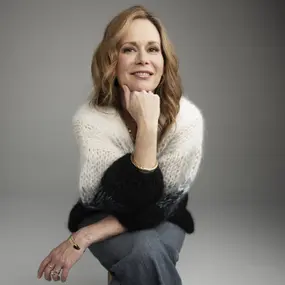
Jennifer Griffith spent eighteen years in technology sales before following a deathbed conversation with her father into the work she was always meant to do. She spent a decade writing, rewriting, navigating rejection, and building a platform from scratch before landing her debut book, Both Sides of Then with Regalo Press. In doing so, she discovered that the skill that made her exceptional at helping her team develop their sales careers was exactly the skill driving her work as an author and speaker: the ability to find the real story underneath the one someone is presenting. She brings that discovery to every stage she steps onto.


