Starting Over: You Can Lose Everything and Still Be Okay
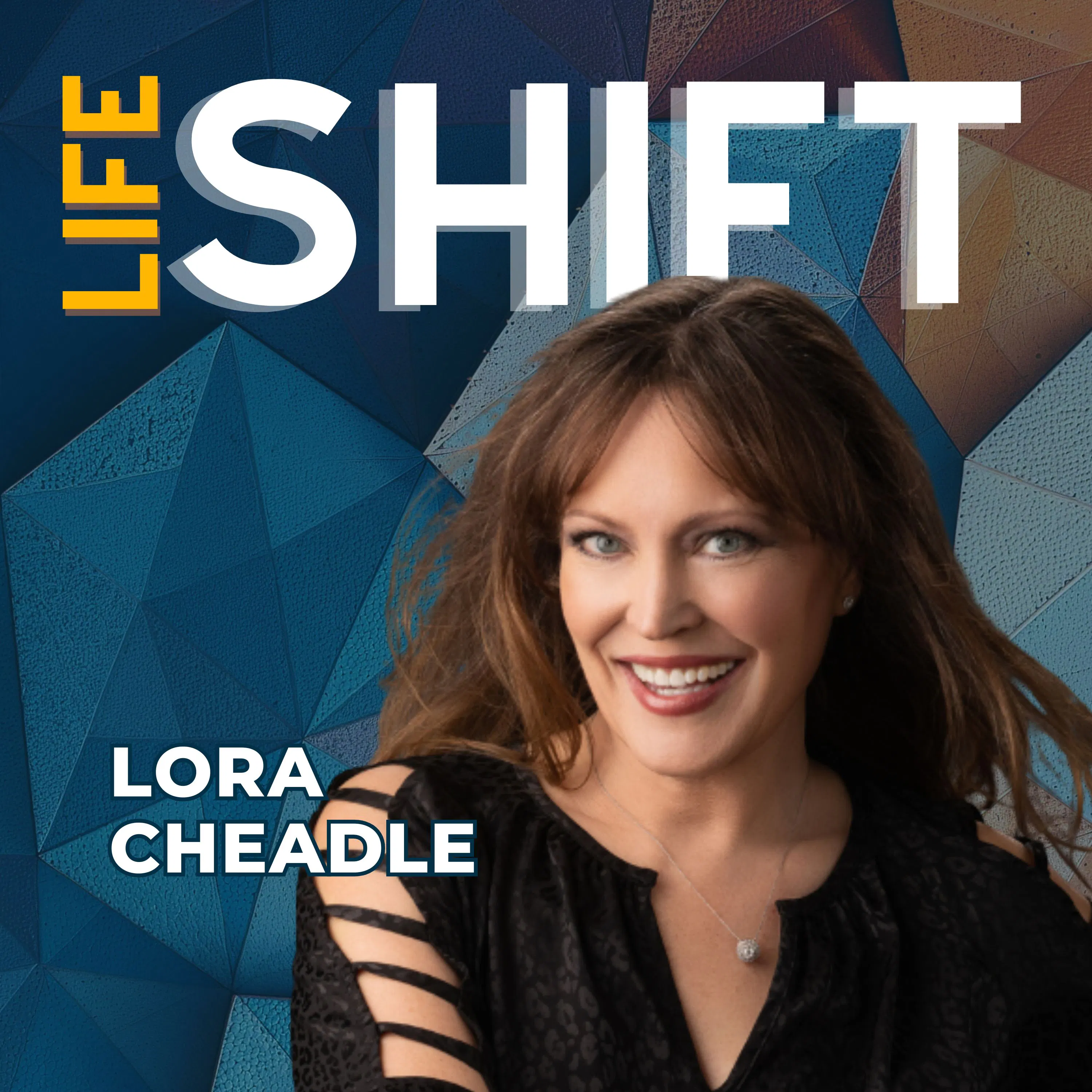
Lora Cheadle discovered a fifteen-year betrayal and lost the identity she built. Hear how she found herself again, one honest step at a time.


 Goodpods
  Podchaser
  PocketCasts
  RSS Feed
 Key Takeaways
- Perfectionism can quietly consume your identity, leading you to build a life that looks successful on the outside but lacks authentic personal fulfillment.
- Guest Lora Cheadle shares her raw experience of discovering a fifteen-year betrayal right on the edge of an empty nest, forcing her to confront a life-altering shift.
- The hardest mirror of betrayal often reveals the subtle ways we have been abandoning and betraying ourselves long before anyone else did.
- True recovery begins at the turning point of realizing that the people who hurt you do not get to dictate who you become.
- Losing everything does not mean the end; Lora's story proves that you can navigate profound loss and still be okay.
- Setting strict boundaries, embracing honesty, and cultivating a smaller, deeper circle are essential steps in rebuilding after infidelity and burnout.
Have you ever built a life so carefully that you forgot to ask whether it was actually yours? Lora did everything right. The good girl, the good student, the good wife, the good mom. And then, right on the edge of an empty nest and a little freedom, she found out her husband had been living a second life for fifteen years.
This is a conversation about what happens after the floor gives way. Lora talks about collapsing, literally, and then getting back up. About the slow realization that the people who hurt her did not get to decide who she became. And about the harder mirror underneath the betrayal, the one that showed her all the ways she had been abandoning herself long before anyone else did.
It is tender and honest and, in the end, hopeful. Not because everything wrapped up neatly, but because Lora found out something worth knowing. You can lose the whole thing and still be okay.
What You'll Hear:
- How perfectionism can quietly become your entire identity
- The visceral moment everything Lora believed came apart
- Why she stopped waiting for the pain to disappear and started rebuilding
- The turning point: they don't get to ruin my life
- What the betrayal revealed about the ways she was betraying herself
- Choosing boundaries, honesty, and a smaller, deeper circle
Guest Bio:
LORA CHEADLE, JD CHt is an author, TEDx speaker, and leadership wellness coach who specializes in burnout and betrayal recovery. She is the author of It's Not Burnout; It's Betrayal: 5 Tools to FUEL UP & Thrive, the award-winning book FLAUNT! Drop Your Cover and Reveal Your Smart, Sexy, & Spiritual Self, and hosts the top-rated podcast, FLAUNT! Create a Life You Love After Infidelity or Betrayal.
Website: https://loracheadle.com/
Social Media Links:
- YouTube: www.youtube.com/@LoraCheadleLifeChoreographer
- Instagram: https://www.instagram.com/loracheadle/
- Facebook: https://www.facebook.com/lora.cheadle
---
Listen and follow: www.thelifeshiftpodcast.com/follow
Subscribe to the newsletter: https://thelifeshiftpodcast.beehiiv.com/
---
surviving infidelity, fifteen year affair, recovering perfectionist, betrayal trauma recovery, rebuilding after betrayal, losing your identity, setting boundaries after betrayal, self-betrayal, staying after an affair, finding yourself again
You Might Also Like:
- Resilience After Amputation: Rebuilding Life From the Ground Up
- Surrender: The Wave That Changed Everything
Frequently Asked Questions
Who is Lora Cheadle?
Lora Cheadle, JD CHt is an author, TEDx speaker, and leadership wellness coach who specializes in burnout and betrayal recovery. She also hosts the FLAUNT! podcast.
What book did Lora Cheadle write about betrayal?
Lora is the author of 'It’s Not Burnout; It’s Betrayal: 5 Tools to FUEL UP & Thrive' and the award-winning book 'FLAUNT! Drop Your Cover and Reveal Your Smart, Sexy, & Spiritual Self'.
What is the main theme of this Life Shift Podcast episode featuring Lora Cheadle?
This episode explores starting over after discovering a long-term betrayal, dealing with perfectionism, recovering from self-abandonment, and realizing you can lose everything and still be okay.
Matt Gilhooly (00:00)
What do you do when 15 years of your life turns out to be built on something that wasn't true? Laura had to answer that question the hard way, on the floor of her own home, gagging from the shock of what she had just read in her husband's email. But this isn't just a betrayal story. It's a story about a recovering perfectionist learning that she could lose everything and still be okay.
Lora Cheadle (00:22)
Our youngest son was about to graduate from high school, and I thought, yay, I'm finally free. I can start traveling because my husband travels, like I said, for work. That's when I found out he had been cheating on me, and not only just cheating.
He had been cheating for fifteen years.
Matt Gilhooly (01:18)
Hello everyone. Welcome to the Life Shift Podcast. I'm here with Laura. Hello, Laura.
Lora Cheadle (01:22)
Hi, I'm so excited to have our conversation.
Matt Gilhooly (01:25)
Well, thank you for wanting to have it. I think it's really such an honor for me to talk to essentially strangers that I've never met before about really personal experiences that they've gone through, life shift moments that have turned them into the version that they are today. And I just think of like the younger version of me and how maybe uncomfortable I would have been, you know, hearing these stories. And now I just lean in because I think
We can find ourselves in so many other people's stories, even if the experience is wildly different.
Lora Cheadle (01:57)
Yeah, I agree. And so many things are like taboo. We can't talk about it. And I really think we should talk about it.
Matt Gilhooly (02:04)
Yeah, I think we're getting better about it. I think people I think especially like this younger generation coming up now, I feel like they're more in touch with unapologetically feeling things. Whereas I don't know about you, but growing up for me, I would feel shame if I felt sad or I felt you know, like I would feel like I shouldn't be thinking this way or I shouldn't be doing and it's like, you're a human, like
Things are gonna go through your you're gonna go through all these emotions and all of that's okay.
Lora Cheadle (02:32)
Right.
Right. Yeah, we're supposed to have them. Yeah.
Matt Gilhooly (02:38)
Yeah. So I think
younger generations now are probably doing a little bit better. But maybe too much. Who knows? Yeah. Well, I am I'm looking forward to this conversation today. Although a hard experience for you, I think there are so many people in the world that have unfortunately experienced something very similar and in the moment may feel completely helpless or hopeless.
Lora Cheadle (02:44)
I agree. Right. There's that balance. We need a balance.
Matt Gilhooly (03:06)
And maybe by listening to our conversation today, they they feel seen, validated, or maybe they just feel inspired to take the next step because that's all we really can do in these life shift moments. So I look forward to the conversation. But before we get into it, maybe you can tell us who Laura is in 2026. Like how do you show up in the world? How do you identify these days?
Lora Cheadle (03:26)
I really identify as raw and vulnerable. I really just see myself as somebody who finally shows up and is, I mean, I haven't gotten over all of my perfectionistic tendencies. But exactly. But I really do see myself as someone who is finally truly comfortable in her own skin.
Matt Gilhooly (03:42)
Probably never will.
Mm, that's it's I think I'm getting there as well. I think, you know, mid forties now I feel like I feel pretty good. Like I feel like I don't have to be apologetic about anything that I choose to do or feel anymore. So I think we'll get there.
Lora Cheadle (04:06)
Yeah. I I'm
almost sixty, so wait till you hit sixty. It's even more freeing.
Matt Gilhooly (04:11)
Yeah, I bet. That's what I hear on this podcast. I hear like and and the things that people are still doing in their seventies and eighties are like, let's go. I got like half my life left. Anyway, thank thanks for sharing a little bit about that. I love that you've led with like raw and and real and that's that feels good. So I I I look forward to this. But maybe you can get
Lora Cheadle (04:21)
yeah. What?
Matt Gilhooly (04:36)
paint the picture of Laura leading up to this life shift moment and that might include going back to childhood or however you want to give us this before version of you to get a good understanding of that that version.
Lora Cheadle (04:47)
Yeah, absolutely.
I think the most relevant piece of my childhood is the fact that not only am I an only child, but I'm an only hey, I love it. But I'm also an only grandchild on both sides and only great grandchild on both sides. And while sometimes people are like, my God, you must be so spoiled, that would be amazing. Yes, and I also had all the pressure.
Matt Gilhooly (04:55)
Me too.
Mm-hmm.
Lora Cheadle (05:11)
You know, it's it's just you. And there is this huge performance pressure. I have to please everybody. So I did. I spent pretty much my whole life. It's not that I was consciously striving to be perfect, but I did the right thing. I was the good girl, I was the good student, I went to law school, I always excelled at things. And I was very proud of that. You know, I I'm doing the right things.
I got married, I had my kids, I had the house. I really tried to be a good hostess, a good wife, a good mom. I tried to keep my body in shape. I tried to keep the house decorated and clean and picked up. You know, there's that part of me that's like, you just do it right. You just lean in and you do it right.
Matt Gilhooly (05:59)
Yeah.
Yeah. And just a it's like a did you have a fear of failure? I did as well because I thought the repercussions were going to be crazy. Although they wouldn't have been, but my mind thought they would be.
Lora Cheadle (06:12)
Right. And I'm not even sure what I thought the repercussions would be. I think I thought I would disappoint myself. And I didn't want to let myself down.
Matt Gilhooly (06:22)
Yeah. So there was no fear of being perfect from like parents or your grandparents or anything, more of just like good stuff. Like they wanted you to be happy.
Lora Cheadle (06:31)
you know, it it was my role to be perfect. Everybody was always like, you know, we love you and we're so proud of you. And like I was a big dancer, you know, so my grandparents would spend the money to send me out of state to my ballet summer schools. And in college I was a pom pom and cheerleader. So, you know, my whole family would come together, we'll give you the money for camp, we'll give you the money for uniforms. And everybody was very loving and very kind, but that was my role.
Matt Gilhooly (06:33)
Okay.
Lora Cheadle (06:58)
It's not like anybody said, you have to have straight A's or we're going to punish you. But I just knew that was my role. I was the one who did it right.
Matt Gilhooly (07:07)
I could I could see an underlying like subconscious thing, like people are paying for this. Like I better I better do really really great. People are taking time out of work to go here, here and here. But yeah, I mean I love that you had that rule for yourself. It's not a it's not really that toxic on the surface, right? But you can probably looking back on it go, hmm, maybe I didn't need to do all that.
Lora Cheadle (07:13)
Yeah.
Right.
Yeah, exactly. Exactly. And like that, you talk about fear of failure. To me, even as an adult raising kids, I stayed at home for many years. I kept things perfect. And sometimes I think, why am I not sleeping when the babies are sleeping? Why am I catching up on the laundry like it's just me? Nobody cares. My husband traveled a lot. And yet still I had to keep things perfect.
Matt Gilhooly (07:55)
Mm-hmm. Yeah. Well, I I think there's also something that when you it becomes a habit. It's not even like a choice anymore. Like the probably the first couple of years you were doing it and you probably got the recognition both internally and externally. So it was like, keep it up. And by the time you're an adult, I mean, for me, it just was ingrained in me. It wasn't like I was I'm sure it was trying, but I wasn't like consciously like, I have to be perfect.
Lora Cheadle (08:23)
Right. It and it becomes your identity. You know, I like how you said that because it does who is Laura? Well, she's the perfect one. You know, who is Matt? Well, he's the one who does all of this. It's it's becomes who you are. And then you don't realize, I have become Matt, but is that really who I am?
Matt Gilhooly (08:33)
Yeah.
Yeah. Did you have those moments where you were thinking, Is this who I am? or were you still on the train of like this you know, this is how it goes. This is n there's no other option.
Lora Cheadle (08:51)
Yeah, yeah. I really just thought that's who I was. And you know, sometimes you hear things about you don't have to do this or you don't have to be that and I think, but this is who I am. I love taking care of things. I love having a perfect environment. I love and I mean, mind you, did things fall apart? Of course they did. You know.
Matt Gilhooly (09:08)
What happened in those moments
though? Like like say in college, like something went not your way, like how were you as a human reacting to that moment?
Lora Cheadle (09:18)
would double down. I would stay up late. I would study more. I would, you know, and and my mom did that too. She was the kind of mom who would be like, that's okay. I'm just going to stay up late. And everybody's going to wake up in the morning and things will be miraculously beautiful. So that's how I was. It's like, I don't need to sleep. I'll take care of it.
Matt Gilhooly (09:19)
Okay.
Yeah. Did any of those these perfectionism this happened to me, so that's why I'm asking. I'm wondering if any of those traits that you had took you down like a semi dangerous road in maybe perfect body. I think a lot of people could go a wrong direction of eating, become have disordered eating or over exercising. Did you get any of those things because of the perfectionism?
Lora Cheadle (09:59)
You know, fortunately I didn't. I yeah, I I really didn't. I I love feeling good in my body, having a background in dance. I'm aware of how I feel and how I function. And I still teach fitness. I've taught fitness since nineteen eighty eight, so a long time. And to me, I love feeling strong. I love feeling healthy. Sometimes I'm like, ooh, this is getting a little chunky in here. You know what I mean? But it's never
Matt Gilhooly (10:01)
That's great.
That's true.
Lora Cheadle (10:26)
It it it fortunately I've never struggled with that because I like feeling good too much.
Matt Gilhooly (10:31)
yeah, well that's that's great. I think a lot of people just get tied up in being perfect. And sometimes you you gotta take the easy way or you gotta take this. You heard, you know, this way is a little bit quicker to do. So so you're living this life of of impressing others, but also impressing yourself, right? There's still this internal drive to do it. It's not all about gaining happiness from others. Is there any of that?
Lora Cheadle (10:44)
Right. Right.
Right.
very high standards for myself. Was it enjoyable to have other people say, my God, you're amazing? You know, and then you're like, I know, right. And it feels good. But it was I was have always and still am very internally motivated. Yeah. That's okay.
Matt Gilhooly (11:01)
Okay.
That's great. I cannot relate. I mean,
at least for growing up, I was, it was so like looking back now, I'm like, what a waste. All those things that you did for other people when obviously they didn't care, you know, like so. That's, I mean, having this internal drive, it makes the perfectionism less icky, or does it?
Lora Cheadle (11:38)
Yes. I wan yes and I think it makes it less icky, but then I think it makes it insidious on a different level. Because if you're pleasing other people, that obviously gets toxic. And then you can it it's more obvious. It's overt. So then you're like, okay, I can back away from that. But when it's all going on inside, I just want to be the perfect wife. I just want to be the perfect lawyer. No, kids are important. I just want to be the perfect mom. When
you're meeting your own standards, it's covert, so it's all okay because it's all within you. Yeah.
Matt Gilhooly (12:18)
So it's is it would
you say it's a little bit of a mask or allows you to mask? On purpose or on like an a subconscious level, do you think? Okay.
Lora Cheadle (12:21)
Mm-hmm. Definitely.
Subconscious. I
honestly did not see that for the longest time. If people would have said to me, Are you a perfectionist? I would have been like, No, I just do things right.
Matt Gilhooly (12:31)
Okay.
I mean honest. So you're perfectly honest with them, right? Yeah. So you're going through life, you you're married, you have kids, you're you got your law degree, you're practicing like all the things are going right in in your life. And you're not feeling d one question before we get further into your story. Do you do you feel happy all the time or do you force yourself to feel happy all the time in that period? Or are you allowing yourself for darker moments and and things that come in between?
Lora Cheadle (12:41)
Yes, that's
Yes. Yes.
Ooh, I love that. mostly I am happy. The reason that I am mostly happy is because I'm constantly meeting my own standards. You know what I mean? It's like, yay, I did this, yay, I did this, yay. However, I had an undercurrent of emotional loneliness. I had an undercurrent of resentment. You just said something a couple minutes ago, like, why did I waste my time doing all those things for other people?
I would have those kind of pity party moments where it's like, nobody sees me and I've done so I've I've made it so perfect and nobody cared. So I'm happy, but I'm a little bit resentful and I'm a little bit lonely.
Matt Gilhooly (13:51)
Which then can can manifest to try to be more perfect. Did that happen to you? I could see that. Yeah. It's hard because when you cause you might did you on the outside s look Pollyanna-ish to other people? Okay. Okay. That's I mean, so totally human understanding. Like we're we're just trying to show up as we think other people want to see us and as we want to see us ourselves, but then there's the human emotions that come into it.
Lora Cheadle (13:56)
Yes. Yes.
Mm-hmm. Very much. Very much.
Matt Gilhooly (14:20)
And then that can be insidious at the word you use of like really forcing you to do more because you don't want to feel that way. So maybe if I do a little bit more, I they'll be happy about it. Right. Everything will be better. Yeah. That's challenging. It's snowballs.
Lora Cheadle (14:34)
Yeah, yeah. It is. And like,
it does. And my mom and my best friend were the two people that I would vent to. But they were very much like me too. So we're like, we'll just dig in. We can just do more.
Matt Gilhooly (14:41)
Okay.
You need like a negative Nancy in your life. To knock you down a few pegs. Yeah. Yeah. So does that undercurrent start growing as you go through your story? Or is like tell bring us closer to this life shift moment if if this feels like the before version of you that we've described.
Lora Cheadle (14:49)
Right. Right. Exactly. Whack me across the face and say, Come on, Laura.
Yeah, you know, it it ebbs and it flows. I am a naturally positive person. I lean into all of the positive psychology and things like that, you know, because it's like, hey, I want to do this, I want to be good, I am happy. Life is hard, marriage is hard, relationships are hard, finances are hard, holidays are hard, you know what I mean? So it ebbs and it flows. But I think I still I thought I had a really good life. My husband and I met in law school, we had a ton of fun together.
Matt Gilhooly (15:09)
Okay.
Lora Cheadle (15:35)
I loved being a mom. My kids were so much fun. We live in Colorado, you know, we hike, we go to the go to Florida and go to the beach. Like we do all these great things. So it's it ebbs and it flows, but I really thought I was a lucky one. I worked hard and I made life really good. And it was really good. But there's also bad, bad, bad moments.
Matt Gilhooly (16:00)
Okay.
Yeah. D
did it did you feel happy? Or were you telling yourself you were happy in those happy moments? I'm such a negative Nancy, sorry about that.
Lora Cheadle (16:09)
Mostly I did.
no, no,
no, I'm I'm glad because it's both. And and it's kind of hard to describe. Like there would be moments where I'm happy, we're doing something fun, we're hiking as a family, we're having fun. My husband would say something, I think, what a jerk, you know, and then you start spiraling in your head, like and then the last time he did this, and then he said, then why do I put up with this? And blah, blah, blah, blah, blah. You know, and then it kind of like sucks you down.
Matt Gilhooly (16:17)
Yeah.
Lora Cheadle (16:42)
And then you put on a happy face because, we're with the kids and we're out seeing fall leaves. I need to be happy. So I it's it's both. And that's why I said it ebbs and it flows. It's not it's not very consistent.
Matt Gilhooly (16:48)
Mm-hmm.
Yeah. That's a challenge. But I think on the surface, I think everyone else would have thought you were happy. You were you were happy in moments. And and and however we define happy, maybe the way you define happy now is different than the way you would define happy before. So yeah. So
Lora Cheadle (17:05)
In moments, in moments.
Yeah, totally, totally.
And my husband traveled halftime for work. And that was hard. It's hard to be alone. Our kids are 22 months apart. It's hard. You know, it's it's just hard to do it all on your own. So there would be moments like that where you're like, another trip? Are you freaking kidding me? You know, and then you're more overtly irritated. great, you have another trip.
Matt Gilhooly (17:18)
Okay.
Lora Cheadle (17:40)
Well huh, they have this stomach flu and I was home alone. So, you know, there's I mean again, there's moments. It's all things in all moments. Yeah.
Matt Gilhooly (17:48)
Yeah. Yeah.
And I think parents would feel that even without a a traveling spouse, you know, like I'm taking care of this and then you're not doing that. You know, we just we're humans. We hit into emotions and and that's how it happens. So you're living what would seem on the outside an idyllic life. What what brings you to what splits your life into this before and after?
Lora Cheadle (17:56)
Yeah.
Yeah, it was a pretty darn good life and it was about to get better. Our youngest son was about to graduate from high school, and I thought, yay, I'm finally free. I can start traveling because my husband travels, like I said, for work. I can start going. Like I don't have to hold the fort down all the time. That's when I found out he had been cheating on me, and not only just cheating.
He had been cheating for fifteen years. Yeah, with five different women.
And I mean to say that my life shattered, you look back over fifteen years, what was real? That was pretty much my kid's whole lifetime. My son was just tur had just turned eighteen. Like holidays, Christmases, other graduations, event w wha how?
Matt Gilhooly (19:00)
Right. Yeah.
Yeah. This is gonna be too much probably to ask, but how did you find out? Did you find out or did someone tell you or?
Lora Cheadle (19:16)
a variety. I mean, when there's that much cheating going on, it it comes out in waves. one I found some messages on Facebook. Another, the woman had sent me a screenshot of a picture that he had sent, and she put it in a card and mailed it to us. Another one I had found out when I went to his email and started searching in his sent items folder. And then the other two he told me about.
Matt Gilhooly (19:45)
What what part hit you the the biggest?
Lora Cheadle (19:49)
The fifteen year one.
Matt Gilhooly (19:50)
Hm. Okay. And like what what what was that finding out one? Like was it which one was like the not which one? The smack in the face moment for you? Would you say that you it was a the old Laura was was no longer?
Lora Cheadle (19:52)
Yeah.
It was it was finding about finding out about the long term one. And that was what I found when I went to his scent items folder. And it was an email he had sent fourteen years earlier. And that I you know, you hear people say, I fell to my knees. I did. My body collapsed. It was involuntary and it was like I started gagging because I needed to throw up. I mean, it was so visceral.
Because the others you're like, Okay, well this is recent or well this is and then you think, This email was sent fourteen years ago and she was saying, Let's celebrate our one year anniversary.
Matt Gilhooly (20:48)
Yeah. Right.
Lora Cheadle (20:50)
I mean
literally it that i everything dropped.
Matt Gilhooly (20:54)
Right, because
that's a full relationship that you can have with someone over that period of time. Yet here you are living in the house, building the dream for him and your children and yourself, of course, but thinking you're you know, you're doing everything not everything, but you're doing the right things. You're choosing the right things to support the family and all the family's needs. And here it is like, well
Lora Cheadle (21:20)
Yeah.
Matt Gilhooly (21:23)
I guess I wasn't enough. Did you get that feeling?
Lora Cheadle (21:25)
My God, yes. And I'm also going to go back to something you said. I was doing everything for him because I at some point it's hard to be a two, you know, two working parents. And his career with all of his travel, I stepped away from my career. And that was our choice. That we will have me stay home so he can progress further and faster in his career. So that
very much was like, no, I am doing everything. I am the one that's home while you're gone two and a half weeks a month. So that mm.
Matt Gilhooly (22:02)
as
much as you love your kids, you're also like, I gave up my life, my career over here, which usually, you know, we balance a bunch of things. I can't imagine. I mean, what I mean, you fell to the floor. This is natural. I think everyone would have this, like, I can't like you literally can't move, can't function. You're not a you're not who you were ever again. What do you do? Like what happens, like
Lora Cheadle (22:07)
My career. Yeah.
No.
Matt Gilhooly (22:29)
the next day. Like how do you move through the world now knowing all this and like protect not protecting, supporting yourself? Cause at this point, you should do that first, right? But you have kids and I'm sure that came into your mind and all the pieces that came with that. But what does the next day look like for you?
Lora Cheadle (22:47)
Yeah. it was weird because it would vacillate between I am on the floor sobbing, I cannot get up, I cannot do anything, and
I gotta get my son home from school. We've got a graduation party in three weeks. It's time to go to his final concert. look, we have, you know what I mean, all of the events. And I was, you know, teaching fitness and I was seeing some clients. And so it's like in these moments, you pull it all together and you're at the band concert going, yay! And then you come home and you completely unhinge and you think, I can't get up anymore. eating and sleeping were impossible.
Matt Gilhooly (23:27)
Do you see those moments, those busy moments, as somewhat of a savior in some capacity?
Lora Cheadle (23:36)
Yes. No. No, I w what I think was good about it is it reminded me that life does go on. And there was there was something really s strong about that because I felt like I didn't know how I could function. I didn't know how I could talk to people. I didn't know how I could tell this story. I didn't know truly, and that sounds so crazy, but
Matt Gilhooly (23:36)
You can say no, you can tell me I'm wildly wrong.
Lora Cheadle (24:04)
I didn't know how it was all going to pull together. And I kept thinking there's so much to figure out. And do I move out or does he move out? And what happens with the kids? And I don't want to ruin my son's senior year. How often do you graduate from high school? I don't want to miss prom. I don't want to ruin his graduation ceremony. So having moments where I could smile and celebrate and be like, yeah, the world is still spinning.
Matt Gilhooly (24:30)
Which is also a smack in
the face sometimes too, when you're going through it. You're like, guys, give me a break. Give me a break here. Yeah, did you did you fall into yourself I I've dealt with infidelity before and I started rationalizing their decisions because of something I did. Did any of that play with your brain?
Lora Cheadle (24:54)
my gosh.
Early on, it was I'm stupid. I'm a horrible conversationalist. I'm ugly. I must be bad in bed. I must have caused this because like it was everything. How could I be so stupid? And then since I was such a perfectionist too, how could I have thought I was good? How could I have thought I created this loving, happy home? How stupid can I be? Because I thought I was doing a good job.
Matt Gilhooly (25:24)
Yeah. That's so unfortunately relatable for so many people, man, woman, however you identify, I think there's there's something about that break of trust. And then to protect ourselves, I think we we do that. Cause we're like, well, see, you know, it was like I this is my fault. You know, somehow, and I don't know how that protects ourselves, but it feels like it does at the time. And it's just so weird and you you're in this situation where you're kind of
I don't know about you. I was like kind of floating through the next couple of months of like making bad decisions. Did you do that? Did you make bad decisions during that time?
Lora Cheadle (26:04)
I was kind of more in a state of freeze than in even making decisions. It was complete collapse, complete lay on the floor and sob. And then it was I have to do what's in front of me, which was I gotta get to the graduation party, I've gotta get the invites out, I've got to. So I was very functional with that.
Fortunately, my husband had moved out. So I didn't have to think about that. He got an extended stay hotel and just moved out that day, that moment. So I didn't have to make any decisions about where am I gonna go and what am I gonna do. I just lived and did exactly what I needed to do, which was the most that I could do.
Matt Gilhooly (26:53)
Yeah.
And at what point in this journey were you ready to tackle rebuilding you and like what comes next? Was it after your son graduated and did his thing or?
Lora Cheadle (27:06)
It was I was so desperate eight years ago. Yeah. I was so desperate. I could not get my feet on the ground. I needed, I wasn't suicidal. I will say that. I wasn't suicidal, but I was completely despondent. So I started right away trying to take care of myself because I was so despondent. And
Matt Gilhooly (27:08)
How long ago was this, by the way? Eight years ago. Okay.
Lora Cheadle (27:36)
By that I mean I went and saw a therapist, which wasn't actually the best thing in the world because she wasn't quite tuned in to what needed to be done. I got a bunch of books. I listened to a bunch of podcasts. I started like downloading some, you know, programs that I'd find on the internet. I was just desperate to start feeding myself something. And I started that probably two days later, just because.
I was so despondent.
Matt Gilhooly (28:06)
Yeah. Well, you make a good point
about therapists. therapy is good, but it also takes some work, right? Like we have to find the right person, not the first person you choose is most likely not gonna be the one you find success with. Because, you know, just like friends and whatnot, you have to find the people that you can trust and feel and like the one that worked for me on paper, you would have been like, This is a no go. Like this is not gonna work. And that was the person that worked for me. So kudos to you for trying it and
You know, finding out that that did you find a different person or did you kind of give up on that therapy route for a little bit?
Lora Cheadle (28:42)
I I went through a couple of different therapists and it was just they're not getting it. They're totally not getting it. And I did a lot better kind of building my own program, you know, because I have my own unique brand of like metaphysical spirituality and energy work. So I'd be like, I know somebody who does great Reiki, I'm doing that. I know somebody who does, I'm doing that. So I really just ping ponged around and whenever something felt good, it was like I'm booking another session.
Matt Gilhooly (29:07)
Yeah.
I mean, that's good. That's therapy. I mean,
Lora Cheadle (29:12)
Well I know. It is.
Matt Gilhooly (29:14)
that's that's therapy. I've talked therapy is one modality, but there's so many different things. I've talked to so many people about all these different things that people have tried. I'm like, I didn't even know that existed. And good for you for for finding that and finding what works for you. Did you find that this concoction of things that you created for yourself started helping at some point beyond like the that one felt good, let me book another session. But did you start to feel different?
Lora Cheadle (29:29)
Yeah.
It took a while, but yes, I did start to feel different. I went well, I was gonna say probably the first solid month, my whole focus was I want this to go away. I want this to go away. How can I not remember this anymore? I want this to go away. I don't want this to be true. And I was obsessed with that. Then after kind of that first month, same thing. I was doing things and I'm like, you know what? I'm feeling more solid. And then that kind of moved into.
Matt Gilhooly (29:44)
Okay. How long did it take?
Mm.
Right.
Lora Cheadle (30:10)
But I'm gonna tell this story. I didn't think this consciously, but I'm going to tell this story the rest of my life because my life has now been ruined. Now that my life has been ruined, I can. Now that my life and then it was maybe three or four months later, where all of a sudden I had this realization, they do not get a ruin my life. Like their decisions, they don't have to impact me. And that was this huge revelation that.
I can still be me? What do you mean I can still be me? They ruined me. And it was like, no, no, no, I can still be me. Whoa, whoa, whoa. I can be me, but I can be stronger. And it was maybe that four-month mark that things really started shifting for me.
Matt Gilhooly (30:58)
Yeah. Do you know what brought you to that point? Or was it just a collection?
Lora Cheadle (31:03)
Yeah, I there was a couple of different things. I had I had a friend say to me, because I said, Who's ever gonna believe me and who's gonna trust me and all this stuff? Because I was doing some life coaching and working with people in the wellness space. And he was like, Dude, wake up. They're gonna trust you more now if they see that you've gone through something and that you didn't collapse. And I was like, Uh-oh. I never thought about it like that. You know, because
As the perfectionist, if you're not perfect, what are you worth? And I that was a huge shift. Huge shift. And then also, and I want to tread lightly here, but my husband and I talked a lot. We talked incessantly. We texted incessantly. We unpacked, we did so much together, and it wasn't always perfect.
But we did a lot of texting because it wouldn't escalate arguments. But it was one of those things where we started seeing each other and I started being able to see myself and to see him and to see our situation in a totally different light. And that was also incredibly healing.
Matt Gilhooly (32:19)
Yeah. Well being able to w did it feel like you were talking deeply for the first time in a while? Yeah, because I think as a perfectionist you don't wanna shake you don't wanna shake the the snow globe too much, right? Like I feel like you don't wanna so you did you not like I'm sure you had deep conversations before, like you're a married couple, but did you feel like you were maybe tiptoeing at times or before?
Lora Cheadle (32:26)
Yes.
Yes.
E a a little bit of tiptoeing. it was more that we were both overachievers. We were both focused on doing things right. We were both so the focus was on how do we do things better? You know what I mean? And then it's like, I'm not gonna bug you with my bad mood and you're not gonna stress me out with your whatever. Let's just just deal with your own stuff and come on, we're really busy.
Matt Gilhooly (33:02)
Hm. Yeah.
Yeah.
Lora Cheadle (33:15)
life is really busy, you know, and it's
like we've got these things to do, just let it go, move on.
Matt Gilhooly (33:20)
And I would imagine those text message conversations, you fortunately, unfortunately, I don't know, kind of discover maybe what made him make those decisions, which were likely not anything to do with you in most cases. But you kind of understand the wounds that maybe he had that brought him to those decisions. And then people get stuck in them.
Lora Cheadle (33:47)
Yeah,
yeah. And for me, no, no. And that's why I said I want to tread lightly because sometimes people have a very strong reaction to cheating. You know, cut them out, be done. Once a cheater, always a cheater, no excuses. There are no excuses. Cheating is a choice. It's never okay. And yet still there are reasons people do things. And seriously, we had been together, you know, what?
Matt Gilhooly (33:50)
Not to excuse anything, but just to say.
Lora Cheadle (34:17)
18, 19, 22 years at that point. I know you. You know me. What's going on? And to finally start uncovering, that makes complete sense. I didn't know that. You were hiding that way. What? That makes total sense.
Matt Gilhooly (34:40)
Yeah. But does that I'm gonna tread lightly here. Does no I'm not, just gonna ask you. Does that give you some kind of feeling that like, why didn't I notice that or why didn't I know that over twenty years? Not to put shame into your life, but I'm just curious.
Lora Cheadle (34:57)
No, no. And that's
part of it. Like, how do I learn these things and not take on the shame? both. There were moments where I felt like I must have been so clueless. But here's here's how it played out. He has a severe trauma background. He was severely abused in all the ways you can imagine abuse, taken away from his parents, foster kid, like it was bad.
Matt Gilhooly (35:24)
Mm-hmm.
Lora Cheadle (35:25)
Back when he was growing up in the 70s, we didn't have a lot of therapy. We didn't talk about things. You just move on and you get over it. Yeah. So he was when I met him, he was my rock. He didn't have emotions. He's big and strong and manly man, and this is great. So I didn't know that. I understand trauma now. I understand what a trauma response looks like. I didn't then.
Matt Gilhooly (35:31)
Just push it down. Mm-hmm.
Lora Cheadle (35:54)
I have to give myself compassion. I have to give myself grace. I didn't know what I didn't know. He didn't know what he didn't know. So yeah, there's the moments where I'll be like, my gosh, I was that was the worst thing to do. Like he would go into a trauma response and I would poke. Come on, come on, you gotta do the I didn't know.
Matt Gilhooly (36:15)
Yeah. Well, I mean, I think what your your story is really just displaying is that like we're all human and we all make choices. Sometimes they're good choices, sometimes they're not good choices, and sometimes the choices that we make hurt other people. And unfortunately, all of that is kind of okay because we're all kind of figuring it out as we go. And we can't be perfect, nor do we want to be perfect.
Nor would we wish what you experienced or what your husband experienced on anyone else. It's this weird like situation where you're like, I get it, but also I would don't want it and I don't wanna get it.
Lora Cheadle (36:57)
Right. But I promise you, I wouldn't have come to be who I am without this experience. And on his side too, he would have never dealt with his trauma before. You know, and then when he started dealing with his trauma, then he's reached out to cousins and brothers and everybody else and let's all talk. Yes, I was abused by them too. Yes, I was abused by wait, you're seeing a therapist? How does that work? You can talk about it. So
Matt Gilhooly (37:10)
Mm-hmm.
Yeah.
Lora Cheadle (37:26)
It creates ripples of healing. And do I wanna have this story? No. Do I want to be on this podcast talking about it? Like, no. But right, I know. But yeah, but as long as we're here, we gotta we've gotta keep talking about it because I wish I would have known you can have your life fall apart and it can still be really good.
Matt Gilhooly (37:36)
Rude. No, I get it.
Yeah. No, I I think th in a small way, that's what this podcast is for me, is that other people out there might be the Laura on the floor and they get to hear your conversation and like, maybe I do need to start poking my own bear to figure out how I move through that it is possible to move through. And so it's the same thing as you described for your husband and the ripple effect in his own family in his own side of the family. I think there's
I I think it's just all about communicating at the end of the day, right? And and and being open with the things that maybe we were told before that we shouldn't talk about. And you should hold that.
Lora Cheadle (38:32)
Mm-hmm.
Yeah. And I love what you said about other people listening to like my story now. Because one of the things I did is I got on Facebook and there's all these Facebook groups, you know, the betrayed wife. my God, there's some bitter people out there. You know, and then you hear all these horrible stories. Don't ever talk to him again. And what else has he done to you? You know, and like wow.
Every person who has ever had a really bad experience is out there sharing it. And it's so easy to read all of that and to just affirm for yourself how horrible it is and what a horrible person they are and what a horrible person you are and no man out there is gonna be safe and you know
Matt Gilhooly (39:13)
Yeah. I'll tell you, it's
very easy to stay in that space though. And you think those people that are bitters, they ha they don't have the tools to process for themselves and to let that element out of the the mad part. Like I think of it very similar to in the past, I definitely went through depression and whatnot throughout my life. And it's so much easier to stay depressed than it is
To find your way through and out. So, like, I I I yes, I'm like, that's a really toxic place for people to go when they're just looking for help. But at the same time, then that compassion part goes in. It's like, it's so much easier to stay there. It's so much easier to stay mad and blame someone else. Not that it's your fault, but keep that blame anger than to let it go and carry on with your life. It's just, it's like depression for me. It's just I
You just put on sad music and then you just stay in a blank. You know, like you just it's so much easier than go out and be. So, you know, what would you say is like I mean, you f you feel very confident. My guess is before you also felt confident, but internal structures maybe have changed or came across.
Lora Cheadle (40:20)
Right, right.
There before I wore a very confident mask in a lot of ways. Yes, I was confident with a lot of things. And there was that mask that I've got this under control. It's fine. And my level of confidence now is I can stand in the mess and be like, woo-hoo, it's fine. I'm totally in the mess. You know, where before it would have kind of unhinged me. I would have been upset about it. I would have, we gotta stop and redo that.
Matt Gilhooly (40:42)
Yeah. Hmm.
Lora Cheadle (41:02)
You know, whereas today I'm like, Yeah, we're all good.
Matt Gilhooly (41:06)
So would you say that your stress levels are lower now?
Lora Cheadle (41:10)
I love that.
Matt Gilhooly (41:12)
It sounds like they'd be more relaxing in this version of you.
Lora Cheadle (41:15)
Yeah, it's more relaxing in a lot of ways. And you know how sometimes when you know more, you know more, and then you know there's more to do. So I'm more relaxed in in a lot of ways, yes. But I also know there's places deeper within me that can still be excavated.
Matt Gilhooly (41:37)
Which is a lot more work than putting on a good dinner party. That's harder work. but you're doing it fully for yourself this time, it seems. What would you say the biggest difference between you now and you before is?
Lora Cheadle (41:40)
Yes, yep.
I've like I mentioned earlier, I've always been internally motivated, but it's a different kind of internal motivation now. It's not performative. Before there was a lot of performance around it. I did the right things. And now I'm like, I don't care if it's the right thing or the wrong thing. I'm doing what really feels like my soul's calling in this moment. If I feel like sitting like this afternoon, I spent some time sitting on the patio reading. I would have never done that before.
But I was like, it's been really busy. I need a break. I'm just gonna go out and read and chapter. I left everybody to figure things out for themselves. Where before it had been like, I'm cleaning the kitchen and can I make you some fresh iced tea? And I was gonna be perfect.
Matt Gilhooly (42:35)
See, stress seems much lower choosing to read a book on the porch than making people some finger sandwiches or something like that. No, I mean I I think there's something to be said about finding that comfort in just being versus finding how to be something. I don't know.
Lora Cheadle (42:42)
Exactly. Exactly.
Matt Gilhooly (43:01)
I where that came from, but it just for me, it's like I finally settled into like this is this is me and take it or leave it. So I'm curious if this new version of you do you have a different set of like do you have new friends and old friends have kind of gone away because that was a different version of you? Or would you say your life is on the surface looks pretty similar to before?
Lora Cheadle (43:30)
Life looks fairly similar to how it was before. I'm very blessed and fortunate that my friends have stayed with me. I had some more superficial friends be like, you are weak. Here here's kind of the conclusion of the story. My husband and I got back together. And there was a lot of judgment around that from some people. How could you do that? Well, it's my life and I get to choose, first of all. And I
Matt Gilhooly (43:32)
Okay.
Lora Cheadle (43:59)
how whatever I choose it it's totally my business. So there was some stress around that. I'd say 99.9% of my friends have stayed. The ones that have left, that's fine. I do have new friendships now. I feel like my friendships have gotten deeper because again, I was the one that would host things and I was the one that really felt like I needed to, I'm the one that initiates the plans. I'm the one that takes care of things. And now it's just like, hey, come on over.
Things are a mess, I don't care. I'm in my pajamas, show up, it's fine.
Matt Gilhooly (44:34)
Yeah. No, I I I I ask that because I think when we as humans evolve, sometimes the friends that showed up for certain things don't need to be coming around anymore because they wanted to just come to the great party that you threw, or they just want to like they know you're gonna s set them up with something really great to experience, and now it's like, well, she's doing her own thing and it's not serving me anymore.
So that's why I
was just curious. I think when we when we evolve as humans, the young version of us, or at least I'll speak for myself, the young version of me felt like I needed to keep hold of everything because if I lose it, that means I'm failing and you know, but now I'm like my friend group is much smaller, but much deeper, as you've kind of described. Because, you know, some people will remain acquaintance slash friends, but some people I'm inviting in my house.
Lora Cheadle (45:32)
Exactly. Exactly. Now this is the big shift. I what the betrayal really like the mirror that it held up to me was all the ways I was betraying myself. All of the ways I put my own needs last. All of the ways I didn't stand up for myself. I took care of others, but I didn't take care of me. So one of the things like with my friends before, if somebody asks, sure I'll go. And now I'm like, I don't have the energy for that right now.
Or I need to leave early. This is too much. Or no, we can't talk about that situation again. It's draining to me. I've got a lot stronger, clearer boundaries. And I say no. And like that, they're my deep friends. They don't go away. They respect it.
Matt Gilhooly (46:19)
Mm-hmm. Would you say that it might also make it easier now that your kids are out of the house to to be able to to to because I feel like lots of women, lots of parents put other people's needs ahead of theirs and that happens to be their children? And that makes sense to me. But it sounds like you were doing it for like extended family and fri everyone. Yeah. No, I I mean I love it. Do you feel like a new lease?
on life, or do you just feel like this is just a evolved version of yourself? Do you feel like you're taking bigger risks? All those things that might come with it.
Lora Cheadle (46:55)
Definitely bigger risks because I tr in a huge sense, I truly lost everything. You know, 15 years ago, yeah, like my existence shattered, my identity shattered, everything I thought was true was not true. And my life was taken away from me. And I was still okay. Wait, what? So it's kind of made me fear-free in a way.
Matt Gilhooly (47:02)
That you knew.
Lora Cheadle (47:22)
You know,
I I can lose it all and I know I'll be fine. Where before I, I can't lose money, title, status, home, friends, family. No, it's it's I want it. Don't get me wrong, but whatever I lose, if I have me, I can rebuild and it's all okay.
Matt Gilhooly (47:46)
How's your relationship with your children? Is it better now? Or is it the same? Do you feel like it was always great? Or do you think that you were holding things back before and now you can be different with them?
Lora Cheadle (47:59)
Had a really close relationship with them, especially because my husband traveled so much, you know, we were alone. they big boys, too. They they're we're a little bit more vulnerable now, they're a little bit more tender, they're a little bit more, and I hate to use the word protective because it's not quite that, but they're part of it is they're growing older too.
Matt Gilhooly (48:01)
That's good.
That's true.
Lora Cheadle (48:27)
But we we have a really neat relationship. And because of it, sometimes the things they tell me, I think, whoa, I would have never told my parents that. But we talk about everything. And I really appreciate that because they know there's no judgment. They know my love for them is unconditional. They know they can show up, they can screw up.
We'll talk it through, we'll figure it out.
Matt Gilhooly (48:58)
Yeah. It seems like the whole moral to your story is communication is like what we all need. Because so many of the things that you mentioned now, like the wins are all in being vulnerable, communicating, sharing what you need, what others need, what you don't want to do for people, what you don't want to do for yourself with each other. It sounds like communication would have been beautiful beforehand with your husband to help him move through.
Lora Cheadle (49:06)
Yeah.
Matt Gilhooly (49:26)
whatever vulnerabilities he didn't want to share. Like it so at the end of the day, like the way we connect with each other should be by being open and not hiding pieces of ourselves. And, you know, the right people we're gonna find if we're truly ourselves, right? Like you're gonna make better friends if you show up fully, Laura. messes and all, whatever you need in your pajamas, however you want to show up, those are gonna be that's gonna be your tribe of people.
Lora Cheadle (49:53)
Mm-hmm.
Matt Gilhooly (49:54)
Whereas the
Lora Cheadle (49:54)
Mm-hmm.
Matt Gilhooly (49:55)
younger version of myself, I would show up the way I thought that group of people needed to see me.
Lora Cheadle (50:02)
Yeah. And here's an another spin on that that in a way takes it a little deeper. No, it's not wrong. It's a little bit deeper, I think. When you can't force somebody to participate in conversation. When you can't force somebody to be vulnerable and share. And again, I'm not saying that I was perfect, but there were so many times where I would have
Matt Gilhooly (50:05)
Okay. Also tell me I'm wrong.
Lora Cheadle (50:27)
the emotional intelligence. I would want to be showing up fully. And my husband would block it because he couldn't do it. And I think sometimes there's danger in thinking I can do it for somebody else. If I just do more, I can get them to do it. You know, and same thing with friendships. It's like communication is key, but you can't be the only one communicating. And those boundaries, so it it's that other piece of the boundaries that
And I don't know what I should have done. You know, what what sh you 'cause you can't force someone to meet you halfway. I wanna learn, teach me.
Matt Gilhooly (50:59)
Yeah.
I can't, no. I I would I would
add to that. So let's just add to each other's things here. I would say so I had a a very surface level relationship with my mother's mother after my mom died. And I talked to my mom's twin brother for the first time when I was thirty. So that tells you about that relationship. So at about tw late twenties I decided this is a one-sided relationship. So I'm just gonna ghost.
Like, I'm just, she's my grandmother, but she's not participating in this relationship. It's just me. I think, so to add to this conversation, I think, even though she was a stone wall as it relates to relation to emotions, I think if I had showed up and said, This is what I'm feeling, and this is why I'm making the decision that I am, I would have met her at the halfway mark. However,
It would be her decision on whether or not she would cross the line. And I think it would have felt better than it did because I just felt like, well, I'm taking the easy way out. I'm just abandoning. So I think there's the vulnerability ask that sometimes we shy away from when we see someone is a little shut down. And and what has benefited me in the last, I don't know, 15 years or so is showing up with my vulnerability.
out here for everyone to see. And if someone is ready, they will take a little step in because they know that I've done it. So adding a little to that, like I wouldn't like if someone was shut down these days, I would be vulnerable still, meet them at that half point mark and then not push va rather than not even walking up to the wall.
Lora Cheadle (52:42)
Mm-hmm.
Yeah, I I so agree with that. And like I was saying earlier, I was not trauma aware and trauma informed. I wish we all could grow up at, you know, third grade, start learning what a trauma response is. Because I would show up sometimes in my vulnerable, wonderful state when he was having a full-blown shame spiral and trauma response, which would then provoke him in these weird ways and everything would go sideways.
Matt Gilhooly (52:52)
Nobody was.
Lora Cheadle (53:13)
And today, you know, I mentioned we're still together. Now I'll be like, hey, I'm backing off. You go have your own little trauma response, whatever, I'm out of here. And like you said, then I'll come up in later and say something. I was feeling really emotionally neglected. It seemed like you were really struggling. do you wanna find some time to talk? And then sometimes, yeah, he'll say no, not now, or yeah, let's go grab a coffee.
Matt Gilhooly (53:40)
Life, you know, just keeps just keeps going and you've you've built this this newer it's not a new version of you. It's just like a you shook off some of the porcelain pieces and like you know, like you're you're more you, I guess. Yeah.
Lora Cheadle (53:41)
Yeah.
Very much. Very
much. Cause I do feel more like when I was a kid, this is the analogy that always goes in my head. You know, you'd play on the monkey bars, you'd swing on the swings, you're on the playground, you're totally unself-conscious. Everybody's running around, you're having fun, you're running up and down grass hills, you're just like, Wee. That's more how I feel now. Exactly. Yeah. So it's just like my energy is out here.
Matt Gilhooly (54:18)
Catch you at the local park on the monkey bars.
Lora Cheadle (54:25)
And it's playful and I've always been a playful person and I'm enjoying it. And there was just so much that got layered and layered and layered on me that made me show up weird.
Matt Gilhooly (54:35)
Yeah. Well, it served you. 'Cause it allowed you to I mean an unfortunate hitting that betrayal mark. But had you not been that way before, would that have changed you in the same way?
Lora Cheadle (54:38)
It does.
Right.
Matt Gilhooly (54:51)
don't know. You know, had I had I got proper trauma therapy when I was eight, we wouldn't be having this conversation. Pretty sure. Hopefully, you know, like in that way. So I think, you know, life takes us on on these adventures and and maybe if we buy into it, that's kind of what's what our point is and why why we do it. So I I really go ahead.
Lora Cheadle (54:53)
Right.
Yeah. Yeah. And I love it. I
like like I was gonna say I like it. And I hope you like your story. And it's weird because sometimes they'll be like, I really love my betrayal story. And it's not that I love it, but I love who I've become because of it.
Matt Gilhooly (55:26)
Yeah, it's a tricky one for me. I don't love that my mom died and I wouldn't wish that on her and if I could change it, I would want to, but I don't know if I would, 'cause I definitely wouldn't be this version of myself. So it's a really tricky, hard thing to say, but you know, here we are a hundred years later and it's you know, it's just a it's a piece of my story that put me on a brand new path. But now I get to talk to people like you, and I appreciate you just kind of going on this journey and
Lora Cheadle (55:29)
It is. No.
Matt Gilhooly (55:54)
having th this conversation in this way, but I I'm sure there are people that have gone through something similar or something about your story has resonated with them. So I'm curious, like what's the best way to learn more about you or get in your circle or send you a message and say, hey, that really hit me right today and this is how I'm feeling. This is what I'm going through. Like what's the best way to find you?
Lora Cheadle (56:14)
Yeah. my website is Laura Cheadle dot com and it's L O R A. And if you are going through something that's a betrayal, I've got a free betrayal recovery guide. There's no strings. It's just betrayal recovery guide dot com. And it's just five things that you can do in the moment to start regulating when you're when you can't get off the floor.
Matt Gilhooly (56:28)
nice.
Yeah. Well, I'll definitely put those links in the show notes so people can click on it. I just really encourage people. Do you have social media or anything that you do?
Lora Cheadle (56:42)
yeah,
I'm on YouTube, Instagram, Facebook, all that.
Matt Gilhooly (56:45)
Perfect.
So I encourage people that are listening like and hear something or hear their story in yours to reach out and just let you know. Because I the reason I do that is not to bother you, but rather I know the power that there is when you tell your story to someone for the first time. And so I just want people to feel that because some that sometimes the stories in our heads are much scarier.
than when we put them into words and share them with other people. So if someone is compelled to reach out to you, I really encourage that. So I hope they can find your DMs and shoot you a message.
Lora Cheadle (57:21)
Yes.
Yeah, you just email me. Say I mean same thing. It's I remember the first time I felt my told my story and it was like such a relief that I didn't implode, you know, because I thought I might literally I might die by telling this. So yeah, please, please tell me the story.
Matt Gilhooly (57:24)
Okay.
Yeah. And and then you you just get that power. Yeah.
Yeah. So I I, you know, I'm sorry that you went through that, but I'm glad to see that you are this version of you because of it and the grace that you've extended to other parties of this betrayal and that you've made a new version of your life with him. I think there's there's so much that we can learn from you as a human and how we can move through.
and forgive or maybe, you know, whatever it may be, just finding the new versions of ourselves to create that new relationship. So thank you for that.
Lora Cheadle (58:13)
Yeah, thank you, because it it's true. What you lose you think is the worst thing in the world and then you discover, wait, there's more there.
Matt Gilhooly (58:21)
Yeah. Yeah, life the moment that we feel life is over, there it can be a new beginning. And if we're if we hear people like you or we have people around us that are are willing to be by our side as we pick up the pieces and start to create anew, we're lucky and we can create whatever we want. 'Cause, you know, your story isn't as much as people might want to say, your story probably isn't fully written. Right? So you can keep going.
Lora Cheadle (58:46)
No. Yeah.
Matt Gilhooly (58:47)
So thank you for for
being a part of this show and being part of my healing journey just by hearing your story.
Lora Cheadle (58:53)
Thank you for having me.
Matt Gilhooly (58:55)
And I'll say thank you to everyone for listening and I will be back in a couple days with a brand new episode of the Life Shift Podcast. Thanks again, Laura.
LORA CHEADLE, JD CHt is an author, TEDx speaker, and leadership wellness coach who specializes in burnout and betrayal recovery. She is the author of It's Not Burnout; It's Betrayal: 5 Tools to FUEL UP & Thrive, the award-winning book FLAUNT! Drop Your Cover and Reveal Your Smart, Sexy, & Spiritual Self, and hosts the top-rated podcast, FLAUNT! Create a Life You Love After Infidelity or Betrayal.


