
She Waited Six Years to Be a Mom, Then Showed Up Without a Single Onesie
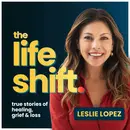
Leslie Lopez spent six years and six rounds of IVF becoming a mom, then showed up to the hospital without a single onesie. Hear how she held joy and sadness at the same time, and the day she asked for help.


 Goodpods
 Podchaser
 PocketCasts
 RSS Feed
Key Takeaways
- Leslie Lopez navigated six years and six rounds of IVF, utilizing a donor and a surrogate to build her family as an independent mother.
- Years of profound loss, including the stillbirth of her daughter in 2014, taught Leslie to protect her heart by refusing to prepare for happiness.
- Arriving at the hospital without a single onesie when her daughter was born three weeks early highlighted the complex reality of feeling joy and sadness simultaneously.
- Leslie speaks candidly about the deep shame she carried regarding her infertility and the emotional armor she wore to deflect questions from others.
- Visiting her stillborn daughter at the cemetery remains a source of genuine joy for Leslie, proving that grief and love can coexist.
- A turning point came when Leslie finally called her struggles by their true name, got honest with herself, and asked for help.
Content note: this episode includes discussion of infertility, stillbirth, and alcohol and cannabis overuse.
Maybe you have waited a long time for something, and when it finally arrived, it didn't feel the way you thought it would. Leslie Lopez spent six years and six rounds of IVF building the family she wanted, with a donor and then a surrogate. When the call came that her daughter was arriving three weeks early, she showed up at the hospital without a single onesie.
Years of losses, including a stillborn daughter in 2014, had taught her not to let herself prepare to be happy. So when the joy finally came, the sadness came with it, and Leslie had no idea what to do about either one.
We talk about the shame she carried when she learned she had infertility, the armor she wore to keep everyone from asking, and the smile she kept on after her loss. We talk about the day she called what she was doing by its name and asked for help, and about the visits she still makes to her daughter at the cemetery, which she says bring her joy. Leslie tells all of it with humor and a lot of honesty, and she leaves a little room for the rest of us to say it too.
What You'll Hear
- Six years, six rounds of IVF, a donor, and a surrogate
- Showing up at the hospital without a single onesie
- Feeling happy and really sad at the same time
- The shame of believing something was wrong with her, and the armor that came with it
- Visiting her stillborn daughter at the cemetery, and why it brings her joy
- The day she got honest with herself and asked for help
Guest Bio
Leslie Lopez is an infertility advocate, entrepreneur, and host of the Mothers in Arms podcast. After navigating six years of fertility treatments, stillbirth, donor conception, and gestational surrogacy as an independent mother, she became passionate about creating more open conversations around infertility, grief, and modern family building. Through her work, Leslie helps women feel less alone while advocating for greater emotional support and awareness throughout the fertility journey.
Instagram: https://www.instagram.com/ieatanddrinklife/
Podcast: Mothers in Arms
Listen and follow: www.thelifeshiftpodcast.com/follow
Subscribe to the newsletter: https://thelifeshiftpodcast.beehiiv.com/
infertility, IVF journey, surrogacy, donor conception, stillbirth, pregnancy loss, happy and sad, grief and motherhood, independent mother, asking for help
You Might Also Like:
- For 12 Years She Checked His Breathing Every Night and Told No One
- Grief: Making Something Beautiful From What Broke
Leslie's Energy Portrait
Episode Playlist
Learn more about your ad choices. Visit megaphone.fm/adchoices
Frequently Asked Questions
Who is Leslie Lopez on The Life Shift podcast?
Leslie Lopez is an infertility advocate, entrepreneur, and host of the Mothers in Arms podcast who joined Matt Gilhooly to share her journey through infertility, stillbirth, donor conception, and surrogacy.
What challenges did Leslie Lopez face while trying to become a mom?
Leslie spent six years navigating infertility, undergoing six rounds of IVF, experiencing a devastating stillbirth in 2014, and ultimately utilizing a donor and a gestational surrogate.
Why did Leslie Lopez show up to the hospital without any baby clothes?
After enduring years of heartbreaking losses, Leslie had built emotional armor to prevent herself from preparing for happiness, leaving her unprepared when her daughter arrived three weeks early.
What is the Mothers in Arms podcast?
Mothers in Arms is a podcast hosted by Leslie Lopez that focuses on creating open conversations around infertility, grief, and modern family building.
Matt Gilhooly (00:00)
Six years, six rounds of IVF, a donor, a surrogate, and a whole lot of waiting. And when the call finally came that her daughter was arriving three weeks early, Leslie showed up at the hospital without a single onesie. Leslie is a lifelong dancer, a mom, and the producer of the podcast Mother in Arms. She had waited years for this moment, and when it finally came, she felt happy and really sad at the same time, with no idea what to do about it. Leslie opens up about infertility.
Loss and the day she got honest with herself and asked for help. It's such a beautiful conversation.
Leslie (00:35)
When
I found out I had infertility, it did feel very shameful. It felt Something was wrong with me. I
didn't work the way my sister or
my cousins or my mom, who's one of, you know, I didn't work the way the other Latina women in my family.
worked quote unquote.
Matt Gilhooly (01:30)
Hello everyone. Welcome to the Life Shift Podcast. I'm here with Leslie. Hello, Leslie.
Leslie (01:35)
Hello.
Matt Gilhooly (01:36)
Thank you for wanting to be a part of the Life Shift podcast, not knowing what you're getting into.
Leslie (01:41)
I'm happy to be here Matt.
Matt Gilhooly (01:43)
Well, I am happy to have you here. This has been such a beautiful journey for myself.
I just think about all the people that I've been able to talk to that so many of them I probably never would have bumped into in my life. And I get to
Leslie (01:56)
Yes.
Matt Gilhooly (01:56)
hear the deeply personal parts of their story.
And and just like what an honor that is. But also I've just like selfishly grown from hearing other people's stories. So thank you for helping me grow through sharing your story.
Leslie (02:11)
I love that. I love that you're growing through this passion project, right? Like you don't have to be here, you choose to be here. And all the surprises that come from it, the healing and the doors that it opens.
Matt Gilhooly (02:24)
Yeah. No, it's beautiful too. And and I just this is so silly to say on the surface, but like we truly do have more in common than what separates us. Like we could live totally different lives, but the way we feel about certain moments, the way, you know, we internalize certain th like it's so similar. So like we're all just here trying to do the best we can with the circumstances we're given.
Leslie (02:50)
We're all looking up at the same moon, standing under the same stars.
Matt Gilhooly (02:53)
Yeah, so
it it I love that I've discovered more humanity here in my forties of just being able to hear other stories. And I know that there are people out there that may be going through something similar to what your story is gonna be about and feel alone or they feel shame or they feel you know, whatever it is, whatever random emotion pops up as we often have as humans.
And maybe maybe hearing your story will resonate with them, maybe validate something they're thinking or help them move, take another step towards something else. So I'm excited about it.
Leslie (03:27)
I'm here for it, I'm ready to rip the band-aid off
Matt Gilhooly (03:29)
Yeah.
Leslie (03:30)
if it helps somebody else heal. And you know what, every time I talk about it, it really does help me heal. It really
Matt Gilhooly (03:37)
Yeah.
Leslie (03:37)
does help with, think about something else that I hadn't quite gotten to.
Matt Gilhooly (03:44)
I know. Your story always I mean, my story changes
slightly every time I tell it because it gets more layer, more layers to it, you know, like you uncover more and you're like, whoops, didn't mean to do that. So before we get
Leslie (03:51)
Mmm, yeah.
Matt Gilhooly (03:57)
into your story, can you tell us who Leslie is in twenty twenty six? Like how do you show up in the world? How do you identify these days?
Leslie (04:04)
2026 has me really embracing the creative that I am. I'm rooted in rhythm. I'm a dancer since a small toddler through my life. And so really just embracing those roots, right? I spent over 20 years.
practicing dance in high school and college and beyond. It's what took me to New York. And so at the end of the day, I'm always this, got this rhythm inside me that I like to really project out in positive ways, right? Especially when I'm getting nervous, I come back to that rhythm. I come back
Matt Gilhooly (04:41)
Mm.
Leslie (04:42)
to that breath. I come back to making my body. How can I ground myself with this nervousness that's going on, this uncomfortable?
I'm also a mom, I'm a mom of an alpha generation toddler. And so that really has me and I'm about to turn 50. So I'm really looking at my life, my health, how do I step up? Where's my energy, right? What kind of young person am I molding? Am I bringing into this world? What does that responsibility mean? And
a producer of this podcast called Mothers in Arms. It's the story of how I had my daughter via assisted reproductive technology. For those of us who haven't had the opportunity to have a family the quote unquote traditional way or some would say the old fashioned way,
Matt Gilhooly (05:30)
Mm-hmm.
Leslie (05:31)
you know.
There's all sorts of things that came up for me. And as I was navigating motherhood on my own, as an independent parent, through an untraditional, maybe not so untraditional now, way, really felt alone and confused
Matt Gilhooly (05:49)
Mm-hmm.
Leslie (05:50)
and scared and terrified.
to admit any of those things to anyone. So today, really embracing that, yeah, I get scared. Yeah, I don't know the way, right? I don't always know the way.
Matt Gilhooly (06:08)
Who knows it?
Leslie (06:10)
But every day there's ways of getting the information, of getting the
help, getting the support,
Matt Gilhooly (06:14)
Yeah. Yeah.
Leslie (06:15)
right? There's always a life vest there for you. Maybe you don't see it.
but that life vest exists in ways that doesn't always look like a life vest.
Matt Gilhooly (06:26)
Mm-hmm. Yeah, no. I mean, to be fair, I'm sure that the feelings that you had as a mother w is like the feeling that every mother has. That like, what do I do?
How do I do I mean, obviously different scenario, but like those feelings of like, Am I doing this right? And all the steps I hear so many stories of like, I wasn't doing it right. And I'm like, what is right? Like, I don't think my parents had a you know, a manual on what to do. I know my dad didn't, because he didn't
Leslie (06:53)
Right? Yeah.
No, no, they didn't. don't see my mom and dad, like, they didn't take me to mommy and me classes. They weren't like getting wellness, mental health
Matt Gilhooly (07:07)
Right.
Leslie (07:07)
support, right? But today, you know, 50 years later, like here, this is all I'm worried about, all
Matt Gilhooly (07:13)
Mm-hmm.
Leslie (07:14)
these things. And so I guess how I can say it now, like, I didn't know, like, I know what I don't want to do.
That's the only manual I have is things not to do, right? Like I don't want to repeat bad habits and bad or just negative, unhelpful, unhealthy patterns and ways and ways of thinking.
that do come up as you're, know, suddenly it comes up and you're like, why am I saying that? Like, I shouldn't be saying that. Am I like really being responsible for the words you use, right? Because
it really can cause scarring whether I'm unloading on my toddler or whether I'm unloading on my boyfriend, right? This unloading of words that I haven't thought through.
It's negative
and I really need to be responsible, right? And hey, I did that, guess what? I shouldn't have done that. I always, it's all how you recover, right? Show my daughter how I can recover and acknowledge that I did something negative.
Matt Gilhooly (08:19)
'Cause you're a human. It's all about that. Like
Leslie (08:21)
Yes.
Matt Gilhooly (08:22)
it's so silly that I say this all the time. But the more I just realize, like, how many of us think, you know, just because I did this, like it was quote unquote bad or something. But it's like, you know, like I just had a bad day and this is how I reacted. And it it's nothing I mean, of course you should, you know, if you hurt someone else in a way, you should feel bad. But
Leslie (08:46)
Right, right.
Matt Gilhooly (08:46)
many of us don't hurt other people by what
we're doing and we still feel shame and things and it's just silly, you know, so
Leslie (08:52)
Yeah,
paying attention to how we I guess what I what comes up is like I notice how I how I do hurt people Maybe it's not with my words or maybe it's just like little actions, right? When you have a toddler these little things that you notice sharing Taking turns patients these little tiny things that you're trying to explain that you're like, well, I don't have the patience How am I supposed how am I teaching patients like what I'm not even practicing what I'm preaching. So it's a whole
lot
of mind unlearning and doing it when you're in 50, right? When I'm a little more set in my ways as opposed
Matt Gilhooly (09:28)
Yeah.
Leslie (09:29)
to, you know, like the way my mom did it when her early twenties, you know, when you're a little more like, there's that. And then there's also like the energy that I have now, you know, I almost 50 like, yeah.
Matt Gilhooly (09:42)
I don't know. I th
you could make a good case for either side. You could make a good case for being totally unaware of the world at twenty, you know, with a kid, or being fully aware of the world and how you want I mean, I think there are pros and cons to both sides, but I mean the
Leslie (09:57)
Yeah, there is. Yeah.
Matt Gilhooly (09:59)
biggest pro is just having a child and having that love and the things that come with it. So you know.
Leslie (10:04)
Yes,
the biggest pro, thank you to your point, is if you do want to be a parent, right, not everybody does, not everybody should, but if you do want to and you've gone through all the steps to get there, right, if it didn't come naturally and you did, it was an investment for you and it did take
Matt Gilhooly (10:23)
Mm-hmm.
Leslie (10:24)
years, then right, then there you are, right? You wanna really make it count, maximize it, right? But I hear...
Matt Gilhooly (10:30)
Yeah. Well, I think you should do that anyway, if you have a kid.
Leslie (10:34)
Yeah, you're right.
I guess this is something that I do struggle and turn over in my mind is, know, all the years that it took me, it took me six years to really create my daughter.
And so then yeah, that does weigh on someone like me, right? like, don't take it for granted. Like, don't like all these little things like
Matt Gilhooly (10:56)
Yeah.
Leslie (10:57)
It shouldn't carry that much weight. I need to find a way to balance it more and see myself as a normal parent, not like an assistive reproductive technology parent, right? Which it's just like a little bit of a, like a little pin that
Matt Gilhooly (11:11)
Yeah.
Leslie (11:12)
I kind of hold right here.
Matt Gilhooly (11:14)
Totally understandable. And I bet a lot of your story, your backstory fills in some of those gaps as to why
Leslie (11:19)
Yeah
Matt Gilhooly (11:19)
maybe you do the things you do. So I'm wondering if you can paint the picture of your life leading up to this main pivotal moment that we're gonna talk about today and go back as far as you need to, day of birth, whatever, whatever makes the most sense to give us that before.
Leslie (11:34)
I was thinking of like, where do I start? Because this story is a little bit of a twist and turn. But I think if I start at the point where I actually had my daughter, when my daughter arrived via surrogacy, literally it was pandemic, it was 2020. And she, my surrogate said, guess what? The baby is three weeks early.
get
your butt to the hospital. It's game time, let's go. And at that point I realized I was not ready. I was not ready. After all this time, right? Six years to create her, a year and a half to sign the agreement with the surrogate, go through all the steps of what it takes, all the tests, all of that, wait for it. Here I was and I did not know what...
I was getting into. I hadn't opened up the car seat. hadn't prepared her nursery. I showed up to the hospital without a onesie or like nothing for a newborn. I just showed up. I showed up I was terrified that.
you know, it was like the clock was, you like the alarm was coming. I was like, my God, the baby's coming, the baby's coming, the baby's coming. And as ecstatic as I was for this moment that I've been preparing for and waiting for, I was really scared that I wasn't.
I didn't know what I was gonna do. How was I gonna hold her? What was I gonna do? They asked me, do you want breast milk or do you want formula? I didn't even know they were gonna ask me this. I didn't even know it was an option. I was working with an agency for my surrogacy journey, but that part was never covered. If
Matt Gilhooly (13:23)
Mm.
Leslie (13:23)
it was covered, I never wrote it down. I did not know what I was gonna say, you know?
Say yes to the breast milk, by the way. If you're listening, it's free, it's healthy. Say yes to the breast milk. I hadn't thought about like, how am gonna drive home by myself? Like, how am gonna drive by myself with a baby? I just, hadn't thought about it. And so a lot of this comes from me just being scared to let myself even prepare to be happy. You know, there'd been so many losses.
a stillborn that I had in 2014 that really was when I sort of put the book down on I'm not gonna be a mother anymore. I'm not gonna be a parent, you know? So there's just so much of armor that's been put up at that point of I am a child-free person and that's how I'm gonna move around this world and don't ask me if I have kids, you know? Don't you see I don't have kids? Like just really defiant about
why I was someone that didn't have children in the world, right? Because I really wanted it. I really,
really wanted it. And when you can't have something and you know how hard it can be, you you put a lot of things on it to make yourself feel like it's okay to,
you know.
Of
course, I would have been fine without a child. Of course, I'd be fine without, know, I could have looked into adoption. I could have looked into fostering a child. I could have looked into being a really amazing godparent, right? And really stepping up and getting my, I don't want to call it a fix of being a caregiver, but really adding to the community of being a caregiver and just really helping out so many parents that
would be like, an hour? You'll sit with my child for an hour? You're a responsible human being? Like, I'll do it, I'll do it, you know? Which I did. I volunteered. I did that for several years.
Matt Gilhooly (15:22)
Yeah.
Leslie (15:22)
But at the end of the day, sorry, was circling back to there I was. I had my daughter and I was scared. And it just came down to, I was realizing that I had it set myself up with the right mental health support.
I hadn't set myself up for properly welcoming my child. All the things that I was scared about and not letting myself really dive into, but suddenly this big weight holding me down. Here was the time to be living my dream, embracing
Matt Gilhooly (15:58)
Mm-hmm.
Leslie (15:59)
it, being happy.
And I just, yes, I was happy, but I was really, really sad at the same time. And I didn't know what that meant. And I thought, this can't be happening to me. Like, I don't have the hormones of pre-menopause. Like, I didn't deliver her. This can't be me. After talking to several mental health therapists and the ART, yeah, it's a big, this happens to men. It happens to women. It happens to all kinds of parents of feeling like,
you've lost your life, you've lost your independence, right? You are no longer you. It's sort of this caregiver, 100 % all of a sudden, know, full 180, full 360. should have really done a better job of preparing myself and getting into hard feelings of what loss feels like, like absolutely sitting in...
in the heart, sitting in the scared, right? Getting
Matt Gilhooly (16:55)
Mm-hmm.
Leslie (16:57)
it in my system, getting out of my system, transitioning through my system, just holding it at bay. It was eventually going to tidal wave in and it did.
Matt Gilhooly (17:06)
So did you did you start with your life shift moment? Would you say that that call was your life shift moment? Okay.
Leslie (17:11)
Yeah, that was, yeah.
Matt Gilhooly (17:13)
I'd love to let's go back a little bit and see w how this brought you here. Cause it seems like you're a different person now than than that moment, which is, you know, a life shift in itself because life did really change for you, both physically and emotionally and mentally, and all the pieces that come along with it. But what were you like before like what brought you?
What brought all these things? Was your life like complicated? Did you have a perfect life? Like what was the early part of your life that built this Leslie that you're just talking about?
Leslie (17:46)
I had a simple life. I had a hardworking
Matt Gilhooly (17:47)
Okay.
Leslie (17:48)
life, right? I was in the hotel and restaurant industry. I was in the service industry. So my life was about serving others. It was all about finding ways to help people feel better with whatever it was, right? So I actually feel like
Going through 9-11 really helped me, shaped, I'm that person who shows up, someone needs help, disaster is at the door. That really shaped who I am into, how can we prepare? How can we get through this? How can we get to the other side? What do you need right now? That caretaker side of me has always been there.
I come from a big family, have big, lots of siblings and cousins. I always thought I was gonna be, have a big family of my own, right?
Matt Gilhooly (18:39)
Mm-hmm. Yeah.
Leslie (18:40)
But when I didn't have that family of my own, when I was suddenly stuck with infertility and having to say, yeah, you are one in six that cannot have a child naturally, right? That you can't just take a pill and fix it. There's no shot that you take to fix it. For you to have a family, it's gonna require,
this road
and that part didn't feel good. When
I found out I had infertility, it did feel very shameful. It felt 100%. Something was wrong with me. I
Matt Gilhooly (19:13)
Did you feel broken? Hmm. Yeah.
Leslie (19:18)
didn't work the way my sister or
Matt Gilhooly (19:20)
Hm.
Leslie (19:21)
my cousins or my mom, who's one of, you know, I didn't work the way the other Latina women in my family.
worked quote unquote.
Matt Gilhooly (19:29)
Yeah.
Leslie (19:31)
So that when that part came into my life in my mid 30s, I became a very defiant person, a very, I want to say a little angry to add an
Matt Gilhooly (19:41)
Mm.
Leslie (19:42)
edge to me a little like, don't ask me questions about motherhood. Don't ask me why I'm not a mom yet. You know, a little snappy, I have to say, I didn't care for that person, but
Matt Gilhooly (19:53)
Which yeah,
but also I'm sure that was armor so that you didn't break down in other ways. I mean, I could make that assumption just 'cause I did the same thing after
Leslie (20:03)
you
Matt Gilhooly (20:04)
my mom died. Like I just assume like if people were gonna ask me, I didn't want people to look like you know, look at me and be like, I feel so bad for you and so I was just a little asshole, you know, like
'cause
Leslie (20:15)
Hahaha
Matt Gilhooly (20:16)
it was easier to just be a d you know, like think about high school. How many your mom jokes did you hear in
So my retort was always like they would be like, you know, going in trying to bully and I'd be like, she's dead. And then they would feel like a big garbage. And like to me, it was like, see? So but all of it was
because I was pushing away the sadness and being able to grieve and stuff. So it seems like that could be why you were do you look at that angry period as you were like maybe not processing all of the sadness?
Leslie (20:48)
Yeah, I understand it now.
Matt Gilhooly (20:50)
Mm-hmm.
Leslie (20:50)
I didn't know where the anger was coming from. I didn't know
Matt Gilhooly (20:53)
Me neither.
Leslie (20:54)
like how layered it was,
Matt Gilhooly (20:56)
Mm-hmm.
Leslie (20:56)
right? Some of it was yes, because I didn't some of it was at myself for not having the guts to speak up and say,
I
can't have a baby naturally, but I want to try harder. I want to try the other avenues. And I was scared to say that. was scared to tell my ex-husband those
things, because I knew he didn't want it, or maybe I was projecting. I was scared to have those conversations, right? I was scared from
Matt Gilhooly (21:24)
Communication is key.
Leslie (21:26)
communication is real key, no matter how hard.
Matt Gilhooly (21:28)
Even for ourselves,
yeah.
Leslie (21:30)
Even to yourself, even to my husband at that point, right?
Matt Gilhooly (21:33)
yeah.
Leslie (21:33)
Even to him, I couldn't say, I didn't want to ruffle feathers. I didn't want to
Matt Gilhooly (21:37)
How about your family?
Leslie (21:38)
rock the boat. My family, you know, it's funny because some things that say, my family would say, you're going to get pregnant. Don't worry about it. just it's coming. was, well,
Matt Gilhooly (21:46)
Hmm. Cause they wouldn't want to talk about it either.
Leslie (21:51)
it was just like never thought that it wasn't going to come. was like never thought like
Matt Gilhooly (21:55)
okay.
Leslie (21:55)
a non option to not like,
guess what, sometimes babies don't come out,
Matt Gilhooly (22:01)
Yeah.
Leslie (22:02)
you know, even though I have like, aunts, elder aunts who never had children because they couldn't, right?
Matt Gilhooly (22:09)
Okay.
Leslie (22:10)
But obviously they didn't have, you know, time back then, you know, science wasn't where it was. The funding wasn't where, you know, where it is. And so, yeah, they didn't have the chance that I did to be able to move forward with six
Matt Gilhooly (22:24)
Yeah.
Leslie (22:25)
rounds of IVF.
a
surrogate, a donor,
Matt Gilhooly (22:28)
Yeah.
Leslie (22:29)
you know, all of these things, which is what it required me personally.
Matt Gilhooly (22:33)
I mean, that's a beautiful dedication though, like to I what what I guess the qu it's like layered because I think of how that's not an easy choice to go like it is on the surface, right? Like it feels like, yes, I want a kid, so I'm gonna do whatever I can. But then you have to go through it. Then you have to like take the first step and then the second and third, but you know, and you have to do all these things. And so I'm curious like what what was the straw?
That made you go, Okay, this is this is what I'm gonna do.
Leslie (23:04)
The
straw was hearing that there was male donors. That was one thing. I didn't even know
Matt Gilhooly (23:12)
Okay.
Leslie (23:12)
that was a thing. But it was just like women who donated their eggs. didn't even, like, wasn't even a thought that men donated sperm. That was one. Two, like looking at my step-grandchildren and...
Matt Gilhooly (23:26)
Mm-hmm.
Leslie (23:27)
just being around them, hearing about them, you know, it was painful, like finding excuses to not go to their birthday parties, know, like that was wrong. I was like,
Matt Gilhooly (23:37)
Yeah.
Leslie (23:38)
why am I like finding excuses? Like, so yeah, things like that. They sit with you and you're like, what's going on? What's the bigger picture here? Like, what do you need to do?
Matt Gilhooly (23:47)
Mm-hmm. Yeah.
Leslie (23:49)
You know?
Matt Gilhooly (23:51)
Yeah, I mean that's it's intense though because
Were you like still because I think of this this version of you that very much wants to be a mother, wants to do all these things, and doesn't have that right now. So here to your point, you're not going to these birthday parties, you're not doing certain things. Are you still living your life as quote unquote normal, showing up on the surface that everything's cool?
Leslie (24:16)
Yeah, I have my two dogs with me at all times. They're like my child, like they're my kids. I'm
Matt Gilhooly (24:23)
Mm-hmm.
Leslie (24:24)
donating my time. I'm, sorry, I was mentoring a child. I would drive like four hours, it was wild. I did this thing for a year, but it brought a lot of joy to me.
I was on boards the California State Summer School for the Arts. I was raising funds to help children in the arts who wanted to do this for the summer. I was on the Wallace Annenberg board. I was very much involved with busy, you with the arts that I love.
Matt Gilhooly (24:53)
Were you enjoying life at that time? Okay.
Leslie (24:55)
I was enjoying life.
was. I was. It was full. It was. But I guess at the end of the day, was, you know, I wasn't allowing myself to really think about a lot of things, you know? Like
Matt Gilhooly (25:08)
Mm-hmm. Keep him busy.
Leslie (25:09)
that nursery, that nursery turned into a studio. Like, you know what I mean? Like it was just not, everything was away. Somebody
Matt Gilhooly (25:17)
Mm-hmm.
Leslie (25:17)
would ask me, I when I remember those days of,
after
I had a stillborn and I was out to dinner like two days
Matt Gilhooly (25:26)
Mm mm.
Leslie (25:27)
afterwards, you I put on like the baggiest clothes I could find and I took that invitation and then I was at the hot restaurant in Beverly Hills, right? And life was back to normal and I was like, well, Leslie, you know,
Don't worry, you're gonna have a kid. Don't worry. Everybody kept saying that to me. Don't worry
Matt Gilhooly (25:48)
Hm, not helpful.
Leslie (25:50)
about this. It's gonna happen for you. you know? And so, yeah, it was just, I kept up with the facade, right? Just
Matt Gilhooly (25:58)
Mm-hmm.
Leslie (25:58)
kept up with the happy, smiley face. And that was not helpful.
Matt Gilhooly (26:03)
Yeah. Well and it's hard too because do you look d if you if that that version of you do you think you would have gone to dinner or would you tell her to be like, yo, slow down.
Leslie (26:14)
Right, like
take a month off, right? Like
Matt Gilhooly (26:17)
Yeah. You got nothing to prove.
Leslie (26:20)
just speak up and say, like what is it? Was it a job? know, like was I gonna be on the air live? No, you know, like it was not a life or death. Yeah.
Matt Gilhooly (26:32)
But I get it. I get it though.
You just want it's it's for me, it was so so much harder to sit in that moment than than just pretend everything was okay to other people. Because I didn't know what to do when someone was going to give me that actual empathy. Like I didn't know how to handle that. Were
you similar or were you good at accepting
Leslie (26:54)
Yeah. Yeah.
Matt Gilhooly (26:56)
that?
Leslie (26:56)
No, 100%. I would, that happened in 2014. I don't know, around 2016 or so. You know, I would go visit my stillborn daughter at the cemetery where she's lying, you know, and I would sit there and whatever. would, I still do, I still do. I'll go, I bring flowers, I pick at the grass. I might listen to a podcast. I might have lunch.
I just, it's my space. I wanna be close to my blood
and this extension of myself, right? I just wanna feel it, you know? And
Matt Gilhooly (27:37)
Mm-hmm.
Leslie (27:37)
people say that, that's so sad. You know, why do you, why are you sitting at a cemetery? But I tell you, it brings me joy.
Matt Gilhooly (27:46)
Yeah. I get it. I hate cemeteries. I don't hate cemeteries. I hate the cemetery that my mom is in. but my grandmother's across the street. Don't hate that one.
Leslie (27:53)
really?
Matt Gilhooly (27:58)
I think it just has it feels I have a lot of feelings about cemeteries, but like
Leslie (28:03)
It matters.
Matt Gilhooly (28:04)
when I w well, it's not even the cemetery. I just hate don't know, I always felt like this big burden to go because
she was
Leslie (28:11)
Mm.
Matt Gilhooly (28:12)
my mom.
And I didn't know what to do there. And it just made me uncomfortable. And I was just like, what am I supposed to do here? But also, I think it's because it felt like a this this I don't know. It was it was a chapter that was unfinished and I couldn't go there to finish the chapter because it was a sudden death. With my grandmother, I was able to do all the right things as she was dying and be with her for her last breath and all the things. So when I go there, it's like, hey, you know, what's up?
You know, and then do whatever and then walk away and everything's fine. When I go to my mom's, I always leave angry. It's very interesting to me. But I I mean, but I get it because I love that you go and you have this joy because you've have this connection. You created that ritual. It's not the ritual wasn't built on a negative where mine was.
Leslie (28:59)
I hear you. Two things. It wasn't always positive, right? It took me a while
Matt Gilhooly (29:04)
Well, of course.
Leslie (29:04)
to get there. And yeah, and then I think about too, I wonder if you do like some kind of cleaning at your mom's cemetery. Like when you go, like is there something you could, like a stone you can bring or a crystal or some sage maybe? I don't know. Like I'm wondering like something you could do. Is that right? Wow.
Matt Gilhooly (29:22)
I don't even think about it makes me angry. Yeah. So I
it's I think it's the fact that it's a closed chapter that I was never able to close. We don't need to go down this road because I have a lot of feelings on that and I know
this is your story. But you know,
Leslie (29:35)
Yeah, I hear you. I hear you.
Matt Gilhooly (29:38)
I'm kind of seeing this picture that okay, I'm I don't want to put this on you, but were you somewhat of a people pleaser at all growing up? Okay.
Leslie (29:47)
Yes, yes,
especially in customer service, right? That was my job. So yes.
Matt Gilhooly (29:53)
Okay. Cause it a lot of that makes sense of part of the stories that you're telling me of like the things you chose to do and why you did them. And it wasn't necessarily like you described early when you were describing twenty twenty six version of you. It wasn't as it didn't it doesn't feel like that before was as internal care as maybe the external care that you were giving others to kind of fill that gap so nobody knows
Leslie (30:18)
Yeah.
Matt Gilhooly (30:18)
that you're not feeling a hundred. Am I wrong?
Leslie (30:22)
No, yeah, you're right,
Matt Gilhooly (30:22)
Okay.
Leslie (30:23)
right. Right, like also, like as a dancer, right?
Like that we're there to give joy, we're there to perform, it's all about give, give, give. So that's, it's funny how you say that. That's, yeah, it's about giving in so many different ways. And also my parents were always like, give.
give before receiving,
Like give, give the best part of the cake, you take the small, right? Always. I was, and now I'm like, I don't know if that advice was, I'm going to give that advice, you know? yeah, it was always others before you. I grew up very Catholic. And so,
Matt Gilhooly (31:04)
Did you have perfectionism traits at all?
Leslie (31:07)
I
did have perfectionism traits through work, through working with Michelin chefs, right? Through working
Matt Gilhooly (31:12)
Mm.
Leslie (31:13)
with these very, very defined, strict, regulated ways. You know, and
Matt Gilhooly (31:20)
Yeah. Well, I th
Leslie (31:22)
yeah.
Matt Gilhooly (31:23)
I was think I only asked that because I was thinking of, you know, when you said, you know, you got the call and you weren't prepared and you didn't have all this information. For me as a trying to recover perfectionist, to me it would be just like me not doing certain things because I'm afraid I wouldn't do it right. So I'm just not gonna do it at all. D was any did it like I didn't prepare
Leslie (31:41)
Right, yeah.
Matt Gilhooly (31:44)
because if I didn't prepare, then I can just say I didn't know.
Leslie (31:48)
Right. I didn't know. no,
Matt Gilhooly (31:49)
Versus I prepared and it was wrong.
Leslie (31:52)
the Excel sheet was there. I had consulted
Matt Gilhooly (31:54)
Okay.
Leslie (31:54)
five different professional parents. I had picked and chosen the things, you know, like I had gathered the items. I just hadn't unwrapped and
read and, you know, like the finishing detail. Part of it was...
I can say part of it was really wanting to hang on to the last days of my being on my own, right? Of really, of this life that I had all to myself for the first time in my life, like living in my own space, living like I had just come out of a marriage. had just, all these things that had happened, right?
I was still regrouping, was still recuperating who I was as a person, right, from a divorce.
And now I had an infant, so it felt like I could no longer mourn my divorce. Now I have to be this happy, positive caregiver to this bundle of light in front of me, you know? And
Matt Gilhooly (32:58)
Mm-hmm. No pressure.
Leslie (33:00)
no pressure, do it by yourself in COVID without anybody, go! You know?
Matt Gilhooly (33:04)
Yeah, exactly.
Leslie (33:06)
So that really...
you know, not having the support, not being able to hire a nanny, right? Like the
Matt Gilhooly (33:09)
Yeah.
Leslie (33:12)
way, without being like, the only way I can hire you is if you take a COVID test, if you isolate for 12 days,
if you live with me, right? Like all the, not just like a normal babysitter in and out. So was just all these extra steps that I had to do that I just wasn't prepared for. Like going to the grocery store was a whole...
Matt Gilhooly (33:34)
whole thing. Yeah, true. Bring your Clorox wipes.
Leslie (33:35)
Go to battle, you know?
Matt Gilhooly (33:39)
so when did the all that start to click in for you?
Leslie (33:43)
So I had to admit to myself, she was about a year and a half. I was dating my
Matt Gilhooly (33:48)
okay.
Leslie (33:48)
boyfriend long distance. He was living in Atlanta and I was in California. We started dating on the phone, on the computer, the way people did in COVID, right? I had known him from many years before, but here we were rekindling our friendship. so,
Long story short, he moves in with me right before she turns two. And I was paranoid that I was like, how is someone going to live here with me when my child doesn't sleep? Like she literally was not sleeping. I was a walking zombie. So everything that I had had experienced when she was a newborn now as a sleep deprived.
47 year old, was, you know, it was not a good picture for me, you know? So I tried, I got different type of help. I had to really look at myself. All right, well, take away what's not working, right? Like we were talking before, what is working? What's not working, right? Well, I know what wasn't working, right? My excessive drinking.
It wasn't helping me. My cannabis use wasn't helping me. You know, this stuff was only making me more paranoid and
Matt Gilhooly (34:59)
Masking. Mm-hmm.
Leslie (35:01)
tired and, you know, and saying, no, it's not, no, it's not. mean, let's be real, right? When, when adults, when we get into our late forties, alcohol, cannabis, it just, affects us differently. It just really does. So
Matt Gilhooly (35:14)
Yeah. Yeah.
Leslie (35:16)
I had to, I had to do, it was like,
this come to Jesus moment, like, Leslie, do you have, are you over, are you, can you look at yourself in the mirror? Are you overusing alcohol? Yes. Okay. Are you overusing cannabis? Yes. Okay. So I went, had like through my health insurance, I met with someone with an addiction counselor.
Matt Gilhooly (35:41)
Yeah.
Leslie (35:42)
Saying that word was huge. Addiction counselor.
Matt Gilhooly (35:45)
Yeah.
Yeah. It's I mean, it's important.
Leslie (35:47)
Yeah. So, yeah.
Matt Gilhooly (35:50)
It's important to say it out loud too, because there are so many other people
Leslie (35:52)
you
Matt Gilhooly (35:53)
who probably know they need to do something, yet can't yet come to that point or know that they could reach out to these resources and whatnot. You know, I just think of when you brought up I mean you probably had addiction to other things in life too.
perfection, you know, or people pleasing, you know, so all of those things can be that we do them because there's there's a reason that we do them, in my opinion. Do you was there anything behind excessive drinking for you or excessive cannabis use, do you think?
Leslie (36:27)
Yeah, I mean, I think I was definitely like sleep deprived and tired and I didn't know how to be like, you know, I wasn't working. was, I was really scared of being.
the wrong type of parent, right? Like I didn't know what I was doing. Am I doing it wrong? Am I doing this right? I was putting her way too much before me. I was wanting to really make sure she had everything
you you're supposed to sleep when they sleep and like
none of that was happening. You know, I would, yeah. Yeah, I was and
Matt Gilhooly (36:59)
Most moms would say that that it doesn't happen. Yeah. Can I ask you a difficult question?
Leslie (37:05)
yeah.
Matt Gilhooly (37:06)
That's just is gonna sound totally rude, and I don't mean anything by this, but I do
Leslie (37:10)
Okay.
Matt Gilhooly (37:10)
want to just see, because I'm curious. was any part of you with with your daughter not, you know, sleeping a lot and doing all these things, was there any part of you that had like some kind of feelings like this is not the the vision I had for motherhood or
a shame
Leslie (37:24)
100%.
Matt Gilhooly (37:25)
of
you know, why did I do this or any of those kind of feelings? Nothing about your daughter specifically, but about the experience.
Leslie (37:28)
Yeah. No, but, but
yes, I found myself saying like, this is not what I signed up for. I never asked for this. Like, as if that's helpful, as if that's gonna change anything,
Matt Gilhooly (37:43)
No, but it's truthful. I mean it's honest.
Leslie (37:45)
you know? And even sometimes when she was an infant, I would like say it in front of her, you know?
Matt Gilhooly (37:52)
Mm.
Leslie (37:52)
And I'm so whispering it because like that's how awful I feel that I did that.
Matt Gilhooly (37:57)
Yeah.
Leslie (37:58)
You know, like, it's her, not her fault. She didn't ask to come into this world. Why
Matt Gilhooly (38:02)
I understood.
Leslie (38:03)
am I like yelling at her for me being tired?
Matt Gilhooly (38:08)
Yeah.
But I mean, again, we say this out loud, and I bet you there's mothers listening to this right now going, Felt the same thing. You know, I feel
Leslie (38:16)
Yep.
Matt Gilhooly (38:17)
the same way. I did had the same thoughts. And again, it's just human, like you're still not o you are a mother, but you're also
Leslie (38:21)
Yeah, yeah, but...
Matt Gilhooly (38:25)
a human and you can do things maybe the not the best way and that you learn from that and you don't continue it. That's the important thing. So right.
Leslie (38:33)
you learned from it,
right? And you see, you know, on the news we hear extreme cases, right? Of like how this
Matt Gilhooly (38:40)
of course. Yeah.
Leslie (38:41)
goes this way or how it goes that way. And it's these, right? These bright lights in my eyes of like, wow, okay. Show yourself, what did you, what part of that is you and part of that is not you, right? Like
Matt Gilhooly (38:54)
Yeah.
Leslie (38:55)
just own it. And it makes me like embarrassed, you know.
of some of the things that I said and even did to myself. Like,
Matt Gilhooly (39:05)
Yeah.
Leslie (39:06)
does it help me to have an entire bottle of wine? know, knowing that,
Matt Gilhooly (39:10)
Maybe in the moment.
Leslie (39:11)
like, knowing that I'm gonna have to wake up probably at 4 a.m. to, you know, or whatever it was. Like, I knew, I knew I was gonna have to wake up. I knew I was gonna have to get to that mommy and me class and, you know, all of that. But I was sad and I was...
read
and I just focused on that in the moment fix, you know, so.
Matt Gilhooly (39:35)
Yep. You're not alone in that.
And I hope you don't carry that shame anymore.
Leslie (39:42)
You know, think there's times, of course I do, I do. There's times where I think of it and new times when I start to feel myself get upset or I
Matt Gilhooly (39:53)
Mm-hmm.
Leslie (39:54)
need a drink, I need a fix or whatever it is, right? It's helpful to remember the moments of these dark, what I consider dark moments of
Matt Gilhooly (40:01)
Yeah. Yeah.
Leslie (40:04)
my actions.
Matt Gilhooly (40:05)
I would I would say I agree. I just hope that you're able to put the shame down at some point.
Leslie (40:12)
And I hear what you're saying. And yes, I have to, right? Otherwise, I'm to sit in this corner and like not be able to function, right? 100%. I have to see the yin and the yan. And I talk to mothers, parents who have children that are teenagers, adults. I see my nephew who's in his
Matt Gilhooly (40:27)
Yeah. I bet. Yeah. Yeah.
Leslie (40:31)
20s, right? So it's important to see the other side 100%. And as
we were saying, no.
Matt Gilhooly (40:36)
I'm not telling you what to do. You can you can keep it if you want,
but I hope my hope for you is that you are able to let down the things that again don't won't serve you now. So but
Leslie (40:47)
Yeah
Matt Gilhooly (40:48)
it's so you were saying that your your boyfriend decided to move in when you were maybe not at your peak best.
Leslie (40:55)
Right, so it was like instant family. I
felt like I was on a reality show. You know how there's that like 90 day fiance? I felt like I was in a 90 day instant family. I kept looking for the cameras. I'm not kidding.
Matt Gilhooly (41:08)
Mm.
Leslie (41:09)
I was like, what's going on? It just, just like really out of body.
And it was like, is this? And so there was pros and cons to it. Four years later, here we are chugging along and we're teaching our daughter that families come from all walks of life. Families look differently. When she starts to talk to us about, can you give us a sibling? And we explained to her why I cannot.
give her a sibling,
you know, why that's not the cards for us right now. Not just biology wise, just financially, we can't do it. So all of those things, right? She keeps us learning and owning what our family looks like, you know, when
Matt Gilhooly (41:56)
Mm.
Leslie (41:57)
we're at, you know, out in the world at the park or at a restaurant and someone...
says, look at your family or comments on our family. It's just, brings to mind, you know, depending on the comment, you know, sometimes it can, yeah, it does kind of hurt, you know, if it's just like,
Matt Gilhooly (42:15)
Why did why are people commenting on your family?
Leslie (42:19)
people always say, are you guys going to have more kids? When are you guys going to have more kids? Come on guys, have more kids. Like strangers,
Matt Gilhooly (42:27)
Why do people say that are these people you know?
Leslie (42:29)
it's like strangers.
and people we know, but usually, now people who know us, know that we cannot, but usually, even at school, like back to school night, yeah, it is weird. It's, yeah.
Matt Gilhooly (42:39)
So weird. In twenty twenty six it's very odd that people would
would say that. Well, you know.
Leslie (42:45)
People
with children, like they think it's normal to ask about people's families, right? Yeah, but I'm here to say like, it's not. Find something else to ask about, know? Ask about the pasta we're eating or the movie we're here to see, you know? More commonalities.
Matt Gilhooly (43:00)
Yeah. Yeah. Or what right.
Yeah. Or what you know, sport or activity your daughter's excited about next
Leslie (43:09)
You know?
Matt Gilhooly (43:11)
year, you know, like little things like that. But when are you gonna have more? That seems really invasive and
Leslie (43:15)
That's
a normal one. That's a common one that we get a lot. That now we say she's the one and only, all done.
Matt Gilhooly (43:24)
Yeah.
Leslie (43:24)
try to say it without a jab
Matt Gilhooly (43:27)
Yeah.
Leslie (43:27)
in my tone. It's all in how I present myself.
It's true. It's true.
Matt Gilhooly (43:30)
Yeah. And also you don't have to explain to anyone anything. You don't owe them that.
Which is hard it's easier said than done, but like that's
Leslie (43:38)
It's true.
Matt Gilhooly (43:39)
not their business and they can walk away from that. That's very interesting. So I do wanna ask you,
Leslie (43:42)
Yeah, that's all.
Matt Gilhooly (43:46)
the way you described having your daughter, can you explain a little bit more about that? Because I think all I'm familiar with is just the IVF talk. So I'm curious what that looks like.
Leslie (43:57)
Yeah, IVF, right, like one round of IVF doesn't necessarily mean you got what you needed, right?
Matt Gilhooly (44:04)
Right.
Leslie (44:05)
Depending on how old you are when you get it. For me, I started my IVF in my mid-30s, so it took me six rounds to get as many eggs as I could. When my actual daughter is made from my biological eggs in my mid-30s,
but the sperm used was donor sperm that I got through an agency.
Matt Gilhooly (44:26)
Got it. Okay. Mm-hmm.
Leslie (44:29)
And so I was trying to replicate through the male sperm what my ex-husband looked like was because
Matt Gilhooly (44:35)
Interesting. Okay.
Leslie (44:37)
he suffered from male infertility as well. So I was trying to create a family that I had, right? So when looking through
Matt Gilhooly (44:46)
That makes sense.
Leslie (44:46)
the mail, when shopping through...
through the avenues. mean, it's like literally you can, whatever you're looking for, you can find if
Matt Gilhooly (44:55)
Yeah.
Leslie (44:55)
I remember seeing like Justin Timberlake on there, like I was like, what? Kobe Bryant, what? But you can say, right, I want this level of education. I want this height level, this eye color, this nationality. You can say the things that you want. Doesn't mean the agency will have it, but.
There's so many different agencies. Number one is ethics. You want to go to someone who is doing the ethical thing.
And so we went to this agency. I was looking for Jewish donor. And so my options were 80 candidates total compared to the thousands that I was looking at if I was just sort of looking a little more openly without this
less filters. And so
Through there, I was able to hear the candidate's voice, hear him answer questions, have all of the background on his health, his parents' health, his grandparents' health,
How many times he had donated sperm, where the sperm had gone, like who bought it, how many vials, all of that. And so that's how I got my donor. And then once I created
the embryos, those get sent out to get tested, make sure that they're good quality. And then I had to wait for a surrogate. At that point, it's where do you want your surrogate to be in state, out of state, know, depending on where you live, what are
Matt Gilhooly (46:18)
Right.
Leslie (46:19)
you looking for? What's most important to you?
Matt Gilhooly (46:22)
It's a lot of work.
Leslie (46:23)
It's a full-time job. It's literally a
Matt Gilhooly (46:25)
Yeah.
Leslie (46:25)
full-time job. And so it took about almost a year.
to get someone in California that aligned with my life, with the way I lived my life, that she lived her life with her husband. To be a surrogate, you have to have children of your own. You
have to have a healthy support system around you. don't have to be married, but you do need to just have someone to help you.
you know,
someone who's taking the doctor's appointments or whatever it is that you're doing, you know? So it all happened in California. I was very, very lucky to have a husband and wife team who had been, she had been a surrogate twice before. I was her third journey. So I
felt very, very blessed to do it with someone who knew the ins and outs, right? This wasn't like something that was new to both of us.
Although we had a lot of news, a lot of curve balls, a lot of firsts. But I was, we had zero, pretty much zero hiccups. It doesn't go that way for everybody, right? I'm sure you've heard all the different stories that
Matt Gilhooly (47:29)
Right. Yeah. That That's a b yeah.
Leslie (47:34)
come out, you know. And even with all the stories with, mine, but even with all the horror stories, even some of the news right now.
Like I still very much advocate for doing this if this is something that people want to do, right? If having
Matt Gilhooly (47:49)
Yeah.
Leslie (47:49)
your biological child is what you want, you can do it. You don't have to go into debt for it, right?
Matt Gilhooly (47:56)
Right.
Leslie (47:57)
You don't have to choose between having a house and having a family. There's loans you can take out. There's grants you can have. There is economical ways to do it, but...
Most
importantly is to do it ethically, get legal, get legal, get legal, get legal, get the right team.
Matt Gilhooly (48:10)
Yeah. Yeah. Are you glad you did it this way?
Leslie (48:17)
I'm glad I did. I'm glad I should say do it with the right mental health and the right legal.
Matt Gilhooly (48:22)
Yeah.
Leslie (48:23)
I am, I wouldn't do it any other way. I'm very blessed to have come out this way.
Matt Gilhooly (48:28)
Yeah.
Leslie (48:29)
And I would do it again if I had the finances
Matt Gilhooly (48:32)
Okay.
Leslie (48:32)
and I was younger. But right now I just feel like my family's complete.
Matt Gilhooly (48:37)
Yeah.
Leslie (48:38)
I really do, I'm inspired. I'm inspired by all the doors that it opened and that I saw how people need help with this. I wanna be able to help guide others with the questions that come up with this with.
all the bumps
Matt Gilhooly (48:53)
Yeah.
Leslie (48:53)
and the rocky road that surrogacy is, you know?
Matt Gilhooly (48:57)
Mm-hmm.
Yeah. And to be open about it is so helpful. I think. And the specifics
Leslie (49:02)
Yeah.
Matt Gilhooly (49:03)
and all the details because I don't know. I think the more we know, the better we're all gonna do, right? Like we we hide so many things in the shadows. And not that I'm saying that that happens now, but there are a lot of things that are still in the shadows that people don't talk about because we think, well, if I put what are people gonna think about me? But
We're not the
only ones going through whatever we're going through. So I think the more we share these things, the more we normalize and the more that and the less people care, right? In the way that,
Leslie (49:33)
Yeah.
Matt Gilhooly (49:33)
you know, like in a bad way, the less people are like, judging.
Leslie (49:37)
That's right. And the way you said it, normalize it, right? think.
surrogacy can be seen as something for pop culture or you know
Matt Gilhooly (49:46)
Mm.
Leslie (49:46)
with the one percenters or you know the reality tvs you know and no it's not just for the elite you know surrogacy surrogacy really started in the military military wives were the ones that were really doing this to help other families right while they were waiting
Matt Gilhooly (50:03)
interesting.
Leslie (50:04)
for their partners to be out in the field they wanted to help you know so in california that that is how it
Matt Gilhooly (50:10)
Yeah, wow.
Leslie (50:11)
started
And so when you put aside all these like, yes, of course, it's a way to make money. Yes, of course, surrogates can make a lot of money and agencies can make a lot of money. And yes, of course there is that, you know, but focusing on, you know, these families who, you people who have cancer, people who've gone through.
12 years of trying to have a family, know, their life savings, like all the stories, like that's where the love is, you know?
Matt Gilhooly (50:41)
Yeah. But I don't you know, and
I also don't think we need to categorize it. I think if that is the choice that you want to make
you make it and it you know,
Leslie (50:48)
Yeah. Yeah.
Matt Gilhooly (50:50)
we don't have to assign it anything. And I think
Leslie (50:53)
Mm-hmm.
Matt Gilhooly (50:53)
that's why we talk if we talk about it more, we normalize it more. It's just another option on the list of
of family making, you know? So
Leslie (50:59)
Yes. Yes. Some people
see social surrogacy. They lowbrow it. They say, those those women, you know what? Judge Judy's keep it moving.
Matt Gilhooly (51:09)
But they can go somewhere else. Well, I will say, like looking at when you talk about
certain parts of your life, you light up. When you talk about like some of that early early part, it's not as bright. So I think you're on the right track. I think it it's it feels like and I'm not just talking about this light that you're trying to avoid in your house that's hitting your face.
Leslie (51:33)
Right this side. You see me shifting? I'm trying to
shift the light.
Matt Gilhooly (51:37)
I thought you were nervous. You just find in the rhythm.
Like you said earlier. No, I I there is something
Leslie (51:42)
haha
Matt Gilhooly (51:44)
palpable about your energy when you talk about these things that you're really passionate about and who you are and what you're leaning towards. So thanks for putting that out into the world. I think it's really important. You said you wrote a book.
Leslie (51:57)
No, no, didn't. No, I did. I
Matt Gilhooly (51:58)
okay. You're a you just have a podcast.
Leslie (52:00)
have the podcast. Yeah. And through the podcast, it's it's a version of I do it on Instagram and TikTok. And so it's
Matt Gilhooly (52:07)
okay. So it's more like a live kinda?
Leslie (52:11)
I do like my move. I do this movement that what's
Matt Gilhooly (52:13)
Okay.
Leslie (52:14)
live is my movement. It's my way of healing. It's my
Matt Gilhooly (52:16)
Nice.
Leslie (52:17)
way of dealing with loss.
is I come back to this breath, right? And so it's this, was a dancer with the Martha Graham Dance Company for a while. So I get this, it's called the C-curve.
Matt Gilhooly (52:30)
Nice.
Leslie (52:31)
The C-curve breath. It really does. It
Matt Gilhooly (52:33)
I like that. And that brings you joy as well? Or does it settle you? Yeah.
Leslie (52:37)
really, you know what? It's this like an endorphin burn, right? This
Matt Gilhooly (52:42)
Mm-hmm.
Leslie (52:42)
sort of like, this sweat, this not thinking about anything else other than.
what your body is doing, right? The same high I get when I do yoga or when I'm doing Pilates,
Matt Gilhooly (52:52)
Nice.
Leslie (52:53)
right? It's comforting. Okay. I like it, Matt.
Matt Gilhooly (52:54)
So also I think you should write a book. It feels like you have a journey to share that would be valuable to people. So no pressure, but I mean I'm
sure there's a lot of things that you would be able to dive deep and kind of share the raw. Cause I think there are women out there that that feel this way and they feel like ashamed to feel that way and they think they're the only ones. So that's why they feel ashamed. And
they read something of your story. Or I
mean you're going on podcasts and you're sharing your story in this way, which I think is beautiful because who knows who's listening. Right. And if maybe if they feel validated in how they're feeling, that ripple effect that it might have on the people around them and getting to this normalization of like, we are full humans. We are allowed to have these feelings, even if on the surface they look terrible. And we're allowed to share that because
It's the only way we're gonna get through that. So
Leslie (53:51)
It is the only way we're going to get through it. Being a full human is, love the way you wrote, you said that, that's so true. And I'm going to ride that. I am this, this wave is, is I love that, you know,
Matt Gilhooly (54:01)
Yeah. Yeah.
Leslie (54:05)
it's the only way to be.
Matt Gilhooly (54:06)
It honestly that was, you know, growing up for me, it was like I was only allowed or I thought I was only allowed to be angry or happy because I was a boy.
Leslie (54:14)
Mmm.
Matt Gilhooly (54:14)
I wasn't allowed to be sad. I wasn't allowed to be all these things. And once I twenty plus years of failing at grief, I finally kind of moved through losing my mom in my thirties. And at that point I was like, Look, it's okay to be sad. It's okay to be mad. It's okay to be
Blah. It's it's okay to be all of these things. You don't need to sit in them forever like you did in your past. But if you acknowledge them, say it's okay. Move through the world as a full human. Like don't just pick and choose your emotions that you're gonna be sharing. There needs to be all of
them. So I hope we all do that
Leslie (54:47)
Yeah, that's,
Matt Gilhooly (54:49)
at some point.
Leslie (54:50)
it's true. I feel like if I were to just sit in this, I'm infertile, I'm less than, and I just kind of get stuck there and let that sort of block.
then I can be here for years. I can sit here, you know. But, you know, that's what people said to me, you know, you're Latina, you shouldn't be working for the French. you're Latina, you shouldn't be speaking French, right, for example. Or, you're Latina, you shouldn't be doing this or that. Like, just because, gonna use the word minority, right? Because that's what...
infertility can be, can be
Matt Gilhooly (55:27)
Mm-hmm.
Leslie (55:28)
looked at. Maybe it's because I'm so used to being called a minority or living
Matt Gilhooly (55:33)
Yeah.
Leslie (55:34)
in this minority space, right? Even as an artist, we're considered less than, just knowing how much joy and fulfillment having those titles brings me.
Matt Gilhooly (55:48)
Yeah.
Leslie (55:48)
I'm like, bring on another title. Sure, all good.
Matt Gilhooly (55:52)
Yeah. I mean a lot of those
are just facts, right? Like if you have
Leslie (55:55)
Yes.
Matt Gilhooly (55:56)
infertility, it's a fact. It's not a you know, I mean, I know a lot of things are tied to it, but also you can't control that. Like it's just you can't control being Latina. Like you were born to the parents you were born to. Congratulations, here you are. So a lot of those
Leslie (56:06)
Yeah.
Matt Gilhooly (56:11)
are just facts. I don't understand why people put like, you can't do this because of this. It's like but why not?
Leslie (56:17)
That's right.
Matt Gilhooly (56:18)
Like we have this wide world that we can explore and do all these things and why are we following the rules that other people have set for us? Let's make our own. So thank you for going on this journey with me, not knowing where we were gonna go. And I think we had a a beautiful conversation. So thank you for that.
Leslie (56:35)
Agreed, Matt. Thanks so much for the safe space. I really appreciate it and enjoyed this conversation.
Matt Gilhooly (56:40)
Well, thank you. If people are listening to your story and they resonate with a certain part of it or they want to learn more about you, like what's the best way to get in your orbit? And I want to encourage them to reach out to you and tell you like part of their story. So what's the best way to do that?
Leslie (56:55)
Let's get talking.
I'd love to hear from people. I'd love that. Mothers in Arms.pod on Instagram, TikTok, Spotify, Apple Podcasts, and YouTube. Let's talk on YouTube. That's really more where I'm getting more into some live chats there.
Matt Gilhooly (57:10)
Nice. Yeah. I will put all the those links in the show notes just so people can get to you easily. I just really you know the power of sharing something out loud. I want others that are out there that maybe haven't told their story, if something that you said stuck with them, to reach out to you and say, Hey, here's what stuck out to me. Can I tell you just a little piece of my story and and thank you for that? So hopefully you don't mind. Okay.
Leslie (57:35)
I appreciated that. Thanks so much. I don't mind at all.
Matt Gilhooly (57:39)
Well, I will say thank you to everyone for listening Thanks again, Leslie.
Leslie (57:42)
Okay,

Leslie Lopez is an infertility advocate, entrepreneur, and host of the Mothers in Arms podcast. After navigating six years of fertility treatments, stillbirth, donor conception, and gestational surrogacy as an independent mother, she became passionate about creating more open conversations around infertility, grief, and modern family building. Through her work, Leslie helps women feel less alone while advocating for greater emotional support and awareness throughout the fertility journey.


