
For 12 Years She Checked His Breathing Every Night and Told No One
Tania Chomyk lost her six month old son in 1998 and, for twelve years, quietly checked on her next baby every night. Hear how she learned to carry grief and turned it into a book.


 Goodpods
 Podchaser
 PocketCasts
 RSS Feed
Key Takeaways
- Guest Tania Chomyk shares her deeply personal journey following the sudden, tragic loss of her six-month-old son, Danylo, on November 11th, 1998.
- For twelve years following the loss, Tania secretly checked her subsequent child's breathing every single night, carrying that hidden anxiety alone.
- The conversation explores the complex dynamics of grief within a marriage when two partners grieve in fundamentally different ways.
- Tania discusses the concepts of 'clean pain' and 'dirty pain' in the context of processing profound trauma and loss.
- Drawing from her experience, Tania authored the book Bringing Light to Loss: Redefining Grief to Reclaim Hope and Meaning to support the Child Life Program at the Montreal Children's Hospital.
Content note: this episode includes discussion of the loss of an infant child.
Maybe you know what it is to keep a small ritual no one else knows about. Something you do quietly at night, just to be sure.
Tania Chomyk was in her thirties, a mom to a five year old daughter and a six month old son, living what everyone called the million dollar family. On the morning of November 11th, 1998, she woke up, turned to her husband, and said, what an angel, he slept through the night. Her son Danylo had already passed. Tania walks us through the fog of that day, the months she spent retreating from the world, and the little girl whose gentle words about her brother gave her a reason to keep going.
For twelve years she checked on her next baby every night with a finger under his nose, and she told no one. We talk about grief that shows up when it wants to, clean pain and dirty pain, a marriage that couldn't hold two different ways of grieving, and the research paper she wrote in 2002 that she pulled back out twenty years later. Tania shares what carrying grief has looked like for her, and she leaves room for yours.
What You'll Hear
- The morning of November 11th, 1998, and the fog that came after
- A five year old daughter who became her reason to keep going
- Signs, a Beanie Baby angel, and feeling her son's presence
- Retreating, returning to work, and the Easter question that broke her open
- Clean pain, dirty pain, and a marriage that grieved in two directions
- Writing a book twenty-eight years later to support the Child Life Program at the Montreal Children's Hospital
Guest Bio
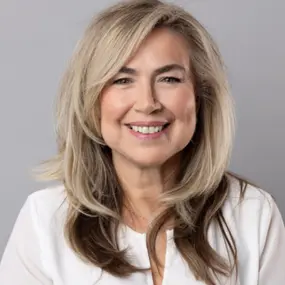
Tania Chomyk is an author, life transition expert, award-winning inspirational speaker and educator with more than 30 years of experience in higher education, career development, leadership and personal growth. The unexpected loss of her infant son, Danylo, became the catalyst for her life’s work helping others navigate grief, life transitions and new beginnings with courage, clarity, and hope. She is the author of Bringing Light to Loss: Redefining Grief to Reclaim Hope and Meaning.
Website: https://taniachomyk.com/
Book: Bringing Light to Loss: Redefining Grief to Reclaim Hope and Meaning
Listen and follow: www.thelifeshiftpodcast.com/follow
Subscribe to the newsletter: https://thelifeshiftpodcast.beehiiv.com/
infant loss, grieving a child, losing a baby, bereaved mother, child loss, grief and hope, life after loss, grief and marriage, clean pain and dirty pain, finding purpose after loss
You Might Also Like:
- Grief: Making Something Beautiful From What Broke
- The Complexity of Grief After Losing a Brother in Childhood
Tania's Energy Portrait
Episode Playlist
Learn more about your ad choices. Visit megaphone.fm/adchoices
Frequently Asked Questions
Who is Tania Chomyk?
Tania Chomyk is an author, award-winning inspirational speaker, life transition expert, and educator who uses her personal experience with infant loss to help others navigate grief and new beginnings.
What is the book Bringing Light to Loss about?
Bringing Light to Loss: Redefining Grief to Reclaim Hope and Meaning is written by Tania Chomyk to help readers navigate life transitions, redefine their relationship with grief, and reclaim hope after loss.
How did Tania Chomyk cope in the years following her son's death?
Tania navigated the fog of early grief with the support of her young daughter, eventually returned to work, and secretly checked her next child's breathing every night for twelve years while processing her trauma.
Matt Gilhooly (00:00)
For twelve years, every single night, Tanya walked past her youngest son's bedroom and gently put a finger under his nose just to make sure he was breathing, and she never told anyone. Years earlier, her first baby boy had gone to sleep and never woke up. and that morning she had looked at her husband and said, What an angel. He slept through the night. Today, Tanya helps people find their way through loss, and she's here to share what her son's short life has taught her about love, grief, and joy.
Living side by side.
Tania Chomyk (00:29)
Little did I know that the realization of that otherwise very common expression would come true when I walked into his room and he was already taken away to sing with the angels in heaven.
So in that moment, my life shattered.
Matt Gilhooly (01:19)
Hello, everyone. Welcome to the Life Shift Podcast. I am here with Tanya. Hello, Tanya.
Tania Chomyk (01:23)
Hello Matt, nice to be here.
Matt Gilhooly (01:25)
Well, thank you for wanting to be here. This has been such a beautiful journey, nearly three hundred episodes now. Being able to talk to people that I never would have probably run into in my life and just hear such interesting, often hard, often wild in some cases, and all these stories from people and then the resilience of the human spirit I get to see, and I get to see how much more we have in common.
through our feelings about certain moments. Not that our lives are completely the same, but the way I felt about certain moments is very similar to the way someone else felt about certain moments. So it's just been a beautiful journey and I'm glad you're part of it. Mm-hmm.
Tania Chomyk (02:05)
Thank you. Thank you so much.
Matt Gilhooly (02:07)
So before we get into your story, can you tell us who Tanya is in 2026? Like how do you show up in the world? How do you identify these days? And you can answer that however you feel like it.
Tania Chomyk (02:17)
thank you, Matt. So I'd say that Tanya in this world or today in 2026 is someone who shows up kind of living in flow mostly and not so much in contraction and realizing that, you know, I've always been in the helping role in education and taking that one step further is helping people now navigate
transitions, navigate beginnings, navigate losses with a lot more courage, a lot more care, a lot more confidence. So it's kind of leaving that moment where taking everything that I've experienced and trying to help others navigate their journey because life is a journey and we're going to have many ups and downs and many moments in life. And so I feel like that's kind of like
calling now be doing this work.
Matt Gilhooly (03:07)
You're
you're helping people all through all their different life shifts.
Tania Chomyk (03:11)
Right, exactly.
Matt Gilhooly (03:13)
Which, you know, when I started this is funny. I I don't think I really thought this, but I was like, yeah, everyone has a life shift moment. And I'm like, Yeah, they have lots of them. But I didn't really realize that until months into the podcast. And I was like, Okay, Matt, you're smarter than that. You should have you should have realized that. But for me it was always just thinking about okay, the day my dad sat me down to tell me that my mom had
been killed in that accident, was always the one I go to. But if I sit with myself, there's so many more life shift moments, little ones, big ones, you know, all sorts. And so I consider myself lucky to have multiple life shift moments because each one, whether it's good or bad, I end up learning something about myself or learning how to move through the world differently. And so, you know, it I love that you're helping people go through that because some of them are really hard to go through.
Tania Chomyk (04:02)
Right,
yes, yes, thank you. And like you said, life is constantly gonna be flowing, and so there's always gonna be changes, and
Matt Gilhooly (04:11)
Yeah.
Tania Chomyk (04:11)
with changes there's shifts, and so exactly like you said, you think it's one or two big monumental ones that happen, but we're constantly facing them. Yeah.
Matt Gilhooly (04:20)
Yeah. And and
sometimes people, you know, will listen to somebody's episode on the life shift and you, you know, we're going in, we're talking about a specific pivotal moment, but then I hear from a listener and they're they tell me the part that resonated with them. And it's just like the tiniest little moment in the conversation, not even the big life shift moment, just the sentence here. And so you
never know how words are gonna hit people that could cause life shift moments for them, you know, on more on the internal side.
So
Tania Chomyk (04:49)
Right.
Matt Gilhooly (04:49)
yeah, we gotta keep sharing our stories and I'm sure you hear a lot of stories and I think it takes a unique person to kinda help people through those. So kudos to you for doing that and using your own experiences.
Tania Chomyk (05:00)
Yeah, thank you. Yeah,
and kudos to you too because I came up, you know, I heard something not too long ago and it said, you know, you can care about something, you can show empathy, but the thing is not to carry it.
Matt Gilhooly (05:12)
Mm.
Tania Chomyk (05:13)
And I think that's what I'm learning also because you're right. Some people gravitate to people who will listen and they know they have a compassionate ear, but at the same time, for the person that's listening, you've got to be able to
Okay, how can I help but not carry this at the same time? So I feel like when I remind myself, I can care but not carry. And it's just a great reminder for other folks too,
Matt Gilhooly (05:34)
Yeah.
Tania Chomyk (05:35)
when you want to lend an ear to somebody else. Yeah.
Matt Gilhooly (05:39)
I certainly battled that at the beginning, but I found a way for me that works. I again it's not my story to carry, but it is my job or my responsibility to help share that. And so that's what I do here. So anyway, let's get into your story. I know it's a hard one and I but I think it's so important because unfortunately you're not the only person that's ever experienced what you experienced. And, you know, I I think of the people out there that maybe feel like they're the only ones. And so
before we hit your life shift moment, maybe you can paint the picture of Tanya, who you were leading up to this life shift moment. And if you need to go back to childhood to give us that picture of this before version of you, have at it. Paint that picture.
Tania Chomyk (06:18)
Yeah. Tanya, the little version of Tanya, it was always very, you know, free flowing. And I think I heard something once when they said about, know, what are your values? And I think it was Arlene Dickinson that once said that you got to go back to when you were a child, because when you were a child, you were free, you weren't conditioned, nobody tried to box you in a certain way. So you really were who you were. And
so when I went and asked folks,
to describe me when I was younger, it was always just very free and carefree and I always had vision and I was a big dreamer and I was always happy. Even in moments where you think I wouldn't be happy, but I always found joy. I was always able to balance this joy with whether it was loss or sadness. It's almost like even in the moments I would be sad.
it's like I wouldn't be able to stay there. My personality just wouldn't allow it. And so it always found that light. It always find that was what was a joy. so growing up, I'm the youngest of four. So maybe, again, being that baby and just not being too mindful of the youngest and kind of like, just navigated life and everything was kind of going smoothly. But
There was once a story my mother told me and that's when I knew that, boy, does this not only describe me as a child, but
Matt Gilhooly (07:42)
Mm.
Tania Chomyk (07:42)
it really makes sense of me today is that I was the type of person that I always loved, you know, to help. And so I remember it was a Saturday morning and Saturday was very conditioned. We had Ukrainian school, we had Ukrainian dancing and Ukrainian scouts. And so, yeah, here I am going to school five days a week, but that wasn't enough.
Matt Gilhooly (08:00)
No.
Tania Chomyk (08:01)
I had to
go to school on the Saturday. But it was Ukrainian, so that was fine. And there we were. I think I was in the washroom and I was playing, hiding, go seek with the kids. And it was time for me to get into the circle to dance because it was time for our practice. And I was nowhere to be found. And my mother said, all my dancing teacher had to do was put one song on. And the minute that song came, she said, you came flying down.
doors wide open, you stood in your position and you know where to go. And when she tells me that story, Matt, it explains how free my spirit
was. Don't try to box me because I won't stay contained, but let me be and I'll come. And
so I think that is something that has carried, you know, throughout my life, even when I think about everything that I've been through, it's that nature of having that freedom, but also then
when I think of all the losses is not being, not allowing myself to suffer. So freedom
Matt Gilhooly (09:03)
Mm-hmm.
Tania Chomyk (09:04)
from the suffering. And I think that freedom, that value has been my anchor all my life. And I think that's what's really stayed with me.
Matt Gilhooly (09:11)
Wow. I mean, that's
really special. I don't think there's a lot of people that could say that it stays. You know, I think that it they could definitely relate to the description of yourself as a young child and the freedom and the, you know, before life was real, but for the idea of it to stay, and maybe I'm a little cynical because it feels like mine was ripped away and I let it be ripped away. Whereas you, it sounds like you always had that anchor to.
pull you back or bring you back to center or magnet or s whatever I'm picturing a magnet for some reason. But yeah, that's and it and did it dissipate at all throughout all the things that you went through in life or do you feel like it was just always there?
Tania Chomyk (09:53)
I think it was always there, Mac. And when I knew that it wasn't, that's when I would start feeling misaligned.
Matt Gilhooly (09:59)
Mm.
Tania Chomyk (09:59)
You know, you have to listen to the intuition and when you're doing or you're not leaving your values. And once someone said this to me and it made perfect sense, she said, your values will inflict a certain amount of pain. And I sat with that and I said, I couldn't understand that at first. said, what do you mean? But now I understand because freedom comes at a cost, a huge
cost.
It could be financial, could be relationships. And when I think about the losses, you know, even the dissolution of marriage, you know, that security, all of that. But I was living my truth. And
when you're living your truth, you're honoring yourself. That's the best place to be. And I think it's being able to put language to those things. So I probably was already always doing it. I just didn't realize it. And I always found a way to do it.
Matt Gilhooly (10:50)
Mm. And when you felt misaligned, you knew how to get back.
Tania Chomyk (10:53)
Yes, yes,
I knew to listen to that intuition and I knew that something is off and I need to find that again. And sometimes it's consciously saying, I'm going to plan it. It can't happen right now, but I'm going to work towards it. exactly.
Matt Gilhooly (11:10)
Hmm, that's important. Acknowledging, really acknowledging
the moment is was a big unlock for me of like you're sad right now or you have a bad day right now. That's okay. You're human,
Tania Chomyk (11:20)
Yeah. Yes.
Matt Gilhooly (11:21)
you won't always be here. Don't know how long it's gonna take, but it is what it is right now, and that's okay. That was such a big unlock for me, and it took me 30-something years to do, but
Once I did, I was like, wow, that is the freedom. That word comes to mind when you say that because it's like the freedom to be a human for me.
Tania Chomyk (11:41)
Yes.
Matt Gilhooly (11:42)
You know, where for me growing up, it was very much like I only was allowed to have certain emotions because I was a boy and everyone was uncomfortable with a grieving boy. And so, you know, but when I found it, I was like, Yeah, so I I get that misalignment finding center again, if you will.
Tania Chomyk (11:59)
Yeah, yeah, yeah, you could.
Matt Gilhooly (12:01)
So you were moving through
life in a way that did it feel right? Did it feel nice? Did like what was life like with that mentality?
Tania Chomyk (12:09)
I think I just felt always protected. I felt like the way I was living life, it was like no matter what happened, I'd be okay. It's like it didn't allow me to be fearful of anything. And so, yeah, and so I
Matt Gilhooly (12:23)
Yeah, that's kinda nice, I guess.
Tania Chomyk (12:27)
feel like it's like, it's almost like I felt I had this shield or something
Matt Gilhooly (12:30)
Mm.
Tania Chomyk (12:31)
that would protect me. And today I can almost say after what I've gone through,
I believe it even more so. It's like I didn't know what that was when I was younger. But after what I've been through, it's like, yeah, I feel that presence. I know I'm protected, you know? And it's just unbelievable.
Matt Gilhooly (12:50)
Right. And people are listening to this now and don't know what your life shift moment is. And I know a little bit of it. And so it's so interesting to see you talk about it in this way, knowing a piece of that story, and how you're still this version of you is is proof that there is resilience in the human spirit, you know, and having this center and this core that you have. Wow. So yeah, bring us closer to that life shift moment if, you know, how your life started to evolve into.
That particular moment.
Tania Chomyk (13:20)
Yeah,
yeah. So know, of course I was, you know, from a young child and then, you know, teenager and fell in love, high school sweetheart and, you know, got married then, you know, buy the first home and then start a family, right?
Matt Gilhooly (13:34)
You were doing the checklist.
Tania Chomyk (13:36)
I was doing the checklist and all while still going to school and working full time. So I've always considered myself a lifelong learner and I've been spending most of my career in education.
So I worked in the university and I studied part-time. So it was almost like I was in the perfect place. I you can't be in a better environment and higher education if you're
a lifelong learner. And so today I feel how much that experience helped me through all my transitions,
particularly, you know, the big life shift for me. So, you know, my daughter was born in 1993, beautiful little girl, you know.
She was happy-go-lucky and after a couple of years I thought, well, you know what? You know, it's time to have a second. so my son, Danila was born in May 22nd of 1998. So four and a half years after my daughter. So it was a nice little gap there. And I thought,
Matt Gilhooly (14:27)
Mm-hmm.
Tania Chomyk (14:28)
okay, she's going to be going to school and I'll have, you know, the time with my, with my newborn and everybody called it the million dollar family. Right? You have a daughter, a
Matt Gilhooly (14:35)
Hmm. Picture perfect.
Tania Chomyk (14:38)
son, picture perfect.
So, you my son was born with, he had a couple of lesions in his heart, a bit of a murmur, but you know, the cardiologist said that everything is fine, gonna monitor
Matt Gilhooly (14:51)
Right.
Tania Chomyk (14:52)
it, you know, keep checking that. you you bring the child home and you carry on, you know, with life.
Matt Gilhooly (14:59)
Mm-hmm.
Tania Chomyk (15:00)
it was,
November 11th, it was Remembrance Day, and I remember that morning waking up, and I looked to my husband at the time and I said, what an angel. I said he slept through the night.
Matt Gilhooly (15:11)
Mm.
Tania Chomyk (15:12)
Little did I know that the realization of that otherwise very common expression would come true when I walked into his room and he was already taken away to sing with the angels in heaven.
So in that moment, my life shattered.
Matt Gilhooly (15:31)
Do you
remember that moment? 'Cause I've I would imagine that so many people wouldn't. Yeah.
Tania Chomyk (15:36)
I do. Do
you know I remember it? I remember it so well. you know what, Matt? It's interesting because this happened 28 years ago. And the eve, November 10th, when I go to sleep, I wake up at 5.30 on November 11th. It's like my angel
Matt Gilhooly (15:55)
Mm.
Tania Chomyk (15:56)
is telling me, wake up. But this time I wake up.
and I think of him and I kiss his picture and I know he's just with me. So just to say that that never goes away.
Matt Gilhooly (16:10)
Yeah. Yeah.
Tania Chomyk (16:12)
The memory and so there's a fog for sure. There's
Matt Gilhooly (16:16)
Yeah.
Tania Chomyk (16:17)
a lot of fog around. All the people coming to the house, the screaming, the trying to get him to breathe again, but
Matt Gilhooly (16:28)
Right.
Tania Chomyk (16:28)
you know, I knew that, you know, he was gone. then just the belief, like, this can't be, like.
Matt Gilhooly (16:34)
Right. And then you
have your husband, you have your daughter, you're
still
a mom.
Tania Chomyk (16:41)
exactly. So how you're a grieving mom. I'm in my 30s
Matt Gilhooly (16:45)
Mm-hmm.
Tania Chomyk (16:46)
and I'm a grieving mother. How do you, how do you go on? How do you like, so what?
Matt Gilhooly (16:51)
Yeah. That's I would
a very common question. How do you go on? Like that many people would be like, what do you how do you even take another another step?
Tania Chomyk (17:00)
Yeah, so I think when I think back, when I think of, know, God knows what he's doing. My daughter was my anchor. My daughter became the one that gave me purpose to keep going because I had to.
I had a responsibility. I had another child to care for. I couldn't just collapse. I mean,
Matt Gilhooly (17:22)
He could.
Tania Chomyk (17:22)
in between. But what happened, Matt, was just...
unbelievable because my daughter, I don't think she realized the impact she had on my healing.
Matt Gilhooly (17:33)
Mm.
Tania Chomyk (17:33)
When she would tell me that she would hear her brother sing to her at night, she said, Mommy, he came into my sleep. And I'd be like,
So it was those words when she said that to me, that's when I knew that he's still with us. He hasn't left, his earth suit has left. God has taken him to serve the kingdom as an angel, but he's still here. And it was from that space that I started feeling his presence
more and more. And you know,
Matt Gilhooly (18:06)
Like how soon after?
Tania Chomyk (18:07)
I would say about a couple of weeks after I started
Matt Gilhooly (18:11)
Wow. Okay.
Tania Chomyk (18:12)
feeling his presence and it was something else. And I remember, you know, Larissa would be in kindergarten. So I would wake up in the morning, I'd get her ready for school. I would bring her to school and then I had all day to myself, right? So what did I do? I would go into his bedroom. I would sit on his rocking chair. I would take his blanket. I'd want to smell it. I just wanted to hold on to his
scent, to his memory.
And in time I started realizing that I don't have to be in his room to feel him. He's with me and he's with me everywhere I'm walking and he's with us. And then things started happening that validated those moments.
Matt Gilhooly (18:51)
Mm.
Tania Chomyk (18:52)
Like Christmas was around the corner and it's like, how do you have Christmas?
Matt Gilhooly (18:57)
Right.
Tania Chomyk (18:58)
But I had to, I had to have a Christmas tree. I had to do it for my daughter. didn't want her to not.
feel like life was going on. And there was a Beanie Baby convention. And my husband at the time took her to this big Beanie Baby convention. She was collecting Beanie Babies. And she comes back, she's all happy, and she gave her name to win a prize. But an hour later, the phone rings. Someone from the convention says, hi. He says, we're calling for Larissa Sattelavy. She the convention, and she won a Beanie Baby.
And we're like, my God, how beautiful. Do you know what kind of beanie baby she won Matt? She won the angel,
Matt Gilhooly (19:37)
No.
Tania Chomyk (19:40)
the white angel. And I said, my God. And that angel that she won, she encased it in a plastic container and it sits on the headboard of her bed. And she's 33 years old today.
Matt Gilhooly (19:54)
Mm. That's
sweet. Yeah. Were you before we go further, were you always well I'm making assumptions here. Are you you're a faithful person, right? Have you were you always that way growing up from childhood? So that was
Tania Chomyk (20:09)
Thanks
Matt Gilhooly (20:10)
part I I've talked to a lot of people that are and and it I think it helps. But I've also heard a lot of people, and I don't know if any of this snuck into your mind at all, but a lot of people start
with a situation like this, a lot of questioning. Did you have any of that? Of like, well, okay. Okay. Yeah. Okay.
Tania Chomyk (20:26)
angry. I was angry. I was angry at God. I went through all those five stages of
grief and let me tell you the anger was there. Like how could God think? How could he
Matt Gilhooly (20:39)
Right.
Tania Chomyk (20:39)
do this? Like absolutely, absolutely.
Matt Gilhooly (20:41)
Yeah.
Tania Chomyk (20:42)
I went through that emotion and then I realized that you know when I started seeing you know the signs, the words from my daughter, all these other signs and there was like no there was a reason why
Danilo had to leave this earth. And that's when I understood the acceptance versus the denial that I needed to accept that bad things happen in life and good things happen too. And then God bestowed me with another miracle two years later when my son was born, Adrian. So I feel...
Matt Gilhooly (21:13)
Hmm. Was that fearful for
you?
Tania Chomyk (21:17)
You
know, Matt, that's an excellent question. I was able to separate completely
Matt Gilhooly (21:23)
Mm.
Tania Chomyk (21:23)
from the experience with my son, Daniel and Adrian. But I will tell you one thing. There was one time I was doing the dishes and all of a sudden I had this urge to go upstairs and to check up on my son, Adrian. At that time he was about eight months. And I remember I would just put my finger under his nose just to make sure he was breathing.
And do you know that I did that for 12 years every single day before I went to sleep. I would just pass by his room with the finger under the nose and just walk away. I did it quietly. I never shared that with anybody. It was just my way of, but that was about it. Other than that, I didn't become this frantic, obsessive, kind of like paranoid mother. And so I don't know why that, yeah.
Matt Gilhooly (22:12)
Right. Which would be okay
too. I mean, it's such a traumatic experience that I'm sure a
Tania Chomyk (22:15)
Exactly! Right!
Matt Gilhooly (22:18)
lot of women have gone through that, unfortunately. But right.
Tania Chomyk (22:22)
Yeah, but that's where I say I'm grateful that
whatever I had inside here didn't allow me to go there. And that's
Matt Gilhooly (22:30)
Mm-hmm.
Tania Chomyk (22:31)
where that resilience and that's what you know sometimes they say God gives you what you can handle and it's like maybe he knew that I could grieve gracefully. I could do this and so this is why this happened and I'm kind of now that messenger for my son.
Matt Gilhooly (22:47)
Was there ever a moment where you didn't think you could do it after he passed?
Like did you get stuck? Or you just like kind of you this core is so strong? Okay.
Tania Chomyk (22:54)
Yeah. So I isolated. So
I isolated. I isolated. I compartmentalized my grief. I would put myself out there when I felt I was safe and I'd come right back in if I felt not. It's like I knew what I could do and then it was kind of like, ooh. And if I'd find myself in these places where I felt uncomfortable, I would just recluse. So it was almost like for a couple of months I stayed at home.
Right? And then I realized in January, it's like, I need to go back to work. I can't stay home. It's too much. But this is what I'm this is how I paste it. I called my supervisor at the time and I said, I really would like to come back to work. And he said, Tanya, no problem. I said, but I don't want to come back and work in the department. I want to come back and work somewhere else
Matt Gilhooly (23:45)
Mm.
Tania Chomyk (23:45)
in the university. And so I went on a developmental assignment in another department.
because I felt safe that nobody would question and
nobody would. And so you see how I did it. I came back gradually, safely, but the university is big and so many people were at the funeral, but they didn't say anything for a while until that first Easter.
I remember coming into the office and my new boss at that time says, Tanya, how was your Easter weekend? And I just lost it.
My office was facing the hill and the cross where my son is buried. So my visual was always there. And then when she asked me and I said it was terrible because here you're coming to a house that's supposed to be celebrating Easter. And it's like, how could people be smiling? How could you be
Matt Gilhooly (24:37)
Mm-hmm.
Tania Chomyk (24:37)
laughing? Like, how could you four months later?
Matt Gilhooly (24:41)
Yeah.
Tania Chomyk (24:41)
You know, I was still so, and I just stayed in my mom's room and my daughter, I did this all for my daughter because I wanted her to be with her cousins. And so
Matt Gilhooly (24:47)
Mm-hmm. Right.
Tania Chomyk (24:49)
she's the one who, who just pulled me out of it, you know? But then
I found those moments when, no, I need to retreat. Exactly. Yeah.
Matt Gilhooly (24:57)
You had to retreat. Yeah. Yeah. It's a protection.
It makes total sense. You know, I I I love the layers that you're sharing because they're so real. And, you know, before asked whatever question I asked, whatever question that was, it was like, could she really have bounced back that quickly? And it's like, yes and no. Right?
Tania Chomyk (25:18)
Exactly.
Matt Gilhooly (25:19)
Because you do still have to.
Well, you don't have to, but you you do choose to continue being a mother to your daughter, a wife to your husband, you know, like all the things that that also can bring you joy in those moments. So you choose to do that. And then that doesn't mean the other part is not there nagging at you or pulling you down into depressive moments or all those pieces. But people on the outside might think so.
Tania Chomyk (25:49)
Yeah,
yeah, but you know what, Matt? You learn to carry grief. Grief has become kind of, I this relationship with grief now. Just like I have a relationship with love. It's going to show up whenever it wants to. And then I have to say, okay, I need the space now for this grief. I need to have this moment now. I need this cry now. This is important. I need to feel the emotions because you can't heal without feeling. And the suppression is not going to help.
Matt Gilhooly (26:15)
I learned that.
Took me twenty years to learn that.
Tania Chomyk (26:17)
Right? Yeah.
So I have, I'll look, I'll hear evanescence. My immortal, no
Matt Gilhooly (26:23)
Yeah, yeah.
Tania Chomyk (26:24)
matter what, tears just rolling down. I can't even control it. Right?
Matt Gilhooly (26:28)
Yeah. Yeah.
Tania Chomyk (26:29)
So that's a moment. That's my Daniel saying, I'm thinking of you, mom, or this, you know, and it's, need to have that moment. I need to know that he's remembered. But then I can turn in a moment and say, because joy and sorrow go hand in hand.
and I'll find something that brings me joy and I carry on. So yes, it's not to ever feel that we forget about them because we never do. It's always going to be there. Grief will always be there. It's just how you learn to carry it with you.
Matt Gilhooly (27:00)
Yeah.
I have a different relationship with it, especially related to my mother. I do and people get mad at me when I say this, but I do feel like I've closed the door on grief with her
Tania Chomyk (27:14)
Hey.
Matt Gilhooly (27:14)
mostly. And I don't remember her and I don't have I mean, I was young, so you don't
Consciously start to remember things. Like you're just like you. You were flowing through life and you know, when you were young, and
Tania Chomyk (27:28)
Yeah.
Matt Gilhooly (27:29)
that's kinda how I was until I wasn't anymore. And so yeah, I I I always kind of like it shocks me when people are like, You're always gonna carry that grief or or feel this person around you because I it's not the experience that I've had. but we're all doing different things, so
Tania Chomyk (27:48)
And like you said, it's different experience for you, right? Because you were young and then you're right. Maybe you don't remember. Like my daughter, you know, at five, she remembered everything and she can recount, you know, the story. But, you know, it really depends on how you live that experience, right? So, yes,
Matt Gilhooly (28:09)
Yeah. Yeah. Well, and that's what's important about these conversations is that there's not one way.
Tania Chomyk (28:16)
there isn't.
at all.
Matt Gilhooly (28:18)
And that's all people want when they're grieving is like, how do I, how do I get through this? And it's like, well, you're gonna have to find your own journey. Luckily for me, my relationship with grief is like I'm a heads-on kind of person. Like, if it's coming, I want to do it. So, you know, my grandmother became like a mom figure to me and I we became like best friends. And I was able
to be with her through the end in the most beautiful of ways.
And then when she passed, I was sad, but I was not.
I would not have said that I was grieving because of the way that I curated this ending with her. so now when other things happen, I'm like, Okay, I know what this is like and I know how to do it. So I'm like, let's do it. But I consider it done.
Tania Chomyk (29:00)
I love that.
I love that. It's almost like you did, you grieved before the loss. And I love that experience that you with your grandmother because that's exactly it. I have a 93 year old mother and I know where she's headed, right? You know, we all know that, but I'm creating so many wonderful moments with her now that when that time comes, I know I'll be okay.
And it'll be just like it's her time to go because I created so many wonderful experiences that I will be able to hold on to. Yeah.
Matt Gilhooly (29:35)
Yeah. Well, the best thing
I ever did, and I hope you do this, best thing I did with my grandmother was I forced the final conversation. And I said, We're gonna tell each other everything, good, bad,
Tania Chomyk (29:43)
Mmm. Yeah.
Matt Gilhooly (29:47)
whatever it is. And when I left that night, I was like, There's nothing that I haven't told her. And like, so if she had died that night it would have been it would have been sad, of course, but it would have been like, No regrets. And I all
Tania Chomyk (30:00)
Yeah.
Matt Gilhooly (30:01)
saw I hear from people. I wish I would have
I wish I would have said this, I wish it would have said that. I wish I would have cleared the air. Do it now, people.
Tania Chomyk (30:07)
Yes, that's great advice, such good advice. And tell the people now how much you love them and all of that, because tomorrow's not a promise to anyone,
right? Yeah.
Matt Gilhooly (30:15)
Nope. No, not at all. Yeah.
And so I'm curious, this might be a touchy subject, but lot of times child loss can lead to kind of marriage situations. Did did that affect you? Did it change your relationship because of this loss?
Tania Chomyk (30:32)
It did, it did, because you see Matt, there are no two people who will grieve the same. And exactly, right?
Matt Gilhooly (30:36)
Right. Just like we just said. Yeah.
Tania Chomyk (30:40)
And on top of that, when you're not grieving the same, felt, you know, there's, there's, there's, I read something in a book once and they talked about the difference between clean pain and dirty pain. Clean pain is when, of course you're going to go through a bit of that dirty, messy kind of pain.
But then you're able to carry on with life and you're not carrying all the baggage. You're not carrying all the other trauma that you had in your life and childhood and all that. You can keep it separate and you move forward. The dirty pain is when you're carrying everything from the past that was not resolved and then this happens and then it's just... So I think the difference in our relationship was that...
My partner was still very much in the dirty pain.
Matt Gilhooly (31:27)
Mm-hmm.
Tania Chomyk (31:28)
I was in the clean pain and so it was really hard. We couldn't support each other and
Matt Gilhooly (31:33)
Right.
Tania Chomyk (31:34)
so I got support from my call to my personal board of directors, my friends, therapy. I mean I'd go to any therapist and I just cry all the time. That's all I did. Yes, he had a hard time. He had a hard time
Matt Gilhooly (31:42)
Mm. Crying is so good. I love crying. Yeah.
Tania Chomyk (31:48)
connecting. His friends didn't know what to say to him, right?
people don't know what to say to you. I feel for those people because, yes,
Matt Gilhooly (31:55)
They know what to say when it's wrong. They know the wrong thing to say.
Tania Chomyk (31:59)
but they don't know how to support you. And so I felt he
Matt Gilhooly (32:01)
They're so uncomfortable. Yeah.
Tania Chomyk (32:02)
didn't have that. And so I think we carried on. And then when, you know, I got pregnant with my son, like you just keep going, but
Matt Gilhooly (32:11)
Mm-hmm.
Tania Chomyk (32:11)
10 years, exactly 10 years from the time we lost our son was a dissolution of our marriage.
And
I'm going to go back to how the university helped me because I ended up doing a master's degree part-time. And I did a lot of research, a lot of writing. Writing became my solace. And I took a lot of courses on family, life, marriage. And what happened was I started seeing patterns. And
I think I had to look at my life from outside in really notice what was happening in the marriage. And that's when I said,
Matt Gilhooly (32:46)
time. Yeah. Does that there's a grief there, right? Is there a grief to yeah.
Tania Chomyk (32:46)
gotta do something. It's time. So I think it was a dub, but it was time. Yeah, absolutely.
for sure. And that's what I meant. This grief was earlier on because I was grieving it before I knew it was going to happen. So when it did, I was just ready to keep moving forward with it. There was no looking back.
Matt Gilhooly (33:07)
Was there any part of you that was like, We're not gonna be that statistic? Let me fix this, let me be this, you know, solve? Okay. Right.
Tania Chomyk (33:13)
Absolutely. I always wanted that perfect, you know, the house
and the picket fence and all of that. But I realized that I can't. Yeah, exactly.
Matt Gilhooly (33:21)
Once trauma enters the chat, it's not all bets are off.
Tania Chomyk (33:27)
And you know what? I went with this without any blame, no shame, none of that, just to say that we don't bring out the best in each other and it's just not a healthy.
thing and a relationship or for the family and I thought of the children and you know exposure to certain behaviors and all that and it was just like I felt a sense of weight off my shoulder
Matt Gilhooly (33:49)
Mm-hmm.
Tania Chomyk (33:50)
so it of course, of course. My daughter was 15 at the time
Matt Gilhooly (33:51)
Kids know. Kids did your daughter know? Yeah. Yeah. Yeah. Yeah.
Tania Chomyk (34:00)
so she knew a lot, she understood a lot
Matt Gilhooly (34:02)
Right.
Tania Chomyk (34:03)
and I think yeah.
My son was eight, see, like you, he doesn't remember
much of those times, but my 15 year old does. And
she was exposed a lot more and you know, it just wasn't, it wasn't healthy.
Matt Gilhooly (34:17)
Right. And you made
a a a smart decision versus a decision maybe society would say, stick around, work it out, you know, and it's just like you have this one life here, let's let's do something with it. And and with
Tania Chomyk (34:30)
Exactly. Yeah.
Matt Gilhooly (34:32)
the and the way you described your who you were as a child and continued to be, doesn't seem like that was really fantastic ten years where you're trying to still be yourself, but also
semi-try to support someone through their grief, which if they're not ready, they're not ready and there's no helping
Tania Chomyk (34:51)
it.
Matt Gilhooly (34:52)
you can do as much as we want to.
Tania Chomyk (34:54)
Yes.
Matt Gilhooly (34:54)
But you really have to be ready. I mean, it
Tania Chomyk (34:58)
Yeah.
Matt Gilhooly (34:58)
took me 20 years to be ready. So
Tania Chomyk (35:01)
Yeah.
Matt Gilhooly (35:02)
I get your husband, you know, I unfortunately took on the role of like perfectionist because I was just so afraid that if I wasn't perfect, my dad was gonna leave. And so
Tania Chomyk (35:13)
Hmm.
Matt Gilhooly (35:13)
'Cause my mom left, you know, in that small brain, one day she was there, the next day she was not. And so it was just my dad never would have left me. Like you know, like but the fear and the fear of grieving and the fear of seeming like you aren't good, it brings on all those thoughts of like, well, people aren't gonna accept me and therefore everyone's gonna leave. And so it took me twenty years. So I mean, I hope your ex husband at this point has has found his way, but
We have to be ready and sometimes it takes forever.
Tania Chomyk (35:44)
Yeah, yeah, exactly. I love that you bring that example up because you describe something that in your little mind, what you were thinking, and when I talk to my daughter, what she'll say to me is she had survivor's guilt.
Matt Gilhooly (35:57)
Mm. Yeah.
Tania Chomyk (35:59)
I mean, I never even would have imagined she would have thought of that. And then she was afraid that we would leave. It's
Matt Gilhooly (36:05)
Mm-hmm.
Tania Chomyk (36:05)
like, my God, mean, you're going to school one day, you have a baby brother, and then the next day you don't have him. Like, how do you?
So I could just imagine what that was like for you and for any child to be experiencing death in the family.
Matt Gilhooly (36:21)
Yeah.
I think about that, but then I also think about the adults that are facing it for the first time, knowing what they know about the world and the people around them, and it it's like if I had experienced that loss later in life, I wonder how I would have grieved,
you know? Because it still would have been the first time I had
had something that big, but I know more about the world. I know more about my mind.
Tania Chomyk (36:44)
Yes.
Matt Gilhooly (36:45)
I know about how I
Operate in the world. So it's it's always I I don't have I don't have any reason for saying this out loud, but it just always a thought in my head of like, is it harder to grieve a big loss for the first time when you're older, or is it harder when you're younger? I mean, maybe we
shouldn't compare them,
Tania Chomyk (37:02)
That's a great question.
Matt Gilhooly (37:03)
but like no one will ever know because you can't do both.
Tania Chomyk (37:06)
Exactly, exactly, because we're
not going to go exactly. But it's
Matt Gilhooly (37:10)
Yeah.
Tania Chomyk (37:10)
interesting. Yeah, how that would have been. But then I go back to everything was meant to be the way it was meant to be. And this is the way this was the car. This was how life was supposed to unfold for me.
Matt Gilhooly (37:21)
Yeah. And so
you what you your marriage ended, another life shift moment of sorts. Did you find yourself different after this or were you still core you? Was there any kind of transformation of this quote unquote freedom freedom or whatever it might feel like?
Tania Chomyk (37:40)
I think it was just, it was really expanded, right? Cause
Matt Gilhooly (37:44)
Mm, okay.
Tania Chomyk (37:44)
now it was, I was always able to try to find it, the pockets of it, even within the confines of either work or family life, all of that. But now it was really complete. was, you know, I'm able to now make the decisions, but it was more about having the sense of peace.
that I experienced longer term, right? Because you can always find those pockets of peas. But so for me, was, yeah, very felt very empowered and just felt I can tackle anything. And I think what what saved me also, because I think a lot of women maybe have difficulty, you know, they know that it's not healthy. They know the marriages. But there's this
struggle internal, can I do it on my own? Can I this? And I think because I was always career oriented,
Matt Gilhooly (38:38)
Mm-hmm.
Tania Chomyk (38:38)
I always had my own income, I felt I could do it. And so this is why. And I have to say, when it came to the dissolution, it was very respectful. There was nothing,
Matt Gilhooly (38:49)
That's good.
Tania Chomyk (38:50)
you know, it was very respectful. The division, all of that. Nobody was after this or that. It was very respectful. So that helped as well, too, because not
everyone gets to experience that respect when you're divorcing. And so we have that. And so I think it goes back to my personality in creating that kind of space,
Matt Gilhooly (39:10)
Mm-hmm.
Tania Chomyk (39:12)
not being this antagonistic, not being this kind of controversial. And I'll stay away from that too. So again, this protection of peace
Matt Gilhooly (39:19)
Right. Mm-hmm.
Tania Chomyk (39:22)
and inner peace and keeping that very much protected. So.
Maybe that was just my way to deal with all of it.
Matt Gilhooly (39:30)
Yeah. Do you ever think there's danger in retreating? For us and ourselves?
Tania Chomyk (39:35)
I don't
Matt Gilhooly (39:36)
Okay.
Tania Chomyk (39:36)
because I believe that I sometimes need to retreat so that I can re-energize and then I can re-engage with
Matt Gilhooly (39:44)
Okay.
Tania Chomyk (39:45)
the world in a much better way.
Matt Gilhooly (39:47)
Yeah. I was more thinking guess maybe retreat in my mind was also like blocking, pushing down, hiding from,
Tania Chomyk (39:55)
okay.
Matt Gilhooly (39:56)
not advancing. Yours is more I'm just gonna step out of the circle for a little bit. I'll step back in in a few minutes or
Tania Chomyk (40:02)
Yes. Yes.
Matt Gilhooly (40:04)
months or whatever it is. Yeah, I think there's a lot of people though that will just push it down. Push it away, pretend it doesn't exist. I'll deal with that later.
And unfortunately, those that have done that, including myself, it's much bigger when you go to open that door, that closet that you've stuffed everything in. And it's really messy. So I don't recommend anyone to do that. Exactly.
Tania Chomyk (40:20)
Exactly. Yeah. It is, because now you've added more stuff in there, right?
Matt Gilhooly (40:27)
It's the the supply closet, you know, in your house that or the junk
Tania Chomyk (40:30)
Right? Yeah.
Matt Gilhooly (40:32)
drawer. It's like that. but tenfold because it's your real life. So that's that's that's it really interesting though to think about like the retreat as like I I
always think in picture well not always, but a oftentimes thinks in pictures. And so that circle of like you're standing in the circle with everyone and you step out. And
Tania Chomyk (40:50)
Yeah. Yeah.
Matt Gilhooly (40:52)
then when you're ready you step back in feels like a good like energy draw.
Tania Chomyk (40:57)
And I'm all about energy now, Matt. And
Matt Gilhooly (40:59)
Mm.
Tania Chomyk (41:00)
I know when I'm feeling completely drained and it's like, no, can't do this.
Matt Gilhooly (41:05)
Smart.
Tania Chomyk (41:05)
So I feel this is how self aware I am. And I think I've been on this quest in this journey of self awareness for a long time that I can tell when I am really drained and it's like, I have to just pull back. So I call myself this extroverted introvert.
When I need to be on, I will. And then after that,
I'm going to come back to my space, to my quietness, to the meditation, to the books, to this, because I know what I need to feed my soul. And I
Matt Gilhooly (41:36)
Right. And you listen, which is good.
Tania Chomyk (41:38)
listen and I listen. Yeah.
Matt Gilhooly (41:41)
Yeah, it's so tricky to not feel like you have to do everything or not perform for everyone, especially in this society. I feel like there's so much performative nature in just being human that it
Tania Chomyk (41:52)
Yes. Right.
Matt Gilhooly (41:54)
gets really complicated at times.
Tania Chomyk (41:57)
yeah, yeah. And there's so much, mean societal pressure, all of that. But it's about staying your lane. I always tell people, you're not comparing yourself to anybody else but just the version of yourself from yesterday. That's it. But that's very hard to do. Look, we're all human, right? We're all guilty of it. I mean, we'll go on social media, this and that. look what she's doing, look what she, right? It's hard. I also compartmentalized the scrolling.
20 minutes, that's it, done, put the phone away. You need to be in control of your actions, yeah.
Matt Gilhooly (42:30)
Yeah. Well, you are in control.
We just don't make the right decision
sometimes. Yeah, we do. here's
Tania Chomyk (42:35)
Yeah, we get influenced. Yeah.
Matt Gilhooly (42:39)
a question for you. And it's always a hard one for me to answer, so I don't know how you'll feel about it. But do you think that you are wildly different because of this experience of losing your son in this way and the grief and all the things that came that maybe you
in a different lifetime you wouldn't have experienced? Do you think there are I hate saying this, but do you think there are good things that came from this horrible experience?
Tania Chomyk (43:08)
I do, I do. I feel because of my belief,
Matt Gilhooly (43:13)
Mm-hmm.
Tania Chomyk (43:14)
because how I feel that Danilo is kind of that guardian angel of mine, I feel like I have a purpose now to do the work that I'm doing, which is trying to help others navigate loss. And so I not experienced that short life of his, I would not be in this.
I would not be
Matt Gilhooly (43:35)
Yeah.
Tania Chomyk (43:36)
doing this work. I would not have published a book. I would
Matt Gilhooly (43:40)
Okay.
Tania Chomyk (43:40)
not have done all these things and giving back because proceeds of the book is going back to the Child Life Program at the Montreal Children's Hospital in honor of my son. So I'm perpetuating his legacy.
So Matt, had I not experienced that life, that short life of his, I would not be doing this work. So yes, I think in many ways I've become more spiritual. I've become more self-aware.
I become from knowing that I'm being guided by him.
Matt Gilhooly (44:08)
Hmm. Yeah,
that's that's really special. I I always have a hard time with that because you know, sometimes people are like, Well, if you could go back in time, would you do this? For me, it was so long ago. Well, I guess it was as long ago for you. It was what you said twenty eight years ago. So
Tania Chomyk (44:25)
What are you, yeah.
Matt Gilhooly (44:26)
it's been thirty seven years for me and I've lived a lot of life without. And some people are like, Would you go back in time? And like, I mean, of course I wouldn't want my mom to die
at all or in the d the way that she died, but also I wouldn't be this version of me. I wouldn't have this life that I have now. And I kinda like it. So it's a really weird thing to be like, Well, I wouldn't change the past, but I feel like I should change the p you know, it's this very only some people can understand this, but I figure you could probably understand it a little bit too.
Tania Chomyk (44:58)
Yeah, yeah
and and the guilt too right because
Matt Gilhooly (45:02)
Mm-hmm.
Tania Chomyk (45:03)
for a mother like you're supposed to protect your child you know
Matt Gilhooly (45:06)
Mm.
Tania Chomyk (45:06)
the monitor wasn't on did you know why did I check up on him earlier like could I have done something
Matt Gilhooly (45:12)
Yeah.
Tania Chomyk (45:12)
I mean that lasted for a long time
Matt Gilhooly (45:15)
I bet. Yeah.
Tania Chomyk (45:16)
and then it was like no you
Matt Gilhooly (45:19)
Right.
Tania Chomyk (45:19)
can't go there this is how it was supposed to be right so that's
when but that guilt that guilt
was there and you know, Matt, there's so many times that I say, I wonder what he would look like
and I won't do it. I'm not going to take his picture. I want to remember him as the baby that he was
Matt Gilhooly (45:35)
No.
Tania Chomyk (45:38)
and so I'll never do it. But just that curiosity of would he look like Larissa with the dark hair? Would he look like AJ with the light, right? But
just he's meant to be remembered the way he left Earth.
Matt Gilhooly (45:52)
Yeah. Did you ever have
This is all from my personal experience. Do you ever have delusions that like he was still around, like he just happened to be somewhere else?
Not in the spiritual way, but like literally like, okay.
Tania Chomyk (46:02)
No. No.
Matt Gilhooly (46:04)
I for a long time, and I know this was my grief speaking, but I really like convinced myself that my mom was in like witness protection and that someday when she was, you know, safe, she would reach back out to me. And this is one of those examples of like I would never tell anyone that when I was growing up because it sounds so weird and it sounds like, whoa, you need some help, buddy. But
Then I had a conversation with someone on the show and they said they felt the same way after, you know, their father died. And it was one of those moments where you're like, I'm not weird. Like I was a grieving teenager
Tania Chomyk (46:36)
Yeah.
Matt Gilhooly (46:38)
and the validation is just so freeing. And so, you know, that's why I love
Tania Chomyk (46:42)
Yes.
Matt Gilhooly (46:43)
having these types of conversations where we can just be honest with a stranger, right? But now we feel connected
Tania Chomyk (46:46)
Yeah. Right.
Matt Gilhooly (46:48)
because we've had this conversation. And then other people can hear it and go, I felt that way too. And I thought it was a little weird.
Tania Chomyk (46:55)
Yeah, yeah,
Matt Gilhooly (46:56)
And that's okay.
Tania Chomyk (46:57)
I think that, yeah, I mean, I didn't, but I can, I can see, can appreciate how
Matt Gilhooly (47:03)
Mm-hmm.
Tania Chomyk (47:03)
that would come to your mind as an eight year old and it's a mother, right? How
Matt Gilhooly (47:08)
Yeah.
Tania Chomyk (47:09)
you still want, so holding on to that,
I can see that, yeah.
Matt Gilhooly (47:12)
Yeah. Yeah.
So what made you make the decision to write your book or to start helping these people? 'Cause that's a I mean, it's a kind of a big jump from higher ed, I guess, in a way. Academia.
Tania Chomyk (47:25)
Yeah,
yeah, it's taking, so you know, that paper, that first research paper that I wrote in 2002, this was four years after my son had passed, and I remember, I thought I was gonna write on, you know, women balancing career and family life. But I'd go to the library and I kept picking books on grief and grief
Matt Gilhooly (47:44)
Mm-hmm.
Tania Chomyk (47:45)
and grief and it's like, that's it, this paper is gonna be on grief. So I remember coming home one day, my husband was traveling at the time on the dining room table.
put all the books, box the Kleenex, put the children to sleep. And for a week straight, I just read, wrote, and cried, read, wrote, and cried. I did that for a week. The most therapeutic experience for me, and I handed over the paper to my professor, and I called it, Life After the Loss of a Child. And I pretty much took Elizabeth Kubler-Ross's stages of grief and inserted every detail of what I went through. And that paper was just to be shared with my professor.
Matt Gilhooly (48:20)
Mm.
Tania Chomyk (48:21)
and I had high mark. said it was one of the most poignant papers he read and that was it. I put it away. Maybe I shared it with a few other folks. 20 years later, I find myself in this space inspirational speaking and sharing my story. So I resurrected that paper and I wrote a five minute speech and I called it The Million Dollar Family.
I submitted the speech and I didn't want to compete. This was not about competition. I just want to share my story because I felt it took all that time to finally share the story publicly. So I handed in, I come in the top 10 and then I win third prize and I was like, my goodness, I was amazing. And that opened the door to then writing a book.
And so I was in the space of
download because I wasn't one of these, I guess it speaks to my creativity, it wasn't one of these that I have to do the outline of the book. No, no. I did a four-day writing retreat. Again, Kleenex, laptop and I downloaded, wrote 25,000 words in four
Matt Gilhooly (49:29)
Wow.
Tania Chomyk (49:29)
days. That was the beginning, the backbone of the
Matt Gilhooly (49:32)
Yeah.
Tania Chomyk (49:32)
book and I didn't know I would write but again the grief. But you know this book needed to come out now Matt because
Grief doesn't just belong to death. It belongs to anything that has changed from what was to what is. And so I was meant to write this book 28 years later. Of course, it starts with the big, you know, my son, but then I bring in all the other losses, marriage, career, and then, you know, I brought on the ancestral wisdom and the difference between clean painter. So,
This book now is kind of this teaching memoir that I'm helping now
share this message with the world. so, yeah, I think ever since I was a child, I wanted to be a teacher. So the helping has always been part
of my thread of work, but I'm doing it now on such a deeper and more personal level.
Matt Gilhooly (50:29)
Yeah.
Tania Chomyk (50:30)
And so this book, I would never have written this book had I not...
had to nail all so yeah.
Matt Gilhooly (50:34)
Right. Yeah. Yeah. It's
it's much different to teach and help people with real life stuff than like math.
Tania Chomyk (50:45)
Yes!
Matt Gilhooly (50:46)
People don't want to do math anyway. Although people don't want to do
Tania Chomyk (50:47)
Yeah, exactly.
Matt Gilhooly (50:48)
grief either. So it's nice that you're there to help because I think it is really important to have a resource when you are ready for it. And, you know, and and there's not
Tania Chomyk (50:55)
Yeah, exactly. And you know what?
Matt Gilhooly (50:59)
one modality that is the perfect modality for everyone.
Tania Chomyk (51:03)
No. And so it pretty much takes you on that island of struggle to
the island of hope. And that's what people get after they finish reading the book. It's like, you gave me so much hope. You gave me so much inspiration.
Matt Gilhooly (51:14)
Yeah, that's sweet.
Tania Chomyk (51:15)
And that's what I want to do. I want to bring people on the other side of grief.
Matt Gilhooly (51:20)
Yeah. Well I left the I left that grief behind. I didn't really though because when my soul dog died a couple of years ago, the hardest thing I've ever gone through. It was harder than losing my mom, I think. It felt harder than losing my grandmother. And I was sh shocked. And I was like, Nobody talks about this pet loss.
And you don't realize it until it happens to you. And then I went on an
Tania Chomyk (51:42)
Yes.
Matt Gilhooly (51:42)
apology tour to apologize to all the people that had lost pets before that I was maybe dismissive of or was just, you know, I wasn't mean, of course, but maybe I just didn't realize. So
Tania Chomyk (51:53)
Yeah.
Matt Gilhooly (51:55)
I say I close the door on grief, but a new one came to challenge me. You
Tania Chomyk (51:59)
yeah.
Matt Gilhooly (51:59)
know, and so it's it that's life, right? Like I think we're just gonna go through all sorts of things. We can't get through this life without loss.
Tania Chomyk (52:07)
Exactly.
Matt Gilhooly (52:08)
You know, and I do honestly believe am better because of it. because it's taught me so much about myself and and allowed me to trust myself and to be fully myself. whereas for so many years I was just so performative because that was the safe space to be. So anyway, thank you for this
Tania Chomyk (52:26)
to be. Yeah.
Matt Gilhooly (52:28)
conversation and being so open to to sharing your story and your light as well throughout the story.
Tania Chomyk (52:34)
Thank you. Thank you so much. This was great. I really enjoyed this conversation.
Matt Gilhooly (52:38)
I'm I'm happy to hear that. If people really connect with your story or they want to read your book or want to learn more about you or get in your orbit, like what's the best way to find you?
Tania Chomyk (52:48)
They just have to Google my name tanyacharmic.com. I have a website. My
book is called Bringing Light to Loss. It's on Amazon. But yeah, they can just find me tanyacharmic.com. That's my website. Yeah, that's an easy one. Thank you.
Matt Gilhooly (53:00)
We'll do that one. We'll link them to your website. I highly recommend
it and I hope you don't mind, but I hope that listeners that maybe feel connected to your story reach out to you and share a little bit of their story because they do know how much power there is in sharing a story for the first time
Tania Chomyk (53:15)
Yes.
Matt Gilhooly (53:16)
out loud. So hope you don't mind. Exactly. Yeah. Well, thanks again for being a part
Tania Chomyk (53:19)
I don't mind and sharing is caring, right? So yeah, thank you.
Matt Gilhooly (53:24)
of the life shift.
Tania Chomyk (53:25)
Thank you so much. I really, really enjoyed this conversation.
Matt Gilhooly (53:29)
And thank you to everyone for listening. And I'll be back in a couple days with a brand new episode.
Tania Chomyk is an author, life transition expert, award-winning inspirational speaker and educator with more than 30 years of experience in higher education, career development, leadership and personal growth. The unexpected loss of her infant son, Danylo, became the catalyst for her life’s work helping others navigate grief, life transitions and new beginnings with courage, clarity, and hope. She is the author of Bringing Light to Loss: Redefining Grief to Reclaim Hope and Meaning.


