How Childhood Emotional Suppression Manifests as Physical Numbness in Adults
Childhood emotional suppression does not just live in the mind—it physically imprints on the body. When a young person learns that expressing vulnerability results in betrayal, the nervous system adapts by bracing, restricting breath, and creating a persistent sense of internal numbness that can last well into adulthood.
Key Takeaways
- Childhood trauma and betrayal often cause physical holding patterns, such as shallow breathing or restricted movement.
- Emotional self-protection in early life frequently hardens into chronic numbness or living life only 'partially there' as an adult.
- Reclaiming bodily freedom requires intentionally unlearning decades of nervous system bracing and safety behaviors.
- Creative outlets like singing, dancing, and writing serve as vital somatic pathways for releasing trapped emotional energy.
- Healing emotional suppression is possible at any age through gentle, consistent self-reclamation.
The Biology of Betrayal: How Childhood Trauma Alters the Body
Children rely entirely on their environments for safety. When that safety is compromised—such as when a personal diary is weaponized or privacy is violated by caregivers—the developing nervous system makes a split-second calculation: expression equals danger. To survive, the child shuts down the outward flow of emotion. This shutdown is not merely psychological; it is physiological. Muscles tense, the jaw locks, and the diaphragm restricts its range of motion.
For many adults who grew up hiding their inner lives, this physical constriction becomes their normal state. They go through life functioning at a high level—succeeding in demanding careers, raising families, and fulfilling social roles—while remaining entirely disconnected from their physical vessel. They are present in the room, but only halfway. The body has locked away the vitality, spontaneity, and joy that once felt too dangerous to display.
The Hidden Cost of High-Functioning Perfectionism
When the authentic self is forced underground, perfectionism often takes its place. By doing everything "right"—excelling in school, choosing stable career paths like engineering, and maintaining a flawless external persona—an individual attempts to earn safety through achievement. However, no amount of external success can bridge the internal gap left by self-abandonment. The body continues to hold the score, manifesting as chronic fatigue, emotional flatness, or a persistent feeling of being trapped behind a glass wall.
Somatic Unwinding: Reclaiming the Breath and the Body
Reversing decades of emotional suppression cannot be achieved through sheer willpower alone because the armor is stored in the autonomic nervous system. Unwinding this physical contraction requires a deliberate, gentle return to somatic awareness. It starts with noticing where the body holds tension and slowly inviting breath back into restricted areas.
Physical restriction often starts small, like a childhood accident or trauma that subconsciously teaches a person to hold their breath to avoid feeling pain. Unlearning this requires conscious retraining:
- Noticing restriction: Pay attention to moments of stress or vulnerability to see where the body instinctively tightens.
- Restoring breath: Practice deep, diaphragmatic breathing to signal safety to a nervous system that has been bracing for decades.
- Reintroducing movement: Engage in practices that bypass the analytical mind, such as unstructured dancing, intuitive painting, or somatic stretching.
Creative Expression as a Somatic Bridge
Artistic pursuits are rarely just hobbies for those recovering from deep childhood suppression; they are neurological lifelines. When words fail or feel unsafe, creative outlets provide a non-verbal language for the subconscious. Singing allows the throat and chest to open up, releasing physical blockages tied to silenced voices. Painting and writing give physical form to internal experiences that were hidden for a lifetime. Engaging in these acts is an embodied declaration that the part of you that was shut down is finally allowed to take up space.
Conclusion
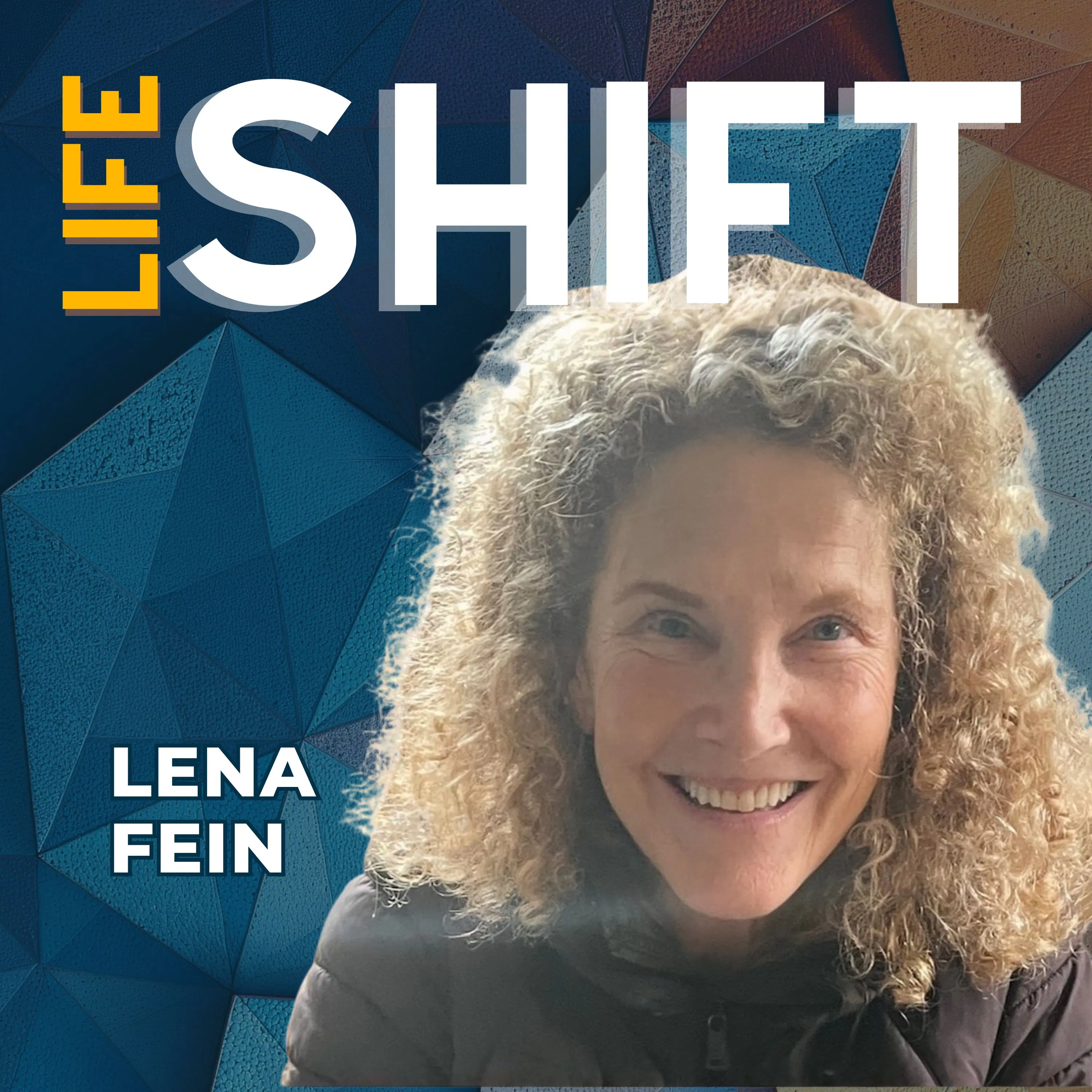
Breaking free from a lifetime of emotional numbness is a gradual journey of returning home to yourself. It requires immense patience to dismantle the walls built in childhood, but the reward is a life lived in full color rather than grayscale. To hear a deeply moving conversation about uncovering these buried layers and finding wholeness later in life, Listen to the full episode of The Life Shift Podcast. Subscribe today and discover that healing is possible at any stage of your journey.
Frequently Asked Questions
How does childhood shame cause physical numbness?
Childhood shame and emotional violation trigger a protective nervous system response, causing the body to physically brace, restrict breathing, and shut down emotional centers to avoid perceived danger.
Can you reverse decades of emotional suppression later in life?
Yes. Healing and nervous system regulation are possible at any age. Through somatic awareness, creative expression, and intentional self-compassion, adults can reclaim the parts of themselves they locked away in childhood.
Why do high-achievers often experience emotional numbness?
High achievement and perfectionism often serve as coping mechanisms or protective personas for individuals who learned early on that authentic emotional expression was unsafe or unaccepted.
What role does creative expression play in trauma recovery?
Creative outlets like singing, dancing, and writing act as somatic bridges, allowing individuals to bypass analytical defenses and safely release physical holding patterns tied to suppressed emotions.