Choosing the Harder Door: From Childhood Shame to Federal Prison
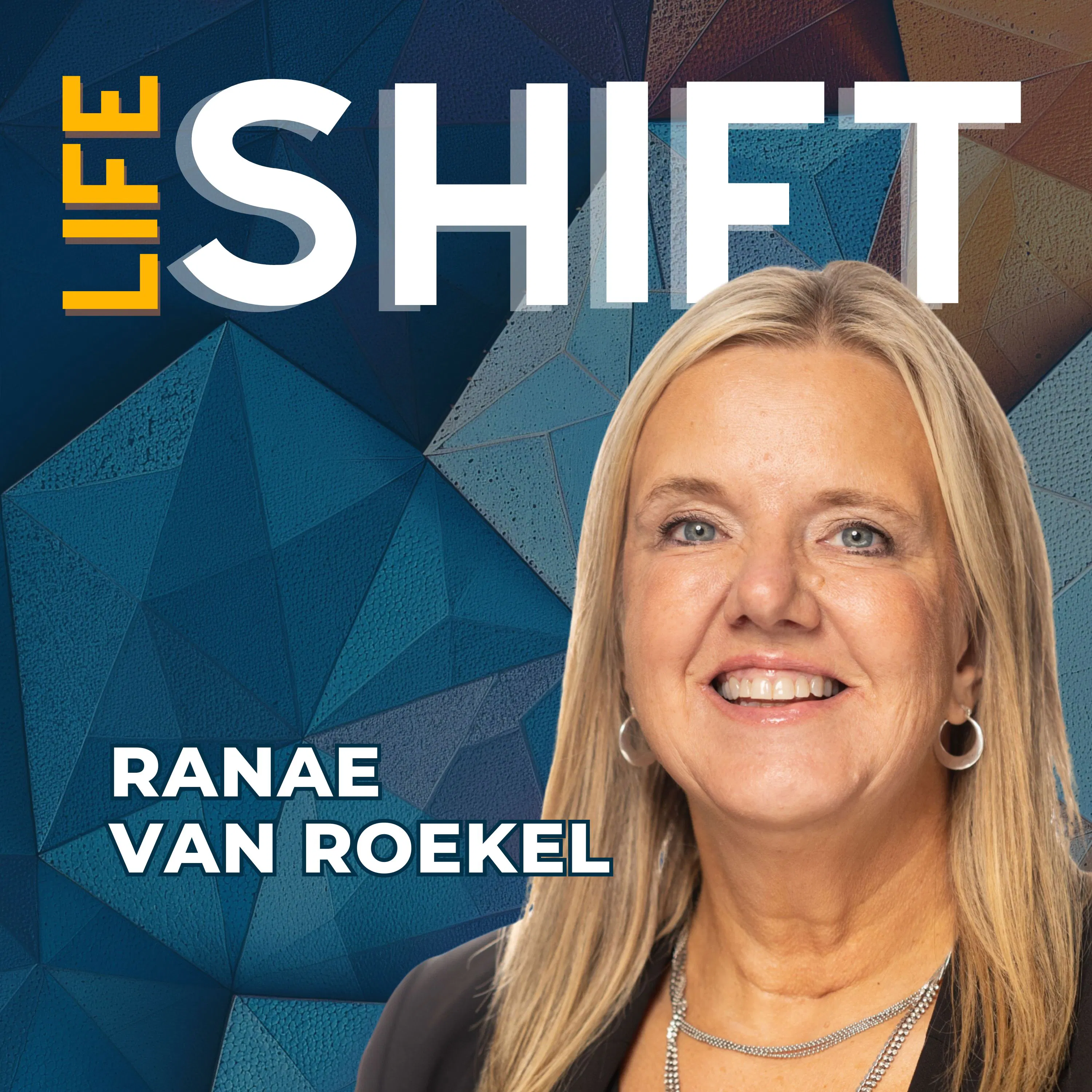
Ranae Van Roekel kept a childhood secret for decades until it led her into fraud, prison, and finally, the healing she never expected.


 Goodpods
  Podchaser
  PocketCasts
  RSS Feed
 Key Takeaways
- Childhood trauma and unresolved shame can quietly dictate decades of adult decisions, including people-pleasing and self-sabotage.
- Facing accountability, even when it leads to federal prison, can paradoxically become the catalyst for genuine healing.
- Institutional environments and dedicated mental health professionals can provide the space necessary to confront deep-seated trauma and begin recovery.
- Embracing vulnerability and sharing personal narratives helps dismantle the stigma associated with incarceration and past mistakes.
- Organizations like Connecting to Cope demonstrate how lived experience can be transformed into advocacy and support for others navigating hardship.
Some secrets get handed to us before we are old enough to know what to do with them. Ranae was a preteen in a small Minnesota town when she was sexually abused by boys she had known her whole life. The instruction that followed- stay quiet, or people will think you are bad- became the quiet architecture of everything she built afterward.
For decades that belief ran the show. It showed up as people pleasing, as quitting good jobs before anyone could find out she was not good enough, as a kind of disappearing she did inside her own mind without ever naming it. Eventually it led her into a scheme that spiraled into wire and mail fraud, and one morning, into a bathroom mirror where she gave herself exactly two ways out.
She chose to turn herself in. She served fifty-one months in federal prison, and she will tell you plainly that walking through those doors is the day her healing actually began. This conversation is about shame, about the stories we are told to keep, and about what becomes possible once we finally put one down.
What You'll Hear:
- How a childhood secret in a town of 572 people shaped three decades of choices
- The moment Ranae faced two options in front of a mirror, and chose the harder one
- Why she says her healing began the day she walked into federal prison
- The prison psychologist who refused to let her settle for halfway
- What it felt like to walk out the doors and feel free for the first time
- How Connecting to Cope, named after her dog, became her life's second purpose
Guest Bio:
Ranae Van Roekel is a mother, grandmother, wife, dog lover—and someone whose life was forever changed by the consequences of her choices. After committing a crime that harmed people both close to her and unknown to her, Ranae served 36 months in federal prison. What she once thought could never be part of her story—being labeled a felon—became a defining chapter in her journey.
Through incarceration, Ranae came to understand how deeply unresolved trauma had shaped her actions and decisions. This realization became the catalyst for years of healing and recovery. She has since dedicated herself to self-care, education, and advocacy, using her lived experience to help others—regardless of their histories or hardships—discover coping skills and pathways toward healing.
Today, Ranae is a passionate advocate for justice reform, working to create a system that acknowledges the humanity of every individual and addresses the root causes of crime, including trauma, stress, and mental health struggles.
Through her platform, Connecting to Cope, she shares her story, insights, and strategies with others navigating personal or professional challenges. Her mission is clear: to empower people to face their pain, embrace healing, and move toward thriving lives.
Social Channels
- https://www.facebook.com/connectingtocope/
- https://www.linkedin.com/company/connecting-to-cope/
- https://www.instagram.com/connectingtocope/
- https://connectingtocope.com/
---
Listen and follow: www.thelifeshiftpodcast.com/follow
Subscribe to the newsletter: https://thelifeshiftpodcast.beehiiv.com/
---
childhood sexual abuse, shame and secrecy, people pleasing, federal prison, healing in prison, trauma and choices, white collar crime, family forgiveness, finding worth, prison reform advocacy
You Might Also Like:
- She Found Her Voice After Years of Silence
- Kaila Yu on Surviving Shame and Writing Her Truth in “Fetishized”
Learn more about your ad choices. Visit megaphone.fm/adchoices
Frequently Asked Questions
What led Ranae Van Roekel to federal prison?
After decades of struggling with childhood trauma and people-pleasing, Ranae became involved in a financial scheme that ultimately spiraled into wire and mail fraud, leading her to turn herself in.
How did Ranae find healing in federal prison?
Despite the harsh environment, Ranae experienced true healing in federal prison by confronting her past with the help of a dedicated prison psychologist and addressing the root causes of her trauma.
What is Connecting to Cope?
Connecting to Cope is a platform and advocacy initiative founded by Ranae Van Roekel—named after her dog—that helps others discover coping skills, embrace healing, and navigate personal or professional challenges.
What is Ranae Van Roekel's mission today?
Today, Ranae advocates for justice reform by working to create a system that acknowledges human dignity and addresses the root causes of crime, such as trauma, stress, and mental health struggles.
Matt Gilhooly (00:00)
What happens when the secret you were told to keep becomes the wound that quietly shapes every choice you make for decades? Renee grew up in a small Minnesota town where everyone knew everyone, and as a preteen, she was sexually abused by boys she had known her entire life. Then she was told to never speak of it again, not because it wasn't real, but because if she did, people might think she was bad. She wasn't bad, but she believed it anyway.
and that belief quietly drove everything. The people pleasing, the self-sabotage, the way she got tangled up in something she couldn't find her way out of until one morning she gave herself two choices, and she picked the harder one. Renee served fifty-one months in federal prison, and she'll tell you that the day she walked in was the day that her healing finally began.
Ranae Van Roekel (00:48)
I looked in the mirror and I said, today you have two choices. And either A, use the gun in your husband in in Kevin's closet, or B, turn myself in.
Matt Gilhooly (01:34)
Hello everyone. Welcome to the Life Shift Podcast. I am here with Renee. Hello, Renee.
Ranae Van Roekel (01:39)
Hello, Matt. Thank you so much for having me today. I'm excited to talk to you and your guests.
Matt Gilhooly (01:44)
Well, thank you for wanting to be a part of the Life Shift podcast. We have been trying to do this now for a few months and I'm glad that we were able to make it happen. And and I think maybe the universe had to play in that and maybe this is the right time for us to have this conversation.
Ranae Van Roekel (01:58)
I totally agree. I totally agree. But I'm glad it did work out and again I'm excited to talk about my story and find out more about the life shift.
Matt Gilhooly (02:06)
Well, you know, the life shift has been this journey that I never really could have imagined for myself, and I say that a lot, and it feels funny to say it a lot, but it's so true that I just never thought I would have the opportunity, after what you know, my own experiences, to be able to talk to so many people from around the world about like really deeply personal moments and seeing how we as humans honestly, truly have so much more in common, even though our stories are wildly different.
the way we feel about things, the way we think about ourselves in these particular moments. There's so much commonality and it's nice to see it creates a really beautiful connection. So I'm really blessed to just be able to have these conversations.
Ranae Van Roekel (02:47)
Yep. And I I do agree with you. I so feel after speaking to the people I've had the opportunity to speak with and hear their stories and find out, you know, what their life shift was, that we have so much more in common than we do differences. And we need to remember that to make the world just a better place. So it is. It is cheesy. I know it's cheesy, but it's true. So
Matt Gilhooly (03:05)
It's so cheesy, but it's so true, you know? Like Yeah. Yeah.
Yeah. And it's it's one thing to say it. Like I feel like maybe twenty years ago I would say, yeah, we have so much more in common than we have that separates us. And now, like to live it and truly understand it is a is a is a totally different thing. You're like, that really is true, which is cool. Yeah.
Ranae Van Roekel (03:27)
It is. It is.
And I always say now, you know, if someone's going through something or if they've made a bad choice, I used to say, you know, why did they do that? or, you know, and now I say, what happened to them to make them make that choice? And I think that is true with so many people who do have that, you know, life changing moment and there's something in their past that, you know, caused them or made something in their head make them make the choice that they did. And
That's kinda how I live my life now. So
Matt Gilhooly (03:57)
I love it. I love the the openness. I think that's important. I think more people are being a little bit more open now and more vulnerable. And I I I love that. I wish the younger version of me saw more examples of that growing up in the eighties and nineties of seeing just adults share more than, you know, the surface level things that we were taught to share. So it's really nice.
Ranae Van Roekel (04:19)
Yeah, I I
it is, definitely.
Matt Gilhooly (04:22)
Yeah. So before we get into your story, maybe you can tell us who Renee is in twenty twenty six. Like how do you show up in the world? How do you identify these days?
Ranae Van Roekel (04:30)
well, I'm a mom and a grandma, and I am the founder of a great company called Connecting to Cope. And we talk to people about the things we were just discussing. we talk about how trauma affects your life. you know what what could have led up to the trauma, what came after the trauma, and if you are attempting to heal or ready to heal from the trauma. I'm also the great a great dog mom to Cope.
And thus the name Connecting to Cope. My company is named after him. And you know, my goal with Connecting to Cope is to connect. And whether that be talking to you about your trauma, leading you in the right direction, or just having you hear my story and maybe, you know, making someone think that they do need to find someone to connect to. And really that's who I am. But again, being a grandma is the best thing ever. way better than being a mom.
And I have four grandchildren. Two of them are girls and I spoil them rotten and it has just made my life a very pleasant thing. And I'm just living life to the best that I can and I still have bad days, but I tell you what, my good ones outnumber the bad ones nowadays. So I just enjoy life.
Matt Gilhooly (05:46)
I love that. And you're doing the right thing as a grandma. You're spoiling your grandchildren, which is I think the number one like job requirement of grandparents. Yeah. Perfect.
Ranae Van Roekel (05:50)
Mm-hmm.
It is. It is. It is.
even though my boys don't always agree with that number one job definition or job responsibility, it definitely is. And when I, you know, I raised two boys, so I didn't have girls. And when that first girl came along, yeah, she's my girl. So, and then I got another one who will be a year next week. And we get to celebrate her on Saturday. So it's it's awesome. My li like I say, life is good, Matt. And
Matt Gilhooly (06:05)
Mm.
Yeah.
Yeah.
Ranae Van Roekel (06:21)
With all the bad things happening in the world right now I try to focus more on the good positive things that are going on around me than all the negativity. So
Matt Gilhooly (06:30)
Yeah. And one thing that
yeah, one thing that you said I think is important to just model for other people is acknowledging that you're still having bad days. You're still you know, like you're still a human, that you're still going through the things and not everything is sunshine and rainbows all the time.
Ranae Van Roekel (06:45)
No, definitely not. Definitely not. you know, I always say I I you you know, you try to get up every day day and be better. And some days you succeed and some days you fail miserably. And you just have to take those days, try to evaluate what happened and try not to let it happen again. But inevitably things repeat themselves and we just try to make better choices, you know, try to make better choices, not always the best choice because that's impossible.
But try to make better choices every day. And that's that's what I do.
Matt Gilhooly (07:16)
Yeah.
I I mean I I love it. So thank you for being a human and showing up in that way. So k well that's good. We 'cause you never know these days. It could be, you know, podcast robot conversations. So we gotta show that we're real here. Can you paint the picture of your life however far back you need to go, to give us that before version of Renee before this main life shift moment, fully understanding that you've
Ranae Van Roekel (07:23)
I'm definitely human. Yeah. I know. I do. Exactly.
Matt Gilhooly (07:46)
probably had many life shift moments, but paint the picture of the before Renee.
Ranae Van Roekel (07:51)
so you need to know the before Renee, and she's still a big part of me. I mean, she is she is part of me. I lived in a small town in southwest Minnesota. There's like five hundred and I think seventy-two people on is what the population said on the sign outside of my small community. It was a kind of community where everybody knew everybody, and usually your parents knew what you did before you got home.
So if you were out being, you know, a little mischievous, they usually knew what you did before you walked in the door because someone had called them. I am the youngest of four girls, the way youngest. I'm 13 years younger than my closest sister. my dad was actually a World War II veteran. So that kind of puts you in, you know, the
way my house was. both of my grandparents, my grandfathers, my grandmothers were born here. My grandfathers were both born in Germany and came over. So my parents, my dad and my mom were both raised in homes that were under that. but anyway, back to my small community growing up. Again, knew everybody, trusted everybody, was the kind of kid that was pretty happy go lucky.
Again, you know, I was the youngest. I got spoiled. I sometimes had four mothers instead of one, but we dealt with that. And I had a huge life shift and I I have two really big life shifts that we'll talk about today. But the first one was is I got sexually abused by three boys in my hometown. boys that I knew my whole life. They were a little older than me, but I trusted them.
Inevit you know, I I trusted them wholeheartedly. And on a certain day they asked me to go see something at our football field and the abuse happened. And I can tell you that after that I was never the same. You know, my trust was gone. I was more fearful. I came home and something my mother said to me.
Is something that did shape my life forever. And I took it out of context, but as a preteen a lot of time will do, you know, it's hard for someone in that eight, nine, ten, eleven, year old range to process what is being said to you and process an act of violence. And she told me to not talk about what happened to me and to
Keep it to myself and to never speak of it again, or they would think I was bad, not the boys who did it to me. And now this was in the 1970s, and so that was true. what she told me, you know, was was very true during that time. But what I heard out of her mouth was not that they would think, but that I was bad. And so my life shift changed. still a good kid in school, you know, got straight A's. was it what?
Matt Gilhooly (10:38)
Were you better after?
Were you better academically after? Okay.
Ranae Van Roekel (10:42)
No, nope.
that stayed about the same. That really didn't change. But my trust in humans and my trust in other people really changed. And yeah, just just more guarded, just more I look back now to see how guarded I was and also started a lot of disassociating. if I was in a situation where any of those boys were, I would just take myself out of the room mentally.
feel like I'm watching over a situation. And one of the boys actually married into my family. So I dealt with that as well. And that's yes, yes. And they would hassle me occasionally in school about what happened, but mostly they didn't talk about it either. and yeah, like I say, just a huge life shift, you know, who I became, who I was
Matt Gilhooly (11:15)
Okay.
'Cause you're just keeping that secret.
Ranae Van Roekel (11:34)
how I felt about myself and the world around me really changed that day. And I didn't realize how much until I got older. And yeah.
Matt Gilhooly (11:44)
Yeah, well
I'm curious. I I mean I've I've unfortunately heard a story similar to this many times. So, you know, and and then then I unfortunately, and I think, you know, and I th then I think of the younger version of you and had you had outlets like you have now in the world and hearing that this has happened to other people, I can imagine that as a child, do you think that like you're the only one that understands this that
Ranae Van Roekel (11:52)
yes. Yes. It's not uncommon.
Matt Gilhooly (12:13)
it's a shameful thing that you now have and carry with you and and then every experience that you have with is it is it with everybody? Is it with just boys and men after that you feel this like fearful of like not stepping out of line or like did it totally affect all of your relationships?
Ranae Van Roekel (12:36)
It did. so not feeling good enough and the bad part really affected who I was, you know, in high school and in that you know, that late teen life. I didn't feel I was good enough to have a good boyfriend. So I'd, you know, get, you know, blonde cheerleader from Southwest Minnesota, right? There was a a few boys that asked me out, but those relationships really never lasted a long time. I had one
In high school that lasted a little bit. And when I was nineteen years old, I actually met my husband and was the safest person I've ever met. to this day. he is he is my safe place. And as I've been told by many therapists afterwards, now that I have gone into therapy, my life could have taken a whole different route. I could have become an addict, and I did become an addict, but a people pleasing addict because I wanted everyone to like me and not to think I was bad.
And that's really the direction that the mental illness that came about because of not handling the trauma, that's where it went. People pleasing. I want everyone like me, everyone to think I was good, because in my heart I knew I was bad. it also affected work life. also, like I say, quite a smart girl and but not smart in my personal life. I would get a
get a great job, I would get promotions and I would think that I was not worthy of that. So I would really catastrophize it on my own and quit because I thought they were going to find out that I wasn't as good as they thought I was. When really there was nothing there that was causing that. But my head was doing all the work. And
Matt Gilhooly (14:07)
Yeah.
Yeah, you're putting yourself
in a safety space if they can't fire me if I fire myself or i yeah.
Ranae Van Roekel (14:14)
Exactly. If I go
to a different place, they know then I have more time. They won't find out how bad I am. And
Matt Gilhooly (14:19)
Yeah. very
com I mean, even in my own experience of losing my mom around the same time that you had your traumatic experience totally different. But n the not understanding thing I really resonate with of like you just don't understand I mean, on the surface you understand, like I knew my mom was dead and you knew you had this experience, but the the heft of it you I didn't at least take in and un fully understand. It felt like abandonment to me.
And so for me, my I went into the people pleasing, but I also went into the perfectionist aspect of like having to prove that I was worthy that other people wouldn't leave. Whereas it sounds like you, people pleasing, that you are worthy of of of receiving their love in a in a way that I feel so it it's that age. I probably a lot of it.
Ranae Van Roekel (15:10)
It is. It
is. I've I've heard that, you know, because of the fact that our life changing moments, our traumatic events happened in those preteen years. You know, you're not quite a teenager, but you're no longer a young child. You're in that in between stage and just trying to start figuring out a few things. And like you say, you know, you felt abandoned. And, you know, I felt like I was totally
Matt Gilhooly (15:18)
Mm-hmm.
Ranae Van Roekel (15:35)
I I can't even think of the word for it, but I was deceived, you know, by people who I trusted. And, you know, really I didn't understand what had happened to me totally either. You know, my mom never went into the mechanics of what had happened. And, you know, she made sure I was fine when I got home. But no. Nope. Nope. It was not one of those situations. I actually the the
Matt Gilhooly (15:52)
Did she know before you got home? Okay, it wasn't one of those situations. Okay.
Ranae Van Roekel (16:00)
The crazy part of the whole story is I actually stopped at one of the boys' house houses. We had played at his house all the time. kids of all ages, because of the fact that again, there were so few kids that we all kind of hung out, right? And I stopped and told his mother what I did. And she kind of told me the same thing that my mom did in different words, don't ever say that to me again, and go home. And so I told my mom that. And I don't know if there were ever words between them. I do not know.
those are things I do not know. my sister closest to me in age knew exactly what happened to me because my mom did tell her, but I think that is the only other living person that my mother told. So
Matt Gilhooly (16:40)
Did you feel
did you feel a sense of like a I guess abandonment is the word that's coming to mind of that your mom was so dismissive of something that felt okay.
Ranae Van Roekel (16:49)
Yeah, I did.
I did. And shame, you know, because when someone dismisses something like that, what do you think? that's very shameful, correct? and so to me it was shameful. So, you know, those acts as I got older, I could have, as as therapists have told me, I could have become addicted to alcohol to hide that shame. I could have become a sex addict because of what happened to me at a very younger age. But those were my you know, my inner core, my inner morals, my inner thought.
Matt Gilhooly (16:56)
Yeah.
Ranae Van Roekel (17:18)
Whoever that person was didn't let those things happen to me. and so I'm very thankful. And sometimes I say to her, to that young girl who is out there, because sometimes she still feels like she's not all part of me, but yet she is. I'm very glad that she was so strong that she didn't let me become that girl. And then she said, you know, this was wrong. And just because one wrong thing happened to you doesn't give you permission to keep doing wrong things. And we'll talk about that.
thought of mine in a little bit here, but really that's true. You know, a bad choice doesn't give you permission to keep making more bad choices. And that's something that we really have to remember in daily life. So
Matt Gilhooly (17:57)
Yes. I I I you mentioned meeting your now husband at nineteen, is that what you said? Having the experiences that you had since the assault or the abuse that you experienced, how did you find the ability to like let him in? Like was that hard for you or was it just like a weird, soft place to land?
Ranae Van Roekel (18:03)
Yep. Yep.
It really was a weird, soft place to land. Like I say, he's he's my person and even through good times, bad times, whatever, he's always been that person. And he's so understanding and he always says, you know, I may not always, you know, well, he all he always says, Hate the sin, love the sinner. And that's exactly, you know, how he treats me is that when I have made poor choices in my life and still to this day, you know, if I
still say something bad about someone or make a poor choice or do something, he'll always be like, you know, I still love you, but we need to rethink thoughts. And I use that on him too, because you know, as much as I'd like to say he's like this perfect person, there is no perfect person. So we just found each other and you know have made it work and two boys and four grandkids later. So and a lot of life changes. And a lot of life changes and made the choice to stay. And that's what I tell people if
Matt Gilhooly (19:10)
Yeah.
Ranae Van Roekel (19:16)
they're talking to me about, you know, losing a partner, you know, due to divorce or breakup or, you know, whatever the situation may be, that we just made the choice to stay both of us, not just one. You know, we both made the collective choice and that's where we're at. So I'm very fortunate.
Matt Gilhooly (19:32)
Yeah. No, I mean I think
yeah, I think that's beautiful. I think to find a safe place. Although life can be chaotic while you have the safe place, but to at least have that person or place or whatever we wanna define it as as you're going through life, there's something to be said about that. And also probably another reason why, as your therapists have told you, you could have gone in a totally different direction had you not met him, you know.
Ranae Van Roekel (19:59)
Most
most certainly. And you know, now we'll kind of fast forward a little bit here. so my twenties, my mid-20s and thirties were spent raising children. and a lot of people with disassociative qualities or disassociative disassociative traits actually are good moms. And I think, you know, we don't want anything bad to happen to our kids like it happened to us. And unfortunately, my one son did have
have a situation with a coach. turned out okay and has gone through some counseling as well. but we really watched our boys closely, not to the point where we were hovering. I mean, they did their own thing and they were very independent personalities, but we also were just careful with them, you know, and I was careful with them because of what had happened to me. And
They are two strong-willed, successful men. And, you know, one of the best things I did was raising my boys. And I'm very fortunate that I was strong enough to do that. along with Kevin. Kevin was a great dad, he's a great dad. but went through the 20s, went through the 30s, and started a little side business in my late 30s and early 40s of selling tickets.
So secondhand market tickets. you know, kind of like the person standing on the street corner with your ticket. that's kind of where we started. And then when the internet became more popular, of course, we went that route. got involved, got some really good sales, was making a little extra money at home because Brant, my youngest son, was playing AAU basketball and he got all his basketball paid for because he was good enough. But our travel, of course, was not. So we kind of used it for that.
Matt Gilhooly (21:16)
Yeah.
Ranae Van Roekel (21:38)
And got contacted by another group who was selling tickets. And like they always say, if the thing seems too good to be true, it probably is too good to be true. well, it was too good to be true. And I figured out that we were selling tickets that were not actually there, really before
Yeah, well, way before I stopped because I tried to get myself out of the situation. So when I owed people money for tickets, I would, you know, try to sell other tickets to get money. It was a whole thing. And really what they were running was a very poorly run Ponzi scheme. However, they were making money hand over fist. And so when I just I got wrapped up in it. And before I knew it, you know, I was indebted to them, I was indebted to other people.
Matt Gilhooly (22:21)
And you kind of got wrapped up in that.
Ranae Van Roekel (22:29)
And I I really tried to get myself out of it. And as my prosecuting attorney with the federal government told me, Renee, when you tried to get yourself out of it is when you started committing crimes. And that is true. I look back now and and that is when, you know, my criminal activity started. If I would have turned myself in way earlier and said, you know, this is what's going on, I probably would have got a slap on the wrist and would have not been prosecuted.
I just would have been some type of witness. But again, go back to the people pleasing, go back to the you're bad anyway, go back to all the thoughts that I had. And of course, when I was doing this, I didn't realize that that's why my mind took me to where I was and to the choices that I was making. But that's where it led to is to making choices that led to criminal activity. And very, very sad for what I did to others. monetary
Amount I am told was small. To me, it's huge. If I owed anybody money, that was a huge thing. And when I turned myself in with my computer, I my my monetary amount was like $350,000. not quite there. They upped it and then they took it back down because they can say what you were going to sell. You know, the government can do all kinds of crazy things.
Matt Gilhooly (23:45)
Got it.
Ranae Van Roekel (23:47)
But I tell you, to get to that point one morning I woke up and I knew what was going on and I just couldn't do it anymore. And I looked in the mirror and I said, today you have two choices. And either A, use the gun in your husband in in Kevin's closet, or B, turn myself in. And at the time, you know, I didn't know what was the chicken's way out. And sometimes I thought by living that was, you know, that I was too chicken to actually even kill myself.
But what I thought was I wanted my boys to know the true story. That yes, I made poor choices, but this is what led to them. And that now I'm gonna try to do the right thing to get out of it. And fast forward about four years, and I got sentenced to 51 months in a federal prison for wire fraud, male fraud, wire fraud.
and got prosecuted to the full extent of my sentencing guidelines and at the time i thought it was so unfair because other people get so much less and get off and get you know reduced sentences and but 51 months is what I had and really Matt the day I turned myself in to federal prison was the day my healing began.
Matt Gilhooly (25:02)
Okay. So it wasn't the earlier steps of going through that whole process. Did you s like choosing not to use the gun option and choosing to turn yourself in is probably a a crazy Yeah. That's a big step.
Ranae Van Roekel (25:13)
They they were steps to healing. They I mean they were definitely steps to healing.
It was. It was. I look back at that day and, you know, then in the next four years when I had to go through and so they knew I wasn't going anywhere. They they really truly did. They knew I wasn't gonna try to leave. I had my family here. My family was supportive. My boys were here. my husband was here, right? And so they knew I wasn't going anywhere. So my stuff kept getting shoved to the background.
And so sitting for almost four years in limbo was probably sometimes the most difficult thing. not knowing was I going to get time, was I not going to get time, were they going to prosecute, were they not going to prosecute? And actually, up until that like three year mark, they didn't even have a charge against me in the federal prison system. and then they went through my computer and found one item that would justify as actually mail fraud.
And I got charged with one count of mail fraud. So
Matt Gilhooly (26:10)
Yeah, that time period i i it's also the things you mentioned, yes, the limbo part, but also like it's it feels like that decision to turn yourself in i or to tell everyone that this is like own up to it, is a big one. But then you're looking for like almost like this resolution for yourself, not necessarily like how's the case gonna play out or any of these things, but it was like a prolonged, like, how can I take
Ranae Van Roekel (26:29)
Yep.
Matt Gilhooly (26:38)
the next step forward while all of this is still muddying up the the background, if you will. Did did does that feel accurate?
Ranae Van Roekel (26:46)
yeah.
yeah. And you know, the funny thing is, is that you say, you know, when you're in in times of dire straits, you find out who your friends are and who really love you, right? And I found out a r you know some really hard lessons. And again, being the people pleaser, you know, having that addiction and then having the disassociative qualities during those years, that played a huge part the disassociation. Cause I I
Honestly, I can tell you I remember some of it, but not very much of it. I would have days where I would drive and have no idea how I got where I was. I would meet people who knew me and I had no clue who they were. And, you know, that was just my brain partly protecting me, you know, partly taking me out of the situation and, you know, letting me live a fairly safe life, yet it was not a safe life.
Matt Gilhooly (27:39)
Right.
Ranae Van Roekel (27:40)
so I started doing things like putting trackers on my phone so I would know where I was and doing different things like that. But the disassociated disassociative qualities was all coming back from, you know, that abuse that happened to me when I was a preteen and not feeling safe and never feeling safe, and then proving to myself that really I am the bad person that I thought my mom told me I was.
And so those were really tough days and partly healing days. But I like I say, when I started to heal was the day I turned myself in. the only person I had to worry about at that time really was me. I mean, there's nobody else to worry about in prison but yourself. And there's nobody to take care of you in prison but yourself. And that is when my healing journey began.
Matt Gilhooly (28:31)
I mean, and good for you when that the healing begins, because I think that could also be a fork in the road in which people like you start to lean in more, like, yep, I'm you know, I'm bad. My mom said this. You know, you can really fall down because I don't know about you, if you've ever been depressed, it sounds like you may have had moments of that. It's much easier to stay there.
Ranae Van Roekel (28:51)
yes.
Matt Gilhooly (28:55)
at least for me, than it is to go the other direction towards the healing, towards all that. So kudos to you for feeling that way. First of all, that that this is when it started and like being open to healing in that way.
Ranae Van Roekel (29:10)
Well, I had a great gal and another person who in my life was, you know, very influential. And she was a she had a doctorate in psychology and psychiatry. and she was with the FBI before she came into the Federal Bureau of Prisons, but she had a personal tragedy, a traumatic event that led her to be more settled down instead of, you know, roaming the country trying to find serial killers, right?
So she came to where I was located and I came into her room and she chose me. She choose, she she was high enough up that she could choose who she wanted in to be her patients, to be her people, who she was in charge of. And she came in and she said, Either we can try to heal and you can tell me what really happened and what's going on in your life, or I you can go out and you can go down the down the road and you can just sit and twiddle your thumbs for an hour two times a week. So do you want to heal?
Do you want to get better? Do you want to tell me what's really going on with you? Or do you want to go down the hall? What do you want? I'll talk to you tomorrow. Come back and tell me. And that is really how tough she was. She's five foot two and just tough as nails and the best at her job. And I went out and I thought, you know, what do I want to do? Do I want to heal? Can I heal? And so the next day I came back to her crying and I said, I want to, I want to heal. And I said the word, I want to be better is what I told her. And she said, Renee, you don't have to be better.
Matt Gilhooly (30:13)
Well, very direct.
Ranae Van Roekel (30:35)
That isn't what you're here for. You're here to figure out why you made the choices you made. And we are going to get to the bottom of that and we're going to start healing. And really that was my fork in the road. And, you know, talking about things like earlier, I said, just because you make one bad choice doesn't give you permission to make more. And that is the mantra I lived on in prison. Is, you know, just because I am here because of a bad choice doesn't mean that I can steal food from the lunchroom or
you know, you know, take drugs or drink hooch or, you know, do whatever it is there, because you can get in a lot more trouble in prison than you can on the streets, let me tell ya. And those are all choices I made. I took every class I could, every class she told me to take. I did the work on every class. I did personal work, I read books, I journaled. I dug deep and found out why I really felt the way that I felt.
And a lot of it was because of the trauma that happened to me when I was a preteen. But a lot of it even happened before that, you know, some of the traumatic events, situations at home. again, my d parents being a lot older, my dad kind of being a quote unquote being in World War II. I don't want to use the word dictator, but really was a dictator. It was his way or the highway, and never was abusive to me, but was somewhat to my mom and to
my older sisters, you know, we walked on eggshells to make sure he was not disturbed. And he had his own trauma from the war, you know, that he had to deal with. And so we were, you know, walking on eggshells trying not to disrupt that. But after finding out that it was a cumulative.
Of different things that happened to me than just the one traumatic event almost helped me, I think. and that I had more to heal from than, you know, just the the violence and the physical abuse and the sexual abuse, but also from the things that had happened to me and the way my family was structured. And I think people with trauma look back and they look, okay, there was more. And maybe the big traumatic event affected me the way it did because there was other things that happened before that.
Matt Gilhooly (32:29)
Yeah.
Ranae Van Roekel (32:39)
So I don't know if that's you too, Matt, if you have anything that maybe happened before your big traumatic event, maybe not, but that's really, you know, my defining moment is when I figured that all out.
Matt Gilhooly (32:49)
Yeah.
Yeah. I mean, I guess I I don't look at them as such, like my parents getting divorced and and those things. I guess some people see that. For me, it felt appropriate. I don't know. It's all I remember. They got divorced when I was like five. I don't know. So I don't remember much before that. Yeah, exactly. But you know, I'm really curious and this this idea or thought
Ranae Van Roekel (33:07)
yeah, so you were almost too young to remember a lot of that.
Matt Gilhooly (33:14)
Popped in my mind when you said you went when she called you into her office, your therapist slash psychiatrist, and all the things that she does. Did you know you needed to heal from something? Like, did you push your stuff down so deep that you were you were unsure? Or did you in your core know you needed you had all those things building up that you needed healing from? Okay.
Ranae Van Roekel (33:38)
I think it I think it's a combination, Matt. I
think the people pleasing person, the person on the outside, the person who had, you know, the the two boys who were 4.0 students and star athletes and the great husband in the great house and the good job and all those things. I think the person that I was showing others didn't think she needed to heal.
You know, she just thought, okay, so a couple things happened to me, big deal. I don't even talk about those. And I never talked about them. I was told not to, and I was bad. So why would I talk? Then people would just know I was bad if I talked about it. but in my core, in my heart, with all the disassociating that I had been doing and all the other weird things that had happened and that, you know, the choices that I made, I knew I had to figure it out. And I also knew
Matt Gilhooly (34:07)
Right. 'Cause you were told not to.
Right.
Ranae Van Roekel (34:29)
Before I went to prison, I tried to divorce my husband. I said, You do not need to deal with this. You know, this is my problem, not your problem. And he's like, But it is my problem because we have these two wonderful men that we have raised together. And so I want to stay. And he said, But we need to work on some stuff too. He said, I need to work on stuff. You need to work on stuff. We need to work on us. And it that's easy.
That easily happens, I think, when you're so busy raising your kids and doing all the things that involve them that your relationship just kind of goes south. and so we knew that we had to fix that as well. And I knew in order to fix that, in order to be a better person, first for myself and then for other people around me, is I did need to figure out what that core was and you know what was in my core. And that is what Katarina helped me do.
Is she said, let's let's try to get where we can start healing you and then we can start healing relationships. Because before you're better, and again, she said better, but you know, before you're healthier, you're not gonna be able to be healthier for other people. And I live my life that way now. You know, if I'm having if if I have a bad day, as we say, or if I let
thoughts creep back into my head because they still do. you know, the days I'm bad, the days, you know, things aren't going right. It's like, okay, yep, I deserve this. I thought things were going good, but here they come again. I just need to use my coping skills, take some self-care days and figure out what's going on and what caused those feelings and, you know, some possible poor choices to come back into my life.
Matt Gilhooly (36:13)
Yeah. You know, as you tell your story, to me, it almost seems like if I was to d to assign a life shift moment for people, which I don't know why I would do that, but it's almost like when you said yes to Katarina, is that what you said her name is? When you said yes to her, it feels like a big, like personal life shift moment, even more so than like turning yourself into person. I'm sure that's a big one as well. But like this felt when the way you describe it feels very much like
Ranae Van Roekel (36:27)
Yep, yep.
Matt Gilhooly (36:43)
Let's go. Let's let's clean up the room and let's build a a a a different version of ourselves that still has that younger version before, you know, that core that kept you in the semi straight and narrow, right? And not going down certain addictions.
Ranae Van Roekel (36:57)
Yep. Yeah.
Yep, I know I'm very fortunate. and I think, you know, addiction can run in families. And I my dad was addicted to Valium, because that's what they gave you, you know, in World War II and in the 60s when you were he had a lot of pain, he had a lot of injuries, he got a purple heart, had a lot of stuff going on. So he got addicted to that. So I lived with that. And I have a sister who was an alcoholic. And so some addiction in my family definitely saw some saw some addiction there.
Matt Gilhooly (37:07)
Mm. Yeah.
Ranae Van Roekel (37:28)
but
I just yeah, it's it's just so hard to put my finger on anything but the abuse and then, like you say, talking to Katarina as my big life shift moments. Everything else was just part of who I was.
Matt Gilhooly (37:42)
Yeah,
but these are big decisions. I feel like you had so many choices. And when you made those big decisions to choose yourself over what other people might recommend or whatever that might be, those are big because those are the hard ones. It's so much easier to to give in to the other side.
Ranae Van Roekel (38:00)
Well and I tell you, Matt, when I turned myself in and I told the people, you know, that were doing the thing with me that I was going to turn myself in, 'cause I told them. And they said, do not do that. You know, they threatened, do not do it, 'cause yeah, the the long s short story is that they did get in trouble too. And a lot of it was because I did turn myself in. And you know, they offered to pay everything off and just let me go. And, you know, I would have got a slap on the wrist and
all the things and I thought, no prison time, just keep moving on. And this was after things were going on. And I said no. and as hard as that was, as hard as that was, and you know, some of my family members, I I don't speak to anymore because they didn't understand that concept. And they also didn't understand the fact that after I got
Matt Gilhooly (38:33)
It would just dangle.
Ranae Van Roekel (38:48)
To where I turned myself in, I did talk about what happened to me. And so that was, you know, one of them was married to a family member of mine. And so that caused some problems also. But I was done hiding and done shoving stuff under the rug. My husband didn't even know that that had happened to me. Nope. Not until, you know, right before I went in. And the only person alive who knew was my sister that was closest to me in age.
And maybe a few other people in town who they had bragged to over the years. And then I kind of heard about it afterwards, but no big deal. I mean, like, okay, so you did know, you didn't treat me any different. So I guess you're fine. but again, finding out who was in your ballpark is huge in your life. And I'll go back to that a minute. just saying, you know, my friends who stuck by me saying, you know, I know the core of you is good and you made some really bad choices, but we're gonna stick with you.
Matt Gilhooly (39:32)
Yeah.
Ranae Van Roekel (39:44)
And you know, that was one of them was my my my husband. And another one was my husband's family, who I didn't always feel super close to. We got married so young, they didn't want us to get married so young. So they were kind of not always so supportive of our marriage. Once kids came along, they were. I mean, they love their grandkids, and that's just great, but but they supported me and
Some people who I didn't even think were my friends supported me, and the people who I thought were my friends kept me at arm's length and were lucky to even speak to me. So that's I think why now I I told you earlier in the thing, instead of saying, my goodness, you know, why did they do that? Now I look at them and say, What happened to them to make them make that choice? And so I look at people so differently. And that is so much of what connecting to Cope is about, is you know, why?
Matt Gilhooly (40:28)
Yeah.
Ranae Van Roekel (40:36)
You know, you know, what what happened to you to make you that make that choice, to go down that path, to make those choices, because there has to be something behind it. And I found that out in prison that so many women, you know, were sexually abused or their parents were drug addicts, or you know, they came from a criminal family, or, you know, they lived in a low demographic where they had to steal for food and that just became their way of life.
And there's so many what happens behind the choices that people make. I mean, that's really where I'm at. So
Matt Gilhooly (41:12)
Yeah, I think what I found toxic for myself as I was starting to find my way through grief twenty years after my mom died was I had used for so long what happened to me as an excuse as to why I did so many things. And so I think there are some people that we want to blame. Like it did happen and it did shape a lot of things, but at forty five now
I'm not necessarily saying like this is happening to me now because of this, because I've healed, right? Like you find the healing and then it's no longer it's it happened, it shaped you, you changed, now you're moving through the world differently. Do you see a lot of people in your experiences talking to others that kind of use it as a crutch?
Ranae Van Roekel (42:02)
Almost certainly. And I tried for
a little bit with Katerina. you know, I tried, you know, tried the tears. This happened to me, and she's like, Yep, it did. And there's nothing we can do to change that, you know. And it wasn't your fault that it happened, you know. So we we went through the work in figuring out that that was not your fault. however, subconsciously or consciously, the choices that you made that defined your life, that you made, you made the choice.
Matt Gilhooly (42:12)
Right.
Ranae Van Roekel (42:29)
To sell the tickets, you made the choice to turn yourself in. You made the choice to, you know, try to get yourself out of a hole when you probably could have just turned yourself in earlier. Those were all your choices, Renee. And so that really is another way that I live and I try to talk to people because again, they do try to use that trauma or life event or addiction now as a crutch. And you need to evaluate it, and it is part of who you are.
And some things are not your fault. But as one of my friends, and I hope none of your friend or listeners are are insulted by saying this, but my one friend said we all have shit, it's just different shit. And you need to learn to live with that. And so that's really again.
what I talk to people about is okay, let's start healing. You know, if they haven't healed at all, let's get to the bottom of what happened to you, why you're making the choices, why you're feeling the way you're feeling, find some good coping skills, start some self care, you know, find a program that works for you, behavioral therapy that works for you. But at the end of the day, the choices you're making now are on you. And that's a tough thing for people to accept. That's tough for that was tough for me to accept. It's like
Matt Gilhooly (43:45)
I bet.
Ranae Van Roekel (43:46)
Can't blame this for the rest of my life. Well, why not? It's like, why not?
Matt Gilhooly (43:48)
Same.
But I think that's the important part to talk about. I think because it's so easy. The easy route is to blame it on that. And, you know, like I think about the time in my teenage years when I would do really well on something, or I would get a part in a show or
something good happened. I was like, Well, that's because my mom's dead and they just felt bad for me, so that they gave they gave me this, you know, like that was my award. But on the same same day, something bad could happen to me and it was because my mom died, you know, like and I look back on them like that's so irrational, but also makes sense in a weird way because I was so messed up and not through any kind of healing. But it is it's just so easy to use something like that as a crutch if you don't have the right tools to
to move forward and really own who you are in the moment and what you're doing in the moment as as your own and not what happened to you.
Ranae Van Roekel (44:46)
Yeah, like you say, you know, you don't you weren't owning the positive things that were happening to you, even though you worked hard to, you know, get your part in the show or to, you know, whatever, get an A on your test or do whatever you were doing. you weren't gonna take that because they were just being nice to you. But then also in the same context, it's like, this happened to me today, I fell down on my bike and you know, it's because this happened because my mom passed away or
Matt Gilhooly (45:10)
Yeah. Yeah.
Ranae Van Roekel (45:12)
Someone was mean to me because my mom passed away. Or yeah, yeah. I know. Trust me, I know. Trust me, I know. kids are ruthless. I would not go back to my teenage years for anything, especially no, I wouldn't. I would not go back. But yeah, it's just, you know, I think you start taking responsibility for your own actions, and you also realize that the only person who can control you is you.
Matt Gilhooly (45:15)
Yeah, well that was true. Because kids are ruthless.
Ranae Van Roekel (45:38)
And so the good, the bad, and the ugly, that's all on you. It's all on you. You know, people can say something to you and how you you know, something negative and how you process that is on you. And someone can say something good to you and how you process that is on you. And it's hard to take both of those things, so
Matt Gilhooly (45:42)
Mm-hmm.
Yeah, the f the the thing I that really helped me and it's so simple, but was acknowledging how I felt and that it was okay in any moment. Like as I got older, like it's okay if I have a bad day. I have the tools to work through it. Whereas before it was like I feel bad, I need to feel good, I need to show that I'm better, like why do I feel you know, and it was so messy, but when you acknowledge it and you kind of move through
Through it in the way that you know how, in the appropriate way, it's so much easier to kind of be that authentic version of yourself instead of what you think other people need to see of you.
Ranae Van Roekel (46:36)
It is, it is. And, you know, rational self-analysis, such a good good tool for people. And, you know, just basic basic cognitive skills, you know, processing emotions and processing feelings and, you know, processing actions versus feelings. And, you know, those are all things that help when you're going through that healing process. And I think healing is never a straight line.
Healing, you know, you can be way up here one day and you made a huge breakthrough if you know you're still in therapy. And I will be, I think, a forever a lifelong therapy person. I I like talking about my feelings and it helps me continue to be on that straight and narrow road. But some days I'm way down here. And then for a week I'll just be, you know, linear and it'll be great. But I think you know, healing is lifelong, just like learning is lifelong. And I think a lot of times the two go hand in hand.
Finding out and learning more about yourself is a huge tool as well. And, you know, finding out how you process different emotions is a huge healing tool. So
Matt Gilhooly (47:40)
Yeah.
What was what was the Renee like the day you got home from prison?
Ranae Van Roekel (47:47)
So I I never talk about like the day I got home. I talk about when I walked out. And I thought to myself, for the first time in my life, I am actually free. And I did feel free. I felt like, I have done so much work. I know that I am not that bad person who I thought I was.
Did I make some very bad choices? I did, but I am not the culmination of my worst event. Or I am the culmination of all of me, of the good and the bad. And I truly felt free when I walked to the car and my husband was waiting for me. I I felt so free. And the funny story is, is we weren't going to tell my boys because there was a couple times I was supposed to get out, I didn't get out. It was all during COVID. So things happened, you know, COVID happened. and
I got in the car and after giving me a hug and a kiss and talking to my husband for a minute, he said, my gosh, I have to tell you something. And I said, What? He said, Trent got engaged last night and he was gonna wait till I got home. But I had done so many, you know, gonna get out, not get out. And I said, my gosh, and I didn't even think the old Renee kicked in, grabbed his cell phone, hit Trent on the thing, and and talked to Trent.
And he it didn't hit him right away either. I'm like, congratulations. And obviously I would not, I could not have Kevin's cell phone in prison, right? I said, congratulations. I'm so happy for you and you know, your wife. And he goes, Mom, are you on dad's cell phone? And I said, Yeah. I said, I just got out. Dad just picked me up. And he started crying immediately and said, you know, this is the best two days of my life. And I think now his the birth of his children have probably taken, you know, some
Matt Gilhooly (49:37)
Fair. Yeah.
Ranae Van Roekel (49:38)
over that but at that time
and so you know that's it was just a joyous day when I got home and they came over the next day and we had a picnic and I started home confinement which was a challenge within itself. I really couldn't work during COVID so I was alone a lot and I was used to being around people all day long. Thus the fact I got my dog Cope and thus connecting to Cope started. And he's the best thing ever. So yeah.
Matt Gilhooly (50:03)
Yeah. See?
Life unfolds, sometimes unfortunately in the in the way that we needed it to. And it it un it gives us the things that we need to be this version of ourselves and makes it hard to want to change things in the past.
Ranae Van Roekel (50:08)
He does.
Yes.
Yeah, and I, you know, I I would avoid hurting people. I hurt, you know, my family. I I hurt my victims. And I forever, you know, will be regretful of those actions. But I also can't change them. You know, so making them whole is a huge goal of mine and I'm working on it, you know, with connecting to cope and different things. So, you know, that's in process and apologizing.
I couldn't talk to them when I was in prison or in home confinement, but I wrote them a letter, all of them, and apologized for my actions and made no excuses. You know, said those were my choices and some people accepted it, some people did not. most people were not out a high monetary amount, which was good. It was just a lot of people with a very low monetary amount. So I was very thankful for that.
But still, it's still, you know, you took something from someone that didn't belong to you. And that is a huge no no. And so now I think I am more judgmental of people that do things like that, but I also still try to find out why they made the choice they did and what made them do it, what happened to them. So yeah, it's a catch 22. I do some I'm I'm a huge advocate for the prison systems. I would I worked in education.
And I would like to see more educational programs in our system so people get out and we don't have the high recidivism rate. And a huge key to that is to educating people, giving them the skills to get a good job, to go out and you know, find an apartment and write a resume and know how to dress for a job interview and all those things need to be done, but I also think we still need prisons and you know, people who commit crimes need to be punished.
And that's why some advocates don't agree with me because they want to like abolish the prison system and I'm like, sorry, that doesn't work for me. you know, they're here for a reason. We just need to refine them.
Matt Gilhooly (52:15)
Yeah.
Yeah, I think I I I can understand that. I also, you know, I keep thinking of how I don't know the right word, honorable, I guess, it is that you accepted what you did and you accepted the quote unquote punishment for it and you did your time, but you made it the best it could be for yourself and
the community around you, family, friends, and just the general public, because of the way that you approached your time there.
Ranae Van Roekel (52:50)
I think also, you know, there's a group of us, a group of ladies who will forever be my friends. they are your family when you're in prison. And that's hard for people. You have your own community and you make your own community. And those ladies got me through some of my toughest days, and I got through them, helped get them through some as well. And forever, I will be forever indebted to those women that I was in prison with. And I thank them and I love them all. And
What people don't understand is there are so many broken people in prison. And that, you know, prison isn't what you see on television. Maybe Orange is a new black is close, at least the first season, but then it gets so dramatic. And there is drama, trust me, it's women, women everywhere. but yeah, it's just it's it's a community of people. And I like to think by working in education that I tried to make things better.
for the people that I was in prison with as well to, you know, teach classes and give them the tools and help give them the tools to be better when they walked out the door. So yeah. 'Cause I know they made me better. So
Matt Gilhooly (53:58)
hey, that's how we build as people, like connections, right? That's what you do. Curious if this is a silly question, but if this Renee, 2026 Renee, could sit next to the Renee that made option A or option B for herself and chose option B, is there anything that you would want to say to her or be with her?
Ranae Van Roekel (54:01)
What? What?
I think I'd probably tell her that it's gonna be okay. You know, it's there's tough days ahead and it's okay to be sad and it's okay to be it's okay to feel, but it's gonna be okay. And I think simply.
Matt Gilhooly (54:40)
s some people may have just heard me kind of laugh, and that was because I ask a very similar question like this to all 270 guests now, and I will say that 95% of them say that to a different version of themselves. And what's ironic about it is that in that moment, it's not ironic, in that moment we feel that nothing is gonna be okay. Like it you are like
How am I going to get through this? How am I going to take the next step? Is it even like your is option A the better choice in that for a lot of people? And so many of us that have have been fortunate enough to move through the space, move through our experiences and look back, so many of us say it's gonna be okay. But we wouldn't have believed it in
Ranae Van Roekel (55:33)
no, definitely not. At
the time, you know, I'll tell ya, it would have been easier to choose option A. But what would I be missing out on? You know, I think of that now. You know, all the well, grandchildren, yes. But even all the great people that I've got to meet and who have helped me and who I've helped. And meeting people like you, Matt. And, you know, it's just talking to people about life experiences and like you say, connecting, you know, connecting to cope. That's why we named it what we did. So
Matt Gilhooly (55:38)
Course. Yeah.
These grandchildren.
Yeah.
Real real talk is is is important. You know, we're not we're not sticking to the surface things. It's like we're real people and we deserve a real conversation. So if if people are interested in maybe connecting with you, learning more about you and your story or whatever, what's the best way to like find you, get in your space, tell you their stories?
Ranae Van Roekel (56:04)
Yes.
Yeah.
I I sure I have a website called www.connecting to cope, all spelled out dot com. I'm on Facebook, I'm on Instagram, and my phone number is listed on all those places. Give me a call. I'll be glad to chat with you for a while and check me out.
Matt Gilhooly (56:35)
Nice.
I love that.
Yeah. I will put those links in the show notes just so it's easy. I really I encourage people that are listening to these conversations and if they feel something or something resonated with them or it brought up something in a good or not so great way, reach out, reach out to these guests because there is something really powerful about sharing your story. And so these people, if you're feeling it, share it with someone because
Ranae Van Roekel (56:54)
yeah.
Matt Gilhooly (57:04)
Renee can attest that she held on to a story for a really long time, and maybe she didn't need to.
Ranae Van Roekel (57:10)
Yeah, and I wish I could tell all your listeners that all my, you know, criticisms have been constructive and positive for all of my advice, but they're not. But everything helps. I mean, everything down the road helps. And, you know, as long as I take it the right way, or if someone has something to say to me that they have it to say it the right way, it all helps that person is really what I'm trying to get out there. So it doesn't have to all be, you know, flowers and rainbows. So
Matt Gilhooly (57:36)
Yeah. Well, I appreciate
you and I I'm thankful that you were willing to go down this conversation the way it unfolded and the way it did.
Ranae Van Roekel (57:45)
Okay, thank you so much for having me, Matt.
Matt Gilhooly (57:47)
Well, thanks again, and thank you to everyone listening. I will be back in a couple days with a brand new episode of the Life Shift Podcast.
Ranae Van Roekel is a mother, grandmother, wife, dog lover, and someone whose life was forever changed by the consequences of her choices. After serving time in federal prison, Ranae came to understand how deeply unresolved trauma had shaped her actions and decisions, a realization that became the catalyst for years of healing and recovery. She has since dedicated herself to self-care, education, and advocacy, using her lived experience to help others discover coping skills and pathways toward healing. Today, Ranae is a passionate advocate for justice reform, working to create a system that acknowledges the humanity of every individual. Through her platform, Connecting to Cope, she shares her story, insights, and strategies with others navigating personal or professional challenges.


