How to Process Sudden Loss Through Creative Work and Editing
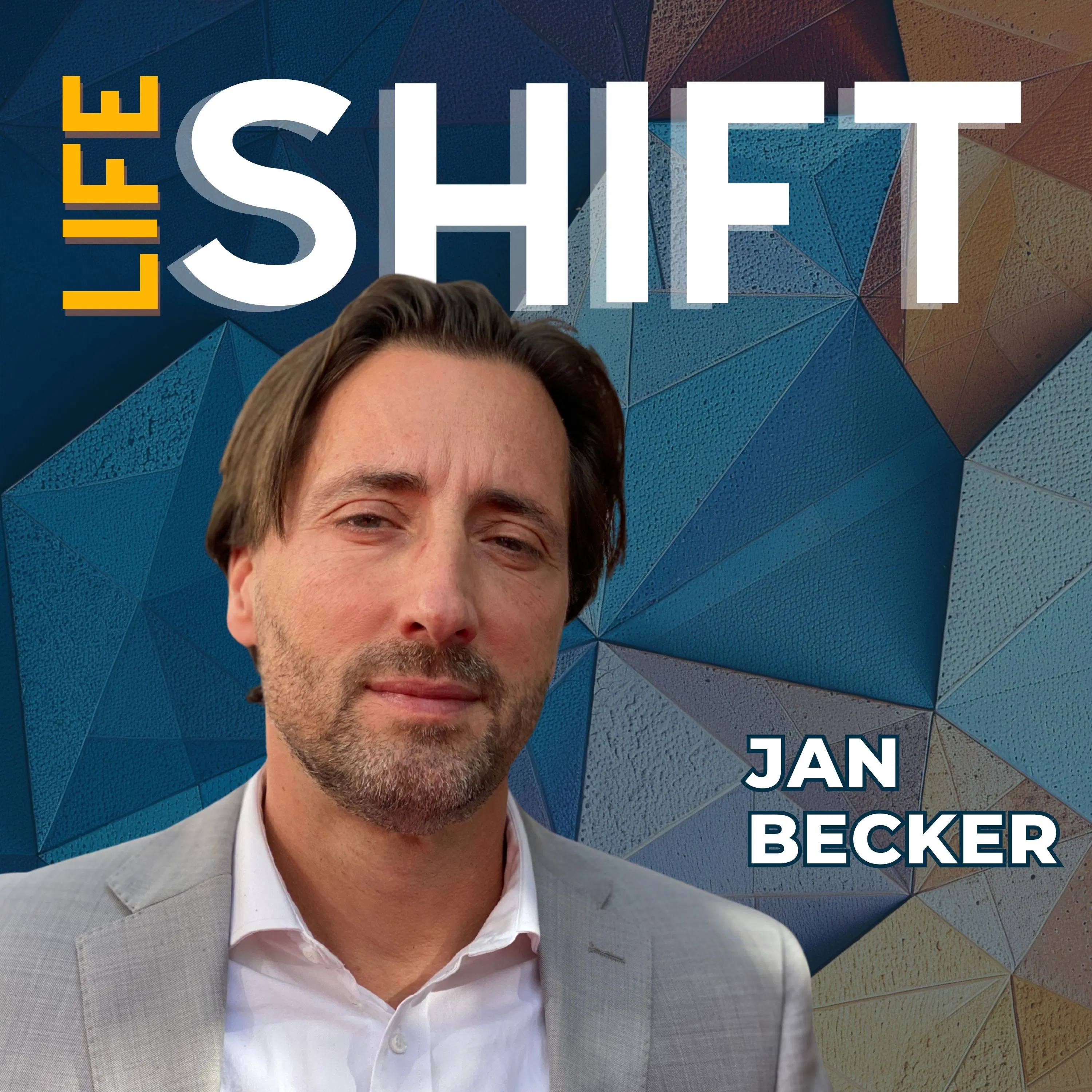
Processing sudden loss requires finding tangible ways to channel grief when words fail. When filmmaker Jan Becker lost his best friend and co-creator to a tragic plane crash, he spent a year editing footage of his friend back to life on screen. This guide explores how creative projects and video editing can serve as a powerful therapeutic tool for grief recovery and legacy preservation.
Key Takeaways
- Creative projects can provide a structured container for overwhelming grief when traditional talk therapy feels insufficient.
- Repeatedly viewing and editing footage of a deceased loved one transforms passive pain into an active act of preservation.
- Unfinished collaborative works create unique psychological burdens that require deliberate rituals to resolve.
- Artistic expression allows mourners to maintain a continuous bond with those who have passed away.
- Channeling trauma into physical editing work helps regulate the nervous system through tactile, rhythmic tasks.
The Psychology of Creative Grief Work
Grief is rarely a linear journey of stages; rather, it is a chaotic physical and emotional state that often leaves survivors paralyzed. When a death is sudden—such as the loss Jan experienced on the fourth of January—the brain struggles to bridge the gap between sudden absence and the vivid reality of a life that existed just moments before. Traditional grief models emphasize talking, journaling, or counseling, but for creative professionals and makers, the hands often process what the mouth cannot articulate.
Engaging in a creative project after a tragedy shifts the dynamic of mourning. Instead of being acted upon by grief, the survivor acts upon the grief. They manipulate media, sculpt clay, write pages, or arrange frames. This active participation grants a sense of agency in a situation where powerlessness is the dominant emotion. By building something out of the remnants of a shared dream, the bereaved person creates a bridge between the past and an uncertain future.
The Paradox of Facing the Image
There is a profound psychological weight associated with looking at the face of someone who has died, especially repeatedly over hundreds of hours in an editing bay. Initially, the exposure can feel excruciating—a reopening of wounds with every cut of the timeline. Yet, over time, this hyper-exposure changes the neurological response to the loss. The image transforms from a trigger of acute pain into a vessel of enduring connection.
Editing as a Therapeutic Container
For a filmmaker, the editing room is a place of order, pacing, and narrative construction. Chaos is brought into timeline tracks, audio is balanced, and visual stories are born. When Jan sat down alone with footage of his late friend Christian, the editing software became an unexpected therapeutic container.
A container in therapy is a safe space where difficult emotions can be held without overflowing or destroying the individual. The timeline provided strict boundaries. It forced Jan to engage with small pieces of reality—one frame, one second, one scene at a time. This micro-dosing of reality prevents the survivor from being completely overwhelmed by the macro-tragedy of the loss.
Navigating the Unfinished Collaborative Work
When you build something with a partner, the project is an extension of the relationship. Losing the partner while the work is unfinished leaves the survivor holding a heavy double burden: mourning the human being while simultaneously carrying the orphan project. Deciding whether to finish, shelve, or radically alter the work is one of the most agonizing decisions a creative person can face.
For Jan, abandoning the documentary was never a true option, because the act of finishing it became synonymous with processing the loss itself. Every edit was a conversation with his absent friend, a way of keeping a promise, and a method of translating a tragic end into a meaningful continuation.
Practical Steps for Channeling Grief Into Art
If you are navigating a profound loss and looking for ways to use creative work as an outlet, consider these structured approaches to protect your mental health while honoring your grief:
- Set Time Boundaries: Just as grief comes in waves, creative work tied to grief should have start and end times to prevent total emotional exhaustion.
- Focus on Tactile Tasks: Lean into the physical aspects of your medium—cutting tape, scrubbing timelines, mixing paints—to ground your body in the present moment.
- Allow the Narrative to Change: Let the art evolve as your grief shifts. Do not force the final product to match the vision you had before the loss occurred.
- Create Rituals of Completion: Mark milestones in your project with personal rituals that acknowledge the emotional labor required to reach them.
Conclusion
Grief changes us at a molecular level, demanding that we find new ways to exist in a world that feels permanently altered. Whether through film editing, writing, or visual arts, translating sorrow into a tangible creative project can provide a lifeline through the darkest seasons of loss. To hear the deeply moving, full conversation about how Jan Becker navigated this journey and edited his best friend back to life, Listen to the full episode of The Life Shift Podcast today, and subscribe for more inspiring stories of human resilience.
Frequently Asked Questions
How can video editing help someone process grief?
Video editing provides a structured, tactile environment where a survivor can interact with footage of a loved one in controlled doses. The rhythmic, step-by-step nature of arranging timelines helps ground the nervous system and transforms passive pain into an active act of legacy preservation.
Is it healthy to look at photos or videos of someone who has passed away?
Yes, controlled and intentional exposure to images and videos of a deceased loved one can help the brain process the reality of the loss over time. While it may initially cause acute pain, it can eventually transition into a comforting tool for maintaining a continuous bond.
What is the psychological impact of working on an unfinished project after a partner's death?
An unfinished collaborative project carries a heavy psychological burden because it represents both the lost relationship and unfulfilled potential. Completing it often becomes a vital part of the mourning process, allowing the survivor to honor their commitment and find closure.
How do you balance creative work with emotional self-care during grief?
Balancing grief-fueled art requires setting strict boundaries on work sessions, recognizing physical signs of emotional burnout, and allowing the creative vision to adapt as your emotional state shifts and evolves.


 Goodpods
  Podchaser
  PocketCasts
  RSS Feed