The Unexpected Call: Navigating the Emotional Depths of Reconnecting with Biological Family
Discover the profound emotional terrain navigated when an unexpected message opens the door to biological family connections. This post delves into the vulnerability, apprehension, and eventual courage required to answer the call from a past you thought was sealed.
Key Takeaways
- Reconnecting with biological family later in life is an intensely emotional process, often marked by surprise and deep introspection.
- The decision to initiate or respond to contact requires significant emotional preparation and courage.
- Managing expectations is crucial when meeting biological family for the first time as an adult.
- The initial conversations can be fraught with unspoken questions and the weight of years of separation.
- Building new relationships with biological family as an adult demands patience, understanding, and a willingness to navigate complex feelings.
The Moment the Phone Rang: An Unexpected Opening
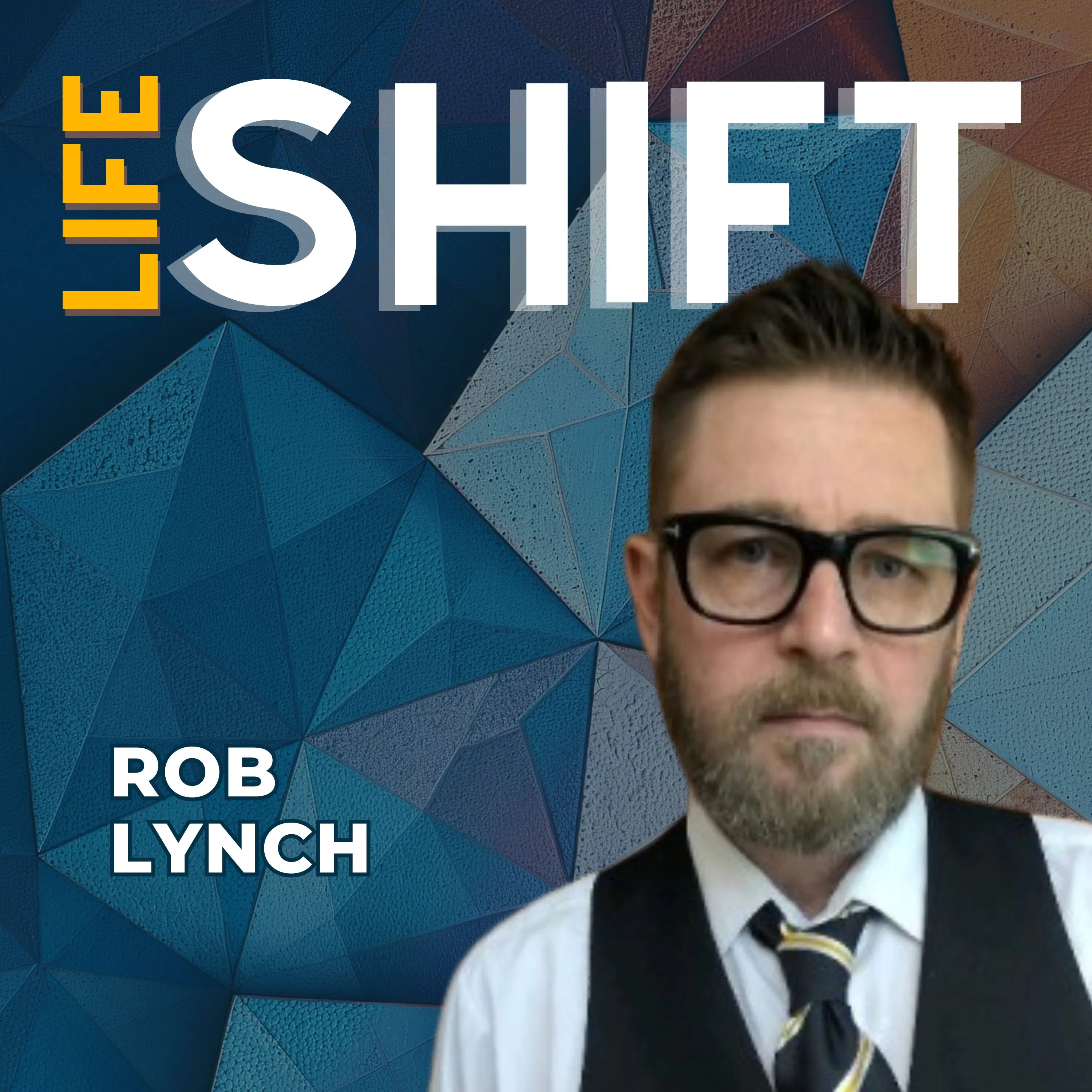
For many adults who were adopted, especially those who discovered their adoption later in life, the idea of reconnecting with biological family can feel like a distant, theoretical possibility. It’s a chapter they might revisit in their minds, but rarely one they actively seek to reopen. However, life has a way of presenting profound plot twists, often when we least expect them. For Rob Lynch, the guest on this episode of The Life Shift Podcast, this unexpected opening came in the form of a message from a stranger and a subsequent phone call that would change his perspective forever. This wasn't a deliberate search for answers, but a serendipitous convergence of technology, family curiosity, and the unique circumstances of a global pandemic that brought a long-lost connection to his doorstep.
The journey of reconnecting with biological family later in life is rarely a simple or straightforward one. It’s a path paved with a complex tapestry of emotions: curiosity, apprehension, hope, and even fear. The simple act of receiving a message or making a phone call can trigger a cascade of feelings that have been dormant for decades. Rob’s story, as shared on The Life Shift Podcast, beautifully illustrates this. His daughter’s DNA test, an innocent pursuit of ancestry, unexpectedly unearthered a biological cousin. This discovery set in motion a chain of events that led to an invitation to connect, an invitation that required Rob to confront his own readiness and courage.
Answering the Call: The Weight of Anticipation
The decision to engage with this newfound connection was not immediate. Rob describes a period of intense deliberation, marked by three Sundays of pacing and internal debate. This hesitation is a testament to the profound significance of such a moment. It’s not just about meeting a new person; it’s about confronting a fundamental aspect of one's identity that has been a mystery or a known absence for a lifetime. The anticipation leading up to the first conversation can be overwhelming. What will be said? How will it feel? Will there be judgment, or acceptance? Will the person on the other end be what you’ve imagined, or something entirely different?
This internal struggle is a critical part of the reconnection process. For adoptees who have built their lives without this knowledge, the revelation can feel destabilizing. It raises questions about where they come from, who they are, and how this new information fits into the narrative of their lives. The fear of rejection or disappointment is palpable, making the act of picking up the phone or sending a reply a monumental step. It requires a deep well of emotional resilience to step into the unknown, to risk confronting the stories and emotions that have been held close for so long.
The First Words: Negotiating Past and Present
When the call is finally made, and the connection is established, the ensuing conversation is often a delicate dance. It’s a moment where the weight of years of separation hangs in the air, laden with unspoken questions and a shared history that is yet to be fully explored. Rob’s experience highlights this poignantly. The voice on the other end expressed a longing, a question that encapsulated the depth of the separation: “I looked for you for so long. Can you ever forgive me? Have you had a good life?” These words are not just inquiries; they are an acknowledgement of the past, a plea for understanding, and an opening for a new narrative to begin.
Responding to such profound questions requires immense emotional maturity and self-awareness. For Rob, the journey wasn't about assigning blame or seeking validation for past hurts, but about understanding the complexities of his biological mother's life and his own place within it. The ability to acknowledge her search and express his own life's journey—that he had indeed had a good life, even with the missing pieces—is a powerful testament to his emotional navigation. This initial exchange, though potentially fraught with apprehension, lays the groundwork for a potentially rich and understanding relationship. It’s a moment where the past is acknowledged, and the present is embraced, opening the door to a future where these newly discovered connections can flourish.
The process of reconnecting with biological family is not a destination but a journey. It’s an ongoing exploration of identity, belonging, and the ever-evolving nature of family. For those who embark on this path, it’s a testament to the human desire for connection and the courage to embrace all facets of one's story. The initial contact, the first conversation, is merely the beginning of a new chapter, one filled with the potential for healing, understanding, and the discovery of a deeper sense of self.
To hear more about Rob's incredible journey and the nuances of reopening this deeply personal chapter, listen to the full episode of The Life Shift Podcast: Adoption: The Chapter You Thought Was Finished.
Frequently Asked Questions
-
What are the biggest emotional challenges when reconnecting with biological family later in life?
The biggest challenges often include managing deep-seated emotions like apprehension, fear of rejection, potential grief over lost time, and the complex feelings associated with identity. There can also be anxieties about how this new relationship will impact existing family dynamics.
-
How can I prepare myself emotionally for making contact with my biological family?
Emotional preparation involves introspection about your own feelings, motivations, and expectations. It can be helpful to journal, speak with a therapist or counselor experienced in adoption issues, and talk to trusted friends or family members. Setting realistic expectations for the outcome is also vital.
-
What if my biological parent is hesitant or unwilling to connect?
It's important to respect their boundaries while acknowledging your own feelings. You can express your desire to connect and offer them space and time. Sometimes, a direct response isn't immediate, and they may need time to process the situation. Focus on what you can control—your own emotional well-being and how you choose to move forward.
-
How does reconnecting as an adult differ from what a child might experience?
As an adult, you have a more developed sense of self and can process complex emotions more independently. You can also set your own boundaries and make informed decisions about the level of contact. Unlike a child, an adult adoptee can often understand the broader context and societal factors surrounding adoption and relinquishment.