How Misha Brown Got Sober and Learned to Be His Own Best Friend
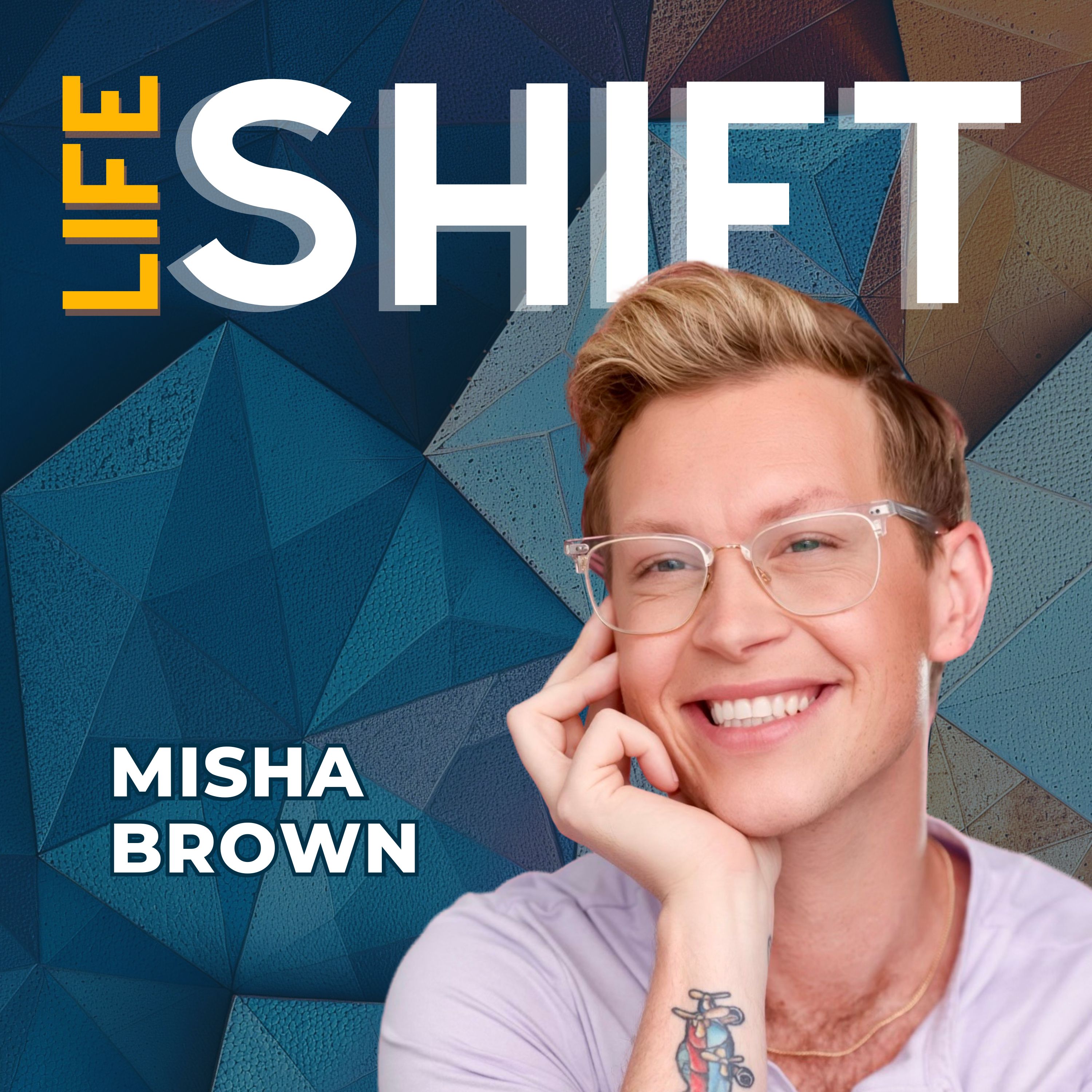
Misha Brown shares how one question on Christmas Eve, asked in a New Jersey hotel mirror, became the start of eight years of sobriety, self-love, and a life he actually recognizes.


 Goodpods
  Podchaser
  PocketCasts
  RSS Feed
 Key Takeaways
- Many people learn to prioritize others' needs over their own, often using external achievements or 'costumes' to hide internal struggles like loneliness and addiction.
- A pivotal moment of self-reflection, even a quiet one, can be the catalyst for significant life change, leading to sobriety and a deeper understanding of self-worth.
- Developing a structured framework for self-love and sobriety, even without a pre-existing plan or support group, can be a powerful tool for personal transformation.
- Public vulnerability, while challenging, can lead to unexpected support and serve as a catalyst for maintaining a commitment to personal growth and recovery.
- Transitioning from seeking external validation to finding purpose in platforming others can create a more meaningful legacy and a stronger sense of community.
Many of us have learned to prioritize the needs of others over our own. We offer the right words, show up when needed, and hold space for those around us. But when the day is done, we retreat to the parts of our lives we keep hidden from view. Misha Brown spent years navigating this reality. Hailing from a small town with a single stoplight, he cultivated a life that appeared rich with experience – traveling to over a hundred countries, building a career on cruise ships and stages, and possessing a laugh that could fill any room. Yet, behind this dazzling exterior lay a profound, persistent loneliness and a reliance on alcohol that had become a mask for his true self.
The turning point arrived on Christmas Eve in a New Jersey hotel room. Surrounded by empty cans and a makeshift ashtray, Misha ended a call with his best friend who was going through a difficult time. In that moment, looking at his reflection, he posed a question that would alter his path: Why can't you be your own friend? This wasn't a moment of grand drama, but a quiet realization that would initiate a profound shift.
This episode of The Life Shift Podcast delves into Misha Brown's journey toward sobriety and self-acceptance. We explore the formative experiences that shaped his identity, the complex relationship between performance and self-expression, and the pivotal moment that sparked an eight-year transformation.
Discovering Misha Brown's Path to Sobriety and Self-Love
In this compelling conversation, Misha Brown shares the intimate details of his life-altering experiences. He opens up about:
- The early seeds of fractured identity sown by a missed college audition, and how performing became both a refuge and a form of escape.
- The profound loneliness that existed beneath his seemingly full life, and how his drinking habit became a coping mechanism rather than a solution.
- The specific Christmas Eve encounter in a New Jersey hotel room that served as an eight-year turning point, challenging him to confront his relationship with himself.
- The raw and unfiltered experience of getting sober without the immediate structure of a support group or a clearly defined plan.
- The development of a unique self-love framework that evolved into his bestselling book, Be Your Own Bestie: A No-Nonsense Guide to Changing the Way You Treat Yourself.
- How leveraging social media became instrumental in finding his community and purpose, shifting his focus from personal ambition to collective well-being.
Misha Brown is a dynamic force in the entertainment world, recognized as an influencer, podcast host, and performer. He gained significant attention on TikTok in 2021 with his viral "Lessons in Not Crossing a Gay Man" series, attracting over 6 million followers. His contributions have been recognized with accolades such as Motivational Creator of the Year and a Webby Award for social impact. He has also been nominated for a Best Comedy Podcast award by the Podcast Academy. Misha's insights have been featured in major publications including People, USA Today, and Good Morning America, solidifying his position as a prominent and influential voice.
His debut book, Be Your Own Bestie: A No-Nonsense Guide to Changing the Way You Treat Yourself, is available for purchase wherever books are sold. Misha currently resides in Texas with his husband and a cherished collection of pets.
Connect with Misha Brown online at @yourbestie_misha.
---
Listen and follow The Life Shift Podcast: www.thelifeshiftpodcast.com/follow
Subscribe to our newsletter: https://thelifeshiftpodcast.beehiiv.com/
---
Topics explored in this episode include: self-love, Misha Brown sobriety, identity, recovery, performing arts, belonging, inner child, self-worth, authenticity, friendship.
You Might Also Like:
- Honesty Over Comfort: The Confession That Changed Everything
- What Survives: A Story About Loss, Resilience, and Inner Friendship
Frequently Asked Questions
What was the turning point for Misha Brown's sobriety?
Misha's turning point came on Christmas Eve when, after a difficult phone call, he asked himself why he couldn't be his own best friend, marking the start of his eight-year journey to sobriety.
How did Misha Brown learn to be his own best friend?
Misha developed a structured self-love framework, which initially helped him navigate sobriety without a clear plan and eventually evolved into his book, 'Be Your Own Bestie'.
What led Misha Brown to use alcohol as a coping mechanism?
Misha's reliance on alcohol stemmed from a fractured identity, partly due to early success in performing and a subsequent missed college audition, which led him to use drinking as a 'costume' to mask loneliness.
How did Misha Brown's career influence his struggles?
His career as a performer, involving extensive travel and creating a shiny exterior, allowed him to disappear into a role and enabled his drinking habit to escalate, contributing to his feelings of isolation.
Matt Gilhooly (00:00)
There's a version of a life that looks great from the outside. The travel, the career, the packed schedule, the laugh that fills every room. Misha Brown had all of it. And for a long time, that was enough to keep the real story buried. It wasn't one big collapse that changed things. It was actually a quiet moment. Christmas Eve, a hotel room, a phone call with a best friend who was struggling, and a mirror that finally wouldn't look away. Misha asked himself a question that most of us are too afraid of asking.
And then slowly he started answering it. This is a conversation about what it actually takes to become your own friend. Not the easy version, not the post-it note on the mirror version, but the kind that requires you to stop running and sit in the uncomfortable parts of who you are. Misha's story is funny and honest and a little heartbreaking. And by the end of it, you might find yourself asking that same question.
Misha (00:51)
And I said, why can't you be your own friend? Why are you so good at prescribing and giving out all of this?
advice and you're sounding more you just you do this so easily for other people. Why can't you do that for yourself? And then I went back and I drank I went back and I and I kept
Matt Gilhooly (01:09)
You're listening to the LifeShift Podcast. I'm your host, Matt Gilhoolie. This show is built around one simple idea, that sometimes a single moment can change how we see everything. Each week, I talk with someone about the moment that shifted their life and how they learned to live differently after it. These are not stories about having it all figured out. They are stories about what it looks like to keep going once the story changes. Thank you for being here. Here's today's story.
Matt Gilhooly (01:41)
Hello my friends, welcome to the LifeShift Podcast. I am here with Misha. Hello Misha. Is that how you say your name? I didn't even ask. Okay cool. Well a lot of people listening probably know who you are because you're a large personality I would say on the internet, would you say?
Misha (01:45)
Hi. Yeah, yeah.
Some might say
too much. Just enough. There we go. Appreciate it.
Matt Gilhooly (01:58)
just enough. think that I think for so you know, to that point,
I think so many of us, I'm 45 now. So in my growing up, we were taught to live in these boxes, like we couldn't share all of ourselves for me having a dead mom, like that was so much of my personality internally, but I had to show everyone that I was perfect. And I was gonna be this and that and not these things. That it's nice now at this age to be like
Misha (02:10)
Mm-hmm.
Yeah.
Matt Gilhooly (02:26)
If you don't like what I have to say or share, then you're not for me. Like we can exit.
Misha (02:31)
I
relate to that a lot. mean, I know we're gonna talk about it, but very much of like, before I really kind of took control of my life, outwardly everything was really pretty and shiny and sparkly. Like my life was fully together, but it was actually quite lonely because I was silently struggling because I was projecting happiness and confidence and success. So I totally get that.
Matt Gilhooly (02:54)
Yeah.
Yeah, and it's so exhausting wearing those masks for so long. Well, thank you for wanting to be a part of the life shift podcast. This has been this most incredible journey of talking to strangers across the planet about deeply personal things that I think I was afraid to ask questions about when I was growing up because it was like, that's too personal. We can't ask these questions. But what I'm finding as much as these conversations go about
Misha (03:00)
Yeah. Yeah.
Yeah.
Matt Gilhooly (03:26)
experiences that are wildly different, like totally different. No one has the same story. But there's so much similarity in the way that we feel in these moments and how we process things and, and the things that we assume shame that we shouldn't be assuming shame that it's just, it's been a really eye opening journey and gone below the surface of, you know, storytelling is powerful, or we have so much in common like we do. And it's very weird to understand that at 45. Like, ⁓ okay. That does all make sense.
Misha (03:28)
Mm-hmm.
We really do.
Yeah, it took
me a long time as well. mean, I always tell people, people ask me, what do do for a living? And I say that I'm a collector of stories. And it's very, I'm the same. If there's somebody sat next to me that I don't know in public, I strike up a conversation. I'm a talker and I love listening to people. And I feel like there's, I've learned so much more by just sitting down and having a conversation with an absolute person that I would have never met if I hadn't just been a big mouth.
Matt Gilhooly (04:21)
Yeah.
Misha (04:22)
So it's really fun.
Matt Gilhooly (04:24)
I'm
the friend that gets yelled at for talking to the Uber drivers. you know, they're like, no, I do nice things. I say nice things. any case, thank you for being here. Before we get into your story, whatever pivot we talk about today, can you tell us who you are in 2026? How do you show up in the world? You know, you're a collector of stories, but how do you identify these days?
Misha (04:27)
Yeah, my ratings gonna go down.
I know, I know.
Mm-hmm.
Mm-hmm. Yeah, I am somebody who has been on a journey and will continue to be on a journey of figuring out what makes me happy. And I was always somebody that was really good at being the friend. And so I've spent the past eight years figuring out how to be my own friend and showing up in the world and accepting abundance as it comes.
it's been so crazy. Somebody asked me a few weeks ago, what are your dreams and who are you? What's your dreams? And I said that I think they used to be all about me, my dreams, that I wanted applause and the stage and the lights and not to be forgotten. And that has shifted over I have a pretty large social media platform, 8 and 1 million followers. And I realized along that journey the power of being seen. And so I wanted to share that with other people and help them be seen.
And I'm living in that. That dream is being realized currently. And so I'm feeling that dream shift trying to figure out how to make it legacy. what I mean by that is something larger than me and how I can platform other people who are chasing their dreams. so, yeah, when I say collector of stories, I really just mean I want to be a community member. And that's who I am in 2026.
Matt Gilhooly (06:02)
I mean, that's beautiful. Let's add also New York Times bestseller. That's that earlier dream coming true, the people clapping for you and the people supporting you. I think it's really beautiful though when you find the space where you are comfortable enough that you wanna share the stage. And that's kind of what you're doing by collecting these stories and listening to people, feeling seen. I'm sure there were moments in your lives where you...
Misha (06:06)
Thank you. Yes, also that.
Matt Gilhooly (06:30)
in your life where you didn't feel seen or you didn't feel validated in the way that you felt. it's just, there's so much said to that that you don't understand until it happens.
Misha (06:32)
Absolutely.
Yeah, absolutely. Like I said, I felt very lonely for a large portion of my life. And I've come to realize that that was placed upon me in certain situations, but I also think that my own insecurities, resisted hearing and receiving the kind of love that I yearned for. It was available to me. know that now, but in the moment, life is hard sometimes, especially when you're different or you go through things.
Matt Gilhooly (06:47)
Yeah.
Misha (07:08)
And I'm sure you can relate to that, that when you look back, you're like, that was there. And I didn't see it in the moment. I think that's the power, like you said, when you're sharing and you're having conversations and you realize that we are similar in those ways, that maybe somebody who is in the midst of it, that they're in the thick of whatever trauma or difficulty they're going through, that maybe that's just the one little spark they need. So just look up and see what's before them.
Matt Gilhooly (07:32)
Yeah.
100 % we'll get to your story in just a second. just I there I want to double tap on that. That was the dumbest thing I've ever said, but it's cool. I think I took me forever. And sometimes it's these things where you don't realize you need the validation. So I just want to I was talking to someone about they also had a parent die when they were younger, actually two parents die when they were younger. And, and their grief was during their teenage years, which was very much mine as well. And
Misha (07:43)
You
Mm-hmm.
Matt Gilhooly (08:05)
she was talking and we were talking back and forth and we both like let out this secret that we thought we were so weird for thinking at the time. We both thought that our parents were in witness protection and someday would come back to us. But we didn't tell anyone in our lives about it because we like that's because we knew but also we it just felt so like people would think we were weird. But when we both said it out loud we both had this moment of like
Misha (08:19)
Wow.
Matt Gilhooly (08:32)
validation that we were regular humans just trying to like move through the grief and it was a very weird experience to be like I didn't know I needed that but wow what a wait so to your point people hear your story they may not have gone through the same thing but they might hear how you felt in a moment and they're like ⁓ I'm not the only one that feels this weird way or whatever it may be so keep doing what you're doing
Misha (08:37)
Mm-hmm
Exactly.
Yeah, and I get
direct feedback that that is absolutely the case. There are people in my emails and my DMs, messages every single day, you know, saying, hey, this really helped. know, they might, no, no, no, it does feel like responsibility a lot of the time. And sometimes it becomes heavy. think, you know, are boundaries there that I haven't necessarily clearly explicitly said because I want people to feel comfortable and safe to share. But there is a level of like, you know, trauma dumping sometimes and.
Matt Gilhooly (09:03)
Yeah.
Does that become a burden? Good. ⁓
Yeah.
Misha (09:25)
You know, one time there was very graphic images that were sent in an email that, you know, but overall, like I said, I just kind of want it to be a safe space for people to, like you said, it's almost just like giving permission to be human, permission to feel a little bit weird and say, okay, well, I'm not, I'm a little weird, but I'm not broken.
Matt Gilhooly (09:27)
no.
Well, and the sad thing is we've had that permission all along. It's just...
Misha (09:46)
Right.
Yeah, I don't have to give it to you. You have to give it to yourself. that's the other thing. I know. wish so, too. That's the thing I always say, too, is people give me too much credit in saying, you changed me. You did this for me. You saved me. And it's like, nah, I don't think so. I think you need to remember that I could have been the inspiration, that spark of lucidity for you. But ultimately, you did the work. You made the change. And you've been processing and growing. props to you.
Matt Gilhooly (09:50)
I wish we knew that.
Yeah.
But you showed that
it was okay. And I think that's beautiful. know? Yeah, take that. All right, so let's I know you have many pivotal moments, but could you give us an idea maybe paint the picture of who Misha was before this main life shift moment that you feel is really pivotal in your life to create this version of you.
Misha (10:17)
Yeah, yeah, I'll accept that.
Mm-hmm.
Yeah, grew up my whole life performing. I came out of my mom's womb literally singing. Whitney Houston, I would literally jump up on tables and bars and family functions and all I did was sing songs and create characters and perform. And that was my literally my entire life, all the way through school, like college. I went to school for musical theater, moved to New York City.
Matt Gilhooly (10:58)
That's awesome.
Misha (11:01)
And there's something really, really dangerous about being special when you're young. I'm from a really, really tiny little town. We got one stoplight in our town. graduated high school with 66 people. Yeah. And, yeah. But the thing was, I stood out at being such a good singer and so musically inclined.
Matt Gilhooly (11:14)
I had 600.
Misha (11:25)
And it concentrated in my school. know, like I was going to Allstate and I was winning like statewide awards for theater in high school. I was really, really talented. But then when I went to college and I was around all of the other bests at their local schools, first time I didn't get the first year, first semester, I auditioned for the musical Into the Woods. And not only did I not get the part that I wanted, I didn't get cast at all.
And it was a huge blow. Huge blow, because when someone tells you that you're special, you assign that as your identity. so it really had me questioning who I was and what my worth was and if everything was a the first time I ever drank was when I was 12 years I had grown up through high school.
barn parties in the country. But that was a way for me connecting with other people. It was a social thing, but it was the first time I put on a costume, right? Because it was me finding a way to be accepted, yeah, fitting in, despite me being the weird gay kid in a tiny little town. so then in college, when that happened, that other identity, the one that I was wearing the costume kind of took over.
Matt Gilhooly (12:19)
Yeah.
Okay, so is a social thing.
Okay.
fitting in.
Mm-hmm.
Misha (12:45)
And I got kicked out of my first college for bad behavior. And my second college, where I was from musical theater, I also got in trouble for being a bad influence and drinking too much and doing drugs and getting underclassmen who are very naive to join me in my debauchery and was put on probation. And so I didn't want to face accountability and I dropped out.
Matt Gilhooly (12:50)
Really.
Misha (13:12)
And I moved to York City and I said, it's fine, I'm just gonna go and I'm gonna live out my dreams. And I did have a career for a long time. I was always cast, never, I had a couple survival jobs here and there in the 12 years that I lived in New York City, but 98 % of the time I was a working performer. They just weren't the kind of jobs that I had dreamed for myself.
I kept getting in series of relationships that weren't good for me. They would ultimately spiral and end in dramatic ways. And I would run. I would do the same thing I did with college, and I would just flee. And I would flee to jobs that I absolutely knew I would book, but they were beneath my skill set. Yeah, yeah. But how demoralizing. You're like, great, I'm working, I know it's not what I want.
Matt Gilhooly (13:47)
Mm-hmm.
I know that feeling.
but it gives you the opportunity
to say like, did it. Like, look, I got this. I did not get this. ⁓
Misha (14:05)
Right. Yeah. And I would celebrate them and I would tell everybody,
how great this is. Do know how many actors are not working and haven't? Right. Barely had to try. And yeah, this led to lots of different things. Children's theater tours. I sang for Cirque du Soleil, but not the good one. I was doing like, but not the good one. It's like, stay seated. It's not that fancy. But, and then ultimately cruise ships and...
Matt Gilhooly (14:13)
Yeah, I barely had a try.
You
Misha (14:31)
know, cruise ships, I say in my it's like that was my version of a gaslighting X that you keep going back to, not because they're good for you, but because the sex, or in this case, the money was great. And so for 10 years, I kept going back. And I would tell myself, well, I'm traveling the world. I've been to all seven continents, over 100 countries. There's money in my bank account. This is great for me. But I would be gone for eight months at a time.
Matt Gilhooly (14:37)
Mm.
Misha (14:58)
And so that's always eight months pushing me further and further out from my dreams. And it allowed me to keep falling deeper and deeper into this character that I was playing, right? was, my drinking just continued to grow and spiral, but I didn't look like the bum under, you know, a bridge. was, like I said, there was lots of money. There was, you know, all of this happiness. was, I wasn't a mean person when I drank, you know, I was the life. Yeah, I was the life of the party.
Matt Gilhooly (15:24)
Did you feel like you had a superpower? Okay.
Misha (15:28)
Absolutely. And it was
Matt Gilhooly (15:28)
So is the acceptance still in a way?
Misha (15:31)
accepted by everybody else. So it was just this perfect storm of me never having to grow up. And not only that, but also continued to harm myself, which I didn't realize I was doing in the moment. But then going back to this cycle, this merry-go-round-of-hell pattern that I got myself into relationships, I found myself in my fourth relationship I knew.
wasn't fair to me. I was dating a Ukrainian ballet dancer, which makes sense. you Google ballet dancer, you'll totally understand. But because he was from Ukraine, our relationship had to be a secret. And we were together for a couple of years, a few years. And we ended up having to be on separate contracts this one time, which means eight months apart. And the whole time, we're messaging and FaceTiming and
promising that we were waiting for each other and we had a contract lined up for after that. And then at the end of mine, I book a vacation on his ship, fully paid guest. And when I get there, he asks me if I can look up flights from Barcelona to Kiev. And I was so confused because the ships take care of travel, so why do you need that? Turns out...
He did not want the other crew members and his castmates to be suspicious as to why he would be sleeping in my guest cabin. So he invited his mother and his sister on the very same cruise. They would sail for free if they stayed in his room, which gave him a perfect excuse. He's a golden boy son, and that's why he was staying in his crazy American friends' cabin. Obviously, I was.
So angry. You haven't seen each other for eight months. Your very homophobic mother is here, which we'll have to keep her engaged, but also the fact that nobody knows about me. like the very first thing that happened when we got on the ship was this like bubbly, bouncy, bleach blonde haired girl. A dancer in the cast comes running up so excited. She's like, Shedya, the day is finally here. Are you so happy? Your mom is here.
Matt Gilhooly (17:17)
Hmm. Yeah.
entertained.
Misha (17:43)
And then she looks at me and she's like, who are you? So I turned, literally I turned away from her, didn't say a single word to her and walked to the nearest bar and got the all you can drink package. And I spent the next 12 days just double fisting vodka sodas. I fell down the stairs at one point, I was so drunk I sprained my ankle. And there was a sea day that, Jenya said that he was going, he had a rehearsal for one of the shows. So,
Matt Gilhooly (17:45)
You
Mm.
Misha (18:11)
I was like, I'll take this opportunity. I'll go to the gym. I go up to the gym. And when I walk in, there he is being spotted on the bench press by a very attractive male British dancer. And I saw the signs. As the OG secret boyfriend, I knew exactly what was going on. And I didn't confront him. And I didn't break up with him. I drowned myself in alcohol, not just for the rest of that trip, but I had a Cirque du Soleil contract before we were getting ready to work together again. And it was an absolute disaster.
Matt Gilhooly (18:29)
Hmm.
Misha (18:41)
I was drinking during shows. I was waking up and spitting blood. I was so dehydrated. I just felt so sick. was gaining weight like a rapid pace. People were very, for the first time in my life, people around me were like, you're crazy. This is out of control. ⁓ No, this was the first time that I was like, no. I was like dyeing my hair crazy colors and like I was, you know, I had to go on TV like.
Matt Gilhooly (18:56)
Yeah.
Did it feel like it was helping for you?
Hmm.
spiral.
Misha (19:10)
You know, like I was doing things that I knew that I should not be doing. And things that were out of character for me. I did lash out at people. My whole personality shifted. And this went on for a while, two months. And then finally, are we ready to get to my pivotal moment? So then finally, it was Christmas Eve and I was in a New Jersey hotel room. That was our stop on tour. I was.
Matt Gilhooly (19:28)
Okay.
Misha (19:37)
in a room by myself looking at the New York City skyline where all my dreams promised they were going to come true. And I was surrounded by empty beer cans and a makeshift ashtray made out of a paper coffee cup. And I felt, physically, I felt sick. And my very best friend, her mom was going through cancer. She was battling cancer at the time. So she called me because she was really sad. And I did what best friends do. And I told her she was
you know, so strong and resilient and she was going to get through this, you know, exactly what you expect, you know, a best friend to say. And I get off the phone with her and I look around at this life that I created that I did not recognize. And I went into the bathroom and I looked at my puffy face in the mirror, thinking about that conversation I just had with her. And I said, why can't you be your own friend? Why are you so good at prescribing and giving out all of this?
Matt Gilhooly (20:19)
Yeah.
Misha (20:32)
advice and you're sounding more you just you do this so easily for other people. Why can't you do that for yourself? And then I went back and I drank I went back and I and I kept drinking but it was in my head. It was the seed that was planted and I laid in bed that night and I had these two opposing thoughts. There was the one this little inner saboteur that was telling me there's no way you're ever going to do this. There's no way you're ever going to change. And then there was another one that said maybe this is your opportunity.
Matt Gilhooly (20:44)
Mm-hmm.
Misha (21:00)
to try something else and maybe it won't work out, maybe it will. Spoiler, it totally did. I woke up the next day and normally what would have happened is I would have just ignored what happened the night before and just killed my time. you know, you know, just like, yeah, just completely skirt past that and just move on with the next thing. But it was Christmas day and all of the Americans in the cast, they had gone home.
Matt Gilhooly (21:04)
Yeah.
It's a new day. Yeah.
Misha (21:28)
And it was just a bunch of Eastern Europeans that don't celebrate Christmas on December 25th. They do it on January 8th. So I was literally by myself. And so that was just the perfect moment. And I opened up Facebook. I was not an influencer. I never had any plans of doing that. It was just my friends and family. And I wrote a really long post being vulnerable and saying, I'm an alcoholic and life does not feel as good as I've made it seem.
and I need to give up drinking. And I pushed post and immediately was like greeted with a lot of love and support. And I was terrified when I, before that I was like, oh my gosh, you're not supposed to let people in. Yeah, it's the opposite. but yeah, so many people, my mom called me, a lot of friends that I respected and admired that I had like kind of lost touch with or, know, they didn't,
Matt Gilhooly (22:05)
good.
Of course.
because it's opposite of performing.
Misha (22:28)
participate in those kinds of drinking with me when I had worked with them in the past. And then also people that very much were the center of my universe when we were in each other's lives and totally would get it. then as soon as I got that like burst of reassurance, I texted my Ukrainian boyfriend. And I'll never forget that I laugh about this still to this day. I just texted one line. said, your pirouettes might not be single, but you are.
Matt Gilhooly (22:56)
You thought you were so clever too.
Misha (22:58)
I did. I did. I broke up with them. And that was literally that day. If that day had not happened the way that it did, I wouldn't have my current, my marriage that I'm in. I wouldn't have my career. I wouldn't have the book. I wouldn't have, you know, the contentment that I feel within myself that that I can literally draw a line to everything good in my life that I, that I have right now to that day.
Matt Gilhooly (23:23)
that day. How
long ago is this?
Misha (23:27)
eight and a half years ago.
Matt Gilhooly (23:29)
I, the post itself just makes me think of people sharing their story, like the real story, like you just being like, this is it, like, not all of it. I'm sure there were other things that you could have shared that maybe you didn't. But putting that out there in such raw honesty is one itself. Was it a power to you? Did it feel after you got over like the, did it feel like a weight?
Misha (23:32)
Mm-hmm.
Yeah.
Matt Gilhooly (23:57)
lifted? Did it feel like, okay, this is out there, I don't have to hide it anymore or pretend
Misha (24:03)
No, if I'm going to continue to be authentic and raw and I honestly think a lot of this is also is just a happy mistake. I do think that I posted out of ego. think that I think my subconsciously, I knew that the only way to fix myself was to confront my ego. I and by saying, hey, everybody, I'm doing this. I wouldn't want to Publicly. And so so I honestly felt like pressure.
Matt Gilhooly (24:11)
Okay.
fair.
Okay, interesting.
that you had to now got it. I mean,
Misha (24:31)
At first, yeah, at first
it felt like pressure, but you know, it.
Matt Gilhooly (24:38)
Did you commit
to anything in that post?
Misha (24:41)
No, because I really didn't believe in myself. think I committed to 90 days. I think that's what I committed to. And I will say, one of the smartest things that I did in retrospect, I didn't know it was smart at the time, was I gave myself a goal for the 90th day, which was I'd always wanted to run a half marathon. And I said, OK, and I signed up. I was going to be in England for rehearsals. And without
Matt Gilhooly (24:42)
Okay.
Okay.
We hardly ever do.
Misha (25:09)
anybody's or anybody to, you know, do it with me, I signed up for a half marathon. And at first, like I said, everything felt like pressure. Every day was a constant, constant thinking. Today's a day I'm not allowed to drink. Today's a day I'm not allowed to drink. And it was somewhere in month two that I was having a particularly rough day in rehearsals and I was in a rehearsal room at a piano by myself trying to teach myself this song.
that was very, fast in Spanish and I was frustrated because I wasn't getting it. And I remember I just like took a little break. I was having a cup of tea and all I was thinking about was going to the grocery store and like splurging on something to make for dinner. And I stopped myself and I was like, my gosh, that's the first time in most of my life, definitely in my adult life that alcohol wasn't my reward system.
It was the first, there was, and it took me a minute to recognize it, but I was like, my gosh, I didn't even think that, that wasn't my go-to. I'm thinking about something much better. And that was really, that was the moment a lot of it shifted from that pressure to, ⁓ I'm doing this for me. Yeah.
Matt Gilhooly (26:14)
It's like habit.
Mmm.
Yeah.
Yeah, like did
was was that also a moment or when was the moment where you look down and you were like, ⁓ I am being a friend to myself. I am taking care of myself. I am enjoying life without wearing that mask or feeling that pressure to fit in.
Misha (26:47)
Well, I think that came a while later, I think. So I'm a planner. And so my book is around something that I made for myself that day, that Christmas day in the New Jersey hotel room. I literally mapped out my sobriety and my self-love journey. Yeah. So exactly. I got a book out of it, but I never, I never anticipated ever sharing it with anybody. But when I was in those Cirque du Soleil rehearsals, me and the director did not get along.
Matt Gilhooly (26:49)
Okay.
That's awesome.
No pressure, but at least you got something to follow.
Misha (27:14)
He hated me because I was a perfectionist and also scared of looking like I was wrong, that I would ask a lot of questions. And specifically, one day he would be like, you go stage right. And then the next day he would be like, OK, well, I told you guys to go stage left. And I would be like, didn't. And he thought I was very combative. I was trying to be accurate. But really, it was like, I don't want you to think that I'm messing up.
Matt Gilhooly (27:36)
You're just being accurate.
Mm-hmm.
Misha (27:42)
He would call me sassy and it was not endearing. It was not in term of endearment. It was a slur. And so when I was sat there and I was trying to plan out my thing, I was like, I'm going to take something back. I'm going to regain power over something. And that was like the most recent thing. So I was like, sassy, I am sassy. And so I created the acronym SAS and I mapped out what the first quarter of this year, I'm going to work on self-reflecting. And so for the first three months, I really just kind of
Matt Gilhooly (27:44)
Hmm. Hmm.
Misha (28:13)
just tried to figure out why I was messed up and why I was unhappy. And I really sat in a lot of my negative emotions for the first time in my life. And it was so uncomfortable and not a lot of fun, which is exactly why it's called self-reflection as a bitch, because it is. So it really wasn't until Q2 that I really started affirmations. Yeah, yeah. But it really was this, when I really just kind of focused on affirmations
Matt Gilhooly (28:22)
Mm-hmm.
Hmm.
Okay. I love that you have Q2, Q3.
Misha (28:41)
And I don't just mean like Post-It notes on my mirror saying, can do But really just the date, was like dating myself, because I also said I wasn't going to see it. wasn't going to participate in any kind of relationship for a year, I was a serial monogamist. And I needed to focus on myself. So I was really dating myself and just making sure that every day that I was doing something for me that had no relation to other people or expectations or responsibilities.
And I learned along the way that that really just kind of absorbed into the very fabric of who I am, that I deserved things, that I deserved goodness and to be nurtured and cared for, and mostly from myself, but also then from other people as well. But that's when I looked down and finally was like, wow, I'm doing it. Like I haven't thought about...
Matt Gilhooly (29:12)
Hmm.
Misha (29:30)
jenny in a long time. I'm not angry over this anymore. I haven't been drinking. I'm doing all the good, you know, and I really started feeling these moment like it wasn't all the time, right? Healing doesn't, it's not a linear thing. You know that it looks like Donald Trump's stock market. There's like highs and lows, peaks and valleys, right? And, but there were days and there were increasing number of days that I actually felt proud of myself, which was a big change.
Matt Gilhooly (29:53)
Yeah.
Did any of that journey? mean, I think that's beautiful. And I love that you're a planner. For me as a a trying to be a former perfectionist. I feel like some of those things would be really I would feel like I was faking it for a little bit. Was there any part of that where you were like, affirmations, for instance, did was that natural to you? Was that something that you had to like, just do and keep doing to eventually see the value in?
Misha (30:26)
Yep, no, I tell people all the time, so we all have heard the phrase, fake it till you make it. And I realized that I said that to myself and I was resistant to it. And I think, and I've talked to other people and they feel kind of similarly that the word fake has a negative connotation, that you're not being honest, that you're not being truthful. So I reframed it and I said, okay, no, we're just borrowing confidence from somewhere else in our life, right?
Matt Gilhooly (30:27)
Okay.
Mm-hmm.
Look at
you.
Misha (30:55)
The thing is I was, I did have a real cape. I was a superhero when I was performing. There's nothing you could have said to me that would have knocked my confidence when I was on stage. So I thought about it. How do I carry myself? How do I speak? How do I like maintain eye contact? And you know, what do I say to myself in my head in these moments? Just take all of those things and just fake it. Honestly, just borrow that power and
Matt Gilhooly (31:17)
Mm-hmm.
Misha (31:23)
bring it over to somewhere that needs a little bit of love. And eventually, especially the more that we affirm ourselves, the more that we show up every single day to just kind of like give ourselves a little hug, the more natural that becomes. It has for me anyway. yeah, learn it. It's exactly what it is. For a long time.
Matt Gilhooly (31:38)
It's kind of like learning who you were, essentially, because you were playing someone else in all those other
instances. Or do you think that the people that you've encountered, or do you think a lot of performers are that way because they jump from role to role and they just hide themselves in whatever role that might be and forget about themselves? Or are you finding that maybe nowadays people are a little bit more in tune?
Misha (32:01)
No, think that's absolutely true. think specifically the arts are probably very susceptible to feeling that way because we do tie up so much of our identity in what our job is. It's who you are. It's your passion. It's your love. That's what we're taught. But it's a business. It's a job. There's so much more to us. There's so much no. There's so much.
Matt Gilhooly (32:21)
It's also a lot of rejection. There's a lot of...
Misha (32:28)
of the word no. you know, like I, you all the way back in that my freshman year of college when I didn't get cast in the show, it's my first time that it wasn't just about talent. There's a senior who's about to graduate, who's worked their butt off for four years, built relationships with the professors at this college. Of course they're going to get the role, you know, or at least have priority. But my little 18 year old self didn't understand that at the time. Fair.
Matt Gilhooly (32:55)
Yeah.
Misha (32:56)
You know, but the same is true in professional theater in New York City or wherever else is that there are a lot of things that are out of your control that have no reflection on if you're capable.
Matt Gilhooly (33:08)
Yeah, there's a lot of casting
that is not based on talent alone.
Misha (33:12)
But this is also
true for anybody listening who's not an actor. There's a lot of professions out there, a lot of jobs out there where people do attach so much of who they are. And I think this is also true probably gender-wise. I know a lot of men out there, they attach their worth to providing for their families. I'm sure generationally there's also a shift. I'm sure Gen Z doesn't feel nearly as tied to their profession as you know.
Matt Gilhooly (33:16)
Great. Jobs.
Mm-hmm.
Misha (33:39)
Gen X. So it's really just, it's constant learning. But I do think that I've run into a lot of performers also fall into that same kind of like the party life, that rock style life. think you're with a group of people for a finite amount of time. So there's this kind of like live life to the fullest while we have it.
Matt Gilhooly (33:39)
Yeah. yeah.
Misha (34:01)
you know, mentality and then you go back to, you go back home and you're grinding to get your next gig. But it also feels like your time back home with your people there is finite. And so it's, it's, it's, you know, perpetual cycle of, I don't know, partying.
Matt Gilhooly (34:14)
Yeah. Well, also,
I think also as a performer, I mean, I did stuff in high school, but I didn't go, I wasn't any good. So I just did the high school things, but I found that it was a good reprieve for me in my grief journey, because I could assign things that I was going through to the parts that I was playing. Like I could almost offload what Matt was going through for like what Danny Zuko was doing in Greece. You know, like it was, it was
Misha (34:34)
Right. Yeah.
Matt Gilhooly (34:43)
I think that as a performing group, we were also maybe more like emotional, I don't know, more in touch with our feelings in a sense where it was not healthy. I don't know if you saw that.
Misha (34:57)
Yeah, absolutely. It's a very strange dynamic. don't know. Honestly, think it's for different, it depends. It depends on the person, depends there were times that we really felt like just like a bonded team. And then there were other times that the emotions were so toxic because there were too many emotions and it was, you know,
Matt Gilhooly (34:59)
But so like I'm wondering which one is it cart or horse that come on, I just need the answer.
Mm-hmm.
Misha (35:24)
personalities
Matt Gilhooly (35:24)
Yeah.
Misha (35:25)
that clash and it turns into dramatics. But yeah, at the end of the day, and you know what? And it's funny that you said that you could identify pieces of your life and the characters that you portray because I still to this day, my husband and I are looking to buy our first house. And one of the realtors a couple of weeks ago, he had his teenage son with him.
Matt Gilhooly (35:28)
But you chose you. At the end of the day, you chose you.
Misha (35:48)
And we were chit chatting and I said that I used to be a performer in New York City. said, oh, he's so interested in theater, wants to get into that. Do you have any advice? And I just said, don't make it the center of your entire universe. And the reason why is like, go live life, go experience things because that's information, not only just good for who you are, but it also applies to how well you can also then take that knowledge and apply it on stage.
We weren't taught that. In school, was just like, is what, you here's the technique and you do this and you got to go out there and you have to audition and get to Broadway and that's what it is.
Matt Gilhooly (36:26)
Yeah.
I mean, you've been sober now for eight and half years. Well, congratulations on that, because it was your everyday, right? That was like, I'm thinking of the version of you as you're going through your your steps or your your plan that you created for yourself. Like so much of your day must have been centered around drinking and doing those things. Was it hard to find what you liked outside of that? Like, did you find yourself discovering new hobbies or
Misha (36:31)
Eight and a half years. Yeah. Thank you. yeah.
Mm-hmm.
Matt Gilhooly (36:56)
things that you liked.
Misha (36:57)
Yeah, I would say the hardest thing that was, because I still wanted to hang out with my friends. know, I was still, especially at the beginning, I was still doing performing contracts. And so to not be excluded from the group on nights off, know, weekends off, I wanted to like go to the house party or go to the bar. And so it was really uncomfortable at first, like, what do I do with my hands?
Matt Gilhooly (37:03)
Mm.
Yeah.
Misha (37:22)
You know, I used to be the clown. used to be the life of the party and I became a wallflower, which was really uncomfortable. And then, you know, but the more I did it, you know, immersion therapy, I realized one, it was totally okay for me to leave when it was time to leave. You know, eventually after a couple rounds of drinks with everybody, the conversations get a little...
self-centered and repetitive and a lot less fun for me as the sober person. And so was like, they seem like they're having a good time. I'm not. It's okay that I go home. I came, I had fun. I saw my people, I socialized. And then over time, realized I can still jump up on a bar stool and shake my butt if I feel like it. I was always that person. I didn't need the drink to do that. And slowly realized it was a good excuse, but then slowly realizing that like, hey,
Matt Gilhooly (38:11)
It was a good excuse though.
Misha (38:15)
I can still have just as much fun as I did. But that was probably the hardest journey. But yeah, I have found so many other things that I just truly enjoy I wouldn't have before because I think so much of this, so much of my drinking, so much of it was this fear of being forgotten and not being included. And I really hated being by myself. And now I love being by myself. And so, know, anytime, if I'm feeling...
Matt Gilhooly (38:34)
Mm-hmm.
That could be a dangerous
side too.
Misha (38:42)
I, yeah, yeah, it could. But I love going for like super long walks with no music or podcasts or anything. It's just like my meditation. That's my version. I live in Texas. It's very sunny. So that's nice. am obsessed with my animals. I couldn't have them before because I was always away. know, one had been fair. But now I have like my little pets, my husband and...
Matt Gilhooly (38:44)
You got tested during COVID.
Misha (39:07)
You know, I like decorating and we like shopping for things for our house new restaurants. it's really like the things that bring me joy now are nesting because I was so, I didn't do that even a little bit before. I didn't own a single thing for 12 years.
Matt Gilhooly (39:17)
Yeah.
Well, and you're comfortable with yourself, so it's easier or it's more, I don't know, rewarding for the nesting part because like, know who you are, you like to be with yourself as is. Not that you didn't like it before, but there was an extra component to it that you were doing.
Misha (39:32)
Mm-hmm.
Yeah.
now there's just different things I have to navigate. My life is on social media. inherently, that comes with meeting some pretty self-absorbed people and meeting people that simply just want to use me to have proximity to numbers and only want to get together to post on Instagram about it.
Also like getting comfortable with like, hey, I own MySpace Online and I can do whatever I want with it. And so I've been really good at just like saying no to events that just don't, I'm just like, I'm not an influencer. I'm not 20 years old. I'm almost 40 years old. Like I don't need to like hawk stuff and go to these little socialite events. know, I just want to like, yeah, don't even want it, keep it.
Matt Gilhooly (40:08)
That is hard.
Good for you.
Right? Get your free gift bag. Just send it to my house. It's fine. You know? Yeah,
that's true. ⁓ Fair.
Misha (40:37)
Give it away.
Too much stuff. But like really building my community of people that were like, no, we just really enjoy hanging out. we're comfy just like getting in our sweatpants and like sitting down and chatting and it not being about aesthetics. Yeah. Smaller circle, but more impactful. Yeah.
Matt Gilhooly (40:43)
Yeah.
You find who your real friends are.
Yeah. Well, how did
you, I mean, you have this journey, you're performing your whole life and you realize, okay, well, maybe I should kind of omit some of this other stuff that's, that's hiding the real version of me. You find yourself, how do you start or where do you start in that journey sharing your realness besides that one post? Where do you like, and start building your community online? Like what, what was the impetus for that? Why was it necessary for you or what brought you to that?
Misha (41:22)
So it was actually like most other millennials, was COVID. was, performing was not an option. then it was another like, just accident. So right when COVID first happened and everyone thought it was just going to be a few weeks, were auditions in New York and they were starting to be held virtually. That was the first time ever, right? And I was up for the lead role of a national tour.
Matt Gilhooly (41:25)
Hmm.
Right.
Misha (41:49)
And have you ever seen the movie Tootsie? So yeah, but that's the musical version of the movie. And so I was up for the role, like a straight guy wanting to get close to a woman, so he dresses as a woman. And so I was having to put an affect on my voice when he was pretending to be a woman, but then I was also putting an affect on my voice to come across as straight, which.
Matt Gilhooly (41:53)
Yeah, the movie, not the show.
Yeah. Yeah.
Mm.
Misha (42:17)
Didn't work. that was really damaging. But I still wasn't great at not being a perfectionist. And because it wasn't just walking in a room and singing one time through, I recorded those videos three billion times. And I severely damaged my voice. And I wasn't able to sing for over a year. Like there was actual physical pain. Couldn't make sounds. It was really terrifying. I thought.
Matt Gilhooly (42:40)
Yeah.
Misha (42:44)
the one thing that I loved the most in the world was forever gone to me. So I was mentally not in a great place, but stayed sober, was still doing all of my things to get through that. But it was really hard and that happened in 2020. And then toward the end of 2020, I was bored with all this time that we had off. So I literally just got on TikTok for the fun of it, just to kill time.
Matt Gilhooly (43:03)
Why?
Misha (43:10)
And then I was like, well, everybody's posting, so I'll try posting things, but I couldn't do what I would have done. I was fully fine and healthy, I would have probably just been singing, because that's what I always known. But that wasn't an option to me. So I just started talking and lightning struck. Virality happened. after it happened a couple of times, that was, like I said, the power of being seen. was like, my gosh, I am being
Matt Gilhooly (43:21)
Mm-hmm. Right. It was safe.
Misha (43:39)
recognized and acknowledged and appreciated for just for me rather than like whatever character I'm playing in an audition room.
Matt Gilhooly (43:48)
Does that come with a lot of pressure? Or does it feel okay? Okay.
Misha (43:52)
Not at first, not
at first because it was like a reasonable amount and there was like the excitement of it. But then there was like, did end up going back out on a cruise ship because I was broke. I needed the money. So once they resume service, I did go back out for another six month contract, but I had a lot of free time and I was really focused. And I was like, I was obsessed with like reading my comments and seeing like, I was like, I posted this and this one did really well, but this one didn't.
Matt Gilhooly (43:58)
Yeah.
Misha (44:21)
why. And there was this almost like overnight shift where people were just saying, you're really funny to, hey, I really needed this or I feel really seen or this really helped me. And that was the moment that I realized that, my gosh, I have a real opportunity here to make this something more than just like about me. that's, that's when I started to feel a little bit of pressure. that was, I probably had like 600,000 followers.
Matt Gilhooly (44:31)
Mm.
Mm-hmm.
Misha (44:49)
But when you think about 600,000 people in a room, that's wild. ⁓ no, no. And so, yeah, it did come with a little bit of pressure then.
Matt Gilhooly (44:53)
Yeah, yeah. Never would have performed to that many people at once in your career, right?
What is the pressure? it a pressure for you to, for the business side, like do something that gets even more views? Or was the pressure to make sure you were sticking to yourself and being yourself fully, or was it pressure to impress other
Misha (45:18)
well, it wasn't business because I didn't have a manager. I was being paid literally paid like $23 a month from TikTok. know, like there was no like that kind of incentive for me. deal had never even crossed my mind. Like there was nothing about that. I didn't consider myself an influencer. I think the pressure, like I said, that's when people really started to be vulnerable.
Matt Gilhooly (45:27)
get a lot.
Right. Okay.
Mm-hmm.
Misha (45:44)
with me. And that felt like responsibility because it takes a lot of guts to open up to someone, especially a stranger. And so I was just like, I can't take this for granted. You know, and I can't, you know, and at first it really, it was overwhelming. then I just had to set up my personal boundaries, you know? And like I said, I haven't explicitly been like, Hey everybody, don't say this to me. But you know, I take my nights and my weekends off. And if there's something that's really overwhelming, you know, I'm just like, unfortunately that's not my responsibility.
Matt Gilhooly (45:54)
Yeah.
Mm-hmm.
Yeah, good for you. Yeah.
Misha (46:13)
You know, I'm not a trained, I'm not a therapist,
you know? And so I don't want to give bad advice. I don't want to say the wrong thing that is like detrimental to somebody's mental wellbeing or physical health, you know? So I think that that's where the overwhelm comes from. And the pressure is just, people trust me and they come to me for a lot of things in their life. And I just had to really be comfortable with saying, I don't know.
Matt Gilhooly (46:37)
Yeah. Say I mean, I got the same into growing up with a dead parent, you become the the go to when your friends lose people are like, so and so has lost someone, can you help them like grieve? I'm like, No, I failed at it for like 20 plus years. I don't think you want my advice. But but you become that like go to and you do have to create the boundaries. Otherwise, you're just you're drowning in someone else's something that you want to help.
Misha (46:49)
Mm-hmm
Sure.
Yeah.
Matt Gilhooly (47:06)
Like it's
not that you don't want to, but you can't. It's not one, it's probably not legal. You probably shouldn't be giving advice to them, you know, as a quote unquote therapist. But yeah, I can't imagine what that's like to have all that, like have as much of that. Cause I get that here, you know, and I hear people's stories and I have to let them go. They're not mine to carry. Right. But you know, if someone's coming on and tells me about the murder of a family member,
Misha (47:14)
Right, absolutely.
Mm-hmm.
Matt Gilhooly (47:35)
It's really hard to hold, it's really important to hold, but it's also important that I don't bring it with me in all the other parts of my life because that could be drowning.
Misha (47:44)
Yeah, no, absolutely. I mean, the other thing I will say, I got asked this on my book tour because I'm somebody I welcome abundance, but I also I share a lot. I share like feelings I share, you know, but I help people out when I can. I pay it forward forward when I can. And somebody asked, how do you choose who to help and when? And it was a good question and I was answering it.
Matt Gilhooly (47:46)
Yeah.
Misha (48:09)
And then he goes, no, no, no, no. Like, I've reached out to you saying that I needed and you didn't answer my email. And I was like, oh.
Matt Gilhooly (48:23)
That's a different question. Yeah.
Misha (48:24)
And yeah, much different question. And so
I had another large creator sitting next to me. And I said, I just want to put this in perspective. I have 8 and 1 million followers across my social media platforms. And I'm not being hyperbolic when I tell you that I get 20 emails a day. I also get dozens, dozens of direct messages across my platforms every single day.
and 90 % of them are people asking me for money and asking me or, you know, and even if it's not directly asking me for money, it's asking to share their GoFundMe on my platform. And here's the thing. One, I don't have time to read all of that. I have a lot of things on my plate, a lot of, right? I have, now I have a lot of, is a business pressure because I have a lot of people who work for me that need to get paid, that need to support their families and they only get paid when I get paid.
Matt Gilhooly (49:07)
Yeah.
Yeah. Yeah. Right.
Right.
Misha (49:17)
So there is that pressure. So I have a lot on my plate and I don't have the time, but also I think that if you start responding to those and or giving into those things, all of a sudden the ones you don't give to that becomes very loud as well.
Matt Gilhooly (49:36)
Yeah,
that's really challenging. I don't know how you do it. It's like you makes me think of Taylor Swift. I'm like, I don't know how she and her bazillion people team like handles what's what's going on in her world. I can't I mean, and for you, this is probably like unreal, something that the 12 year old version of you would maybe never have imagined. Well, it wasn't even a thing because we didn't have social media and anything like that. But but to reach so many people.
Misha (49:45)
Right.
Yeah, we didn't. We did not.
Matt Gilhooly (50:06)
by being you through what you're doing on social media, but now with your book, like, how does, what does, what does that feel like in your, in your heart?
Misha (50:16)
I will tell you on my book tour, on social media, on my little phone, it becomes very normalized in a way. And I've spoken to a lot of my other creator friends. like, you it becomes, you see the numbers, you say, ⁓ this video got 4.3 million views in the last two days, right? But it kind of is normal. I've never taken it for granted. It's always impressive, but it's not like shocking. It's not, you know, there's no like huge feelings attached to it anymore. And I've also never forgotten.
Matt Gilhooly (50:36)
Right, yeah, yeah, yeah.
Misha (50:44)
And I always make sure to remind myself and clock it that when I'm looking through comments and I see people's names, that's a human who showed up, who decided to take a moment to comment. I always clock it if they're being nice anyway. No, they'll get clocked. They'll get But I was on my book tour, I will never forget, I did my New York City show and that was really great. But then I went to Buffalo.
Matt Gilhooly (50:51)
Mm-hmm.
Well, you'd probably clock it if they're not being paced too, for different reasons.
Misha (51:12)
And that was like my hometown show. not from Buffalo, but it was the closest one to my hometown. So my mom, my mother-in-law, best friends, teachers from high school surprised me. I was like, it felt really great that people from my real life came to support me. But we were doing the photo line, and these people were like, we drove 10 hours from Northern Maine to be here.
I was like, what? Why would you do that? And they're like, because you're not coming to Maine. And we just like, you've helped me so much and your videos make me feel so good. I just needed to come and see you. And I was like, well, that's crazy. then I went and then I went to Columbus and people were like, we drove up from Georgia. And it was like every stop from then on, there were people, one person saw me in New York City and then also came to Chicago just for that. I was, and that's when it was like,
This feels so wild. This feels like not real life. very, don't, I didn't know how to process it. People were giving me gifts. This one woman literally painted me an entire canvas portrait of my face. It was obviously gorgeous, cause the subject matter. But you know, it was just like, my gosh, like I knew that we all had this connection, but for you to like go to these lengths just to come see me yap about my book.
Matt Gilhooly (52:11)
Yeah.
Clearly. Yeah.
Misha (52:37)
It was like a punch in the gut in a very lovely way made me realize not just me, but the power of social media when being used in the right way.
Matt Gilhooly (52:48)
I think that for for people that are watching you connected with you, hanging on your words, you have become a friend to them, because you're reliable. You're there, right. But from the other side, it's hard, I can imagine how hard it is, because there's it's just a sea of people in that case, because you haven't been able to develop the relationship. It's kind of like listening to podcasts. Like if you listen to a podcast, every day for a couple years, you like you feel like you know,
the host or whatever, know, like you feel like you're part of their lives. So I'm sure that these people and the ripple effect that happens because they feel seen by something you said, maybe they feel more empowered to do whatever based on what you said. And then they're doing that with the people. I mean, is kind of weird to think about? Like something you said on a TikTok like two years ago was, is now impacting.
Misha (53:20)
Yeah.
Yeah.
they are.
I've had some very viral videos about getting that direct feedback. There was a woman who, it was years ago, was getting a manicure and this lady was like, are you who I think you are? And I was like, probably. we had a quick, because it happens a lot. And we had a quick little conversation. was pretty, fairly benign. It was just like, I love your videos. Thank you so much. And I was like, yeah, it was great to meet you.
Matt Gilhooly (53:44)
people.
Misha (54:12)
And then when I went to leave and I went up to the register, they were like, that lady who was in here, she paid for your manicure. And I was like, that's so sweet. And she actually left a note with it. And in the note, she opened up and she said, you know, I grew up in a really tiny town and I used to think that, you know, being gay was a sin and against everything that, you know, is holy and right. And, you know, my grandson came out as gay.
and it's because of you that I've accepted him. And it went like everybody freaked out over that. And it was just like, my gosh, think of all of the pain that has been avoided in that family, simply because some lady thought I was silly. She heard me tell a joke, she heard me do a funny video, and so she kept watching. And then over time was just like, wow, this kid's a human. Bases taxes, just like me.
Matt Gilhooly (54:53)
I
Misha (55:07)
So yeah, we get that all of the time. And now I just posted about this yesterday, something that's really, really wild to me and new is I'm getting tagged in all of these videos and all of these posts from people who are sharing my book who didn't know who I was.
Matt Gilhooly (55:22)
Yeah, this is a wild. It's it's a wildlife you've created for yourself all because you chose yourself.
Misha (55:28)
Yeah, everybody should choose themselves. That's why I wrote the book. you know, it's not, it's focusing on yourself. It doesn't have to be this like 100 % self-absorbed, you know, screw everybody else thing that I think, you know, it potentially could be weaponized that way. It's really just about saying, hey, I also matter in this, in this life.
Matt Gilhooly (55:32)
Yeah.
⁓ of
Yeah. Well, it's the whole
cliche comment that everyone likes to say is like, put your oxygen mask on first. Like, we show up as better humans if we take care of ourselves, which then impacts the people around us and however we do it.
Misha (55:57)
Mm-hmm. ⁓ yep.
Yeah.
Yeah. There was a news anchor that was like, what do you mean you don't think that you can truly be a good friend unless you love yourself first? And I was like, I don't think that you can't be a friend. I've always been a good friend, but I'm a much better friend because I'm not so concerned with my own crap. You know?
Matt Gilhooly (56:16)
Right.
Yeah.
And you're not performing like you can be a real person with your friends. Instead of like tiptoeing around all the things because you don't want them to like look into what you're doing for yourself.
Misha (56:26)
Yeah.
Or just, you before it was like, you're sad, let's do shots. I'll make you laugh. And now it's like, let's sit down and like, you know, and like I said, I was always a good friend. I've always been there for them, but just it does seem just a lot more intense, you know, like the bond and the love. least on my side, you know, I can't necessarily talk for others, but.
Matt Gilhooly (56:40)
Talk about it.
Yeah.
Well, clearly you're making,
you're making a mark on so many people that had you not made that decision and that plan with Q1, Q2 and all those things. these people would be walking around differently. And it's like, that's, that's a huge responsibility. What, but what a beautiful one that I I don't want to say responsibility. It's a huge impact. I'm trying not to put this on you. It's beautiful. And I think that
Misha (57:01)
Yeah.
Thank you.
Matt Gilhooly (57:21)
that one, it's the whole butterfly effect. You made those decisions and here we are, those little flaps that you did on that Christmas morning, you know, to make little decisions, big decisions, are now affecting people in so many ways and yourself. Like you chose yourself and look at this life that you've now created for yourself.
Misha (57:41)
Yeah, and it's an ongoing thing. And now the social media aspect of it, it's become symbiotic. They inspire me to keep going and keep working on myself and being better and pushing myself and leaning into opportunities that I otherwise would think I wasn't capable of Even just these opportunities, I hosted a podcast for three seasons that was very popular and it was something I'd always been interested in.
Matt Gilhooly (57:49)
Yeah.
Misha (58:06)
And then it wasn't until I had a platform and somebody literally thrust it upon me and was just like, go. And I was like, okay. And then, you know, figured out, okay, there are things about this that I am good at and the things that I'm not good at. It's okay to ask for help. You know, and the same with the book.
Matt Gilhooly (58:13)
Yeah.
Yeah.
Yeah. Well,
yeah, I mean, that's a feat in itself. Probably something that you never thought you would do. Was that on your list?
Misha (58:24)
No, it was not on my list. was always,
I had a friend once where every year she writes a book just for fun, just as an exercise. And I remembered thinking like, I would like to write a book, but that was in the heyday of my drinking. like that thought went in and then went back out.
Matt Gilhooly (58:43)
Right.
So with this beautiful life that you are now living, is there anything that you, if you could go back to that hotel room in New Jersey while you were drinking those, before they were empty cans all around you, is there anything that you wanna say to that, Misha?
Misha (59:00)
Yeah, think I would just, I think about this all the time. I'll tell you why really quickly. Sorry, I can take the scenic route to get to a point. The beginning of COVID, I went to my parents' house and I saw my high school yearbook. So I was like two years into my sobriety. And I went to my parents' house in my childhood bedroom and I found my high school yearbook, my senior yearbook, everybody writing.
Matt Gilhooly (59:07)
You're good.
Misha (59:23)
You know, and yeah. But I saw when I read through what people wrote to me, I was baffled on it, truly, truly like confused because people were like, you're destined to be a star. You're so funny. Literally, you've made my high school experience because of all the laughter you've given me. There were all all of these things that people say about me now. And I hear.
Matt Gilhooly (59:24)
All 16 of them.
Misha (59:50)
but people were saying it all the way back then. That's why I'm saying there's like earlier that I put up the roadblock of not being able to receive that love. And that was so available to me the whole time. So I've said ever since that moment, I could go back, would really just try to impress upon myself, like it's right in front of you. It really is this easy of you just reaching out your hand.
Matt Gilhooly (59:53)
Yeah.
Yeah.
That was available.
Mm-hmm.
Misha (1:00:19)
and it could avoid a lot of heartache. But like you said, if you didn't go through it, who knows where we'd be today in the ripple effect and how that would change what today looks like.
Matt Gilhooly (1:00:25)
Yeah.
It's a hard one.
It's a hard one. I talked to so many people and despite the traumas or whatever they've gone through, it's like, most of us wouldn't change it because of who we are now and what we know now and how we feel now. And so, you know, it's an impossible question. It's not something we can do unless, you know, the DeLorean works or any of those things, but we saw how that went. So we know not to do that. But now I really appreciate you.
Misha (1:00:47)
Yeah.
Yeah. Don't do that.
Matt Gilhooly (1:00:56)
wanting to come on here and share your story in this way and entertain my maybe silly at time questions. I think the human story is so important to share and to be witness and be a part of. So I just really appreciate you wanting to do this.
Misha (1:01:13)
No, I really, it's my pleasure. Thank you so much for having me on. And I think they weren't silly questions. You're a great host.
Matt Gilhooly (1:01:20)
Well, sometimes I feel like I'm trying, not trying, I'm allowing myself to ask the questions that I felt I wasn't allowed to ask growing up because parents were like, you don't ask those, don't venture into that. And I think it's important that if I ask a question and someone's like, I don't wanna answer that, then cool. But if that happened when I was a teenager, it would have been like you not getting that role and into the woods.
Misha (1:01:29)
Mm-hmm.
Okay.
Yeah.
Matt Gilhooly (1:01:47)
that would have been a nightmare. So I love
that you allowed me to do that. And I'd love for people, mean, probably most of the people listening have watched you on the socials, but tell us how to like find you. I know you don't want people like telling you all their stories and dumping all their trauma on you, but like, how can they be a part of your community and check out your book and all those things.
Misha (1:01:59)
Yeah
Yeah, you can find me everywhere at your bestie Misha and feel free to open up as much as you'd like. Just can't promise I'll read it. No graphic pictures, please. And you can get my book, Be Your Own Bestie, A No-Nonsense Guide to Changing the Way You Treat Yourself, literally wherever you get your books. It was on Target? I've not even seen it in Target. And it's also available as an audiobook.
Matt Gilhooly (1:02:14)
and no graphic pictures, please.
I saw that target the other day.
I'll send you the picture.
That's awesome. And did I just see that you just started releasing on YouTube today parts of that book or something?
Misha (1:02:38)
I just read chapter one so that people can be, I've just gotten so many questions about the audiobook and so was like, know what, let me live read chapter one so you can get a feel for it.
Matt Gilhooly (1:02:47)
love it.
Well, again, thank you for being the human that you are and putting yourself into the world and the people that need it, find it. I think it's a beautiful thing that I wish we knew when we were five, six, seven, eight, 10, all the way to 30 something, you know, I so thank you for for doing that and being an example that we can do that we can, we should be friends with ourselves first. It's, it's so important and not talked about enough. So
Misha (1:03:04)
all the way to 30 something.
Matt Gilhooly (1:03:17)
Thank you for being you.
Misha (1:03:17)
Absolutely. you're so kind.
Thank you. I sense it goes right back at you, Matt. Thank you very much.
Matt Gilhooly (1:03:22)
You're most
welcome and I say this every time too and I should figure this out but I've done 260 episodes now and I still don't know how to end it. So I'm just gonna say goodbye and I'll be back next week with a brand new episode. Thanks again,
Matt Gilhooly (1:03:34)
Thank you for listening to the Life Shift Podcast. If you wanna learn more, go to www.thelifeshiftpodcast.com.
There you can check out all the different episodes. You can check out the blog, some of the reviews for the podcast and the Life Shift journal. Links are there so you can purchase your own copy, whether in digital or print format. Thanks again.
Misha Brown is an entertainment powerhouse who excels as an influencer, podcast host, and performer. He shot to notoriety on TikTok in 2021 with the viral 'Lessons in Not Crossing a Gay Man' series, amassing over 6 million followers. Named Motivational Creator of the Year and honored by the Webby Awards for social impact, he also earned a Best Comedy Podcast nomination from the Podcast Academy. His work has been spotlighted by People, USA Today, and Good Morning America.


