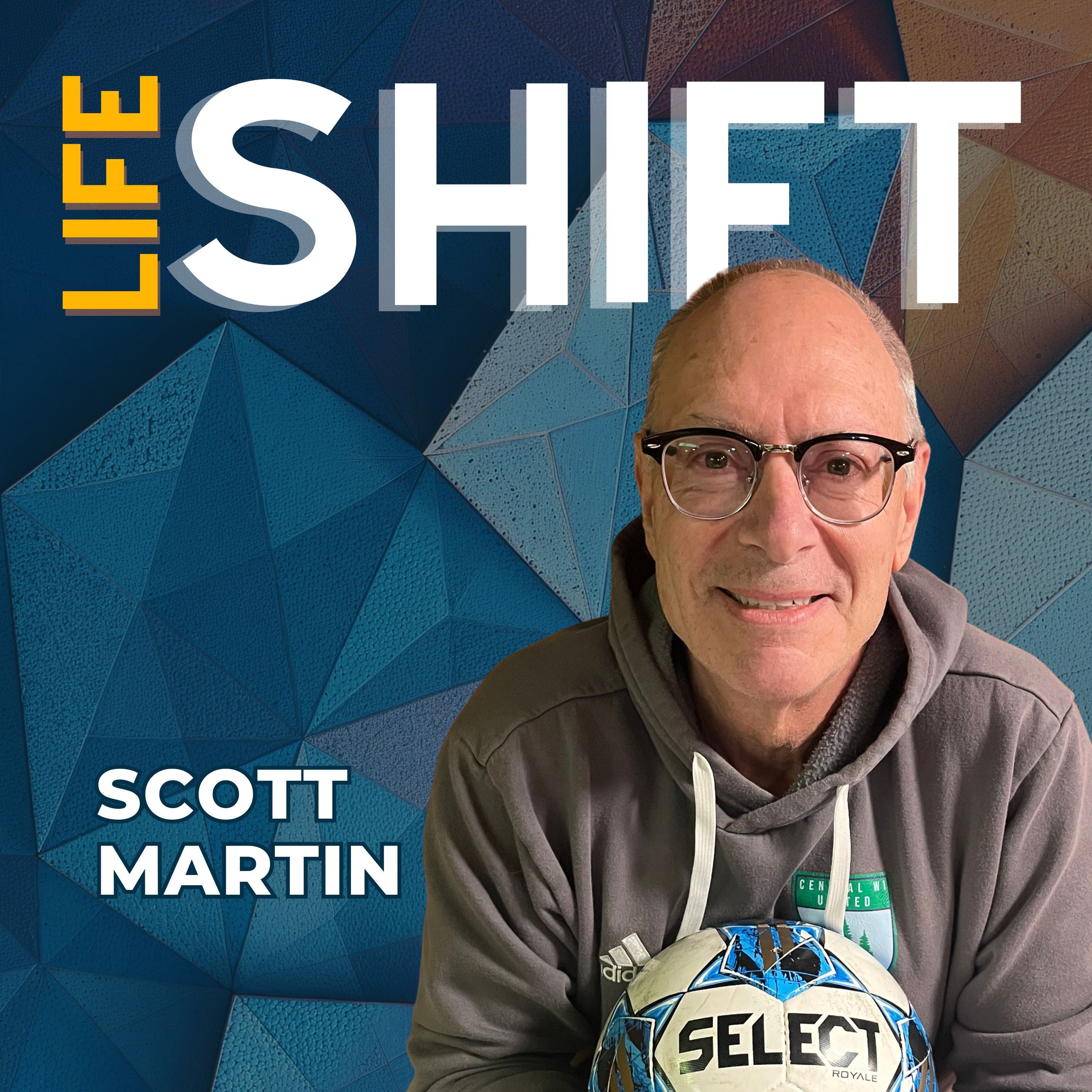
The Garage Moment: Scott Martin's Intentional Breakdown and Rebuilding Life After Trauma
Scott Martin’s life was irrevocably altered by amputation, but a pivotal moment in his garage sparked an intentional breakdown. This strategic dismantling allowed him to rebuild his life from the ground up, offering a powerful lesson in intentional rebuilding after profound trauma.
Key Takeaways
- The "garage moment" was not one of despair, but a conscious decision to initiate an intentional breakdown.
- This breakdown involved actively dismantling past identities and structures that no longer served Scott's new reality.
- Facing immense loss and making difficult choices were crucial steps in this process of intentional rebuilding.
- Scott's strategic approach demonstrates that rebuilding after trauma is an active, deliberate act.
- This focused approach provided a roadmap for creating a new future from the ashes of the past.
The Garage Moment: A Catalyst for Change
When Scott Martin woke up a quad amputee, his world was shattered. Years of navigating discrimination and the immense emotional toll of his condition followed. However, a singular moment in his garage, after losing a significant $10 million malpractice trial, became the unexpected catalyst for his transformation. This wasn't a moment of passive surrender to his circumstances. Instead, it was a deliberate act of choosing his next steps amidst utter devastation. Scott didn't succumb to the weight of his losses. He sat in the silence, not to wallow, but to strategize. This decision to create a list—to inventory his options, to meticulously map out a path forward even when stripped of his former identity—was the foundational act of his intentional breakdown. It marked a profound shift from being a victim of trauma to becoming the architect of his rebuilt life. This deliberate act in the quiet of his garage provided the clarity and resolve needed to begin the arduous process of rebuilding life from the ground up.
Defining Intentional Breakdown as Strategic Reconstruction
The concept of an 'intentional breakdown' as experienced by Scott Martin is crucial to understanding his journey of rebuilding life after trauma. It's vital to distinguish this from succumbing to mental or emotional collapse. Instead, it represents a conscious, strategic decision to dismantle a life that has been irrevocably altered by catastrophic events. For Scott, after years of struggling to fit his new reality into the confines of his old life, it became evident that a complete reset was not just desirable, but essential. This involved actively dismantling the structures—both internal and external—that tethered him to a past he could no longer inhabit. It meant shedding old identities, letting go of possessions that served only as reminders of what was lost, and re-evaluating relationships that were predicated on his former self. This proactive approach, initiated by the stark realization of his altered existence, forces an individual into a position where building anew is not an option, but a necessity. It fosters a unique kind of resilience and creativity, turning a moment of profound crisis into an opportunity for deliberate reconstruction and the intentional rebuilding of one's life.
Shedding the Past to Build the Future
Scott Martin’s journey highlights the critical role of shedding the past when undertaking intentional rebuilding after trauma. His 'garage moment' wasn't about dwelling on what was lost, but about recognizing that the old frameworks were insufficient for his new reality. The decision to make a list, to essentially catalog what remained and what was possible, was an act of actively severing ties with the life that could no longer be. This process is often characterized by the difficult but necessary task of letting go. It can involve relinquishing old ambitions that are no longer attainable, parting with physical objects that carry heavy emotional baggage, and even reassessing connections with people who are unable to adapt to or support the new version of oneself. This conscious detachment is not about forgetting or denying the past, but about refusing to be shackled by it. It creates the essential space needed for new growth, new identities, and new aspirations to take root. Without this intentional act of shedding, the weight of the past can impede the process of rebuilding life from the ground up, making the path forward uncertain and fraught with the echoes of what once was.
The Power of Making a List: Strategic Rebuilding
In the midst of profound loss and uncertainty, Scott Martin’s simple act of creating a list in his garage became a powerful tool for intentional rebuilding. This wasn't just an exercise in organization; it was a strategic maneuver to impose order on chaos and to chart a course forward. The list represented a tangible commitment to the process of intentional breakdown and subsequent reconstruction. It forced him to confront his situation head-on, to identify what was still within his control, and to begin formulating actionable steps. Each item on that list, whether it was a goal, a resource, or a connection, served as a building block for his new existence. This methodical approach shifted his focus from the overwhelming nature of his trauma to the manageable steps required for progress. It’s a testament to how even the simplest actions, when undertaken with intention and purpose, can serve as powerful catalysts for rebuilding life after trauma. This strategy underscores that intentional rebuilding isn't about grand gestures, but about consistent, deliberate actions that pave the way for a transformed future.
Choosing Intentionality Over Passivity in Rebuilding
Scott Martin’s story, particularly the events following his 'garage moment,' powerfully illustrates the difference between passively accepting life-altering circumstances and actively engaging in intentional rebuilding. After his amputation, and especially after the devastating loss of his trial, Scott didn't just wait for life to happen to him again. He actively chose to dismantle what was broken and to strategically construct something new. This intentionality is the antithesis of passive acceptance, which often leads to stagnation and an inability to move forward. By making a list, by taking on a coaching job for free, by opening himself to the possibility of adoption, Scott demonstrated a commitment to shaping his future rather than being shaped by it. This proactive stance is essential for anyone navigating significant trauma or loss. It requires a willingness to confront difficult truths, to make challenging choices, and to embrace the discomfort that comes with change. Choosing intentionality means taking ownership of the rebuilding process, transforming a narrative of victimhood into one of agency and resilience, and ultimately, rebuilding life from the ground up with purpose and direction.
Scott Martin’s journey is a profound example of how even the most devastating events can be a catalyst for radical personal transformation. His 'garage moment' wasn't an end, but a beginning—a deliberate choice to engage in an intentional breakdown as the first step toward rebuilding his life. His story is a powerful reminder that resilience isn't just about enduring hardship, but about actively choosing to reconstruct ourselves and our lives with purpose and intention, even after the most profound trauma. If you were inspired by Scott's incredible journey and his approach to intentional rebuilding, we invite you to listen to the full conversation on The Life Shift Podcast. Listen to "Resilience After Amputation: Rebuilding Life From the Ground Up" here.
Frequently Asked Questions
Q: What does an "intentional breakdown" mean in the context of rebuilding life after trauma?
A: An intentional breakdown is a conscious and strategic decision to dismantle aspects of one's life that are no longer functional or supportive after a traumatic event. It's about actively deconstructing to create space for new growth, rather than passively succumbing to the trauma.
Q: How did Scott Martin's "garage moment" contribute to his intentional rebuilding process?
A: The 'garage moment' was a turning point where Scott shifted from despair to strategy. Instead of being overwhelmed by his losses, he consciously chose to make a list, which became a tangible plan for rebuilding his life from the ground up.
Q: Is it necessary to lose everything to undergo an intentional breakdown?
A: Not necessarily. While Scott Martin faced significant losses, the core of an intentional breakdown is the recognition that the existing life structure is no longer viable and the active decision to dismantle and rebuild, which can occur at different scales depending on the individual's circumstances.
Q: What are the key benefits of approaching trauma recovery with an intentional strategy?
A: An intentional strategy empowers individuals by giving them a sense of agency and control in their recovery. It focuses efforts on proactive steps for rebuilding life, fostering resilience, and creating a new, purposeful future rather than dwelling on the past.
Q: How does shedding the past play a role in rebuilding life after trauma?
A: Shedding the past involves letting go of old identities, possessions, and even relationships that are tied to the pre-trauma life. This creates essential emotional and mental space to embrace new possibilities and fully engage in the process of rebuilding life from the ground up.


 Goodpods
  Podchaser
  PocketCasts
  RSS Feed