Beyond Survival: Cultivating Agency After a Brain Tumor Diagnosis
A brain tumor diagnosis can feel like a complete loss of control. But what if, amidst the medical storm, lies an unexpected opportunity to reclaim your narrative? This post explores the profound shift from feeling powerless to actively shaping your path forward, focusing on the internal work of finding agency.
Key Takeaways
- The initial shock of a severe diagnosis can paradoxically trigger a hyper-focus on practical actions as a means of regaining control.
- Reframing the experience as a chosen path, not a random misfortune, is a powerful psychological tool for empowerment.
- Motherhood can act as an anchor, grounding individuals in essential responsibilities during overwhelming health crises.
- Shedding an outdated self-identity is often a necessary precursor to building a more authentic existence post-trauma.
- Spiritual or profound internal experiences can offer vital support systems and new perspectives on healing.
- Agency isn't about denying the difficulty, but about actively engaging with life's circumstances, however challenging.
- The process of writing or storytelling can be a transformative act of self-discovery and identity reconstruction.
The Unexpected Calm Before the Storm
When the words "brain tumor" are spoken, most people anticipate a cascade of panic. Yet, for Jen Dary, the immediate aftermath of her diagnosis was marked by a profound, almost disorienting, sense of calm. This wasn't the calm of denial, but a powerful psychological buffer. It allowed her to move from a state of shock into a mode of hyper-organized action. Instead of being paralyzed by fear, Jen found herself meticulously planning, researching neurosurgeons, and managing the logistical complexities of her impending surgery. This practical focus served as a vital coping mechanism, a way to exert control over a situation that felt inherently uncontrollable. It highlighted a fundamental aspect of human resilience: the capacity to engage with overwhelming circumstances by focusing on actionable steps, transforming potential immobility into forward momentum. This ability to compartmentalize and strategize is not about ignoring the gravity of the situation, but about carving out a space for proactive engagement within the chaos.
Reframing Choice in the Face of Illness
Perhaps one of the most transformative insights Jen Dary gained was the radical concept of reclaiming agency by considering that she might have, in some profound sense, "chosen" her illness. This perspective is not about self-recrimination or finding fault, but a profound psychological reorientation. It shifts the narrative from being a victim of random misfortune to an active participant in her own life journey. By contemplating the possibility that this challenge was presented for growth, learning, or a deeper purpose, Jen moved from a passive recipient of events to an active co-creator of her reality. This mental reframing is a potent tool for empowerment. It acknowledges the immense difficulty of the situation while asserting an internal locus of control. It's the profound difference between asking "Why me?" and "What can I learn from this?" This active engagement with the narrative allows an individual to reclaim their story, transforming what felt like an assault on their autonomy into an opportunity for self-discovery and personal evolution. It's about understanding that while we may not choose our circumstances, we always have a choice in how we respond to them and what meaning we derive from them.
Motherhood as an Anchor in the Midst of Crisis
The demands of life, especially during a health crisis, can feel overwhelming. For Jen Dary, a new mother to two young children, these demands paradoxically became a grounding force. The immediate needs of her children – feeding, care, and simply being present – provided a crucial anchor amidst the personal storm of her brain tumor diagnosis. This focus on practical, everyday responsibilities offered a welcome respite from the existential dread that often accompanies such a diagnosis. It grounded her in the tangible realities of life, reminding her of the love and connection that extended beyond her illness. The constant needs of her children provided a clear and immediate purpose, a reason to push through the fear and uncertainty. In essence, her role as a mother offered a different kind of agency – the agency of unwavering care and responsibility, which in turn bolstered her ability to navigate her own health challenges with greater resolve. This grounding in immediate, essential tasks can be a powerful counterbalance to the abstract fears that often accompany serious medical news, providing a tangible sense of purpose and efficacy.
The Process of Identity Reconstruction
A life-altering event like a brain tumor diagnosis often necessitates a fundamental re-evaluation of one's identity. The person one was before the diagnosis may no longer fit the person one needs to become to navigate the aftermath. Jen Dary's journey highlights the often-painful but ultimately liberating process of shedding an outdated self. This isn't about erasing the past, but about recognizing that certain identities, forged in different circumstances, may no longer serve. The "type-A" personality, once a source of strength and achievement, might need to evolve into something more flexible and less driven by external validation after a serious illness. Releasing this old identity involves acknowledging its past utility while understanding its limitations in the present. This process can be fraught with grief – grief for the life lost, the plans unfulfilled, and the perceived loss of self. However, it also opens the door for the construction of a more authentic and resilient self. This reconstruction is an active, ongoing process, often facilitated by introspection, creative expression, and a conscious effort to embrace new ways of being. It’s about allowing the experience of the illness to sculpt, rather than shatter, the self.
Spiritual Visions and Inner Guidance
During her recovery from brain surgery, Jen Dary experienced profound spiritual visions that offered unexpected solace and a new framework for understanding her experience. These weren't necessarily religious visions, but deeply personal and impactful encounters with a sense of something larger than herself. Such experiences, whether interpreted as spiritual, intuitive, or simply profound moments of insight, can be crucial in navigating the emotional and psychological terrain of recovery. They can offer comfort, a sense of purpose, and a feeling of being supported, even in the darkest moments. For Jen, these visions helped to reframe her illness not as a random tragedy, but as part of a larger, meaningful journey. They provided a sense of inner guidance that transcended the purely medical aspects of her situation. This reliance on inner wisdom and unexpected moments of clarity underscores the multifaceted nature of healing, which extends far beyond physical recovery to encompass emotional, psychological, and even spiritual well-being. The capacity to tap into these deeper, internal resources can be a powerful source of strength and resilience.
The Transformative Power of Narrative
The act of recounting and shaping one's story, as Jen Dary did through writing her memoir, can be a profoundly healing and agency-affirming process. When faced with a life-altering event, the narrative of one's life can feel fractured or hijacked. By actively engaging in the process of writing, individuals can begin to reassemble these fragments, assert ownership over their experiences, and construct a coherent and empowering narrative. This is more than just journaling; it's about taking the raw material of trauma and transformation and shaping it into a story with meaning and purpose. It allows for reflection, processing of emotions, and the identification of key lessons learned. The resulting narrative can serve not only as a personal testament to resilience but also as a source of connection and inspiration for others. Writing can become a tool for understanding oneself, for making sense of the inexplicable, and for solidifying the hard-won agency that is cultivated through survival and recovery. It's a way of leaving a legacy, not just of survival, but of profound personal growth and transformation.
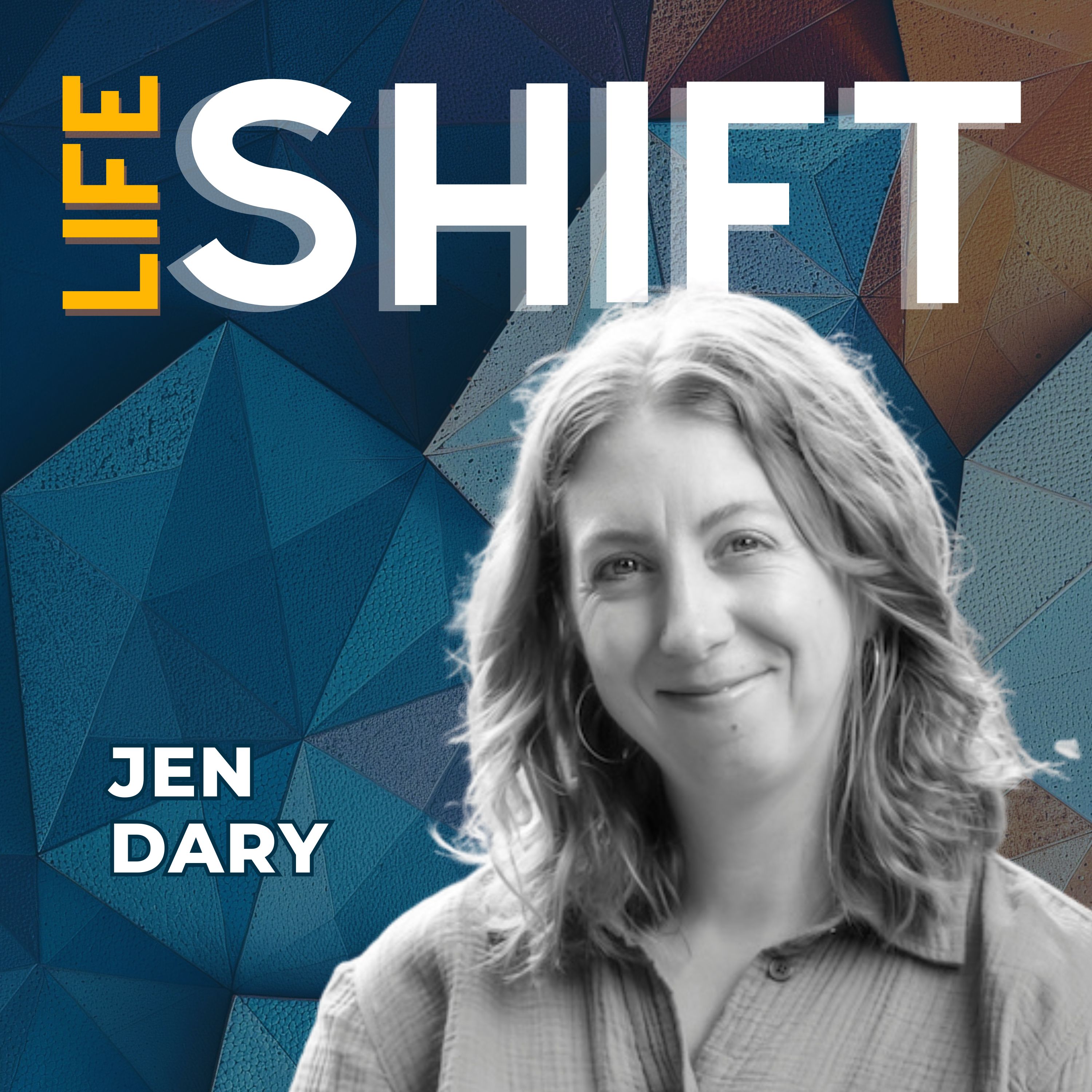
Listen to Jen Dary's full story on The Life Shift Podcast episode: "Lemon-Sized Brain Tumor: The Life That Grew After Surgery." Listen here.
Frequently Asked Questions
Q: How can I find agency when I feel completely overwhelmed by a medical diagnosis?
A: Start with small, actionable steps. Focus on what you *can* control, whether it's researching your condition, organizing your appointments, or delegating tasks. Reframing your perspective, even slightly, to see it as a challenge you are actively navigating rather than something happening *to* you, can also be empowering.
Q: Is it normal to feel calm after receiving shocking news?
A: Yes, it's surprisingly common. This initial calm can be a psychological coping mechanism, allowing you to engage with the situation practically rather than being paralyzed by fear. It's a sign of resilience, not denial.
Q: How important is it to let go of an old identity after a major life change?
A: It can be crucial for healing and growth. A significant life event often requires you to evolve. Holding onto an identity that no longer fits can hinder your ability to embrace your new reality and move forward authentically.
Q: Can spiritual experiences help with recovery from serious illness?
A: For many, yes. Spiritual or profound inner experiences can provide comfort, a sense of purpose, and a broader perspective that complements medical treatment. They can offer a powerful internal support system.
Q: What is the benefit of writing about a traumatic experience?
A: Writing can help you process emotions, make sense of events, identify lessons learned, and reclaim your narrative. It allows you to actively shape your story, turning a passive experience into an empowering journey of self-discovery.


 Goodpods
  Podchaser
  PocketCasts
  RSS Feed