Grief: Learning to Carry Joy and Loss Together
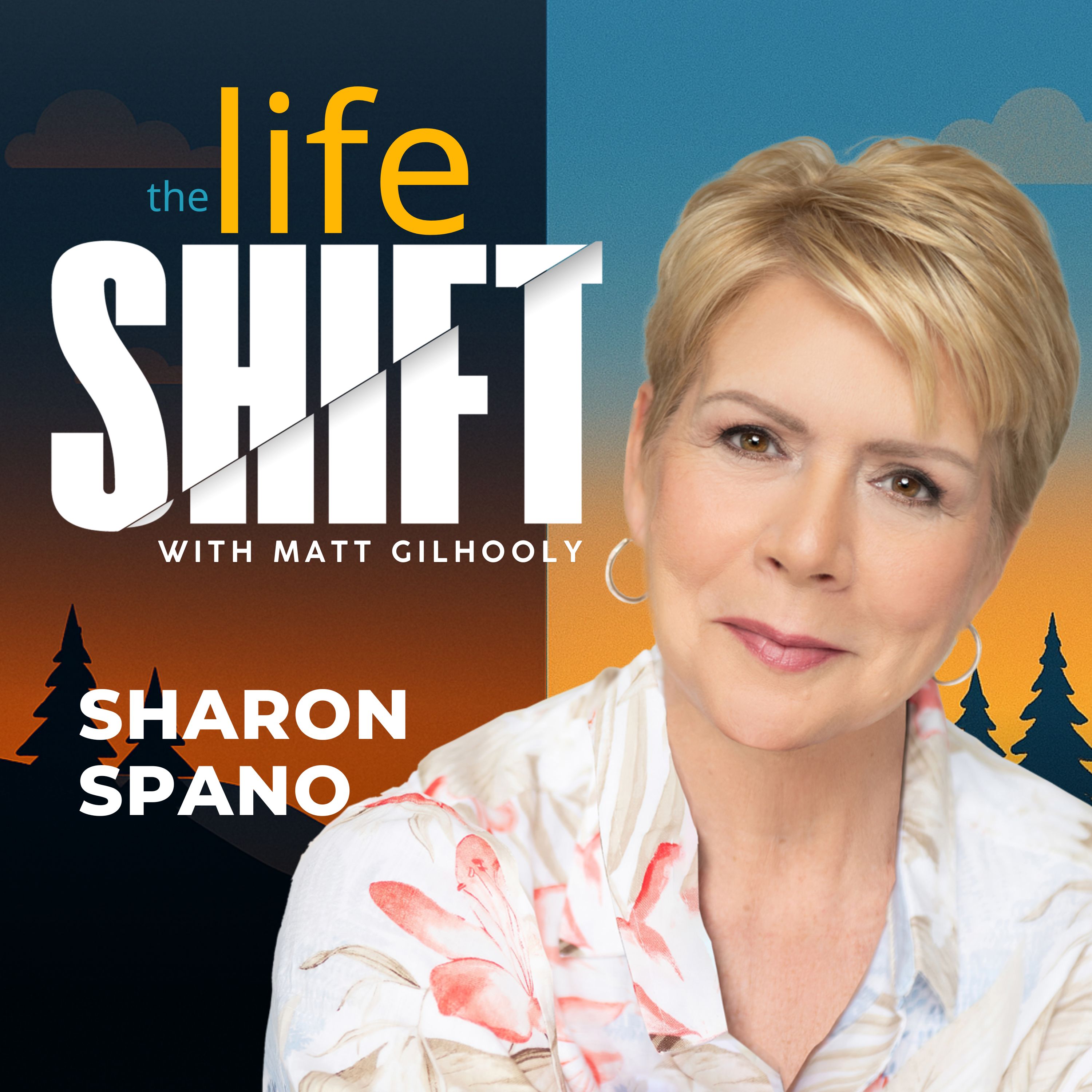
A conversation about love, loss, and the quiet courage it takes to stay open when life refuses to follow the plan.


If you have ever looked at your life and thought, this is not what I imagined, this conversation is for you.
If you have carried love and grief in the same breath, you will recognize yourself here.
Sharon’s story moves through absence, devotion, and the quiet reshaping that happens when life asks more of you than you feel ready to give. From early experiences of not knowing where she belonged, to the long years of loving and caring for her son Michael, she shares what it means to live inside uncertainty without closing your heart. This is not a story about fixing what cannot be fixed. It is about learning how to stay present when the future feels fragile.
This episode holds space for the kind of grief that does not follow a timeline. The kind that lives alongside laughter. The kind that changes your identity and slowly teaches you how to carry love forward. There is no rush here. Just permission to feel what you feel, and to trust that it all belongs.
What You’ll Hear
- What it feels like when the life you expected quietly disappears
- The difference between surviving grief and living alongside it
- How love deepens when certainty is no longer available
- Navigating identity after loss without forcing closure
- Holding joy and sorrow in the same moment
- Learning to feel seen after years of feeling unseen
Guest Bio
Dr. Sharon Spano works with high-impact leaders who appear successful on the outside but feel something is quietly missing inside. With a PhD in Human and Organizational Systems, she helps CEOs, consultants, and entrepreneurs understand what is actually holding them back, not just in their work, but in their relationships and sense of self.
Much of Sharon’s work centers on what she calls the emptiness of success. The feeling that can linger even after you have done all the right things. Through a blend of science, developmental psychology, and deep personal insight, she guides leaders to uncover hidden barriers, including generational patterns and unresolved grief, so they can lead with more clarity, integrity, and wholeness.
Sharon is the host of The Other Side of Potential, a podcast exploring leadership, growth, and what it means to live beyond pressure-driven success. She is also the author of The Pursuit of Time & Money. At the heart of her work is a simple belief. True success is not about doing more. It is about becoming more fully yourself.
- Website: https://sharonspano.com/
- LinkedIn: https://www.linkedin.com/in/sharonspano/
- Facebook: https://www.facebook.com/sharon.spano.902
- Instagram: https://www.instagram.com/drsharonspano/
- Blog: https://sharonspano.com
- Podcast: The Other Side of Potential: https://podcasts.apple.com/us/podcast/the-other-side-of-potential/id1397898049
Listen and follow: www.thelifeshiftpodcast.com/follow
Support the show for ad-free and early release episodes: www.patreon.com/thelifeshiftpodcast
Subscribe to the newsletter: https://thelifeshiftpodcast.beehiiv.com/
Matt Gilhooly (00:00)
Sometimes the moments that change us are the ones we never see coming, the ones that drop us into a life we did not plan and ask us to somehow find our footing again. Sharon Spano has lived through more than one of these moments, from being separated from her mother as a child to raising her son Michael through a rare and unpredictable condition. Her story is a reminder of how love can stretch us, break us open, and also remake us in ways we never expected.
What I felt talking with Sharon was this quiet strength that she carries.
The kind that comes from years of doing the hard inner work, the kind that grows when life keeps asking more from you than you think you have to give. Today she shares how those early ruptures shaped the way she shows up in the world, how she learned to honor her own humanity, and how the years with Michael transformed her sense of purpose.
It is tender and honest and full of the kind of truth that stays with you.
Sharon (00:51)
learned that if we don't know where we belong in that early family system, meaning mom and dad, that's our original family system, I really believe we don't know where we belong anywhere. So similar to your story, it took me many years to figure out that this had a tremendous impact on me.
Matt (01:13)
Hello, everyone. Welcome to the Life Shift Podcast. I am here with Sharon. Hello, Sharon.
Sharon (01:17)
Hello, Matt. Thanks so much for having me on board today.
Matt (01:20)
Well, thank you for wanting to come on this journey, why I call it a journey of the life shift podcast and it has been for the last I guess I started in 2022. So 230 something episodes. It's been this like healing journey that I never knew that I needed and getting to talk to so many people from around the world you happen to be in a very simple or close city to me but being able to talk to so many people about these.
moments in our lives, these line in the sand moments that for many of us create this before and after and and seeing how we as humans kind of move through the world after those is been just something I never could have expected for myself. So I appreciate you coming on this journey.
Sharon (02:05)
Well,
I appreciate you're doing the work you're doing on this show because I think it's very important work.
Matt (02:11)
I did not know that when I started it, but I did know that I needed something like this when I was eight. My life shift really, I guess my biggest life shift, I know we have many of them, but when I was eight, I lived full time with my mom in Massachusetts and my father lived in Georgia. My parents were separated for a few years at that point. And I went to visit my father for.
a long summer vacation and one day after summer camp, he had to pull me into his office and he had to tell me that my mom had been killed in a motorcycle accident. And at that singular moment as that last word left his mouth and I kind of understood what he said, I knew that like everything that we had imagined for my life was no longer possible because my primary parent was now gone.
person that I felt safe with. Not that I didn't feel safe with my father, but I didn't see him very often. And I wasn't going to go to the same school and I wasn't going to have a home that I called my own anymore. It was going to have to be recreated. And this was 1989. So people weren't talking. They weren't, especially to kids. Like I felt like I looked around and all the adults didn't know what they were doing, but I definitely knew that they needed to see that I was okay. So I just stuffed it down like a good eight-year-old would do.
and showed everyone that I was perfect. And I needed to be perfect because I was afraid that if I wasn't, everyone else was gonna leave. Because for me, it felt like, you my mom abandoned me. Now I have to make sure that I'm okay. Now I know she didn't, but that's just what an eight-year-old brain kind of thinks or minded. And all along, as I was struggling through healing this grief that I had for, it took me about 20 years, I was just like, do other people have these?
line in the sand moments in which like their world is completely flipped upside down or turned into something brand new. And so that's really where the show came from. And now it just feels like so important because I know how it how alone I felt in that moment. And I'm sure you felt alone in your life shift moments or some of those. And to be able to hear a 40 something year old version of myself talk about
how I felt and how I was okay and I was doing all these things. I think it would have helped that eight-year-old version of me. So I always think of him as I have these conversations.
Sharon (04:34)
you
Yeah, it's so true. mean, these are pivotal moments and particularly at eight, I can't even imagine. I mean, that's just an extraordinary journey that you've been on. And I think it's so important that you're sharing that with people because as you say, we do feel so isolated and alone in those moments. And I think it gives people hope and encouragement to know that they can get through them and be better on the other side and actually serve humanity in a more important way as a result of that learning and that experience.
Matt (05:04)
Yeah, it... I'm proud to present the way that I do now fully like, here are my flaws, here are how I'm... here's how I'm feeling today. Like, those... none of those things were allowed for me growing up or they didn't feel allowed. They felt very unsafe. And now I can show up fully and just say, look, you know, today's not a good day and that's okay, you know, and I will find my way through whatever I'm going through and...
I think it's really important, especially as a guy, to just model that, like, we're human. things are gonna go wrong, we're gonna feel certain ways, we're gonna be sad, we're gonna cry, like, all those things are okay. And I feel like growing up, was like, those were not good.
Sharon (05:47)
Did you wind up, could I ask, did you wind up living with your father?
Matt (05:50)
Yeah.
And my and my father was he did the best he knew how to do. And I know that full heartedly, but he didn't know what he was doing. He wasn't ready to be a full time solo parent. Like he was living the dream in a way because he could be the bachelor in a different state and see his kid when he wanted to like, of course he wanted to. But yeah, he we we we created a bond that we wouldn't have had otherwise because of this. And I'm very grateful for that.
But yeah, I did move in, know, everything changed, but here I am and life is good.
Sharon (06:27)
Yeah, yeah, it's amazing how we come out on the other side. You got to do the work though, and I'm sure you did eventually.
Matt (06:33)
Took me 20-something
years.
Sharon (06:35)
Yeah, at eight, we don't know what to do. And back then, as you said, parents often didn't know that you probably should seek some outside help for that child or whatever. But I think we're getting better at all of that. We're getting better at understanding because there's so much conversation out there about trauma and the impact of trauma. And I always say it could be capital T, lowercase t, it doesn't matter.
These things happen to us often when we're young and we have to have a vehicle or a road map if you will to make sense of it, know, particularly if we're younger and particularly if it's a loss of a parent, that's a huge, huge, you know, disruption of the family system. So congratulations to you for getting to the other side of that. And again, for making, you know, this moment available to so many out there who may not know how to get through those moments and make sense of them.
Matt (07:28)
Yeah, well, thank you. I accept that. It's been a wild ride. And I'm so happy now to be able to share other people's stories in this way through my conversation, ask the questions that maybe I was afraid to ask growing up because certain things were off the table that we don't talk about, right? And we brush everything else under the rug. So I'm just looking forward to hearing your story. But before you tell your story, I would love for you to tell us.
2025 going into 2026. Like how do you show up in the world? Who is Sharon these days?
Sharon (08:03)
That's a hard question. You know, I thought 2025 was going to be a calmer year for me. I'm blessed enough to live in two places now. I live in Florida through the winter months and North Carolina in the summer. And I thought I was going to go up there and really, you know, indulge in the mountains and all that goes on up there because I live in a beautiful community and have a lot of friends up there. But it was so hectic and we had just come out of the hurricane of last year where we were evacuated and there were all these trees.
I wound up never having a reaction. I've never had allergies or anything and I wound up spending the summer just struggling in a very big way, having a reaction to the, I guess, mold and mildew of all these dead trees in the mountains as they were being, whatever they do to trees to turn them into mulch. I don't know, but it was happening right near my condominium. So was a very difficult summer for me, unusually so. And then busy just work-wise with
clients and whatnot. And so this year is one that it went way too fast, was busier and then being ill and just and having that disrupt things. I'm glad to see the end of it, I guess I want to say. I mean, there were many, many beautiful things that happened, but I'm glad to see the end of it. And then going into next year, I've got a full schedule. know, things are good business wise. I've got great clients. I'm very excited, as I always am about my work and I love the people I work with.
But my husband, have some travel planned and I just did some renovation on my house. So I'm hoping to entertain more here and just looking at more and more of what I call work life integration. think I'm getting finally after all these years of being in the field, I'm getting much better at playing hard and working hard, but not feeling the pressure of the two, just feeling that it truly is more integrated. When I'm down, I'm down.
got back from a week's vacation and I was proud of myself that I was working on the flight out west. then once I got there, just totally, I am present wherever I am. So I expect more of that in this coming year. And I love that, because it's taken me many years to learn to cultivate that within myself and not feel guilty when I'm working or.
or when I'm relaxing, to just know be where you are and it's okay. And tomorrow's another day.
Matt (10:35)
Yeah, and that I commend you for that. think society does not teach us how to be fully present, especially now with all the distractions that are available to us. And my generation kind of was like, before a lot of the technology that was distracting, but also with it. like I was, I bridged the gap and I too will find myself going down these like distraction rabbit holes of things and
I'm working very hard to also stay present and do the things that you described. So hopefully I'll get to your level at some point.
Sharon (11:11)
It's a wonderful feeling. It's a very peaceful feeling.
Matt (11:15)
Yeah, and it's like
why haven't I done this all along probably too?
Sharon (11:18)
Well, what I always say to my clients, Matt, is I think we've come to a place because of the technology and we all know, you know, there's so many different points of communication that we're required to access throughout the day. You know, for me, it's a boxer. We all have texting and emails and, you know, whatnot. But I feel like we have to come to a place where we understand that it is impossible now to complete your day. There's always one more thing that is unfinished.
You I could sit at this computer 24 hours and there would still be one more thing. So I pay close attention to my body and my spirit and I listen to, okay, it's time to shut down now. And of course I have goals for the day, for the week, for the month, for the quarter, all of those things.
But I think it's helped me so much to just say, okay, your body is saying enough now. And sometimes that's earlier and sometimes it's later. Sometimes I'll walk away and then come back to it later, you know, after I do something else or take a walk or whatever. But just really paying attention to the bandwidth and what is realistic rather than the list of things still to be done because it's endless.
Matt (12:31)
Yeah, that and I mean, I think that's a smart move anyway, because the less bandwidth you have within yourself, you're not going to do the work as good as you would have when you had the full energy or you had all those elements too. So I think super smart and we should all take a little time to be intentional with those decisions. ⁓ Intentional is important. think we could, we could go down a rabbit hole on that, but this is really about your story. So I'd love for you to get into it and
Sharon (12:51)
think I'm worried.
Matt (13:00)
I guess the best way to do it is to kind of paint the picture of your life before this main pivotal moment period in your life. And you can go back as far as you need to to kind of give us that before version of you.
Sharon (13:14)
Well, thank you for asking. mean, it's a long story because I'm a lot older than you, but I'll tell you that ⁓ nothing is wasted. You know, when I look back, often have my clients do a timeline of experience, as I call it. When look back, everything, there's a thread throughout it. And just the shorter version is I, similar to you, although not as traumatic, my parents divorced and I was, my sister and I were taken from our mother. I was like five and I didn't see
her again for years and years and years. My father took us to live with my grandmother. So that was like the early trauma of not having a mom, ⁓ not knowing why she wasn't coming. My mom didn't drive and we were in California and she lived, you know, a good hour away, which at that time was, it was impossible to get to us. I don't really know the reason. All I know is that I missed her a lot. And when she did come intermittently, like, I don't even know if it was once a year.
whatever. I remember crying a lot when she left, which may be why she didn't come back because it was probably too traumatic for her. So that was the early years of being placed in a home with aunts and uncles and cousins and my grandmother who I loved dearly. But it was clear that we were not wanted there by my other relatives and always feeling like I didn't belong. And of course, now later in my life, my PhD is in human and organizational systems and I've
worked with so many hundreds and hundreds and probably thousands of clients through the years, I've learned that if we don't know where we belong in that early family system, meaning mom and dad, that's our original family system, I really believe we don't know where we belong anywhere. So similar to your story, it took me many years to figure out that this had a tremendous impact on me. Had I not met my amazing husband, I don't know that I ever would have known where I really belonged.
When I met him he was just like the haven and still is all these years later that you know gave me my sense of worth and value and and Always has been my biggest supporter. So I was very fortunate because I didn't plan that I didn't look for that I didn't even know what to look for I frankly I think the universe was looking out for me and just gave me this this relationship that was beyond anything I personally could have imagined so that that first turning point
was being taken from my mother. And then years later, my husband and I, as I think you may know, we had a son who was born with a very rare metabolic disorder, our son Michael, who at the time of his birth, that was really the second pivotal moment that I was not in any way expecting. And I think that's probably true for most of us. The pivotal moments come unexpectedly, but that's what makes them pivotal, right? Because we're down one journey and then one path and boom, now you're somewhere else similar to
your story at eight years old. And so that Michael was, you I was literally told the moment, you know, moments later that he, you know, probably wouldn't live past two. the first indicators was a heart condition, but my son lived to be 27. Oh, wow.
He was physically disabled all his life. He was absolutely the joy of our lives, but then he got ill. He was critical for years. So that was, know, the birth was the big shock. then, idea.
Matt (16:45)
Yeah, because you had no idea going into this.
And they weren't testing as much,
Sharon (16:51)
Well, they had just
started because this is so long ago. They had started amniocentesis, but you know, people weren't sure what it was, what it did. You know, my doctor didn't recommend it. And frankly, because it was metabolic, meaning at a cellular level, it wouldn't have shown up anyway. And I'm so grateful for that because
you know, who knows if I had known, you know, maybe I would have, you know, aborted this baby who I mean, I can't imagine that I would but who knows, you know, you get recommendations from a doctor and the worst case scenario, you don't know what you might have done. So he was just he was everything. So then the second pivotal
Matt (17:30)
Before we get to
that, would I would love to know how that change. mean, I can make assumptions of how finding out that maybe something that you prayed for, or you always wanted to be a mom, and this is the situation you've now found yourself in, which is still like you said, you were able to make joy from it. But like, how did you feel like in that moment of finding out? Because I don't know, I bet there are some women that would
be like, what did I do? Or did you have any of those kind of feelings?
Sharon (18:02)
That's such a great question because you know, actually I wrote a book. My book, Isabel's God, is about those early moments and then Michael's life up to a certain point. I remember just being really in shock. You one, the shock and horror of your coming home. You you think I had the perfect nursery. know, everything was ready, prepared, everybody's excited. And then you're coming home without a baby, you know, because he stayed in ICU for two weeks. And just those, you
going back and forth to the hospital and you're exhausted and you're scared. And I remember there, and I wrote about this in the book, I remember there being a sign that made no sense to me in the ICU that said 30 days to bankruptcy. And why they had that sign in the ICU, I have no idea. It might've been a nurse's joke, but to us, it terrified us.
because we thought, my gosh, like how long are we going to be in here? And are we going to lose everything in the process that we've worked so hard to build in preparation for our family? know, so and I remember asking my husband about it and he had called our attorney to find out, know, what do we need to do to protect the baby to get the services? You you have insurance, but you know, you're young, you have no idea. Like, what does this mean?
So it was more shock and confusion. And then once he came home, most of that, you know, just disappeared because here I'm home and I've got this little beautiful baby, but you're now starting to explore doctors and they're telling you a variety of things. We didn't know he had a metabolic disorder. We thought it was a heart issue, but it was serious enough according to the early, you know, predictions that they thought they said, you know, he'll have surgery by two, but he probably won't live, you know, much
beyond that. So that was the horrifying thing.
Matt (19:58)
And I would imagine that a lot of mothers have this like idyllic picture of what motherhood is gonna look like. that feel like that? Did it feel like a trajectory of that? Or it was just like, this is the new journey I'm on.
Sharon (20:18)
No, feels like a death because what you thought you were gonna have is not there any longer, that's gone now. And then you have neurologists and a whole host of doctors saying, he's not gonna see, he's not gonna walk, he's not gonna talk, he's not gonna do all these things. And I had read all the childhood development books and he wasn't meeting his milestones. He didn't crawl on time.
He didn't sit up on time. He was a beautiful baby, but he wasn't meeting the milestones and then they just kept telling me well You know, it's cuz he was in the hospital, but I knew that what you know I knew two weeks couldn't make those differences But then he started coming along and he started crawling and he started talking. He was just so happy He was just a beautiful baby. You would never know but he wasn't growing like he was in the lower I can't remember now, you know percentiles like he was thin even though he was you know, I was I made
all his food. was fanatical about what he ate and all those things. And then as he got older, it became clear he wasn't going to walk. So he had great cognition. He was fine otherwise, but he had speech impediments. Because if you don't develop, for those that may not know, if you don't develop in the motor skills, walking and crawling and all those things, the part of the brain doesn't develop in the proper way. So he had a little bit of speech articulation.
issues. Later in life he had vision issues, but he never walked. So we did everything. We did all the therapies. You I was exploring things as far away as Europe and all of that. And ⁓ then you just come to a point where you realize, I can't fix this. I mean, I have a child with a disability. This is life now. And that was a big turning point too, because I wound up getting very active in
disability arena as an advocate on behalf of children and families and I think he was maybe
I want to say eight, nine when that came about. He was using a walker at that time. And ⁓ by then we found out it was a metabolic disorder at the cellular level. And we just started to live that life of two parents with a disabled kid. And I got very active, as I said, across the state and the nation because services needed to be improved. There were just a lot of things.
I felt like I was called to speak up on behalf of other parents who maybe didn't have the time or resources, because when he was younger, didn't work. Advocacy became my job, if you will. And I eventually became president for the state of Florida for an organization that represented children and families. And we actually made a lot of legislative reforms.
did a lot of really good things on behalf of those families and children. But it changed the trajectory of my life. I I didn't really have a career per se. I had worked before I got married in law firms and I was real involved in legal, professional aspects of the legal profession. But.
Michael changed everything because when I got involved in advocacy, I started eventually speaking, training, you know, and it just opened up a whole new career for me.
Matt (23:58)
It's like it almost created an additional purpose, a like an individual purpose for yourself to help others in that particular way. did it, did it feel like it was driving you to like a, I think we all have this dream that we're going to find the perfect thing, right? Like this perfect job. Did it feel like it was a puzzle piece that you didn't know you needed, but it kind of fit and gave you a purpose?
Sharon (24:22)
always
had a desire to serve others. I went to Catholic school, so I used to work in the convent and I would ⁓ do tutoring. They had an orphanage there and I worked in nursing home. I always did that kind of stuff. But when you don't have parents, my grandmother was old, so you don't have parents that are guiding your talents, your skills. You're just out there on your own. So was an A student, but there was no real career path. There was no one saying, you need to go to
college or you need to do this or you need to do that. I had a love of learning but I couldn't afford school. I didn't go back to school till after I got married and so
You know, it was just like everything happened backwards for me. Nothing was planned. Nothing was easy. I'm frankly some days waking up going, I can't believe the career and life that I've had. I know my parents would be very proud. My grandmothers certainly would be. But I know now, and when I wrote the book, Isabel's God, my professor at the time, because I did it in a master's program, I had written an essay just, you know, kind of on the fluke to get a deadline met. And it was about my grandmothers.
And then he said she needs to be in the book because she prepared you for the disability world. And it's just like you look back and you go, yeah, like this was all like destined to be, you know, I was that kid that, you know, was the protector of my grandmother when the kids made fun of her because she only had one eye and her nose. Somehow early in her life, she lost her nose. Literally, she didn't have a nose. It was like this deformed,
formed thing on her face and kids would make fun of her and call her a witch and whatnot. I would, she was my grandmother. I mean, I didn't even notice those, you know, anomalies on her face. And so I would defend her. And I remember even as a kid, wanting people to see how much I loved her and that I wasn't afraid to kiss and hug on her. And then years later, doing the same thing with my son, when, you know, people would look at us weird, like, ⁓ this poor mother with a kid in a wheelchair. And I'm like, no, you don't get it. I'm the luckiest mom.
there is, I've got this great son. So those were big pivotal moments. then of course, you know, when he got ill and passed, that was that was the next one that really, thank God, the others, I think, you know, as I briefly outlined them, prepared me for that. And ⁓
Matt (26:34)
Yeah.
but it doesn't
at the same time. It's like we have this prepared sense, I guess, or we know how to move through it, but did you feel actually prepared when it happened?
Sharon (27:03)
No, no to your point you never are. You know like I had spent you know 27 years
intellectually preparing because I knew it would come at some point. But you don't know how it's going to come. You don't know. And he was critical for four years. So the the loss of him over that those four years. mean, by the time the final act occurred, I was relieved on his behalf that it was over. The suffering was over because he suffered so much. But you just you just you know, the
Matt (27:40)
That's that's like two decades of anticipatory grief. Would you would you say that you had it that full time knowing like it could happen at any point?
Sharon (27:49)
I don't know that I would call it grief so much as just stress, you know, because of, because of who he was and the joy that he was. mean, his laugh, his smile, his humor, you know, lot of parents who have children with disabilities are dealing with behavioral disorders and you know, they're isolated in a whole other way. I mean, my son was handsome. People were attracted to him wherever, where we went, you know, he was the kid that, you know, we took them to Alaskan cruise. That was, he always wanted to go somewhere different, you know, every year for his
birthday. So one year we did an Alaskan cruise which was the last thing on my bucket list. But he was the young guy that the captain would say, come and let me show you how we run the boat and show him all the computers and we would get into places.
you know, that you would never get into, you you take him to a play and they take him backstage to show him how, you know, the Phantom of the Opera chandelier is set up and brought out, you know, was such a privilege. And he didn't know that those things didn't happen to everybody. He just thought.
you this is what happens. You go to a theater and people take you backstage. I'm like, no, son, this doesn't happen. I wouldn't be back here if it weren't for you, you know? So there was so much joy in him, but then there was a lot of work. You know, it really took my husband and I a lot, you know, between us.
just the care, the care for him. And we had supports and help and whatnot, but it's still, you're doing a lot. And so the stress was always weighing on me and the stress of if we don't do it right and he gets ill, we could lose him. So it is a form of grief, but you don't think you're grieving because frankly you don't have time, you're so busy.
Matt (29:39)
Yeah. How did it affect your relationship? Did it bring you guys closer? Or I would imagine that there's a lot of families that face these really hard challenges, I would say. I mean, he was a beautiful kid and all this, but I would imagine that there's, there's some friction that happens for some couples. Did it help your relationship or did it strain you at times?
Sharon (29:59)
Well, at times it does. Yeah, because you're just fatigued. But my husband is extraordinary and he was very, very involved and very hands on. And so it did. We were just a unit, the three of us. It was like a love affair between the three of us. And it did bring us closer. And even now, you know, there's always these comments that, you know, marriages don't survive after the loss of a child. And I don't know what the statistics are on that. And I, and I think it would depend on how the death
the Kurd and the circumstances, you know, but for us it brought us closer because I mean I can't even imagine ever being with somebody who didn't go through that with me. Like they wouldn't really know me.
I don't think, you know, like we went through this together and, you know, it was really tough. The first couple of years. I mean, it's still tough. You know, we go away at Christmas because we just can't do Christmas here without him kind of thing. Everything used to be at our house Christmas. All the holidays was at our house. And so we just created new traditions. You know, the first year Michael died on September the 17th, that first year, my husband said, I just can't do Christmas here. Let's, let's, you know, go to Paris.
And I was like, wow, you we'd never been there. And, you know, we had the resources, thank God, to do that. And I said, Michael would love that because he loved to travel. He would be so proud of us that we're not just sitting here feeling sorry for ourselves. And we did that. And we kind of intentionally stayed out really late Christmas Eve. We were people of faith. So we went to we're not we're not Catholics anymore, but we went to like midnight mass. So we would like wear our
out and we slept through most of Christmas Day intentionally and then we got up in the afternoon and you know walked the streets of Paris and went to dinner and we're like we got through it and then we decided hey this is this has got to be a new tradition for us like we just we don't care where we go we just got to go somewhere I love to have to have something to look forward to
Matt (31:57)
Yeah.
Yeah, and to make new memories with, I mean, I love the part where, you know, probably a lot of your thought is how much your son would have loved, you know, the trips that you're going on and the new traditions that you're making and the things that you guys are doing together, you know, creating these new memories to I think there's a lot of power in that.
Sharon (32:29)
Well, you bring up an interesting point because I always tell people when they ask me, you know, try to come up with new traditions or whatever, you know, it's different for every family. But what I remember to your point, because we had traveled so many places in the United States with Michael was I knew I couldn't go anywhere that we had been with him.
that it had to be somewhere that we'd never been as a family. And that's when my husband said Paris. mean, what woman doesn't want to go to Paris, especially at Christmas? I haven't been back since. But it was just a bittersweet trip.
Yeah, you know it was it was exciting to see new things and experience new things and one of the things that surprised me matt was We really enjoy like europe is so different from the united states. It's not as commercial at christmas time It really is more at least as i've experienced it more about family So you'll see, you know real nativity scenes and people teaching their children You know the christmas carols and there's not as much glitz and glamour and you know santa on every corner kind of thing
And we found that we loved being in the middle of all that and watching the families, like we really have great joy in watching all this family interaction going on. And oddly enough, it doesn't depress us. It just makes us very happy. And I think part of it is because we had so much stress doing the holidays for all those years, you know, trying to, you know, do all the food and everything in the midst of, you know, caring for our son that as I
watch these families, there's a part of me that goes, they look really stressed out. They look really happy. I'm going to enjoy the happiness and I'm going to let go of the fact that I'm just sitting here having a cappuccino and I'm not running around, you know, like crazy trying to prepare for Christmas Eve or whatever. So you make, you make your best, you know, you do your best.
Matt (34:25)
But think that's so important and something that like, I think a lot of people don't understand unless they go through some kind of grief and figuring out there's such a dichotomy of experiences in that grief moment, like there's happy and there's sad and we have to be able to live with both or all. In my opinion, I think, you know, like when my mom died, I thought the only thing I could show is that I'm sad, like
God forbid I laugh about something happening in my life that is immediate shame, right? And so like all these things were assigned to me for so long. I'm, like people will ask me, you you lost your mom and then you lost your grandmother who sounds like you had a very similar relationship with your grandmother that I did. People are like, what do I do? So and so, you know, just died or my friends. I'm like, I can't give you advice. Your, your grief journey is going to be your own, but I can tell you.
that whatever you're feeling at whatever point in time is perfectly okay. And you need to be okay with that because you are a human being and something on TV might still be funny. And it's okay if you laugh and it's okay if you want to cry or you want to throw something. Whatever you need to do, it's okay.
Sharon (35:38)
Yeah, I think that's such an important point. We in my field, we talk about that is non dual thinking. It's it's not so black and white. It just is. And so I always say to people, you know, it's perfectly fine for me to be sad about Michael and miss Michael, but it's equally fine for me to be happy and excited that I still am blessed with a wonderful husband and I can still go on a wonderful trip and I have great clients, you know, have a great life. And I know that my son
would want that. Michael was one that after 9-11, know, and all the grief and mourning that went on in this country, and you know, he was glued to the news like the rest of us and, you know, paying attention to the list of the deceased in the paper.
But I remember one morning him literally at breakfast turning to me and saying, Mom, I think it's time we're happy again. And I'll never forget that because he, you know, he had wanted, had he had the opportunity, he would have been a fireman. That was kind of the thing that, you know, at least maybe, maybe it would have been different if he hadn't been wheelchair bound. But as a young man in a wheelchair, that's what he would have liked. So he was stricken very deeply by the towers. We were watching it together because
actually I was packing to go on our first trip to Italy. We'd never been to Europe and we were packing to leave for Italy and he had chosen not to go and we had never left him. So it was a very big decision trip. had manuals, I had three different couples that were going to take care of him with full instructions and the whole thing. And then the towers go down and we were both, you know, sitting there together watching it. So it was a very big turning point in his
life. And ⁓ for him to have the courage to say to me, you know, I think it was maybe three months after 9-11, I'm not even sure now, but you know, he just knew like, okay, we need to let this, we need to lay it down, and we need to be happy again. And so that's partly why I don't feel guilt that, you know, I've gone on with my life. And my husband and I were just talking about it last night, is, you know, if he'd lived to this point, we like, what would our lives
to be like and I said, well, one, we wouldn't be in the mountains because it's not accessible where we live. And I feel like he led us to this place up there because we have a whole new community, a whole new life up there. And people who know about him, we do a Memorial Golf Tournament in his memory and raise money for people with disabilities. I have about 30 friends from the mountains that live in variety of places around the country that come to the tournament because they feel like they know him.
And it's just, his legacy lives on through us. And I just feel grateful for that.
Matt (38:31)
How long ago did he pass? Okay, so it's.
Sharon (38:33)
He passed in 2008. And it's been
a while. It feels some days like yesterday, especially around the holidays. And then other times it just feels like forever and ever, you know, that he's been gone forever and ever because so much has happened in our lives since he died. You know, everything changed. And as you, you know, you know, from, from when you lost your mother, everything changes and you don't, ⁓ for the longest time, I felt like
I didn't have an identity.
You know, it's like, well, I'm not a mom anymore. Like I'm not. Yeah. You know, I had my career, I had, you know, all these other things going on, but that big part of you, that most important part of being Michael's mom was gone. And my husband always says, you know, like mother's day, he likes to make a big thing out of it. go, but I'm not a mom. He goes, you'll always be a mom. don't know. You're going to have somebody to mother to be a mom. I don't feel that I'm a mom anymore. Maybe that's meant to be because I also have a, a D.
understanding and empathy that I bring to my clients. You know, and I hear so many, I work with a lot of high achieving leaders who, you know, have everything but there's still an emptiness there, something missing, what I call the emptiness of success. And I have such compassion for them and I feel like the work, my work is much, much deeper having been Michael's mom.
Matt (40:00)
⁓ I would say so. that what you just said about, what did you say? The, what do you
Sharon (40:07)
emptiness of success.
Matt (40:09)
think so
many people were sold a bag of goods that if you do all these things and you check all the boxes that you find that happiness and I learned that that was not true, you know, and, and finally things came to be where I was finally able to process the grief and realize, okay, I'm going to just do life the way that I want to instead of the way that I think everyone else wanted me to do, which, you know, was just like, go to college, do really well.
know, go to get a master's degree, get a good job, buy a house, you know, like none of that. I was like, okay, next, what will bring me the happiness part? And so, yeah, I can, I can resonate, I resonate with that. Really curious because you have, like everyone, or a lot of people have multiple, pretty significant life shifts in your life. Do you look at any of these points? I don't know if this is a practice of yours, but do you look at any of these points that were quite pivotal?
to see what about that particular moment changed you and how the different versions of you kind of have been throughout your life? Or do you feel that there's still a really strong thread from beginning to where you are now?
Sharon (41:21)
Well, there's a thread, so it's both end, especially because of my work and my doctorate work and is in human development. And there's 12 stages of human development, as I often am heard to say. most of us, especially in America, in the workplace, think it's now like 68 % don't get past stage five or six. So there's a whole lot of growth opportunity there. So I have changed tremendously since Michael died. I was a spiritual woman going
into that, but then to survive, I had to go deeper. So I did a lot of things, both professionally and personally, to grow up into what we call later stages. So I'm in like stage 10 now, out of 12, which has its own issues. You got to do the work and you bring a lot of the shadow as psychologists talk about with you. it's not like you become this supreme being or anything.
I'm still a very flawed human being. I think the difference is I know those flaws. And when I fall into the dark places again, I can get out a lot quicker. I have a high witnessing capacity. I have the ability to see myself literally in the moment, which is a big part of what I train my clients to do. Because then when we can witness ourself in the moment, we can make different choices. Rather than after the fact, come into it with guilt and shame.
and all the remorse. So that's a huge piece of the transformational work that I've done on myself as well as that I do with clients. And then eventually you stop doing those dumb things again because you know, this doesn't make sense. This doesn't serve me or the universe. I need to stop. But I'm always a work in progress. And I think the biggest change for me is
When you're trained in this level of work, you're trained to see people's behaviors. And I think in my earlier career, it was easier for me to judge.
And now I see them, I see, I see only their potential. You know, all my work is around human potential. So I see the potential first and I have very little ⁓ space for judgment. It's more empathy and compassion because I see them and for who they truly are. That's one of the biggest compliments I get from clients is I felt really seen by you. Because most of us go through life and don't feel seen at all for whatever reason. I feel that as a kid.
Yeah, and you yourself, know, I mean, I think many of us, know, again, the belonging and the being seen, even if we have great parents that are doing their best, sometimes, you know, they're pushing us so hard, right? I see a lot of that with my high achievers. They were pushed so hard, they didn't feel seen. And so there's so many things that go on in the dynamics within the human spirit. And I just feel privileged to be someone who is trained enough and who's been through enough of my own trauma.
that hopefully I can be that mirror, that crucible for another human being to step up into their highest version of self.
Matt (44:33)
Yeah, there's something about being seen or feeling maybe validated in the way that we feel. And sometimes I like to ask those some random questions to to help or to share the elements of people's lives that we don't normally say out loud, out loud, like
you know, like, oh, I felt like a garbage human when this happened because of XYZ when normally we'd be like, oh, no, you know, I learned from that moment and whatever. like the real feelings I think are so important because I had this experience when I was a kid or when I was a teenager. This is probably just me processing grief in whatever way I knew how I swear I convinced myself that my mother was in witness protection. She was just like in hiding somewhere.
This is like nine years after she died or so, something like that. So I was old enough to know better, but I convinced myself that she was and then one day when time was good, she was going to come back. And I never told anyone that because it felt very weird, you know, like it just felt like as a teenager, you don't say that to other people. But I was talking to someone who also lost a parent pretty early and we got onto the conversation about how she did the same thing.
And when she said it out loud, I was like, there was this like wave of validation that I wasn't a weirdo. Like I wasn't crazy for thinking that when I was a kid, but I felt that so much. So there's something about this validation piece or being seen or knowing that we're not the only one that feels this particular way, even if our circumstances are slightly different. So I love that your, I mean, your life has provided you
challenges but now this opportunity to help people in ways that you know maybe they never would have encountered.
Sharon (46:27)
Yeah, I think you know I have a dream if I could ever fit it into my schedule that at some point I'm going to do something for parents and grief because it's a different type of grief. And the reason it's different is because it disrupts the family system, the order of the system. mean, technically a parent is not supposed to bury their child, right? And it doesn't matter the circumstances of that child's death or how old they are. But to your point, you know, one of the crazy things that I've never shared with anybody other than
my best friend who also happened to lose her daughter at five is, and it's still kind of a thing and it's a silly thing that, you I hate, you know, now there aren't as many because of other opportunities, but I hated going into Hallmark ⁓ stores. It was something Mike and I would do together for every holiday and we'd pick out the cards, you know, for Halloween, Thanksgiving, whatever, Christmas, Easter. And in the beginning, every time I walked into a Hallmark store,
I swear all the other cards disappeared. The only ones I saw that was like they were jumping off the shelf were to your son. And I just would turn around and walk out.
And those are the kind of things that parents have a million different ways. It's like seemingly ridiculous things haunt them. ⁓ Similar to what you're saying about making up a story about your mom being in the witness protection program, grief makes us go to places and it's partly, think, how the brain helps us cope and survive. Where you just know, this is a danger zone. I don't need to be in Hallmark anymore. I'm out of here. And in fact, I don't even say
out cards anymore. I mean, like for Christmas and all that. I just don't do it. I was the person that sent out cards for everything to everybody I knew. You know, I do, do the online. Yeah. Yeah. Right. Yeah. I do the online ones now, you know, to a select group, but you know, there's, there's things that just pop up in unexpected places and it's never what people think it is. It's never what you think it is. And to your point earlier,
Matt (48:19)
money now.
Sharon (48:37)
Whatever it is for you is fine for you.
And we have to be okay with that. You know, people want to tell you to do this or to do that. I remember opening the closet in my office, you know, years after Michael died and there was a box. I was cleaning out my closet. It was a box of all his school records and all his medical records because I had to keep everything. You know, back then you kept hard copies and ⁓ every time I went to a doctor, I'd bring my portfolio of Michael's medical history, you know,
and we didn't have the portals like we do now where we all have access to everything. And I remember sitting on the floor just like stunned and saying, my husband walked in and I said, you know, I have to keep these and I'm not sure, you know, where to put them because I need the space in my office and blah, blah, And my husband said, why do you think you need to keep them? I said, well, in case I need them. And he said, you're never going to need them again.
And I just burst into tears because I could not, after 27 years of keeping all these records, to throw out the medical records to me felt like I was saying he never existed. And I couldn't do it. And my husband said, you don't have to make that decision now. We'll just pack them up safely in a nice, you know, plastic carrier thing where they're protected and we'll put them in the garage for now.
I just think, you know, I mean, I've heard other friends whose, you know, their mother-in-law comes in and says, you need to clear out the closet now. You need to move on and get on with your life. You know, people meaning to say the right things. But I think it's important when you've had a loss like that to recognize that you do what you do when you're ready to do it.
I still have boxes of Michael's things in the garage. I've redone his room, but his closet is still full of, you know, jerseys from the Magic, you know, the players he loved. And there's just certain things that I'm not ready and may never be ready to get rid of.
Matt (50:49)
And that's, mean, like we said, like your, your journey is your journey. Like these are the decisions that you can make. And I love that. I love that you don't feel pressured to do whatever in it. I mean, it sounds like your husband is an amazing person in which he's very supportive and, kind in the way that he approaches things like these. Cause I would imagine that there are other spouses that are like, just throw it away and just be very, you know, forward with that. But you know,
Sharon (51:18)
It's interesting
if I could say one more thing just for any any couple out there.
to also recognize how important it is to know that you may grieve differently. Like I'm, at that time was more spiritual, I would say. And so I was journaling and writing letters to Michael and all, and I didn't feel the need to go to the cemetery. My husband's more action driven, more concrete. He was going to the cemetery three times a week for years and years and years. And even to this day, if I go to the cemetery, it is manicured to, you know,
it's perfect. My husband makes sure that everything is polished because we have a huge gravestone thing that I designed and it's bronze so it gets weird looking. He keeps that all manicured. That's his thing. And I remember at one point, years after Michael passed him saying, how come you're doing better than me? And I said, I'm not doing better than you. I'm just doing it differently.
because we're different places in life and you know, and it's okay that you need to go to the cemetery and it's okay that I don't. I mean, I go holidays and things like that and we go together certainly, but I don't feel the need to be there all the time because Michael's with me all the time and he's in my work, he's in my heart, he's in my spirit. It's just a different thing.
Matt (52:40)
It is and I love that you said that because I think so many people that haven't quite maybe they've never experienced something. They just think that there's one way like tell me the steps and that's how I grieve and it's like good luck because that's not gonna work right like we have to find our own path. I think my I look back on my messy journey through grief or avoiding grief as a blessing because
did everything wrong. Like I did every I mean, of course, it was right. But it was it felt like I did everything wrong. But what happened was, in that in that time period, I mean, I got really close with my father's mother, she became like best friend, mother figure, all that stuff. And when she was diagnosed with cancer, and we knew that the end was coming, that terrible, messy 20 plus years of screwing everything up for myself and others, allowed me to have the most beautiful
ending with her and have the conversation that people wait too long to have, know, like have it when we're both able to tell each other everything that we ever meant to each other. It allowed me to sit by her bedside until the very last breath, you know, like, I would not have done that. I not screwed up. I was about 3430 34. And I was prepared.
I was more prepared than my father. I was more prepared than my uncle. I was more prepared than the people around me. And I think it's because I didn't know what the heck I was doing. And then I found out what I needed, you know, that many years later. And it allowed me to create something like the mo- the best decision that I've ever made in my life would be that experience with my grandmother from...
Sharon (54:28)
Well,
that's such a beautiful, that's a beautiful thing, man. I'm so glad you got that because you didn't have that with your mother. And you your wisdom and your maturity allowed you to really lean into it. And I tell people all the time, know, death is a sacred time.
mean, have a friend right now who's got a husband who's very ill and she's frantically doing as any of us would everything she can to help him get better and be comfortable and all that. And I, she said, Oh, Sharon, I love that word. said, no, this is a sacred time. I mean, we are transitioning from a life we have known to, you know, I believe in an afterlife. Not everybody does, but whatever you believe it's a sacred time. This person is leaving you. And I know when Michael was, in his
last days, the staff support that we had around him, you know, they were angry at me because I had accepted that we were at the end. And they wanted me to fight. You know, that old family, you know, I come from a family where you fight and you grieve and you mourn very loudly. And my grandmother was a whaler and, very dramatic. ⁓
I remember having a conversation with them that I'm not giving up on him. He's gone already.
I mean, I knew from the authorities around me that he was already gone. And so we just needed to help keep him comfortable through that transition of the body. But his brain, he was gone. So the sacredness of being there for him in those last hours, or even the last years, was just something that I'm so glad I was able to do. And I have no regrets about how
just similar to what you're describing with your grandmother. You know, want to know that you with them in the most beautiful, sacred possible way without the drama. I didn't allow people in who wanted to bring in the drama.
Matt (56:35)
need that. It's it was my first experience in that way. And I just like, I would wish that experience. It sounds terrible to say, but I would wish that type of ending if it has to go that way. If someone is suffering in that way. I wish that people are strong enough within themselves to do what's right for themselves and for the person that is passing because no regrets. Like you said, it's just it's, it's something that
I know my grandmother was either at the hospital around the first breath that I took, or was either driving there very fast as soon as I was born, whatever that was. And I wanted to be there when she took her last breath, you know, because I felt we shared such a, I would say maybe the relationship that you had with Michael is similar to how I felt the relationship that I had with my my grandmother, because I didn't I don't remember my mother very well. So my grandmother really was my mother, if you will. So
I think it just allowed such a beautiful ending in which my grief journey after that was so dare I say perfect. Like I did it perfectly the way I needed to and it wasn't long and drawn out like I leaned in. And so, you know, it's hard to say that there are silver linings and some of our really tragic, you know, things that we wouldn't wish on other people but there can be.
Sharon (57:56)
Yeah, I think to another piece and I know we've gone a while now, but I want to offer because I have friends around me that were very close to Michael that really it's obvious they're not comfortable talking about him. They haven't done the work to handle the grief.
And I don't know, I feel like I love telling stories about him. My husband and I love talking about him and laughing and sharing with the people up in the mountain who don't know him, you know, parts of his life and things that he said. And I think that's, you know, that's how, you know, when you mentioned, you know, we don't talk about these things from a systems perspective, it's important that we honor who came before. And it's important that we honor their place in the system.
So when we pretend a grandfather didn't die or we pretend a mother didn't die or whatever, we no longer talk about them. What we say in systems work is that which we ignore or try to quash down gets louder and louder. In the case of an eight-year-old boy, it would become a prevalent part of the voice because we're not allowing space for that person, that mother, that most important person in our lives. And I would add that it's what we're seeing in society today.
with the marginalized communities, those voices, Black Lives Matter, the LGBTQ movement, the Me Too movement, whenever you quash someone in any system, those voices ultimately will rise up. It's what we're seeing in Israel right now. So we have to acknowledge that as human beings, we have a place in a variety of systems. And when we fail to do that, it only creates tension, chaos, turmoil, war.
⁓ ultimately we're all just wanting to belong and be loved and valued.
Matt (59:47)
It's so true. You know, I thank you for that. I'd love to ask the question that I like to ask everyone and then we'll have you share a little bit of how we can find you. So if this version of Sharon, the way you described at the very beginning, if you could walk into that hospital room right after you had Michael and you found out some information, is there anything you would want to tell her about this journey you were about to go on?
Sharon (1:00:13)
That's a tough question. It's going to be hard, but it's going to be worth it.
Matt (1:00:19)
Yeah, I just need to know it's gonna be okay. I think it's such a common response. But in the moment, did you do you think did you think it was going to be okay? Or did you have fear and doubt and worry?
Sharon (1:00:31)
I had lot of fear and doubt and worry, but I think at the core of who I am because of my faith and my spiritual background, I always feel like God's in control and I don't necessarily know what it means, but I know, I know he's looking out for me. He, she, whatever. I know there's a bigger plan beyond me.
Matt (1:00:51)
Beautiful. Well, thank you for allowing me to ask the questions that I did and help share your story. I was going to say help share your story. You're very good at telling your own story, but having this conversation in this way, allowing a stranger to ask you these questions, I really appreciate you being open to that.
Sharon (1:01:09)
Well, I appreciate the depth of the questions. Most people don't go there. So I appreciate what a great interviewer you are.
Matt (1:01:17)
Well, I appreciate that as a kid, I wasn't allowed to go there. So I'm going all for it now. If people are listening to your story, maybe they've had a similar experience to one of your life shift moments, or they're going through it now on something about your story resonated with them. What's the best way that they could reach out to you find out what you offer to the world? What? How do they get in your orbit to learn more about you or connect with you or tell you their story?
Sharon (1:01:42)
Well, thank you for asking. It's sharonspanner.com and of course I'm all over social media. And then we'll have an appearance page on my website specific to you. And that's sharonspannerworkshops.com forward slash life shift. And if they go on there, we also have a wonderful quiz that I developed based on the stages, the 12 stages of human development. We focused on the six that we know are more prevalent in the workforce. And it'll tell you where you are
where you land, give you some action steps on what you might do to develop yourself further. And I think the main message I want to leave your audience with, Matt, is that whatever you're up against right now, I know this from everything I've shared with you, as you do as well, that it's an opportunity for huge, huge developmental growth and what we call developmental shifts in my work. And it just means life's going to get better if you do the work.
Matt (1:02:39)
But you got to do the work and you got to be ready to do the work, right? Like I think there's a couple pieces there like took me forever to be ready. But once I did, I knew it was important and it brought me here. So I love what you're doing for the world. And I love that you found your purpose through, you know, love, really, and having your your son and enjoying those 27 years that you had together. And now, you know, celebrating him in a different way. So thank you for for just being on this journey with me.
Sharon (1:03:09)
Thank you for having me.
Matt (1:03:11)
And
thank you for everyone listening. I super appreciate it. You know, I'm just sitting here in this extra room in my house doing this podcast every week. So thank you for being on this ride with me. And for that, I'm going to say goodbye and I'll be back next week with a brand new episode. Thanks again, Sharon.


