Transcript
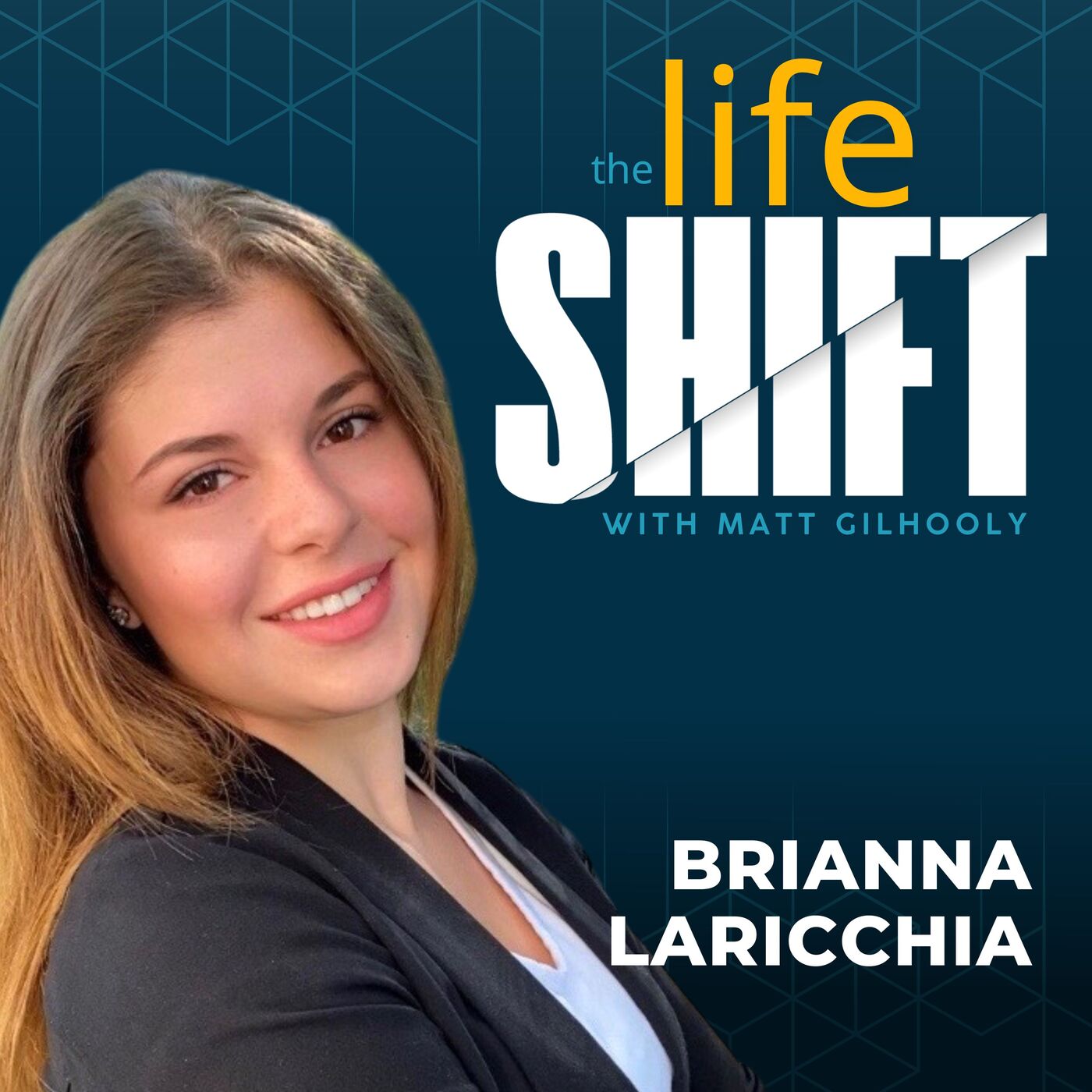
00:00Sometimes a dog changes everything. For Brianna, that moment came when her family brought home Molly, a puppy who opened her heart in ways she didn't expect. Molly became more than a pet. She was family, a teacher, and eventually the mirror that reflected Brianna's capacity for empathy back to her. In this episode, Brianna shares how loving and losing Molly reshaped how she sees life, grief, and healing, both personally and as a therapist. It's a story about unconditional love, the power of presence,00:30and what it means to keep showing up even when your heart has been broken open. I have this beautiful being in my life for 15 years that saw me through every phase of my life, for better or for worse, arguably really big changes too, right? Going through being a teenager, to getting into a relationship, to getting engaged. I was right at the cusp of planning the wedding and hoping that, oh my God, could she be there?00:58Have you ever seen me get married? Like all these really big life changes and then silence. Right? Like don't have that being with me anymore. What do I do? Who am I? I immediately, it's like I had all this love to give and nowhere to put it. I'm Maciel Houli and this is The Life Shift. Candid conversations about the pivotal moments that have changed lives forever.01:34Hello everyone, welcome to the LifeShift Podcast. I am here with Brianna. Hello Brianna. Hi Matt. Thank you for wanting to be a part of the LifeShift Podcast. I know we're going to have a really interesting and important and potentially tear inducing conversation today. So thank you for just bringing it to my attention and then wanting to talk about it. Now know I'm talking around it like it's vague, but we'll get to that later. you for having me.02:02It's my pleasure because the LifeShift podcast is something that I never knew I needed. It is something that fills my cup because I get to have conversations with people I probably otherwise never would have bumped into in the world. And I get to have real conversations about things and questions that I have that maybe I felt like I wasn't allowed to ask growing up. When I was eight, I was visiting my father. I lived with my mom full time thousands of miles away.02:32And I was visiting my father and he had to pull me into his office one day to tell me that my mom had been killed in a motorcycle accident. And because of the time period, my life certainly was going to change, obviously, not just because of the time period, but just because everything I knew about my day-to-day life was now going to change. But because of the time period, I just, I wasn't allowed to grieve. There were no tools, people weren't talking about it. My dad was certainly not equipped to help an eight-year-old grieve.03:02All the other family members still was kind of like this sweep it under the rug. So I assumed the role of showing everyone I was okay. And throughout that 20 year grief journey, I just felt like I wasn't allowed to do it and therefore also not allowed to ask questions or to tell people how I was really feeling. So that's why I think the Life Shift podcast is so meaningful for me right now is because I can have these conversations.03:30One of my favorite things is if I ask someone a question from my own curiosity and the guest is like, no, Matt, that doesn't make any sense because the younger version of me would have shrunk down, hid and realized, oh, you were wrong. Why'd you ask that? Why'd you ask that? But no, this is just us getting to know each other and know the fact that we all have different feelings about different things and it's so beautiful. So I say all that to say to thank you for being a part of this.04:00this thing that I never knew I needed. And I know very well that there are people out there that are feeling alone and need to hear your story and other people's stories. Yeah, absolutely. I'm really, really looking forward to being able to share it here. Well, let's get into it. well, first, let's actually have you tell us 2025, Brianna, how do you show up in the world? How do you identify these days? Like, who is Brianna? Great question. I always ask myself that.04:29And I always seem to go back to my role because I think that's where I really find my identity and where it feels the most consistent. So 2025, me, I'm a daughter. I'm a sister. I'm a granddaughter, best friend. I'm newly, biggest update in 2025, I'm a wife. So that's been the biggest change.04:58and was previously a dog owner, which I know we will get into, and also a mental health therapist. So these are the roles that I hold today that I hold really near and dear to my heart and um the ones that I really can see myself in. uh It's my mirror in my day-to-day seeing myself as the daughter, the wife, the sister, the friend, the cousin, mean anything imaginable, that's where I know myself best.05:29Do you find it difficult as a mental health practitioner to, do you have blurred lines? Do you have solid lines? Do you have ways to protect yourself so you're not always quote unquote working? Also another really good question. And it's like, it's so interesting because I always think that I have a grip on it. You know, I'll be working, I'll get out of it. And I'm like, I'm good, I'm fine, right? This didn't affect me.05:59It's actually the people around me that point out how it could. And I'm very thankful for that. You know, my, my mom or my husband might say like, you're really irritable today. You know, what's going on. And it prompts me to think about, okay, was something happening at work today? Did a client come in and bring something up that really affected me or that actually I could really relate to?06:27which is another big thing. There's times where I can have more of that distance with my clients and be able to help and support. But then there's other times where I'm noticing myself logging off since I'm doing telehealth and I just break down. I also are crying just because I'm feeling so much for the person that I'm talking to and just wishing so badly that you can take that away from them, whatever they're going through.06:57And so it's essential that I'm taking care of myself through that so that I can be the best that I can be Hopefully be a hundred percent for everybody else Yeah, that's it's hard and as a natural empath. I'm sure that it can be challenging to make sure that you are Prioritizing your mental health and your well-being Because I think sometimes we just want to pour it all out for everyone else but that whole07:26about like oxygen mask first, know, like put it on yourself first because you can't help other people if you can't help yourself first. And I found that, I mean, not to equate what I do on this podcast to what you're the important work that you're doing, but I even found early on when I'm having these really deep conversations with people about really a lot of times traumatic pivotal moments in their lives, I found that I...07:51It was also coming with me and I realized that I needed to put in place some self-care tactics to make sure that I'm leaving it to where the conversation was. It wasn't mine to carry any longer. But at first I was so, I like wanted to record every day because I wanted to hear these stories and I wanted people to tell these stories and I wanted people to hear these stories like out in the wild. And it was like untenable for my own.08:20you know, mental health. So I had to really scale back and be careful about that. I think sometimes we forget that. know, I think sometimes we just want to help others or help others be heard and we don't take care of ourselves. So I'm glad that that you have that practice and you realize it and your family points it out because we need all those we need all those pieces to make sure that you could do the work that you do. Yeah, definitely. And speaking to the oxygen mask analogy, it's something I think about all the time, you know, because before I became a therapist.08:50They would give you those those spiels on the plane. I'm like, what are you talking about? I have to put it on myself before I'm like I'm gonna help you know, the person next to me my my parents my brother whoever my my husband but it in reality it really does make sense, right if I I need to help them I have to hold myself first I have to be in a good enough state to be able to provide so it's very true. breathe you're not gonna be able to help them, right? You know, so yeah, no, I think it's09:20I think it's beautiful and thank you for the work that you're doing for the world. I know a lot of people need an outlet and need someone that is trained in that way to listen and help. And so thank you for being a part of that world. I think it's just so important. Thank you. mean, well. Well, let's get into your story. So I'd love for you to paint the picture of Brianna leading up to this main pivotal moment that we're going to talk about. And however far back it makes sense.09:50is up to you, however you want to give us this before version of you and how this moment changed you. So lead us up to that pivotal moment. Yeah, I can really think from, I guess, starting from childhood and maybe skipping around a little bit from there. But the biggest thing that comes to mind when you asked about who I was before 2025, I think about what I wanted to do in my life.10:13I remember from a very early age getting always getting asked that question. What do you want to be when you grow up? What do you want to be when you grow up? And for the longest time I said, I want to be a vet. And I stuck with it. I was like, I want to be a vet. want to be a vet to the point where, you know, my mom and dad were really taking this five year old seriously. Right. And they were going around telling everybody like, yeah, my daughter is going to be a vet. So, you know, what, what was so10:44funny about that is is then I started to collect all these stuffed animals that um I you know I would think are like my patients, my pets, right? I'd have them all on my bedside. And then I got to college and I started to think about them like I I can't be a vet. Like I I love animals but I just can't bear the thought of having to put one down.11:13or see one die or have to make that really difficult choice to do so. And- Right, because as a vet, you're also most likely not seeing the healthiest of pets all the time. Like I would imagine a majority of your practice would be sick or need help in some way, you know? So yeah, that would be really taxing. Yeah, exactly. Exactly. So that's when it really started to sing in for me like, okay, my11:43My love for animals is so unconditional and it's unlimited, but I don't know if I can really do that as a career and see like you just said, more of them being sick than not, you know, not really seeing happy, healthy pets walking through the door. So, you know, that was in terms of how I identified mainly throughout my life, I guess before college.12:12is when we got our dog, Molly. I'm skipping around a little bit. So a little uh bit before that when I said I wanted to be a vet, I kept asking my parents, I'm like, I want a dog, I want a dog, I want a dog. And I guess they didn't want a dog, ah but my dad came up with the excuse to like, I'm allergic, but I won't be allergic when you're 18 years old.12:36for the longest time. I'd go over all of my friends' houses. They had dogs or they had guinea pigs, like anything. They just had animals. We didn't. And I remember coming home, I think I was like eight or nine, and I ran under my kitchen table and I was just tantruming, stomping my feet, crying. like, I'm not leaving here until we get a dog. It didn't work. No. It's a lot of work. It's a lot of work. can see why parents don't want to get a little eight-year-old a dog.13:05Exactly. Yeah. And I mean, who knows what they were dealing with between me and my brother at the time. So. So like we already had two. Right. We had two animals. So no matter how much I asked, we didn't get a dog. And then I think I was I was 14 and my brother was 12. And it was around his birthday. And my parents were like, hey, you know, to my brother, what do you want for your birthday? Like, I want a dog.13:35We got a duck.13:39So that's when we got our dog, Molly. And everything just changed for me at that point. like immediately remember feeling this overwhelming sense of responsibility, this feeling of wanting to nurture something, which I never thought was there, especially at 14 years old. I was at St. Adrian's, so into myself. I wasn't really thinking about anybody else.14:08And she was really the first thing outside of myself that I was so excited to care for and raise and just like make a life for her. that's where our journey really began. But I want to pause there and make sure I'm not going off on a tangent. Yeah. So what I was thinking about when you14:37we're talking about getting Molly as 14, I was like, I had pets growing up and I don't think I had like a similar feeling about nurturing other animals or anyone else. Maybe I was in that selfish phase, I don't know. But when I got my first dog at like 29, it was really, I think I had that feeling that you had. It wasn't that I wanted to be a vet or anything, but I knew that this little guy was going to rely on me for everything and we could.15:07you know, be partners in crime. And it was before I had like really resolved my grief journey losing my mom, even 20 plus years later. So he knew like a previous version of me as well. So we had so much that we went through. But I love that even at 14, which is a pivotal moment in any child's life, right? Like you're just going through a lot of stuff at 13, 14, 15. But now you have like this, this new thing that you can focus love on and feel it.15:36that feel that unconditional part as well. I know our parents have that mostly, but it's different, I think, with a pet. So what transpired as you had Molly in your life? Like, how was that changing you? Yeah, it's often the blow of just like all of the turbulent moments that you have as a teenager. That's the first thing that really comes to mind for me. You know, school pressure.16:03friendship changes, getting in and out of friendship circles, fighting, uh feeling really angsty with parents, just wanting to be alone. And I never wasn't really alone, you know, because I had her. So even if I locked myself in my room because I was annoyed with everybody and I just wanted to isolate, I knew that I had her. And so she, she really16:32helped me regulate when it was a time that felt just irreconcilable. Like no matter what anyone could say or do, they couldn't soothe me, but she could. And that was pivotal for me because I was really able to find myself through her, call myself through her and really start to hone in on what was important to me.17:01rather than listening to a lot of the noise that was around me as a teenager. She was your therapy? She was. Yeah. She was my first therapist. Did your brother have any feelings because he asked for the dog and then you created this bond with Molly or did he have a similar bond with her? He didn't. So we always joke even to this day in a spiritual realm, like she still lets him know that she doesn't like him.17:28Oh, poor guy. know we feel so bad. ah he since he was younger, you know, he was 12 years old. He he would mess with her a lot, you know, so he would poke her, he would try to rev her up and and she would get pretty irritated with him. She would show her teeth, she would lunge at him a little bit. And we we kind of17:51we just made it a theme in our house where like we said to my brother, we're like, Anthony, go near Molly so that we can see her get upset, you know, and he's like, I don't want to, I'm going to get bit. So he definitely didn't have the same bond that I would say we had, but he definitely adored her and she adored him in their own way. Yeah. So did she become kind of your dog as you...18:16grew up and like moved to college or when you went to college, I don't know if you moved, I just made this assumption. But yeah, did she become part of your life mostly or was she still the kind of the family dog? So I think without insulting anyone, she definitely became my dog. She the biggest memory that I have of that too is the day that my family actually bought her and18:43What was so funny about that is I, so I was on my best friend's boat for the day and my parents were at the shelter and they were texting me and they sent me a photo of Molly and they're like, what do think of this dog? I was like, no, I didn't really want a wiener dog, you know, maybe something else. She was, she was part dachshund. And, and then I came home, I came home to an empty house cause they were still out. So I was just sitting on the couch and then19:13in runs this dog, Molly, and she jumps right on my lap and she starts licking me. And initially I'm like, I said I didn't want a dog sin, right? But I'm looking at her and she's like, just looking right in my eyes and I'm like, all right, like I think I could do this. So think we're gonna be, we're gonna be good buds. And very quickly after that, despite my dad being Vietnamese, Vietnamese, I can't even say the word, Vietnamese against it.19:43He, I would bring her to my bed. I would let her sit on the couch. He's like, no, she can't be on the bed. She can't be on the couch. She'll come to my bed all the time. She ended up sleeping there uh every single night. So my room was her room. And it just, you know, kind of snowballed into the strongest relationship, even to this day that I've ever felt. So when you went to college, were you at home?20:12Did you stay at home or did you go off and bring Molly or what did that look like? Yeah. So I actually, I decided to go away for a little bit. So I ended up going away. I didn't like it. And I mainly cause I was missing my dog and I came back home. I took a semester off trying to figure out like, what do I want to do? Where do I want to go? I was feeling really down and depressed at the time.20:40Um, cause I just, kind of felt like a failure. You know, all my friends just started their first semester of college. Everybody was having fun and I'm like, why can't I have that kind of fun? Why can't I like it as much as my friends are liking it? So once again, feeling pretty isolated at that time, but never really feeling alone because I had her. And then, um, once one semester passed, I re-enrolled in college and ended up going locally. I just felt like at the time that was better for me and it was.21:10It really helped my mental health at the time. I wasn't ready for such a big change to leave home, to leave my dog, my family. And so I was able to really get through college the way that I did because I had everybody there, but really had my dog to come home to. Yeah, I think that, I mean, I don't think you're the first person that that missed a connection.21:34that badly. It doesn't have to be a dog or an animal or it could be a person. It could be whatever. That we have to make these hard decisions where society tells us, you should move away and go to college and party and do all these things. And I mean, I commend you for kind of listening to yourself, though, because I think there's a lot of people that would just quote unquote tough it out. Right. They just and not choose what feels right in their heart.22:03to go back. So I think just as a personal choice, I commend you for that as much as you in the moment probably felt like you were a failure or you didn't do things right. I feel like when I was that age, I just wouldn't have been quote unquote allowed to do that. Right? Like I feel like it would just be like, this is the choice you made, you're stuck with it kind of thing. And I think, you know, we're different generations. So I think22:30maybe society was a little bit different to you where you could be more in touch with your mental health and kind of honor that in a way. So first of all, commend you for that. like, cool for Molly to have you back at home and be part of your life. know, so I know this gets to a hard moment. I don't know if you want to lead us to what that looks like for you, because I think something about having pets is so beautiful.22:58and also so unfair and because humans are in our lives, if we're lucky, for a long period of time, but even a dog that's in our lives or a cat or whatever for a long period of time is still seemingly never enough. So maybe you want to bring us to this harder moment. Yeah. Yeah. I think about, in hindsight, I think about the grieving process.23:29And the way that I've defined it too is like, was already in denial when I still had her. You know, there was, there was a part of me that I'm like, Oh, she's going to be the first off at Woods forever. Right. She's, she's got that like that spunk to her. She's, you know, so, she's so tough and like she was, she was tough right up until the end. So.23:56So she was part Dachshund, part Cocker Spaniel, we think. em Yeah, my husband actually gave me like the most wonderful gift for Christmas right before we passed that dog DNA thing. So we did that on her and she has a couple of different things, but we were pretty close. We came up with Dachshund and Cocker Spaniel. So she was a really, really cute mix and pretty unique.24:25Um, when you just see dogs on the street, she kind of had her own look to her. So, you know, I was always just kind of in denial, didn't really think about the thought of like, yeah, you know, she's going to die one day until it really started to get close to it. And that was in about, that was 20, 20, right. When the health decline started to happen.24:56And you asked me before, what's 2025, Brianna, how does she identify herself? And I almost wish that we were here in 2023 where you could have asked me that question because right before she started to get sick, I just remember this one moment in my life where everything just felt perfect.25:23I know we say like, okay, nothing's perfect. We're not perfect. But the way that I've defined perfect is like, it's an ideal state. It's a human emotion. And I 100 % felt that the day that I got engaged because I had my family there watching. I had my husband's family there watching. Every single person that I loved was there. And then I got to FaceTime.25:52my best friends and let them know like, oh yeah, you know, but then most importantly, I got to FaceTime my dog. was like, right. So I FaceTime my aunt. Like, Molly, look, I got a geese. That just felt like the most perfect moment to me because I'm like every single person and soul animal that I love was there to see this. And um26:20And then like everything just kind of like, oof, just went from there. You know, so that was in July of 2023. And in, it was in October of 2023 where I noticed that there was this, like this growth on her toe. Yeah, that's weird. So I took her to the vet and initially he's like, oh, it looks like it's an infection. Like she got.26:50something stuck in her foot, you know, let's do a round of antibiotics, let's spray it with things. So I immediately just went into this like doctor role. I was so on top of it, like every day, the meds at the exact time spraying her foot, making sure it was getting better, putting heat compress on it. And it wasn't going away. So we brought her back after a month of27:20got that round of medication. And the vet was like, look, we're not going to put her through a full round of tests. It's a lot of money. It's not fair to her. uh It might be best just to amputate her toe because it could be cancer. So we're like, all right. mean, quality of life should be OK. It was like the, I guess, the pinky toe uh on her back legs. We're like, all right, like she'll be she'll be OK. So he ended up27:50amputating that toe and she recovered like this. She was 15 years old at this time. So he was concerned that she was going to have a rough recovery. Right after the surgery, she's up walking around even though her foot is bandaged, eating, running around. like, my God, which kind of put me in denial even more. She might live forever. Super dog. Yeah, she was she was a super dog. So. So that was the foot.28:19And we thought like, okay, if this was cancer, we beat it, right? We caught it in time. It didn't spread anywhere else, she'll be okay. Then end of November rolls around and I'm playing with her one day holding her. And I felt this bump on the back of that same leg. Brought her back and I remember just like my world crashing when28:49I heard the word cancer.28:53The vet said to me at this point, he's like, it looks like if it is cancer, it's red to her lymph nodes. And he's like, she's got a lot of spunk in her. She seems healthy. Let's take this lymph node out. So at that point, I'm like, I have this like emotional scramble within me, right? Cause I'm like, okay, I'll do anything to save her, you know? But at the same time in the back of my mind, there's this gnawing thought of like, already got her. It's too late. So.29:23I didn't want to listen to that part. I was still trying to remain hopeful. So she went through yet another surgery in two months. And that one is what really set the stage for, for passing then in February. She had a really rough recovery with that one. She was struggling to walk. um she, her wound in itself wasn't really healing well.29:53which was already a sign that her immune system was down. And I even at one point had to rush her to like a vet emergency room because my vet was on vacation at the time and her room completely opened up. The stitches just came apart and she had this this big hole in her leg and I was freaking out. And they stitched it back off and we're clean to that. But then it was in January.30:21Now that this is where things got, like became like a mixed bag for me. Cause now I'm in the point of wedding planning. was starting everything, getting excited about my life, starting my life with my now husband. And so it was January and we were at a venue. We were touring the venue and my brother texted me and he's like, you need to come home right now. Molly can't walk. And I remember freaking out.30:51And so something that was supposed to be really exciting for me was now completely tainted with like just dread and fear. And I rushed home and she's, she's trying to lift herself up, but her back feet are sliding each time she would do it. And so she, couldn't hold herself up.31:18mother round with the vet, right? We bring her back and more dreadful news. We think that it spread to her spine and now she's losing function of her back legs. And you know, I still go back and forth to that to this day, which I know is a part of grief, but I'm like, could we have done something different? Should we?31:48have maybe ended her life right there and now mainly because she would have avoided what was to come.31:59But at that time, you know, with the support that I had and also the veterinarian advising that she could still have a good quality of life, we decided to put her in a wheelchair. So it was a little chaotic too, because at that time I tore my ACL. So I'm like, we're twins, you know, and we always kind of were. So here I am like,32:28every day outside with her trying to get her to walk in her wheelchair while I'm also limping myself because I can't move normally until I had my scheduled surgery. And it was again a mixed bag because I can distinctly remember how happy she was to be able to realize like, oh my gosh, I can move again.32:56right with the wheelchair and she would run down the street and we were all in tears because we're like, okay, she's happy, right? She's comfortable with what we're giving her. But at the same time, I'm like, this is not my dog, right? This is not fair to her.33:15It was ripping my heart out just seeing her that way. I'm so sorry that you had to go through that lead up because I think there are so many like pet parents and pet owners, however we want to define people that have pets, but it's really hard to, I'm going to speak for myself. It's really hard not to feel selfish through some of the journey. It's really hard to not feel.33:41in denial or maybe some might say delusional that we can do something different and we could have done something different. So I think that every, I hope that you let go of like, should I have done this? Because it's, that just hurts us. And I know obviously it's part of that grief journey that we go on, but really so hard to, while you're in it.34:06to feel like even if you are making the right decision to feel like you're making the right decision because who knows, right? Like nobody really knows, but because we're so attached to these beings, we're like, we want to do everything until we realize that like, okay, now, which is probably one of the hardest decisions I've ever had to make, now is the time. So maybe you want to tell us about how Molly34:34across that rainbow bridge and how that moment came for you. Yeah. So, you know, when I look back on it, we all think, like, because of her personality, exactly how it happened is what she wanted. And so despite what I was speaking to before, like this what if, you know, should we have humanely ended her life now? Should we have spoke to the vet more clearly about euthanizing her?34:59Even if it did, it's almost like she led us exactly to just wanting to pass away in my bed. And so that's exactly what happened. And, you know, it uh was a rough two days before that because that's when things really got worse. I mean, she was definitely couldn't walk, like I said, and she was struggling to breathe. And so we were thinking, OK, at this point, it's spread to her lungs. I mean, it was so fast moving.35:29And that night, I remember we all agreed, we were all in our living room together and we said, okay, tomorrow, right? Tomorrow is when we're calling the vet and we're going to take her because she can't live like this. And at that point she was suffering and she did it herself. You know, at 1 30 in the morning, she took her last breath and I was there, which I think was the hardest part. Yeah. But also.35:59probably the most beautiful part because we were there. know, like I don't want to equate, well I do, but I don't want to equate losing a dog to losing a family member or someone that we love. But at the same time, I do equate it because it's a similar love, right? And when my grandmother got really sick and she was in hospice care and I spent the last five days of her life with her,36:24by her side and I was there for that last breath and it's very similar in a way of like it being so devastating, right? It's just like a horrible feeling, but also in a weird way, beautiful because you get to like witness this ending in the way that is most humane, I guess, in this case and that she was, she probably heard you guys and knew that you guys were ready.36:52because you weren't really ready before that. And now you knew that as hard as it was gonna be, this is the right thing to do. so I like to think that people and animals know when we're ready and then they take that. It doesn't make anything easier. Right, right. It's terrible journey I had. For Mikey, I actually have a dog named Molly and she's half Dachshund and half Chihuahua.37:20So that's why I was asking before. She's 14 and a half now, but Mikey I had for 14 years and he had a similar, like it was a fairly quick decline. And I had to make a hard decision. I had to make the hard decision. So for me, was a little, was like this anticipatory grief. It was, am I doing this too soon? Am I, does he have a good quality of life? Am I keeping him around for me?37:50Why would he want to be in this state in this way that he is? And some the most helpful thing is I actually called the service called lap of love Which is like the best thing if anyone's facing the the passing of an animal I highly recommend lap of love because they do it in home in a comfort comfortable Setting and all these things that come along with it but when I called that and I was like am I doing this too soon and they're like It's better that you do it38:19a month too soon than a day too late. And that was really comforting for me. So if anyone's facing that and knowing that you have to make this really terribly hard decision, keep in mind that we're weighing all the qualities of life, our quality of life, our animals' quality of life, all the things that come around with it. And it's a really hard decision and there's no right answer. But sometimes we have to make those decisions. So I say that to say I understand you.38:49and how you were feeling and also it's a different, like we all have these different journeys and how these things happen. when you lost Molly and you had to do all the things that come with it, what did that do to you?39:06I couldn't recognize myself and everyone around me couldn't either. In what way? I became a shell of myself and I was inconsolable. You know, it's like I have this beautiful being in my life for 15 years that saw me through every phase of my life for better or for worse and like39:32arguably like really big changes too, right? Going through being a teenager to getting into a relationship, to getting engaged. I was right at the cusp of planning the wedding and hoping that, oh my God, could she be there? I mean, you're seeing me get married, like all these really big life changes and then silence, right? Like don't have that being with me anymore. What do I do? Who am I?40:02Right? I immediately, it's like, I had all this love to give and nowhere to put it. m That was hard for me because like I mentioned earlier, I really, really grew in touch with this nurturing side of myself. I got a taste of what it would be like if I were to become a mom one day. Right? Which is something that never crossed my mind much at 14 years old, but I'm like, okay, I did see it. Right? Maybe it's possible. Maybe I do have this side to me.40:32because I was able to do that with her. And so once she was gone, I had nowhere to put this love. I no longer knew who I was. I had nothing outside of me anymore to care for really in the way that I was used to doing with her, right? And like we spoke to caring for humans is so much different than caring for animals. And so was this unique side of things that I grew so accustomed with that I no longer had. And41:01The biggest thing for me is like, how do I do this? Right? Like I've grieved humans before and in different ways, you I lost my grandparents, but I've never lost a dog. And this feels like to me, it felt so much worse for its own reasons. And the one no one understands. Yeah. Yeah, exactly. And I began to notice like,41:30Not many people are talking about this. You know, I was, I was looking for something to soothe me and I couldn't get it. You know, my, my parents, although they were grieving her too, couldn't really speak to what I needed. Same thing with my husband, right? He was grieving her, but couldn't really speak to what I needed. It was just this overwhelming void. And then my mind turned to like, okay, when, when there's something that I don't know, I need answers for it.42:00And when I need answers for something, means I need to educate myself on it. And so I began to just pour all of this energy, which was probably the love for her as well, into just doing research on pet brief. And I'm like, what is this and where are these people that are also feeling it? Right? Because I felt so alone and all I wanted to do was just be with the people that could understand and that I've been through it themselves.42:28at that time is also when I became a new therapist. And so I was like, you know, I need to memorialize her. I need to do something. I need to learn for myself, but I also want to memorialize her. And how do I combine this, right, to these really big aspects of my life? I was like, what better way to do it than get certified in grief for my own work, but also use that to help me understand.42:57my own process with it. And so I had this dual relationship with reading up on Pet Grief and buying all the Amazon books imaginable, listening to all the podcasts. I was like, I'm going to do this. I'm going to dedicate my work to her and I'm going to dedicate it to people that felt the same as me, right? That don't know where to go for this, but so desperately need that space. But I also need it for me because it was the only thing that could help.43:27And so it really just started me on the journey that I'm on today. Do you mostly help people with pet grief or is it all sorts of things that you help people with? Yeah. So it's, it's kind of a mixed bag. And I'll also say like, it's still in the beginning stages, but like I've had a few, I've had a few clients now that come to me specifically for pet grief and you what you asked me before, like how, how is it taking care of yourself or listening to clients that may have similar43:56feelings or situations as yourself. Well, kept grief is probably the hardest one, but it's also the one where I feel so comfortable and so safe. I don't walk into any of those sessions feeling any nervousness that I might feel with different clients, which tells me it's like, okay, this is exactly where I need to be and this is what I know.44:24That's a very lived experience that you're bringing to the table for them as well. Yeah, what I found in this bizarre uh pet loss journey that I've been on is that society looks at it differently. we're getting a little better. You probably found this in your research. There wasn't as much about pet loss as there was about people in whatever relationship, you know.44:50parent or child or all these other things which are important. But growing up I just remember people were like, so and so lost their dog, cat, that's sad. And then the next thing was like everyone is gone. Like you just don't ask them about it anymore and you just assume they're fine three days later or whatever it is. And then you ask the dumb question of when are you going to get another dog or another cat? And what I found in my own journey was like, wow.45:20How wrong was I? Because no one's talking about it. Those are not the things that I need. And I found that I needed to grieve out loud and I found that I needed to show that like, or try to normalize the fact that like I wasn't okay. And that yes, he was a dog, but he was also my shadow. He was part of me and saw me probably more hours than any other person on the planet. And like you through all these different, you know, pre-grief.45:49after grieving my mom, then losing my grandmother, then, you know, like all sorts of things. And one of the first things I did was reached out to people that I had dismissed their pet loss in the past, you know, and just said, I'm sorry, I just, I didn't understand. it's like, it's sad that it's one of those things where it's like, maybe you have to experience it to understand it. And I hate that, but I sure did understand it. And I reached out to people and I was like,46:18You know, like I'm sorry that I dismissed that if I did. Why? Because I just didn't understand. And I will proudly say that it took me about a year to turn a corner in grieving Mikey. And I tried everything. Like I tried, I mean, I definitely went to therapy. I tried like, well, making a little memorial in the house for him. that work? you know, and, and just trying little things and saying, okay, Matt, you don't know this journey. You've never done it before.46:48do what feels right in the moment and when the right thing happens and it clicks, then that's where we go. So it's a wild west for me in this grief journey, whereas, and even therapists, like, I don't know that people are equipped with it necessarily as much as they would be like, oh, my mom died, okay, I can help you through that kind of thing. What are you finding with people that you work with about pet loss? Yeah, I'm finding...47:16I'm finding similar threads that I experienced myself, that there's this uh desperate search for the people that went through it and this space to speak about it as much as you need to. Right? Because that was also another thing. I I felt that pressure from society of like, okay, once I turn that year, I feel like I can't talk about it anymore. Right? Or like after a few months, I feel like I can't tell my47:45my best friend or start to cry to my husband about like, miss my dog. Right? Because at a certain point, I wonder if people then think to themselves like, we'll get over it. Right? It's been, it's been six months. It's been a year. It's been five years, right? Whatever it is. But, know, thanks to, thanks to my mom always being like, don't, you know, don't care about what people think about you. Right? Be confident in yourself. Don't worry about what people say. I really started to like,48:14bring that in with grief, where I was like, you know what, I don't care if someone is judging me because I'm still talking about my dog years from now, or I still miss my dog so much to the point where I'm crying, right? I'm having stronger emotions. I'm gonna do exactly that because I'm the one that was in that relationship with her and I'm the one that understands it the most. And even when I began to look into the pet grief,48:43You know, I had this like pivotal moment uh or thought I should say where I was like, you know what? This is never going to leave me. I can try to push it away. I could try to avoid it. I can try to put that energy into different things, hoping that I don't cry and that it doesn't come up, but it's never going to leave me. So now that grief is in the room, how do I become friends with it? Because it's not going to leave, right? Now it's taking up space, but I'm happy it is.49:12because it's allowed me to carve out who I am, feel even more confident in that, and have a new identity in it, feeling that she's still with me, but in a different way, right? Because I've incorporated it to be as such. And I encourage my clients to do all the same, right? What did the relationship mean to you? And what do you want to do with it?49:37How do you want to memorialize it? Because it doesn't matter what anybody else is telling you. It doesn't matter what anybody else thinks. It's your grief. No rules. But I think sometimes we think there are rules that come with grief. oh, I'm only allowed to... I mean, when we lose people, you're only allowed to be sad for X amount of these times. God forbid you're happy one of those days because life just happened and you were happy. then you shame yourself because you're like, why was I happy? I should have been crying the entire time. But like, we're complex beings.50:07We can't, that's not like a reasonable thing. And you know, some people may process grief like in a way that it is closing a door and they move on to the next chapter, but that's their journey. That's what they choose. That's what works for them maybe. Right? Right? Like, so we have to find our own journey and it's hard to say, but we can't care what other people, like if someone's judging me because uh50:35I had such a hard time, then that's on them. That doesn't affect me. I had enough affecting me. And I think we need to just talk about it more because people don't, like you pointed out, there's no easy to find groups or resources, maybe more now, but people just don't talk about it. So we don't normalize how intense it is.51:02We have those people at work that expect you to be fine the next day and ask you when you're gonna get another dog and those things, because they just don't know. So if more people are talking about it, maybe the more people will know and to be more respectful of the journey, because to me, it felt like losing my shadow. To you, it probably felt similar of like a piece of your heart is now not.51:31in the way that it was. Yeah. So it's like, we just need to give permission, help people find people, find our communities. It's the same thing that I kind of think about with the Life Shift podcast. It's like, I told you this, I want people out there that are feeling very alone in their circumstance to know that they're not actually alone, even though it very much feels like it when we're in the deep, deep dark, you know, when you were kind of a shell of yourself.52:01You probably knew logically that other people had lost pets before and felt this way before, but I bet there was a part of you that felt like no one else could ever feel like this. Like this is, you know, like it just, yeah, it's hard. Yeah, definitely. And there there even was a point in my grief where I didn't like before I wanted everyone who knew it. I wanted nobody because then it felt like my experience with my dog was like everybody else's.52:30So I remember even protecting that too. I was like, I don't want to talk to anybody else about this. No, I don't want to join a pet support group because then it means that my relationship with my dog can be understood by everybody else. So there was this like overprotectiveness of my relationship with her. And I can definitely understand why, right? And I think I still, I rationalize it today.53:00right where I'm like, it was different, it was unique, right? Nobody has the same relationship with their dog, just like nobody has the same, you know, my mom and someone else's mom, very different. But there, there became that point where I was like, I do want to be around the people that have gone through it and get it. Right. So it's not the feeling that they're going to exactly understand the sequence of what I went through with her, but more so just the pain of the loss. And that's, that's what53:29really helped me through it all too. Oh, for sure. Yeah, it's the same. These conversations, do I have the same exact experience from all of my guests? No, we all have wildly different actual experiences. But when we have these conversations and we talk to each other about how we felt in certain moments of that journey, it's like we understand each other because we have similar feelings about the events. One thing someone in53:56conversation really set me right because I think as Americans we tend to compare and kind of you did you kind of protected your space because you didn't want people to necessarily relate and so you know having these conversations sometimes I caught myself or I was just saying boldly out loud like your your situation is far worse than mine and someone was like you know what your worst experience in your life is equal to my worst experience in my life because54:25Those were the worst things we've ever experienced. And I was like, oh, okay, yep. It makes sense, but at the same time, we create these rationalizations of things that don't necessarily need to be rationalized. They just are, and we're just kind of going through life, and we're all trying to love, be loved, enjoy our lives, enjoy the people and animals and whatever around us. We have a lot in common.54:53And so if we can find our tribe, not to compare, not to have people understand us, but to know that people understand how we're feeling, I think we win, right? Like I think we win in the long run if we do that. Yeah, I totally agree with you. I always say it's everyone's first time being alive. as far as we know, we're all just trying to figure it out. I don't know if I've been here before.55:22I hope not. Right, and you're not a spiritual realm. You have many lifetimes here. Yeah, I think it's important and I love that your love for Molly has also opened doors for you to help other people that have felt very similar to you, not just in pet loss, but also I'm sure that love and loss helps you in other clients as well that aren't coming to you for pet loss.55:49just grief in general or connection or whatever it may be. thank you for doing what you do for the world, whether it's one person at a time, because the ripple effect is magnificent. Thank you. I really appreciate that. If people, because we didn't get to get too much into like the grief part, if people want to like connect with you, tell you their story, learn more about you, whatever it may be, what's the like best way to find you, get in your circle, learn more about you or just56:19tell you how your story affected them? Yeah, so I would say Instagram. OK. You know, I'm on there. I'm getting that platform up and running now that I'm specialized in Pet Brief. And I'm really planning to use that as the vessel to access other people that need this space, that need to know that they're not alone. And even if it means working together.56:47at some point down the line. But first and foremost, really just putting out there like, like screaming to the world, right? Hey, you are not alone. Yeah. And this is a readily talked about topic. We just need to find the right place. Great. Well, we'll put your Instagram handle link in the show notes so people can just go there and click it and connect with you and learn more about you and reach out to you.57:12I think it's so important the more we can connect with others and share our stories and the similarities and maybe the differences. We just become a better, you know, human race here where we're relating to each other in all sorts of ways. Doesn't mean we have to agree, but we can talk to each other and learn from each other and see how the others in the world live. So thank you for coming on this weird journey and nobody will even know that we had tech issues, but I'm going to say it out loud so they just know.57:43Thank you, I really appreciate it. No problem, and I appreciate you for being a part of this. I appreciate the listeners for just being on this, what, like four year journey. Who knows how long it's been now. It seems short, but also long. So thank you for being along for the ride. And I think with that, I'm gonna say goodbye and I'll be back next week with a brand new episode. Thanks again, Brianna. Thank you.58:16For more information, please visit www.thelifeshiftpodcast.com