The Beauty in Rebuilding: How John Ulsh Turned Survival into Strength
When Life Changes in an Instant
There are stories that stop you in your tracks. My conversation with John Ulsh was one of them.
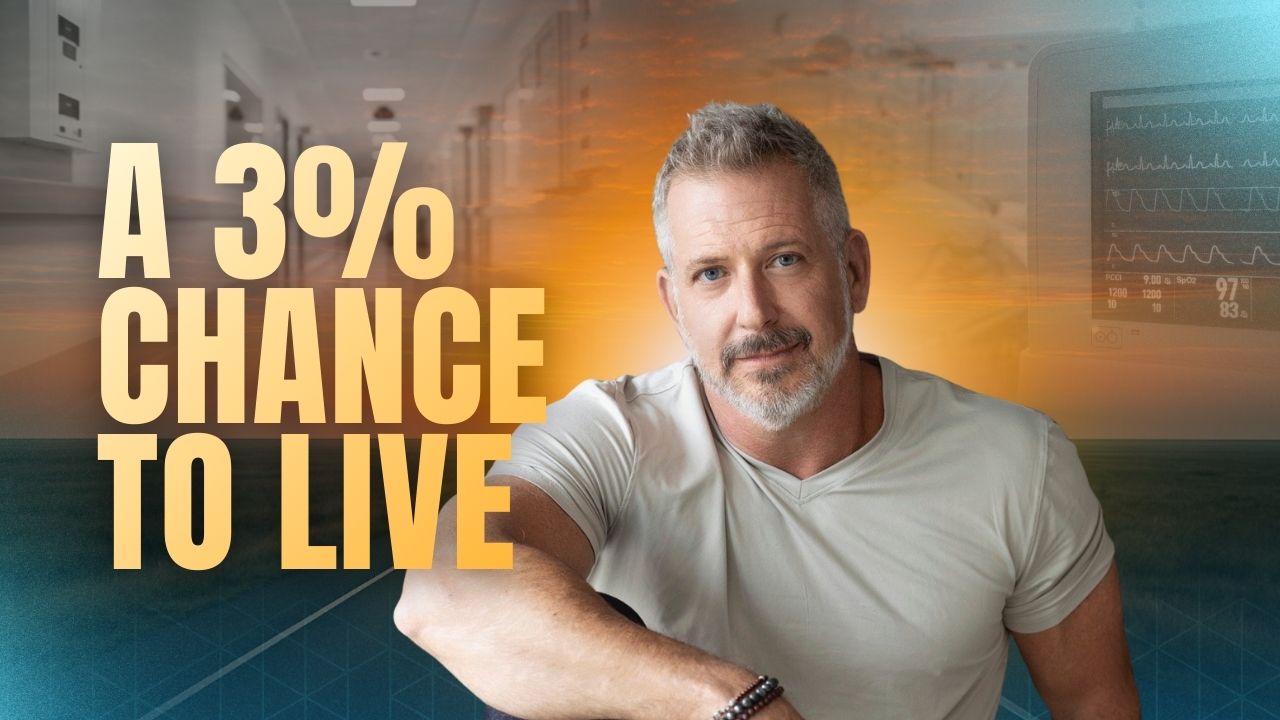
In 2007, he and his family were driving home from a swim meet when a car crossed the center line. The impact was catastrophic. His wife and children were badly injured. John took the brunt of the collision and was given less than a three percent chance of survival.
He spent 18 days in a coma, endured more than 45 surgeries, and spent years relearning how to walk. Today, John is a bestselling author and speaker who helps others transform pain into purpose. But what struck me most about his story wasn’t the survival itself. It was how he learned to live inside a body and a life that would never be the same again.
The Long Road of Recovery
John told me about the years after the accident when his only goal was to “get back” to who he was before. As a marathon runner and business owner, he was used to pushing through discomfort. But that mindset became its own kind of trap.
At one point, his daughter walked into his office and said she missed her “old dad,” the one who played soccer with her outside. That moment broke something open for him. The next day, he quit formal rehab and began working out with teenagers with Down syndrome at a local YMCA. He found himself surrounded by people who radiated joy and encouragement, and it changed everything.
He learned to stop chasing the past and start embracing the process. “The journey itself will turn out to be the most beautiful part,” he said. That line has stayed with me.
Finding Strength in the Process
When I asked John what kept him going, he said it wasn’t motivation. It was consistency. He kept showing up, even on days when progress felt invisible. Over time, he discovered that healing wasn’t about reaching a finish line. It was about learning to love the steps it takes to get there.
As a former athlete, he compared it to training. The early mornings, the repetitions, the small victories—those are the moments that build strength. For John, physical recovery became a metaphor for emotional resilience. He started to appreciate pain in a new way. Not as punishment, but as proof of effort.
He also talked about the difference between pain you can’t control and pain you choose. The chronic pain from his injuries will never fully go away. But the soreness from a good workout? That’s pain he created himself. It’s measurable, predictable, and strangely empowering.
What It Means to Truly Rebuild
Listening to John describe his journey, I kept thinking about how often we mistake “healing” for erasing the hard parts. John didn’t erase anything. He carries it with him every day. His scars, his limitations, his memories of what happened on that December afternoon—all of it still exists. But so does his gratitude.
He journals every workout. Nineteen notebooks sit on his shelf now, each one a record of his progress. On hard days, he pulls out an old one and reminds himself how far he’s come. It’s not about chasing the person he was. It’s about honoring the person he’s become.
That mindset shift is what The Life Shift is all about. The moments that break us also have the power to build us into something truer, stronger, and more compassionate. John’s story is a reminder that the hard work of rebuilding isn’t about perfection. It’s about patience, presence, and persistence.
The Ripple Effect of Resilience
When John speaks today, he tells audiences that resilience is not a trait—it’s a practice. It’s built in the quiet hours when no one’s watching. It’s found in the people who show up for you when you can’t show up for yourself. And it grows every time you choose to move forward, even when it hurts.
He ended our conversation with a story about a boy walking along the beach, tossing stranded starfish back into the ocean. When someone told the boy he couldn’t possibly make a difference, the boy picked up another starfish and said, “I bet it made a difference for that one.”
That’s how John sees his work now. He can’t change what happened to him. But he can use it to help one person at a time find their own way through the wreckage. And that, to him, is enough.

When Your Body Knows Before You Do