
Learning to Slow Down and Hear the Truth: What Katie Grimes Taught Me About Self-Awareness
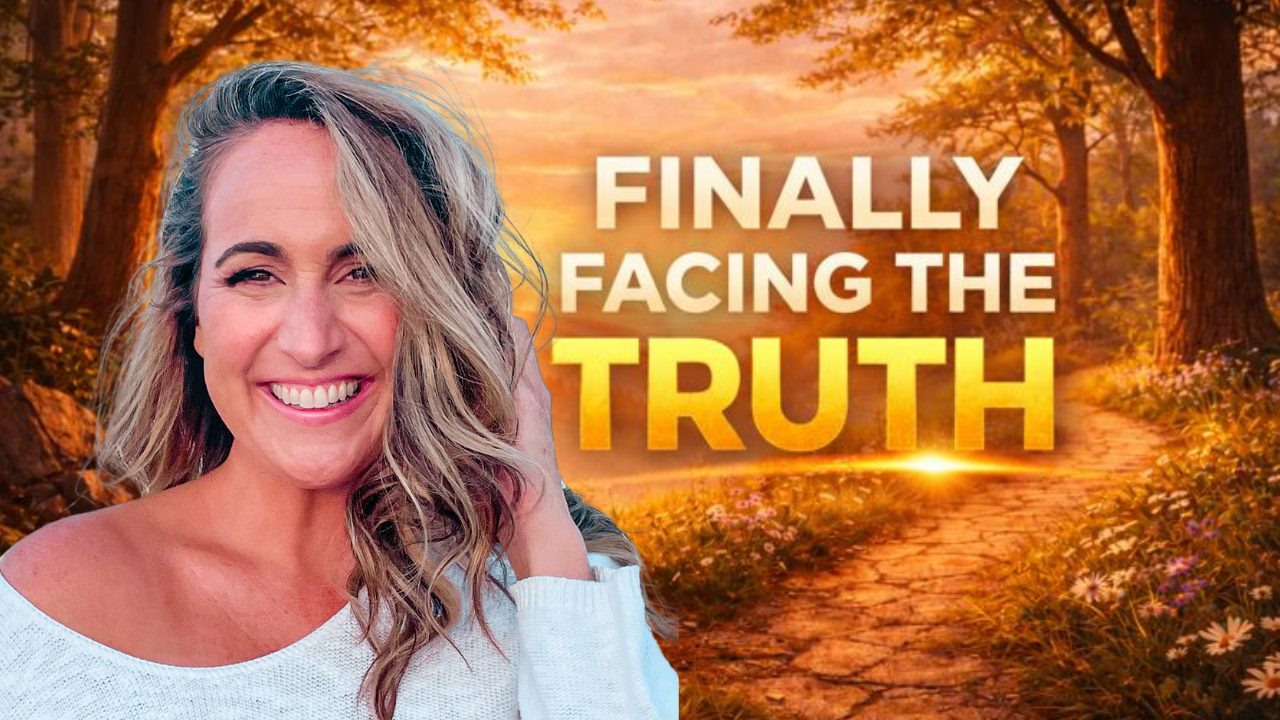
Some conversations leave a slight echo in you long after you log off the recording. My time with Katie Grimes did exactly that. Her story is full of the kinds of patterns many of us carry without even noticing. The childhood wounds we normalize. The chaos we get used to. The pressure to stay busy so we do not have to sit with our own truth.
Katie reminded me how easy it is to look strong on the outside while everything inside is shaking. And she also showed me what can happen when we finally slow down long enough to hear ourselves again.
The Patterns We Carry Without Knowing
Most of us learn our earliest emotional rules long before we have the language to describe them. Katie grew up in a home shaped by addiction, silence, and sudden bursts of instability. She was the child who learned to stay alert. The kid who became the emotional adult before she ever had the chance to be a carefree one.
In the conversation, she talked about how hard she worked to keep the world from seeing the cracks. She chased belonging, approval, and connection because her body learned early on that love could disappear without warning. That kind of unpredictability follows you. It becomes the lens through which you interpret everything.
Listening to her, I kept thinking about how often we mistake survival strategies for personality. We say we are people pleasers when really we learned early on that keeping everyone calm was the safest option. We say we like to stay busy when stillness once felt dangerous. These patterns served us once. They make sense. But they also keep us from living the kind of life that feels steady and true.
When Life Forces You to Finally Stop Running
There was a moment in Katie’s story that felt like the real line in the sand. She described being in a relationship that mirrored the same chaos she grew up with. The same unpredictability. The same emotional hunger. One night during a nor’easter, everything came crashing together. After hours of unanswered calls and familiar fear rising in her chest, she found herself in a fight that shook her awake. It became a moment she could not ignore.
What she shared next stayed with me. She said that later in her recovery, she was playing pickleball when intrusive thoughts suddenly surfaced. She stopped mid game, walked to her boyfriend, and said out loud what was happening so she would not spiral back into the old pattern of pretending she was fine. That honesty with herself became a turning point. She realized she had been moving through life at a speed that left no room for her actual feelings.
It is one thing to run from your pain without knowing you are doing it. It is another thing to see it clearly and choose a different response. That choice is where change begins.
The Slow Work of Self Awareness
One of the most powerful parts of Katie’s story is her relationship with self-awareness. She admitted that for a long time she had none. People around her told her she was always on edge or trying to control everything. She worked tirelessly to appear confident. And still, there was a quiet fear underneath all of it.
Recovery forced her to start paying attention. Therapy. Faith. Twelve step work. Stillness. Honest conversations. All of it brought her closer to herself. She learned to ask what she actually needed instead of pushing through every hard feeling. She learned that slowing down did not mean failure. It meant safety.
What struck me most was how she described her life now. She said she trusts herself more. She listens to her body. She lets people support her. And she is living a life she once prayed for without believing it was possible. That kind of transformation is slow. Sometimes painfully slow. But it is also real.
What Her Story Reminded Me
As Katie talked, I kept seeing the parts of myself I learned to hide as a kid. The perfectionism. The need to pretend everything was fine. The silence that follows grief when you do not have the tools to talk about it. My story is not the same as hers, but there is something universal about the ways we protect the younger versions of ourselves.
Katie’s story is a reminder that healing is rarely dramatic. More often, it is a series of small moments when we choose honesty over habit. Presence over distraction. Compassion over shame. It is sitting with your own discomfort long enough to hear what it has been trying to say.
If you have been feeling stuck, overwhelmed, or disconnected from yourself, her journey will meet you right where you are. And it might give you permission to pause, even for a moment, and ask what you actually need.


When Your Body Knows Before You Do